
Solitary Garden
2021 through 2025
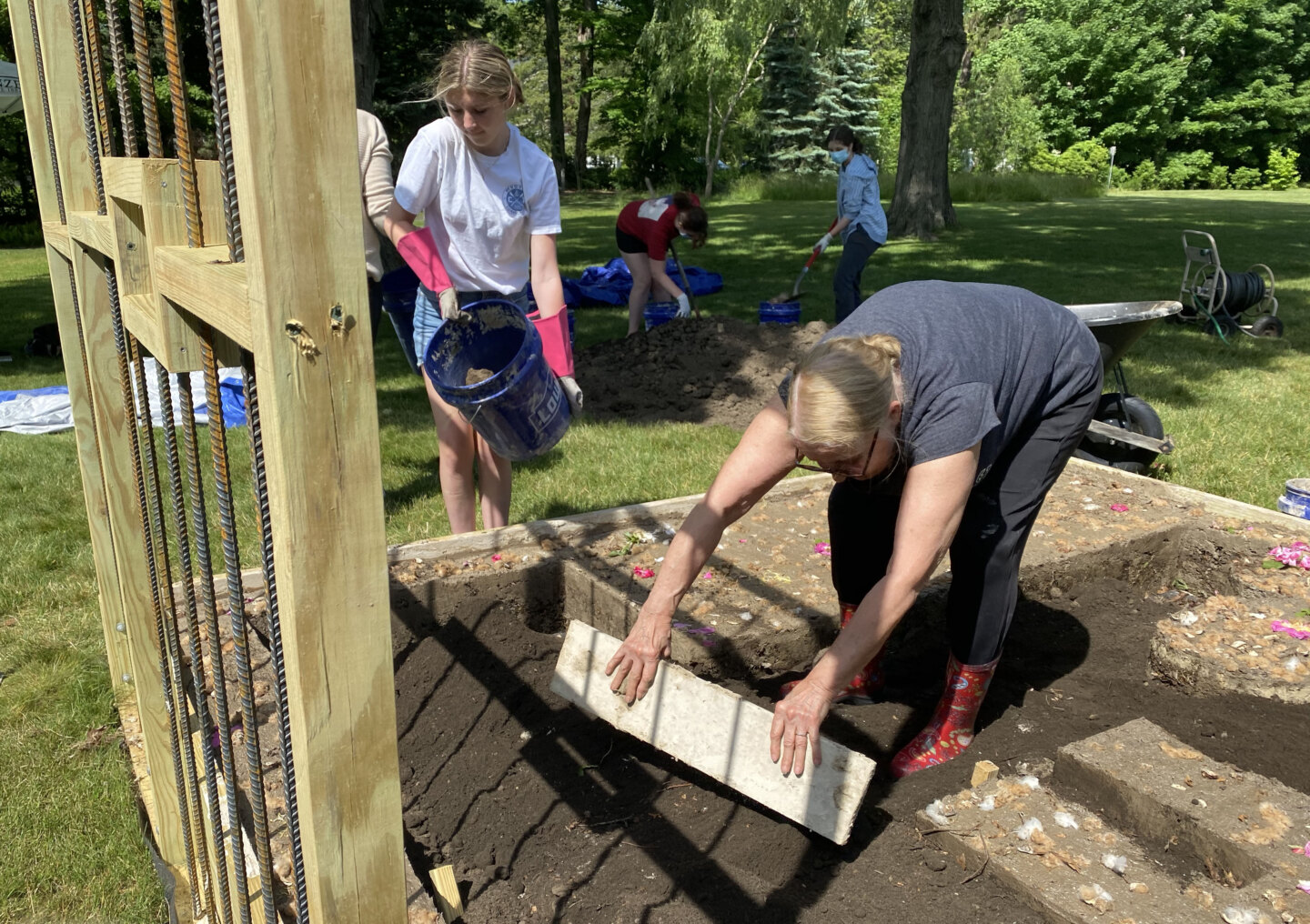
As part of our 2021 exhibition Social & Solitary: Reflections on Art, Isolation, and Renewal, the Museum collaborated with the New Orleans-based artist jackie sumell to install one of her “Solitary Garden” beds on our grounds. Volunteers worked with the artist to create the fixtures and plant the garden.
The Solitary Garden project comes to life through correspondence between a volunteer and a currently incarcerated “gardener.” Their letters articulate to the Museum what kinds of flowers or plants are grown in the garden bed. Each Solitary Garden is a gesture of hope connecting an isolated person to the outside world through the restorative act of nurturing plants.
The size and layout of sumell’s 6’ x 9’ plots replicate prison cells, with “fixtures” made from biodegradable materials that will disappear over time as the plants and flowers mature.
ABOUT SOLITARY GARDENS
“As the garden beds mature, the prison architecture is overpowered by plant life, proving that nature—like hope and compassion—will ultimately triumph over the harm humans impose on the planet.” The artist focuses her work on the effects of solitary confinement to “catalyze compassion,” public awareness, and to lend support for efforts to end the practice.” — artist jackie sumell
The Florence Griswold Museum in Old Lyme is collaborating with the New Orleans-based artist jackie sumell to install one of her “Solitary Garden” beds on our grounds, in conjunction with the exhibition Social & Solitary: Reflections on Art, Isolation, and Renewal. The Solitary Garden project comes to life through correspondence between a volunteer and a currently incarcerated “gardener.” Their letters articulate to the Museum what kinds of flowers or plants are grown in the garden bed. Each Solitary Garden is a gesture of hope connecting an isolated person to the outside world through the restorative act of nurturing plants. The gardens become extensions of the incarcerated person in the community—creative and positive expressions of beauty, healing, and rehabilitation that volunteers enact on behalf of the “gardener.” The size and layout of sumell’s 6’ x 9’ plots replicate prison cells, with “fixtures” (including a bed and toilet) made from biodegradable materials that will disappear over time as the plants and flowers mature. The artist focuses her work on the effects of prison and is interested in the empathy the gardens can help cultivate for the incarcerated.
sumell began her work on prisons with a 12-year collaboration with Herman Wallace, who ultimately spent four decades in solitary confinement in Louisiana prisons. The artist wrote him a letter to ask “What kind of house does a man who has lived in a six-foot-by-nine-foot box for almost thirty years dream of?” The result was their joint project The House That Herman Built (Herman’s House), a travelling exhibition, book, advocacy campaign, and Emmy Award-winning documentary (Best Artistic Documentary, 2013). Wallace’s conviction was overturned after 41 years and he was released from prison on October 1, 2013. He died only days later from cancer. Dedicated to keeping Herman’s story alive, sumell developed The Solitary Gardens. These installations turn solitary confinement cells into garden beds that are the same size and blue-print as the cell Herman, and countless others, occupied for decades.
ABOUT SOLITARY GARDENS
“As the garden beds mature, the prison architecture is overpowered by plant life, proving that nature—like hope and compassion—will ultimately triumph over the harm humans impose on the planet.” The artist focuses her work on the effects of solitary confinement to “catalyze compassion,” public awareness, and to lend support for efforts to end the practice.” — artist jackie sumell
The Florence Griswold Museum in Old Lyme is collaborating with the New Orleans-based artist jackie sumell to install one of her “Solitary Garden” beds on our grounds, in conjunction with the exhibition Social & Solitary: Reflections on Art, Isolation, and Renewal. The Solitary Garden project comes to life through correspondence between a volunteer and a currently incarcerated “gardener.” Their letters articulate to the Museum what kinds of flowers or plants are grown in the garden bed. Each Solitary Garden is a gesture of hope connecting an isolated person to the outside world through the restorative act of nurturing plants. The gardens become extensions of the incarcerated person in the community—creative and positive expressions of beauty, healing, and rehabilitation that volunteers enact on behalf of the “gardener.” The size and layout of sumell’s 6’ x 9’ plots replicate prison cells, with “fixtures” (including a bed and toilet) made from biodegradable materials that will disappear over time as the plants and flowers mature. The artist focuses her work on the effects of prison and is interested in the empathy the gardens can help cultivate for the incarcerated.
sumell began her work on prisons with a 12-year collaboration with Herman Wallace, who ultimately spent four decades in solitary confinement in Louisiana prisons. The artist wrote him a letter to ask “What kind of house does a man who has lived in a six-foot-by-nine-foot box for almost thirty years dream of?” The result was their joint project The House That Herman Built (Herman’s House), a travelling exhibition, book, advocacy campaign, and Emmy Award-winning documentary (Best Artistic Documentary, 2013). Wallace’s conviction was overturned after 41 years and he was released from prison on October 1, 2013. He died only days later from cancer. Dedicated to keeping Herman’s story alive, sumell developed The Solitary Gardens. These installations turn solitary confinement cells into garden beds that are the same size and blue-print as the cell Herman, and countless others, occupied for decades.
ABOUT THE PROJECT
ABOUT THE PROJECT
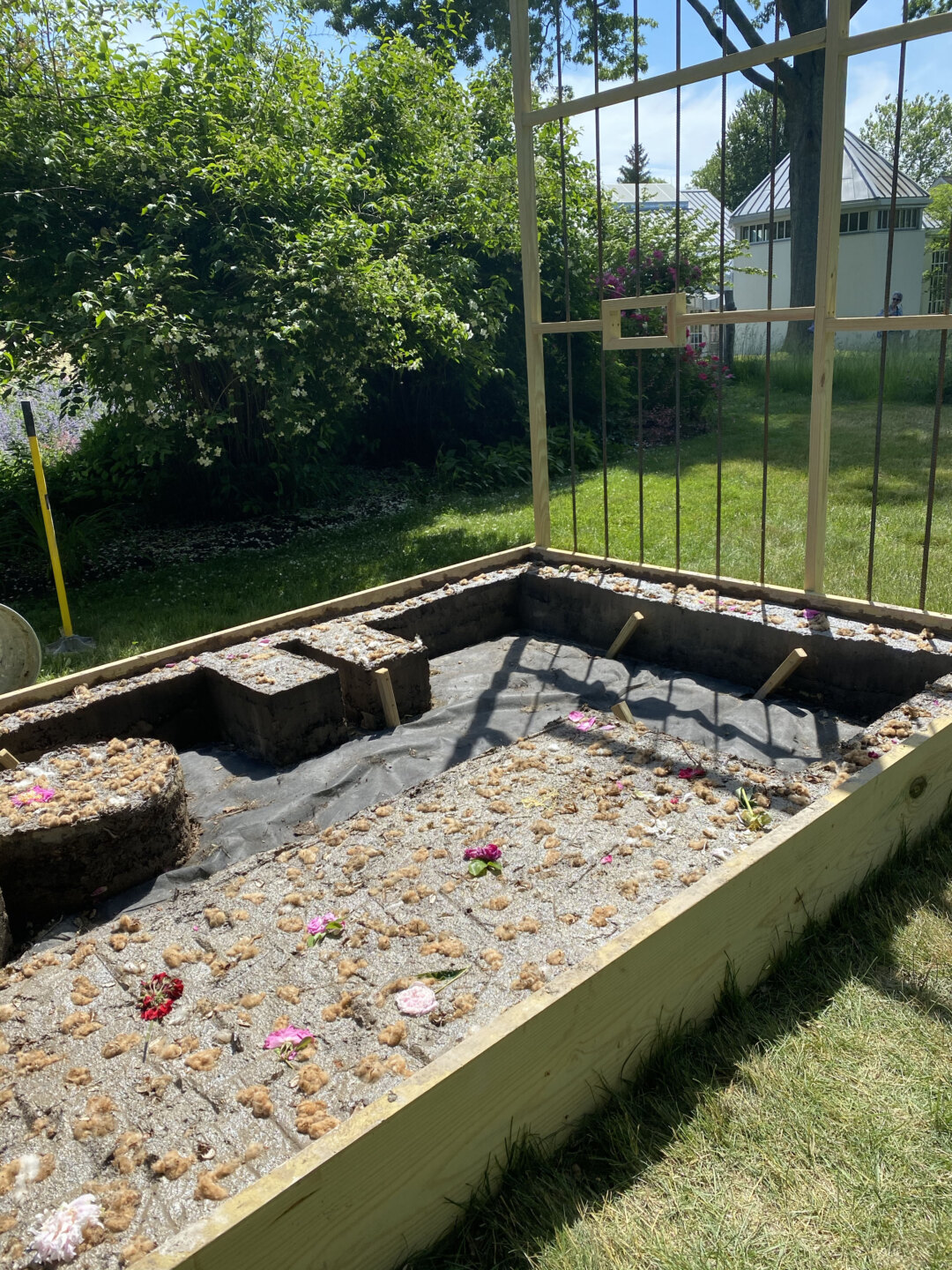
Building the garden
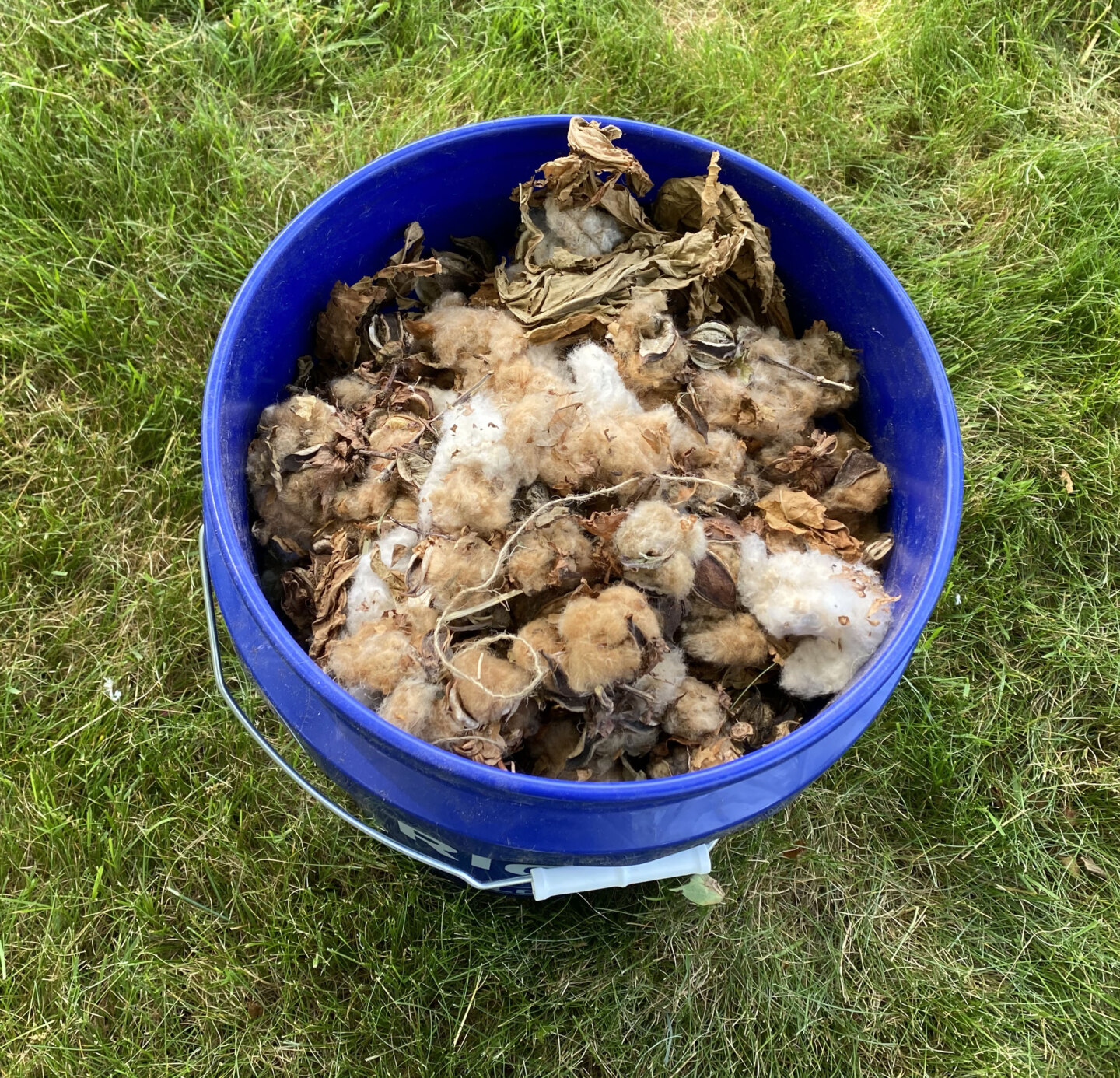
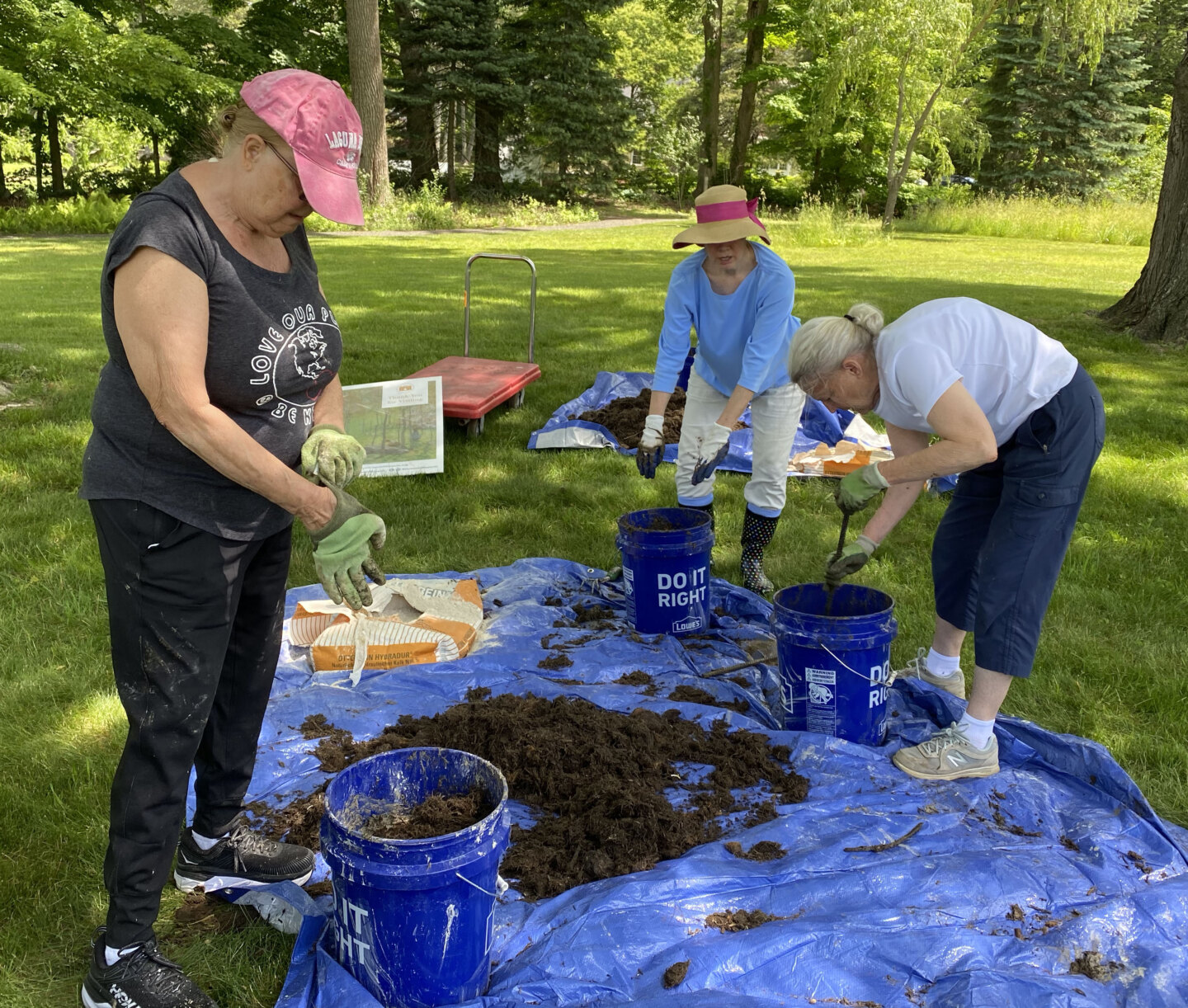
The “walls” and “furniture” in the cell are made from what she calls “Revolutionary Mortar.” That material is composed of the largest crops once produced for sale using enslaved labor: sugarcane, cotton, indigo, and tobacco—symbolism sumell chose to tap into the historical roots of mass incarceration.
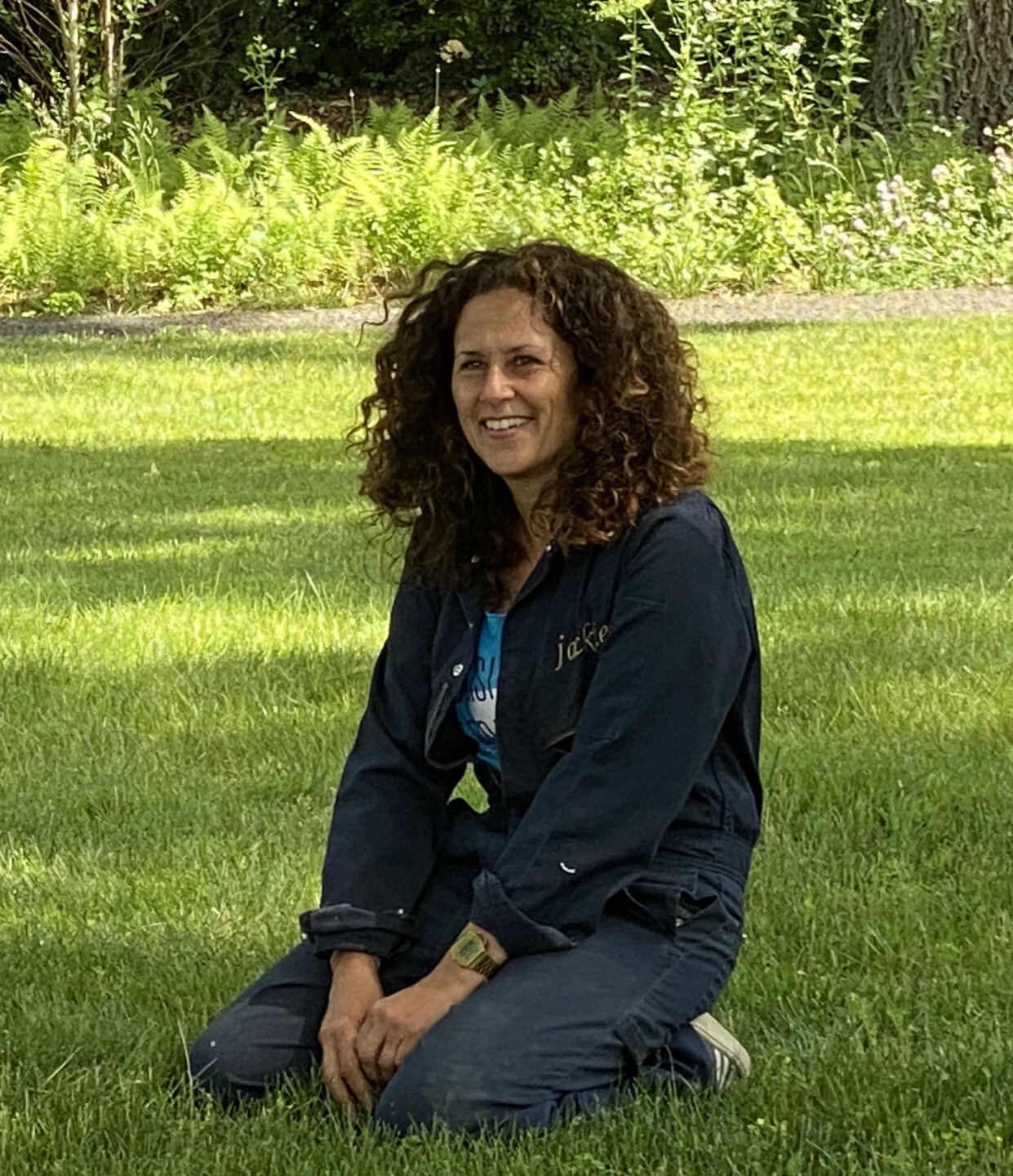
jackie summell
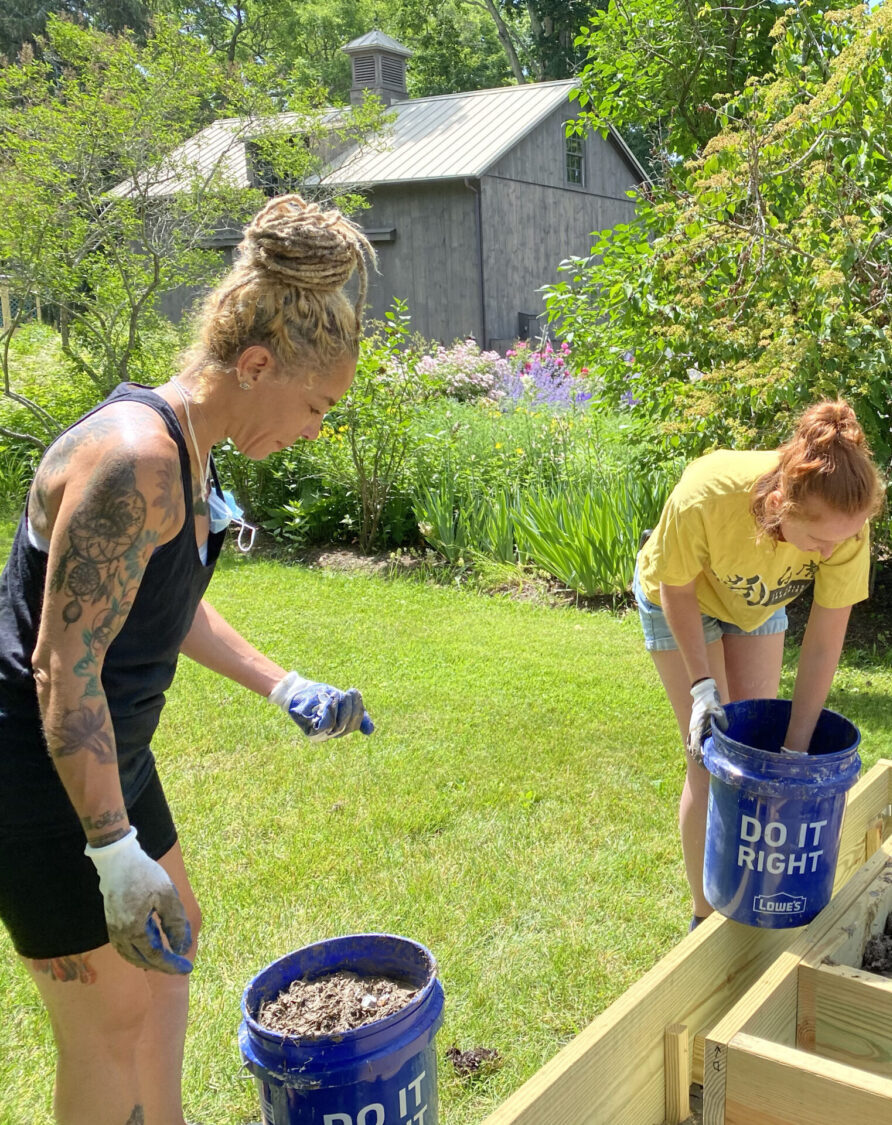
Thank you to our Volunteers who worked to construct the Solitary Garden June 10 and 11, 2021.

The exhibition, its tour and the accompanying publication are organized by the Thomas Cole National Historic Site. The publication is produced in partnership with the Florence Griswold Museum.

Native Prospects: Indigeneity and Landscape is made possible through support from the Terra Foundation for American Art.

Major support is provided by David Bury & The Bay and Paul Foundations and the Warner Foundation.


The exhibition and publication are also supported by The Cranshaw Corporation, National Endowment for the Arts, Wyeth Foundation for American Art and Becky Gochman.
At the Florence Griswold Museum, this exhibition is made possible with the generous support of Department of Economic and Community Development, Connecticut Office of the Arts, Public Art for Racial Justice Education, CT Humanities, the David T. Langrock Foundation, and Chelsea Groton Bank, as well as donors to the Exhibition Fund and the Annual Fund.