New memories are made with every visit.
Discover American art from the 18th to the 21st centuries. Changing exhibitions highlight the art and history of Connecticut. Step back in time in the famed Florence Griswold House, the historic centerpiece of the Lyme Art Colony, where some of America’s most beloved artists lived and worked. Wander the gardens and riverfront that inspired a generation of artists. Shop local in our FloGris Shop and enjoy lunch on the veranda at Café Flo to make the day complete.

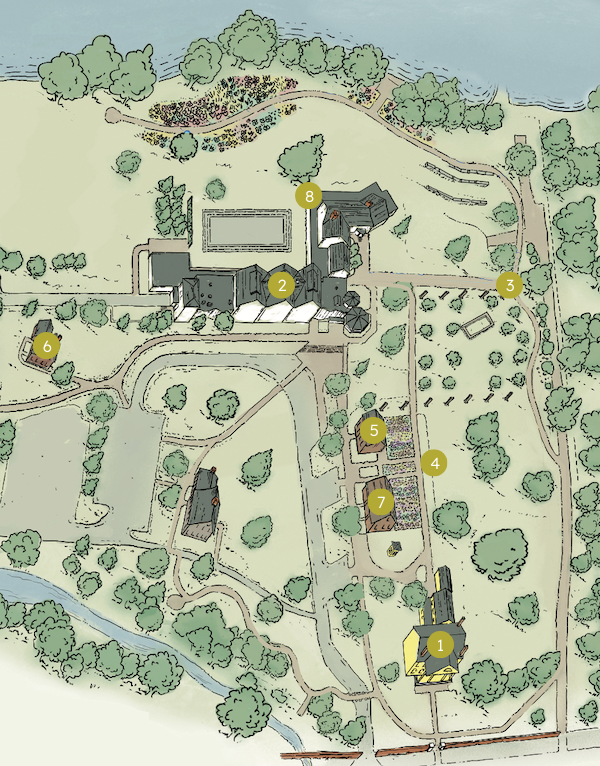
MUSEUM CAMPUS INFORMATION
Designed by Samuel Belcher, architect of the First Congregational Church of Old Lyme, and built for William Noyes in 1817, the Late Georgian-style mansion reflects the affluent, formal style of living during Old Lyme’s maritime era.
In 1899, the Late Georgian mansion became a boardinghouse for some of the most noted names in American Impressionism. Over 200 artists such as Childe Hassam, Willard Metcalf, and Matilda Browne found the lush countryside of Connecticut the perfect location for an American art colony.
The Lyme Art Colony artists left their mark not only on canvas but on the very doors and wooden wall panels of Miss Florence’s House. Inspired by art colonies many had visited in Europe, they surrounded themselves with their own work, creating a living gallery. The dining room is a national treasure, unlike any other room in America.
More than a remarkable building, the Florence Griswold House occupies a unique place in the history of American art. It brings alive the work of American Impressionist artists in the place where they lived and painted. Recreated period rooms evoke the spirit of another life and time. Visitors are transported to the early 1900s, experiencing a day in the life of an artist.
Ask a docent for a scavenger hunt with a list of objects to find in each room. Learn the story of the Museum as you explore each room. Return the sheet to the Admissions Desk for a prize.
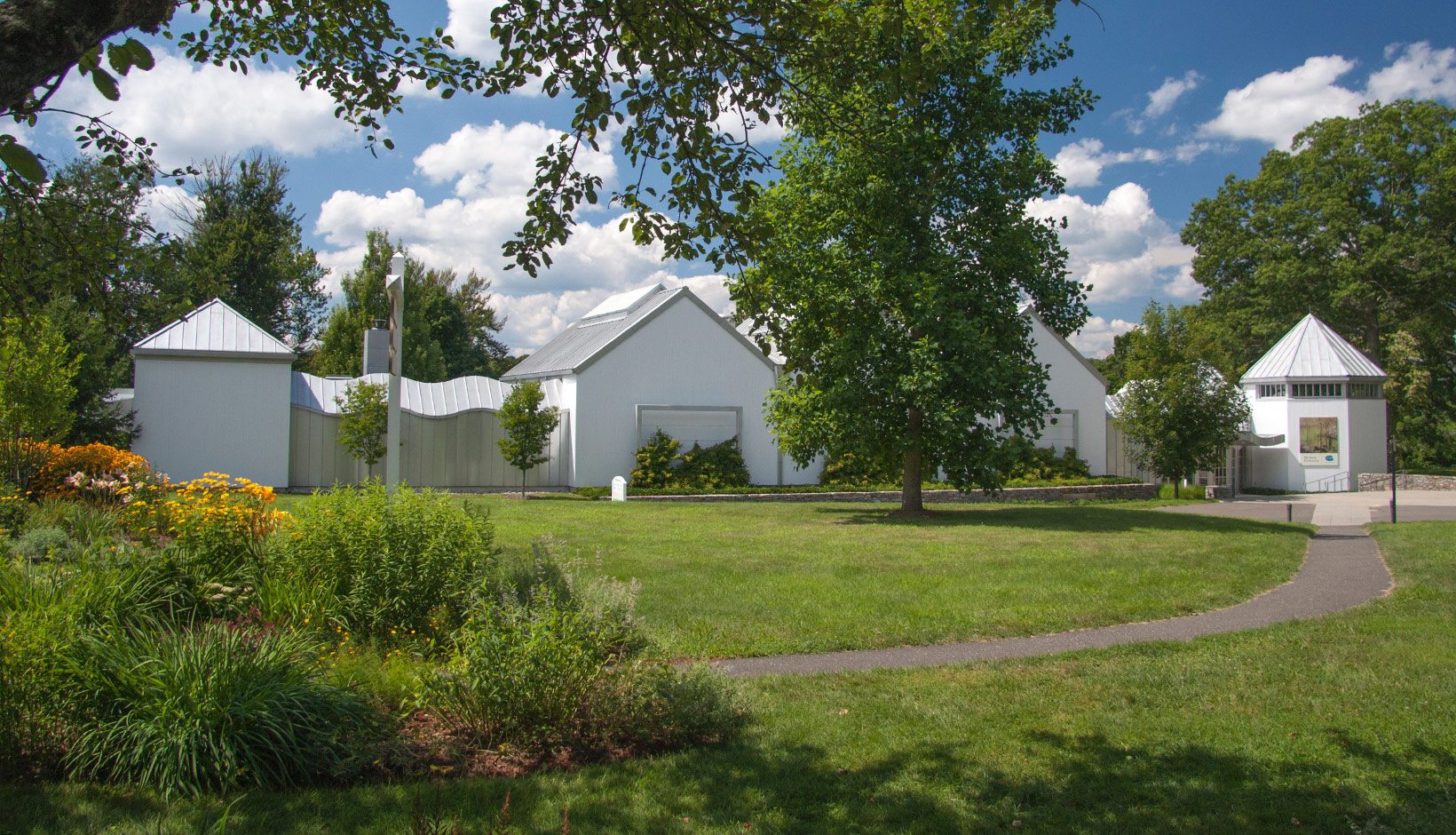
Beyond showcasing current exhibitions, the Gallery houses the FloGris Shop, restrooms, an introductory film, and Café Flo.
Exhibitions in the Krieble Gallery change several times each year. Our permanent collection is highlighted, along with rotating presentations of American art and history.
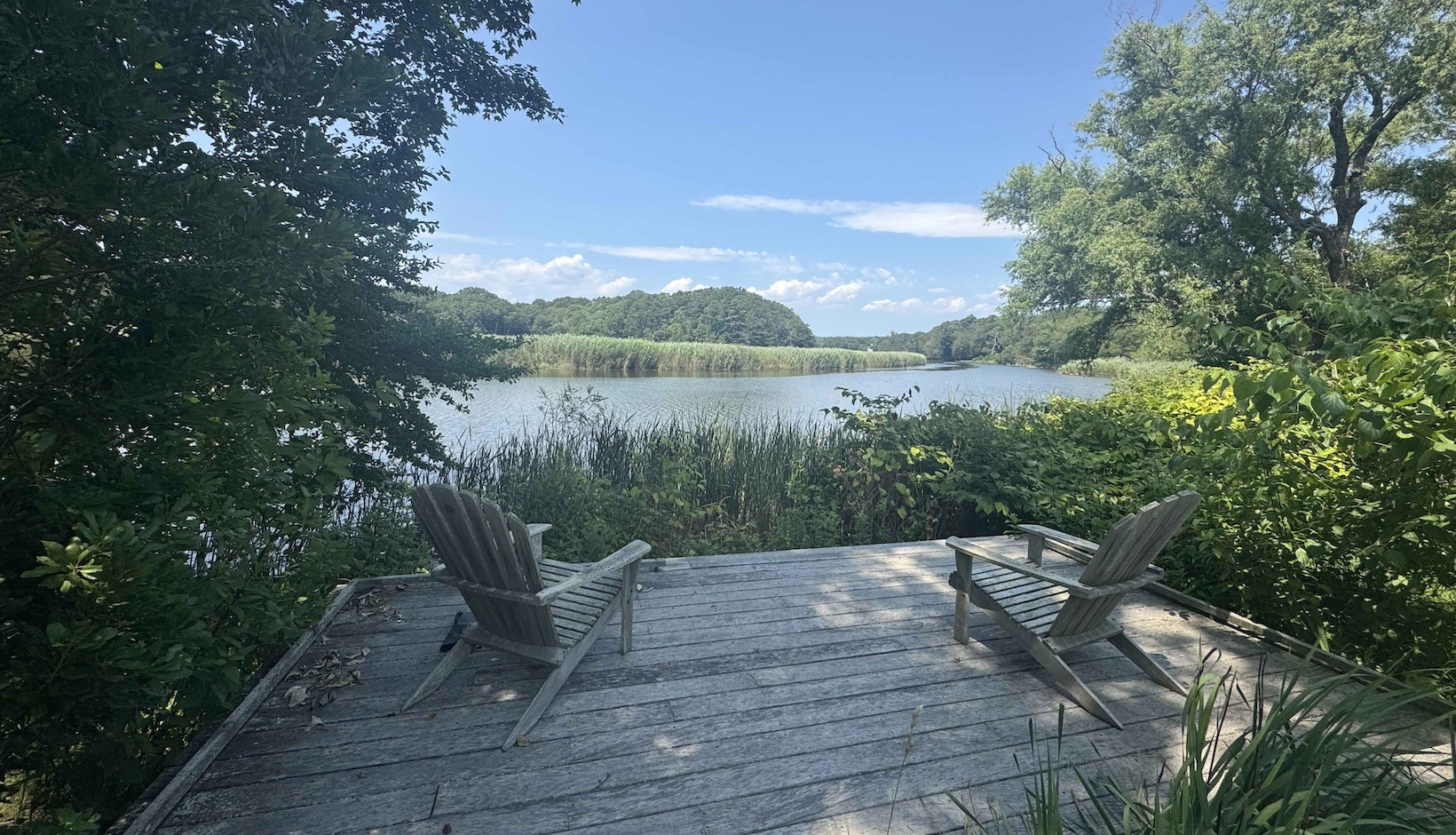
The Robert and Nancy Krieble Gallery in 2002. Designed by Centerbrook Architects, the gallery accommodates exhibition space, collection storage, visitor amenities, and the FloGris Shop. Overlooking the Lieutenant River, near where many of Miss Florence’s boarders set up their easels and painted the marshy coastline, the facility draws upon the Museum’s unique history and setting.
In 2017, the Museum was awarded a $1 million grant from the Robert F. Schumann Foundation for the implementation of a Landscape Master Plan designed by Stephen Stimson Landscape Architects. Schumann was a devoted Trustee and patron of the Museum for nearly two decades. The Museum honors Schumann’s legacy as an avid birder, conservationist, and philanthropist by dedicating the fully accessible Artists’ Trail.
With a goal of providing visitors a more authentic sense of why artists were drawn to the site and how they interacted with the land, Stephen and Lauren Stimson and their team developed a Landscape Master Plan that re-envisions the entire 12-acre site by reclaiming its agrarian past featuring hedgerows, cart paths, riverfront meadows, and woodland thickets. Through the creation of a half-mile long Artists’ Trail around the edges of the Museum, visitors are immersed in an exploration of the grounds while learning about the site’s history and its restored and enriched ecology.
The Artists’ Trail helps the Florence Griswold Museum provide visitors an experience that interweaves art, history, and nature in ways rarely found in the museum world.
“A veritable tangle of fragrant beauty…” — Journalist Alice Lawton, American Motorists, 1928
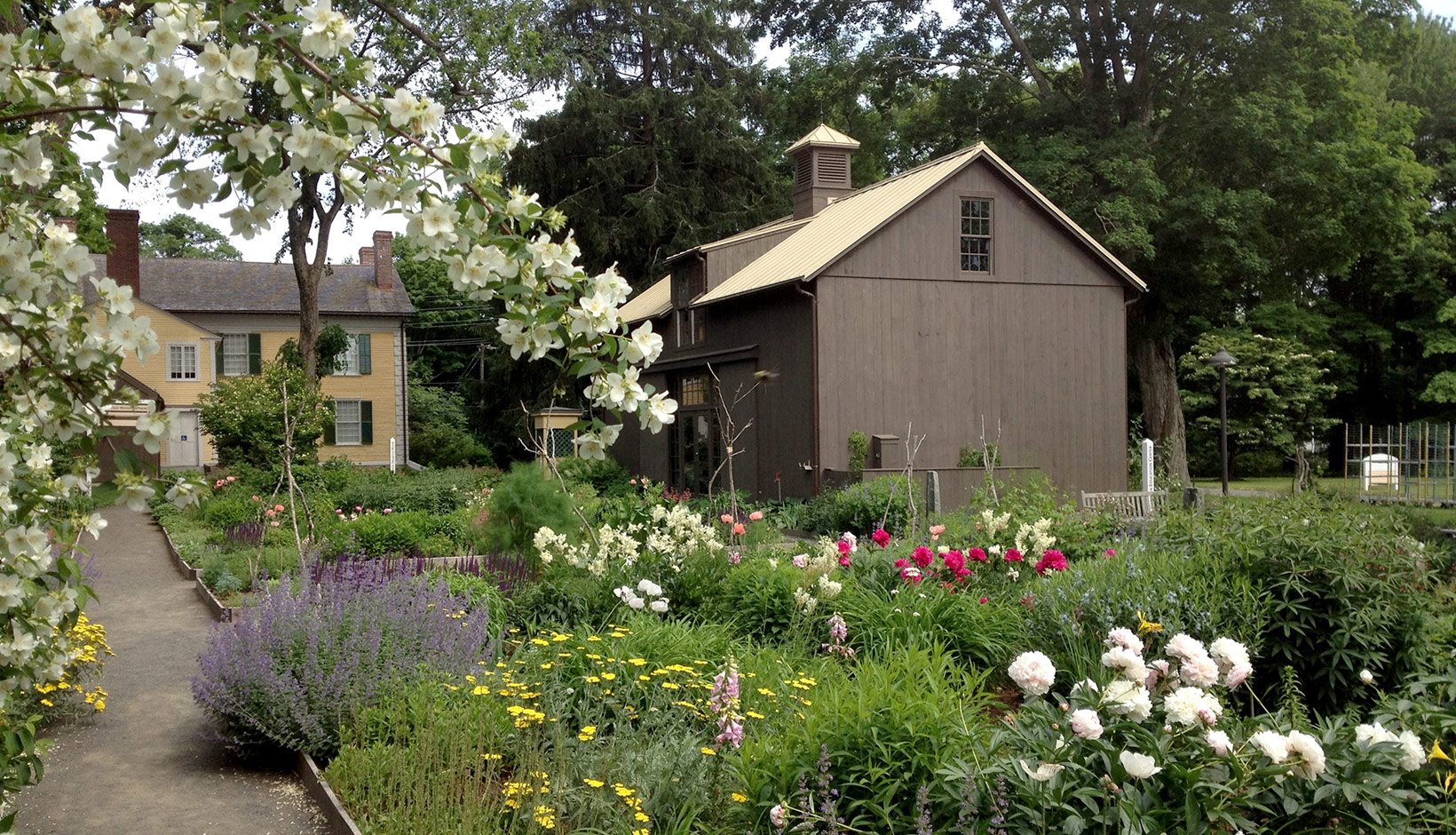
In 1998, an archaeological dig on the grounds was the basis for a recreation of the historic gardens at the Florence Griswold Museum. During that time, the locations of original flower and vegetable gardens, as well as original building foundations, were discovered. Landscape historian Sheila Wertheimer created the design of the garden based on these findings. She also referenced paintings and written notes about the House and landscape during the height of the Lyme Art Colony around 1910.
The gardens appear in paintings by the Art Colony artists. Staying at the House for days, weeks, or months at a time, the artists were inspired by the landscape right on their doorstep, particularly the view of the gardens and fields that sloped to the Lieutenant River.
Miss Florence was a passionate gardener — the beds were filled to overflowing with colorful, fragrant flowers, and she sold pansies, cut flower bouquets, and roses to help sustain the household. Victorian period gardens trended toward a less formal, more personal design, and the historic gardens on the grounds reflect these influences. Miss Florence loved following the ‘new’ ideas by garden designers of the time such as Gertrude Jekyll. She combined her favorite scented and colorful blooms into raised garden beds that included phlox, heliotrope, iris, and peonies, among others.
A Working Garden
The property was a small farm, with chickens, geese, and a cow or two providing much of the food served to boarders. Fresh fruits and vegetables came from garden beds in various locations. Harvested wheat was ground by small local mills.
Today the historic gardens are maintained by the volunteer Garden Gang led by Gardens Coordinator Linda Turner. The grounds and gardens are the basis for educational programming throughout the year.
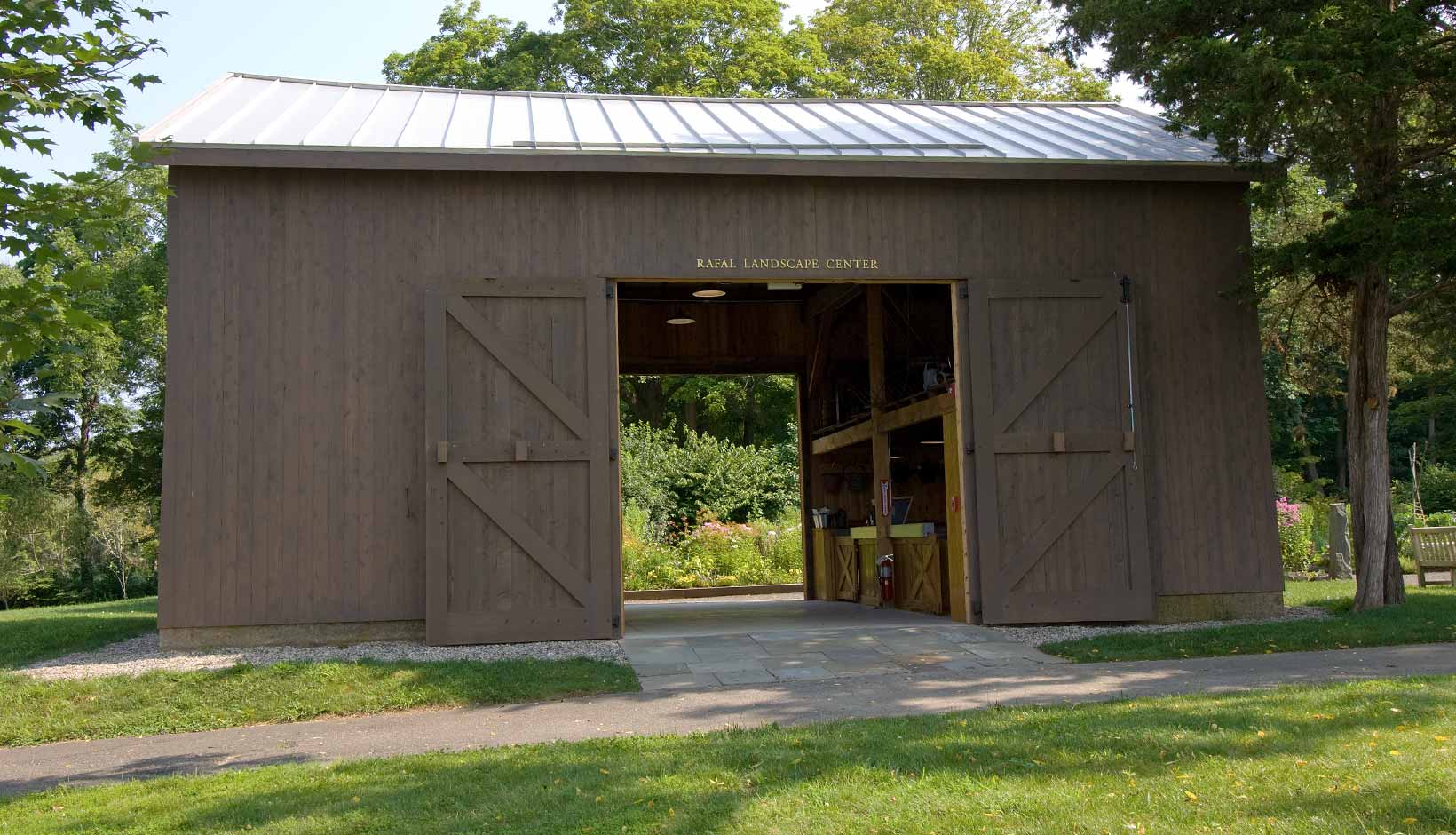
The John and Dyanne Rafal Landscape Center is located in a traditional 19th century barn adjacent to the historic gardens. This outbuilding is an example of historic Connecticut barns and served as part of the cultural landscape of the Lyme Art Colony. A comprehensive restoration in 2009 made the building ADA accessible with structural improvements, guided by paintings and photographs in the Museum’s collection to maintain historic character. Funding for the project came from a generous gift by the Rafal Family and a Historic Restoration Fund grant from the Connecticut Commission on Culture and Tourism.
The Center features The Landscape of Lyme, an exhibition that highlights the history and significance of the region’s landscape. This exhibition was made possible thanks to a grant from the Connecticut Humanities Council.
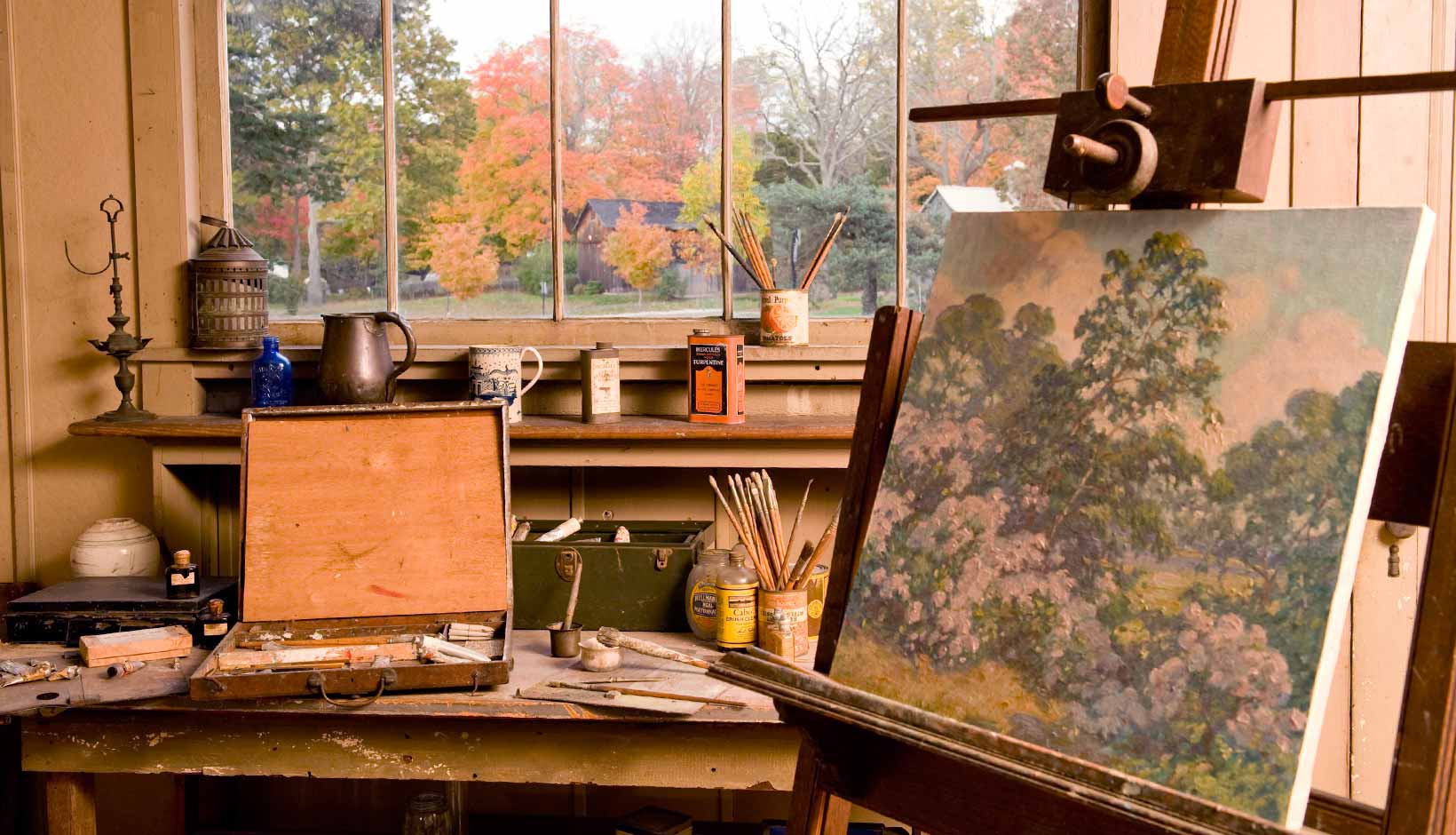
Here visitors experience firsthand the working practices of American Impressionist artist William Chadwick (1879–1962).
From 1920 until his death, this structure served as artist William Chadwick’s (1879–1962) studio. He created the structure from the conversion of vernacular outbuildings on his property, including an old cottage and an icehouse. It consists of a main studio room and another room used for storing paintings, supplies, and framing materials.
Originally located in a field behind Chadwick’s home in Old Lyme, the studio was donated by the artist’s daughter-in-law and moved to its current site complete with its furnishings in 1992.
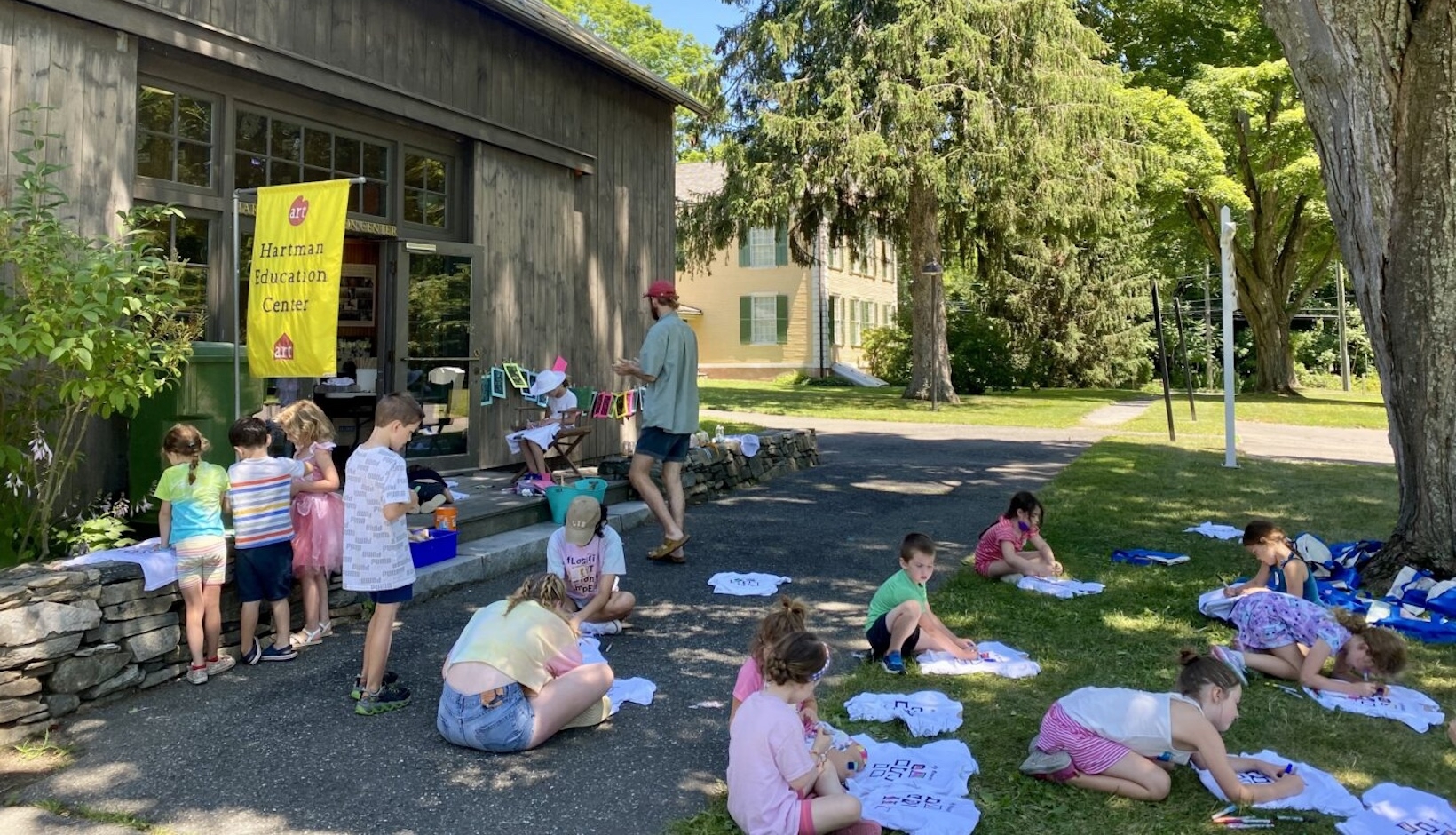
The Kelly Bill and John W. Hartman Education Center has been serving visitors of all ages since the summer of 1999. Designed by architect Frederick Biebesheimer of Interdesign, the Education Center is built on the exact site of a historic barn on the property. The interior is a light-filled, hands-on discovery center, studio, and performance space. The center provides an inviting atmosphere for children, families, and adults to use their imaginations and hands to experience the world of art, history, literature, and nature.
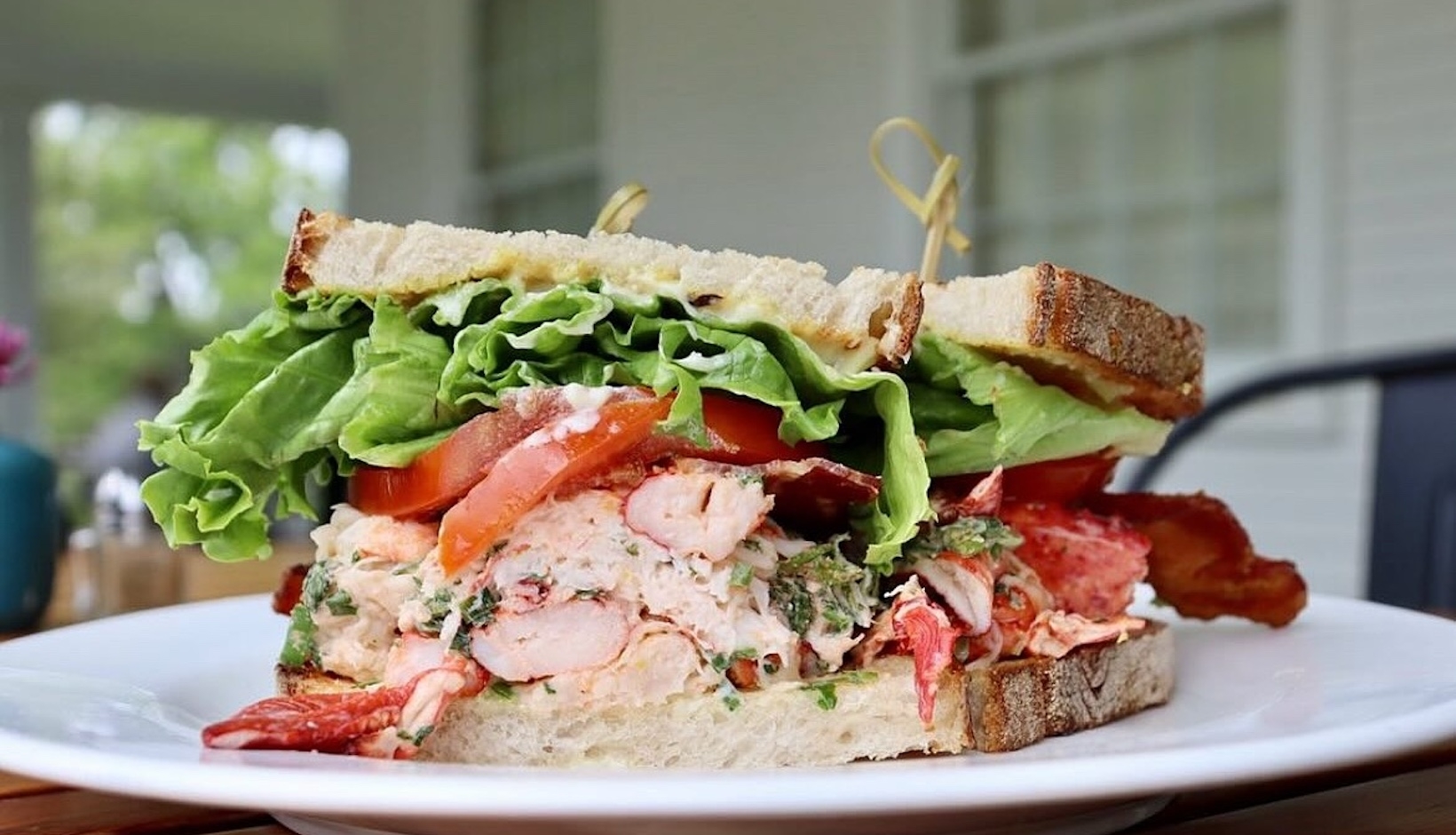
Visitors can enjoy a lovely lunch at award-winning Café Flo, located on the veranda overlooking the Lieutenant River. Seasonal, local-inspired cuisine, desserts, wine and cocktails. Delicious and inventive dishes are prepared by Gourmet Galley.