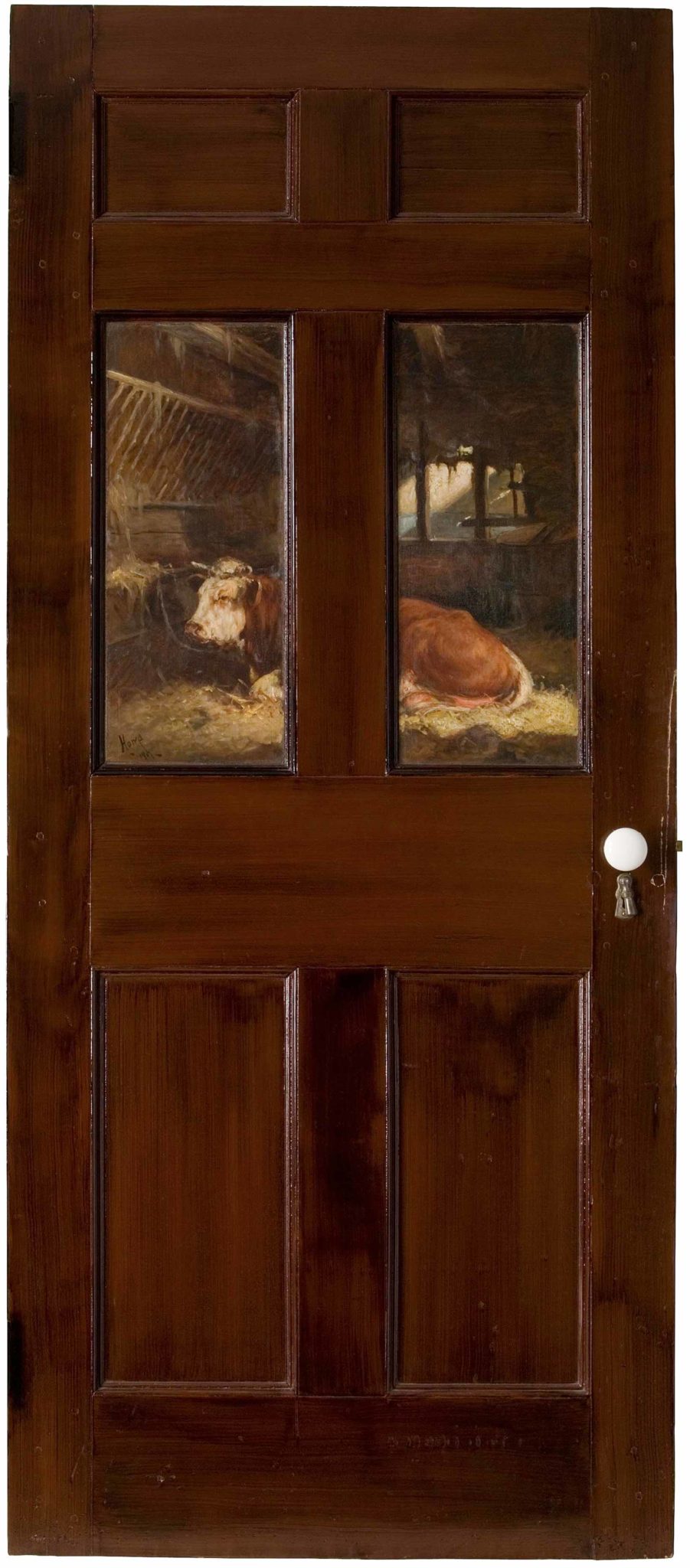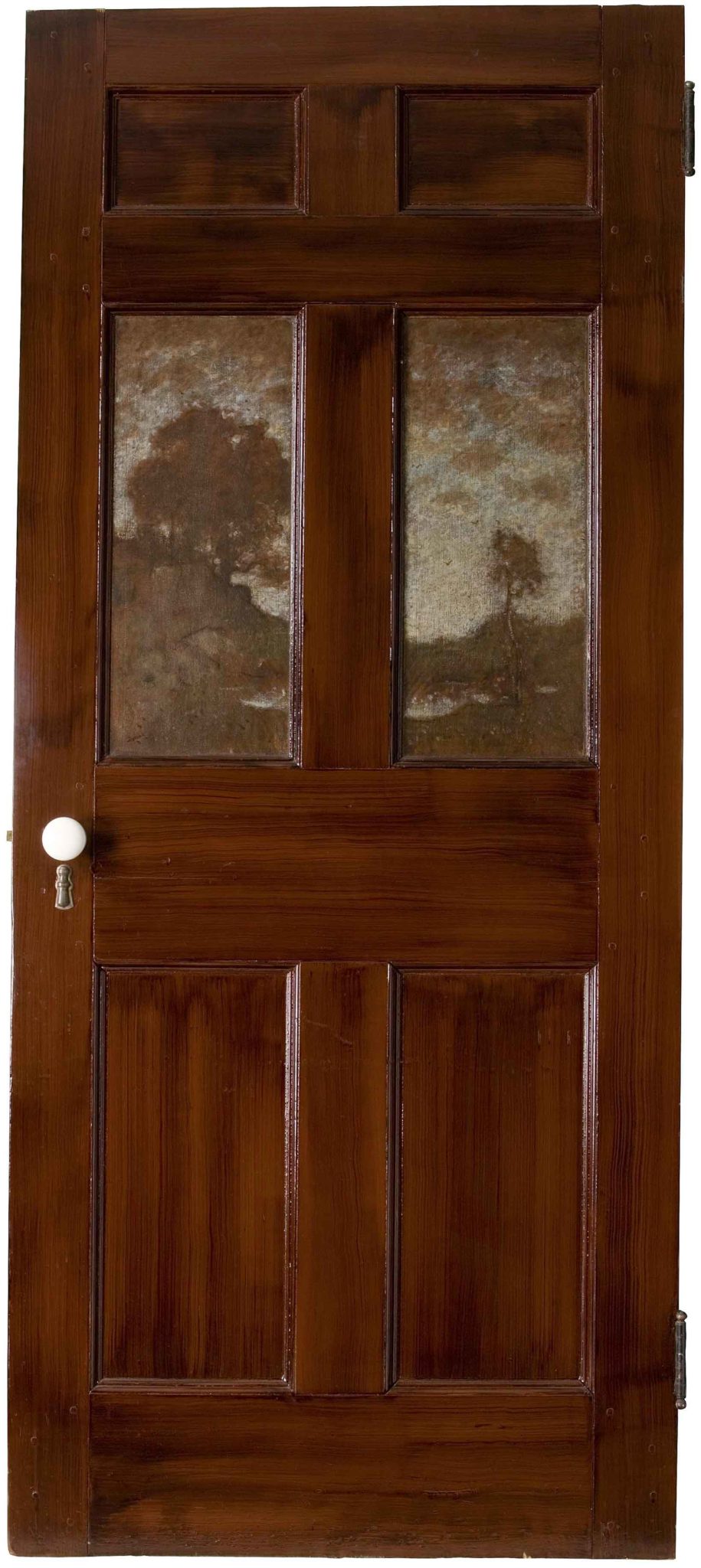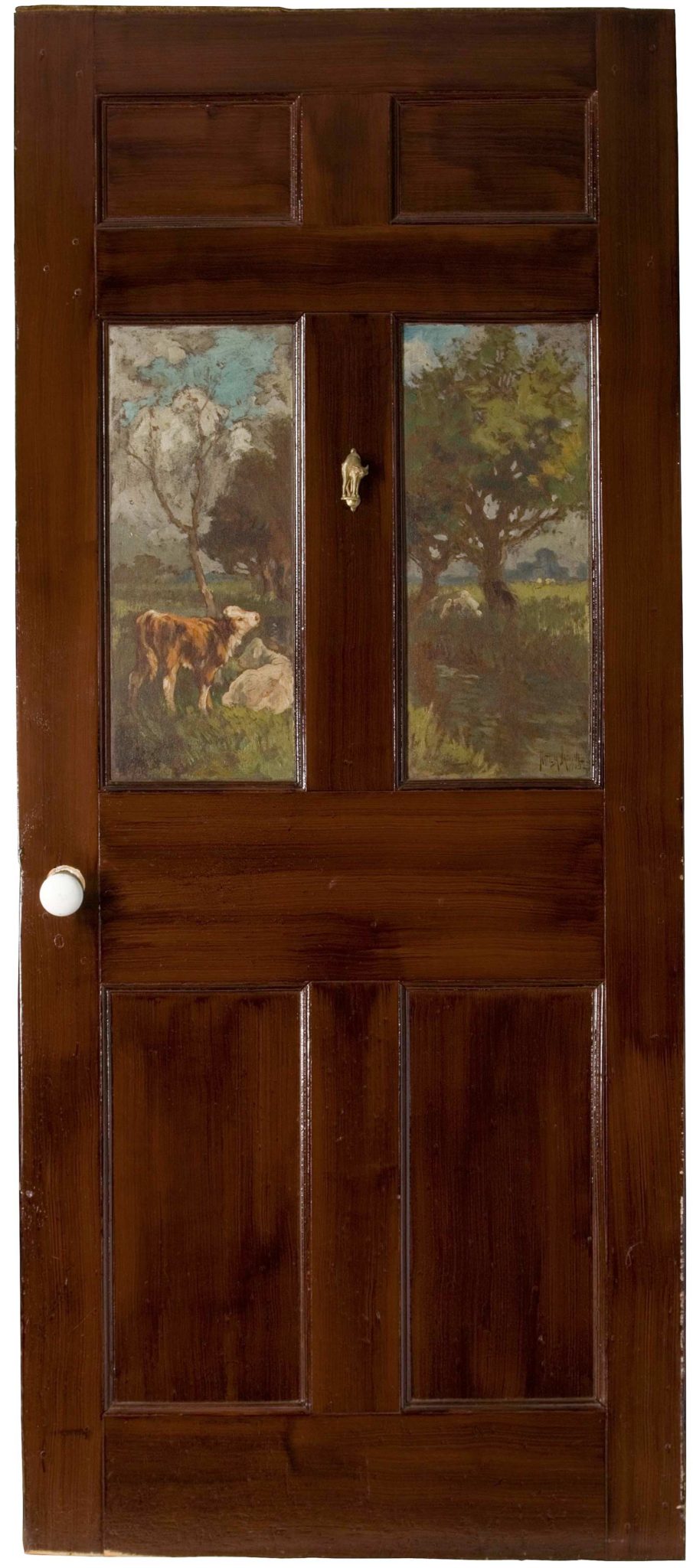
Griswold House Painted Panels
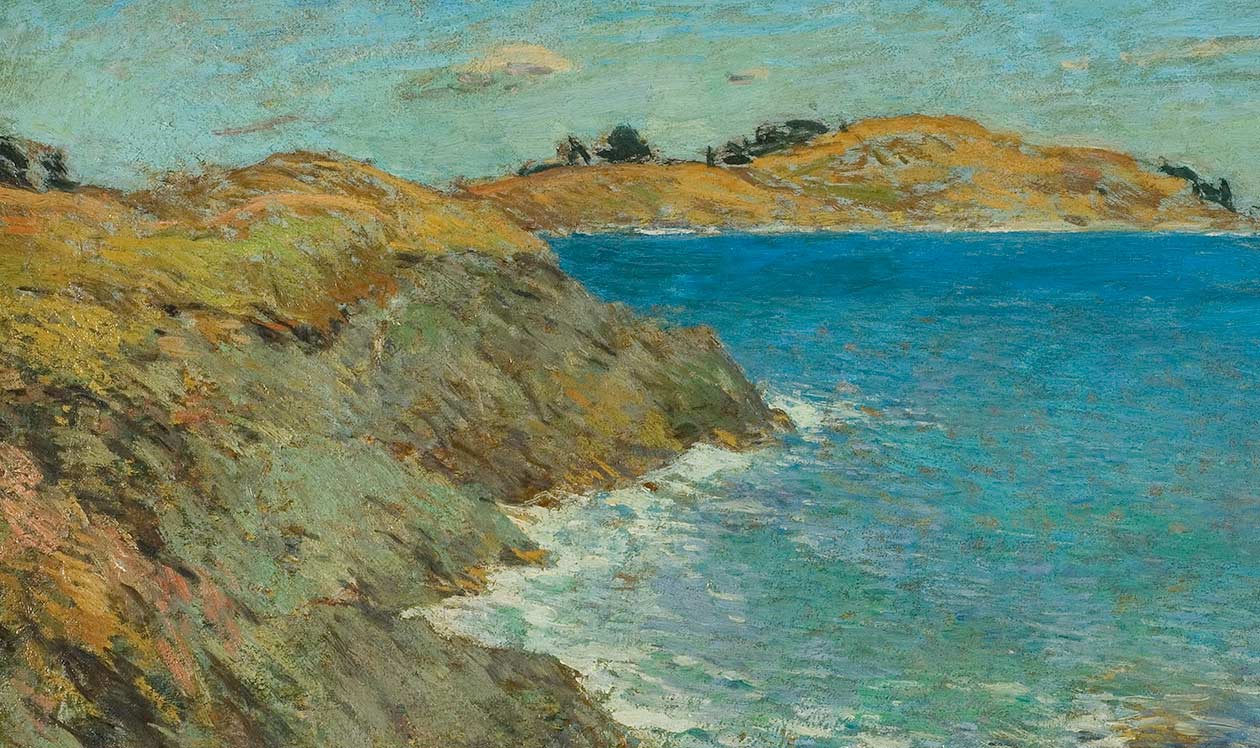
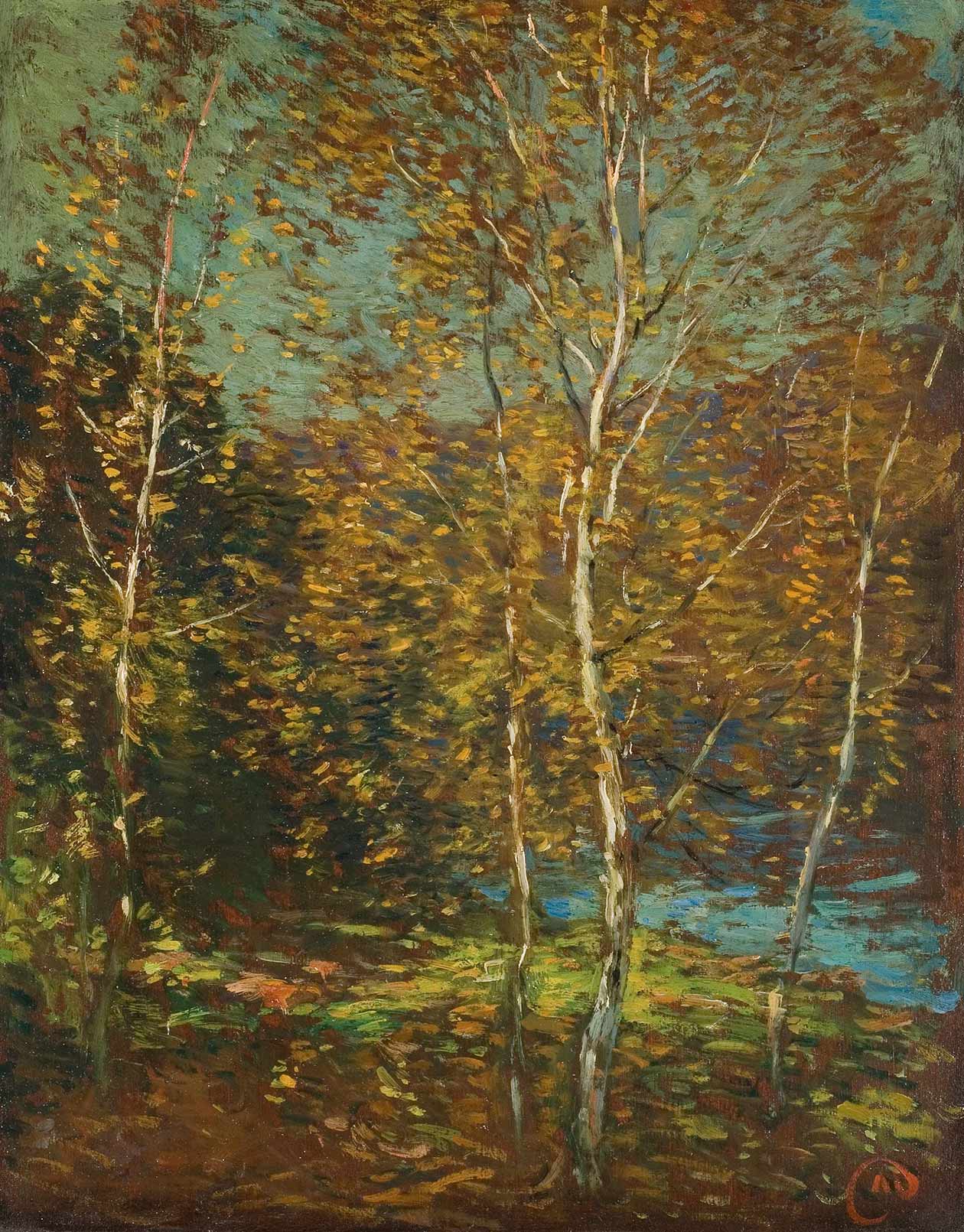
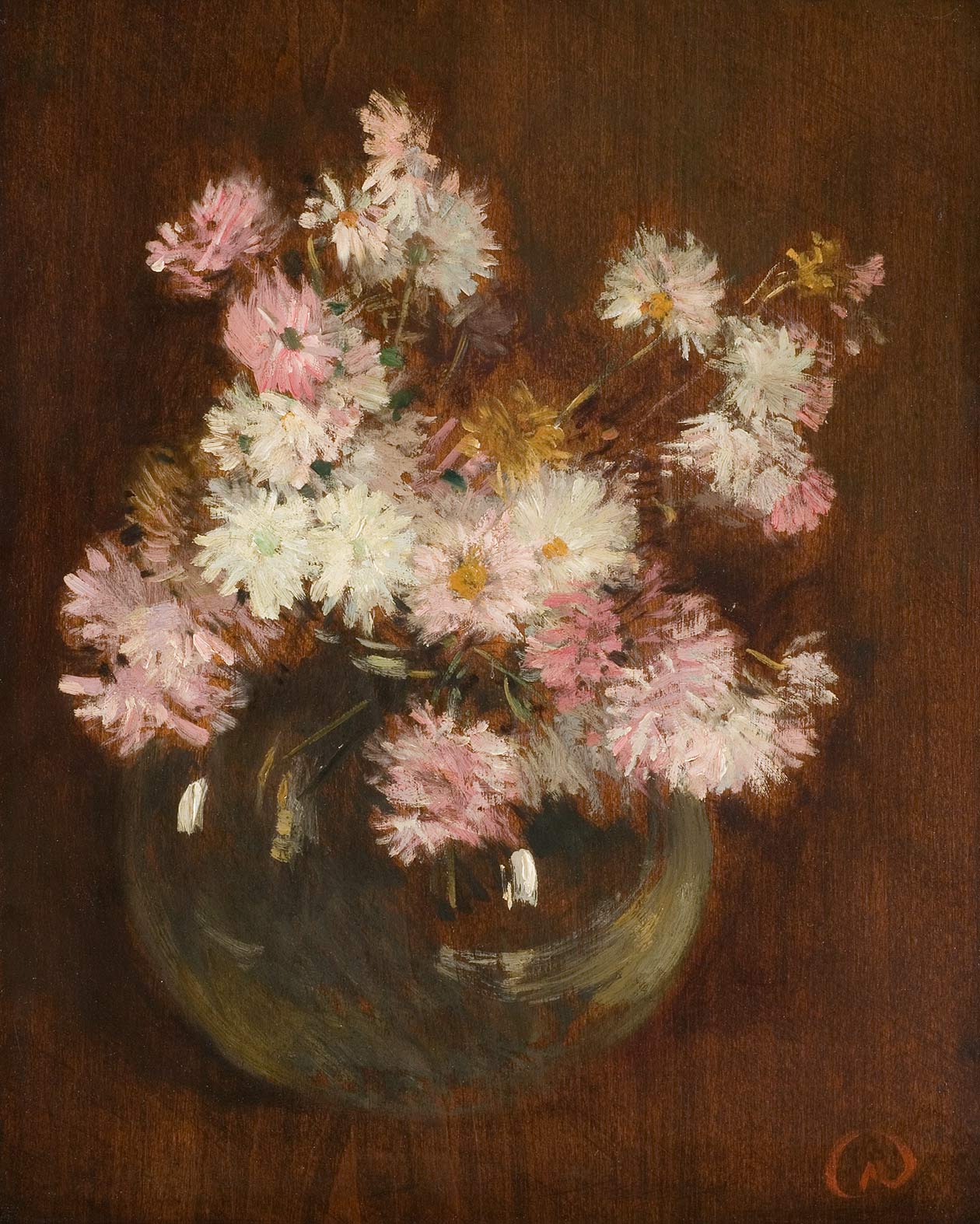
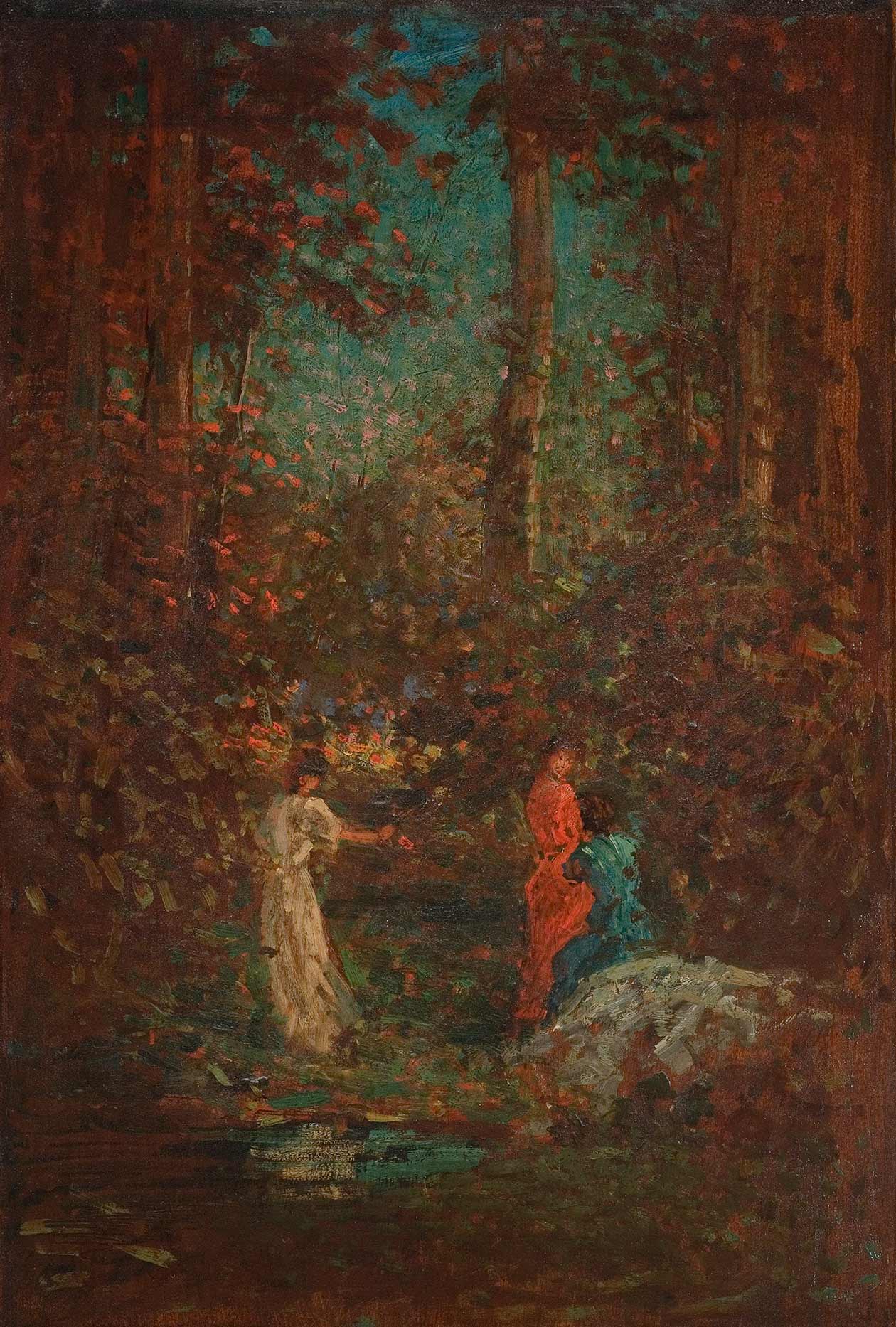
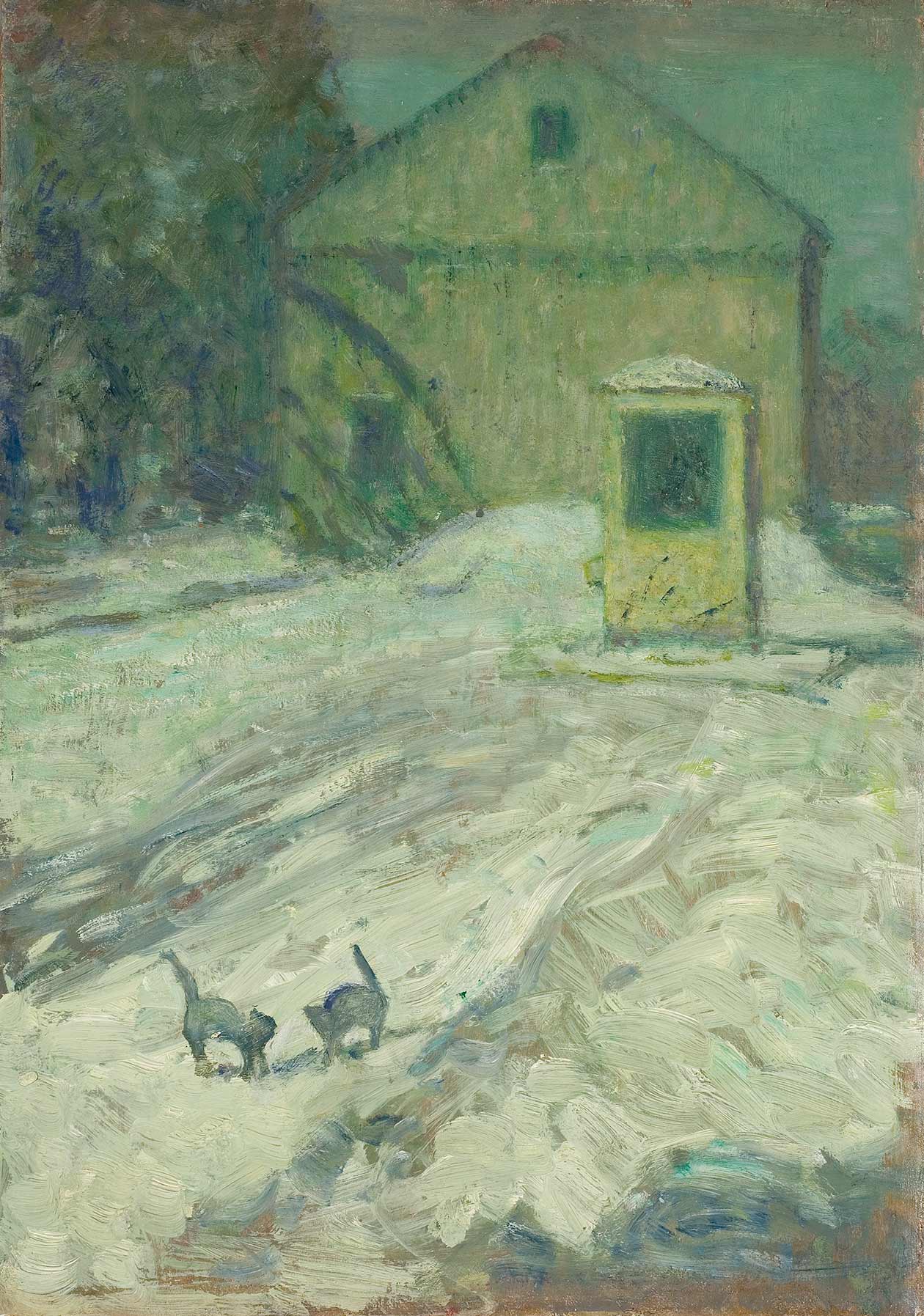
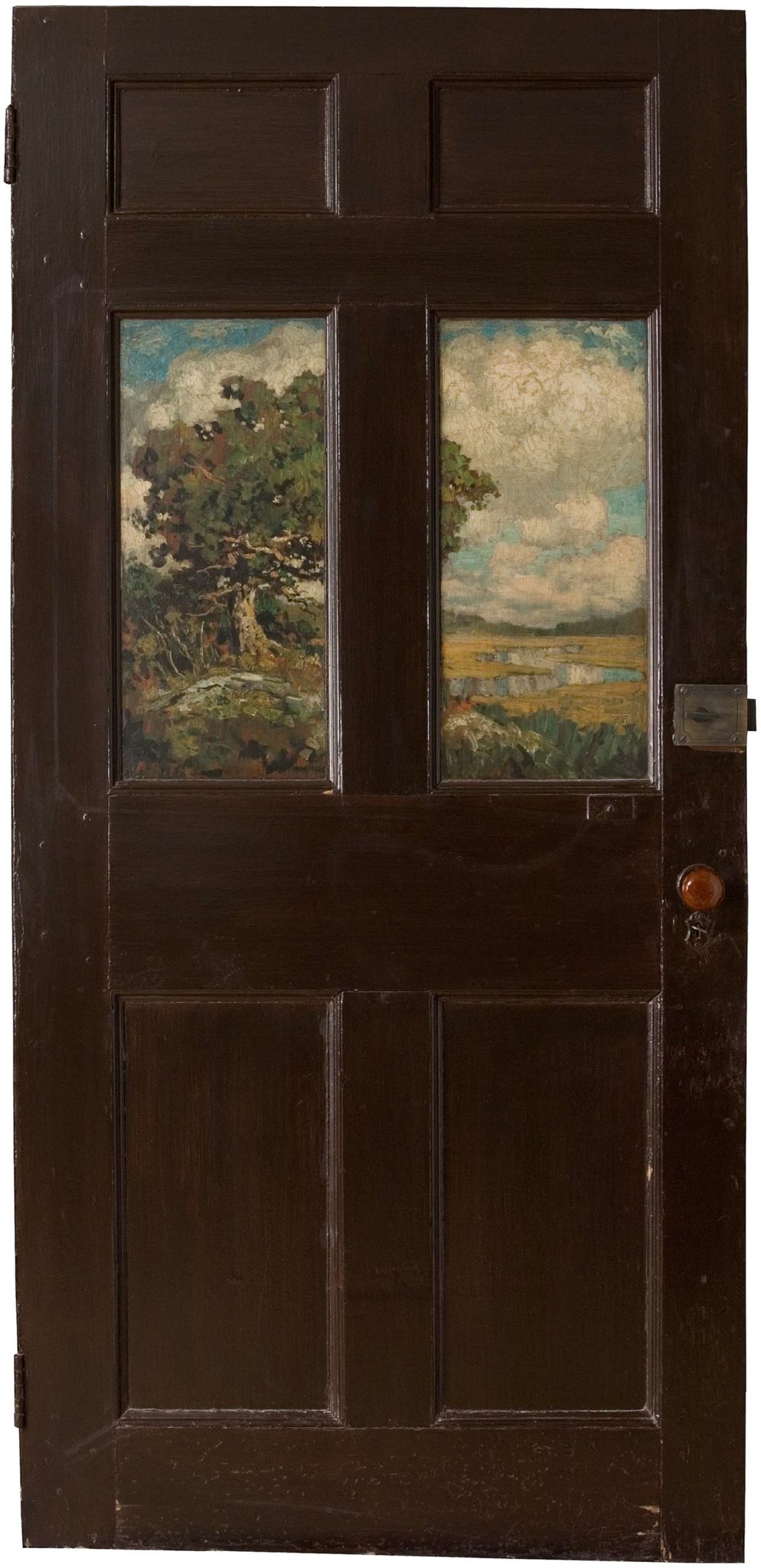
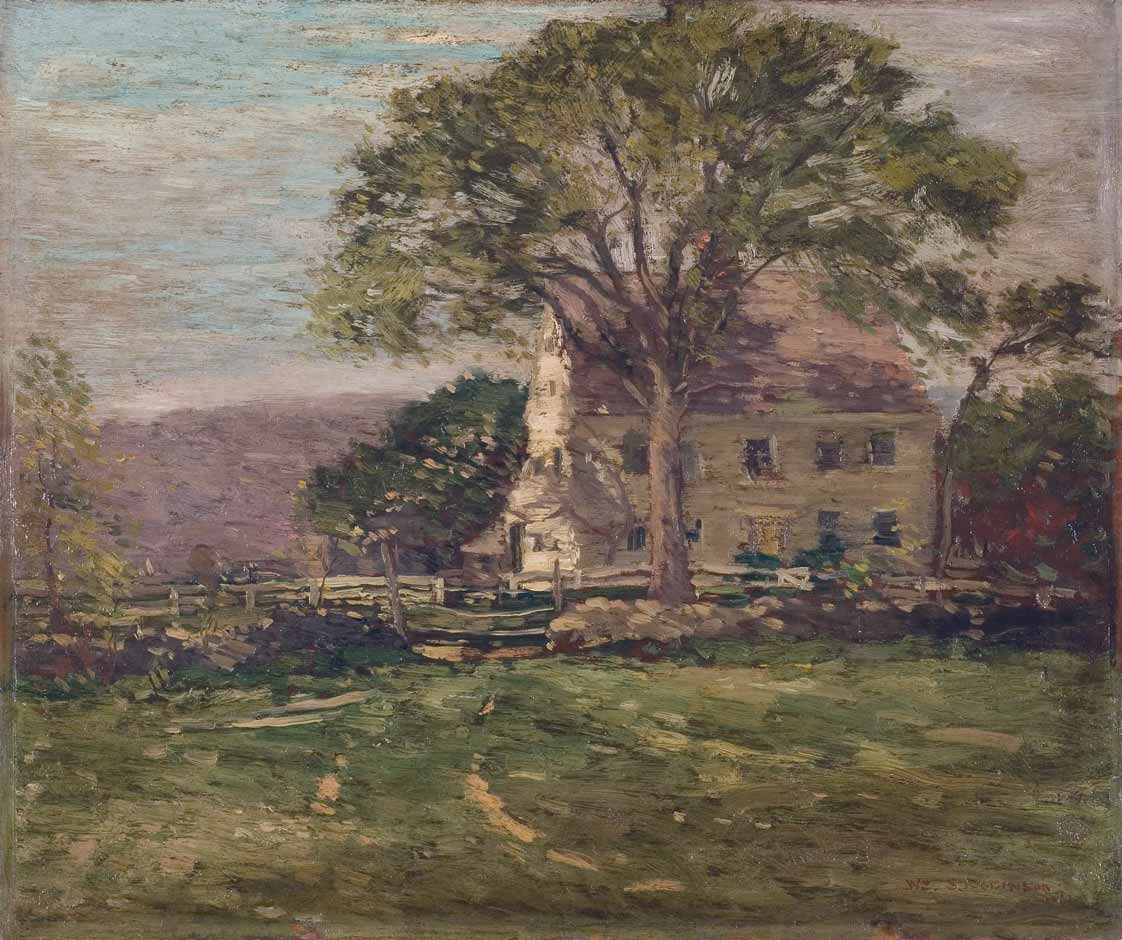
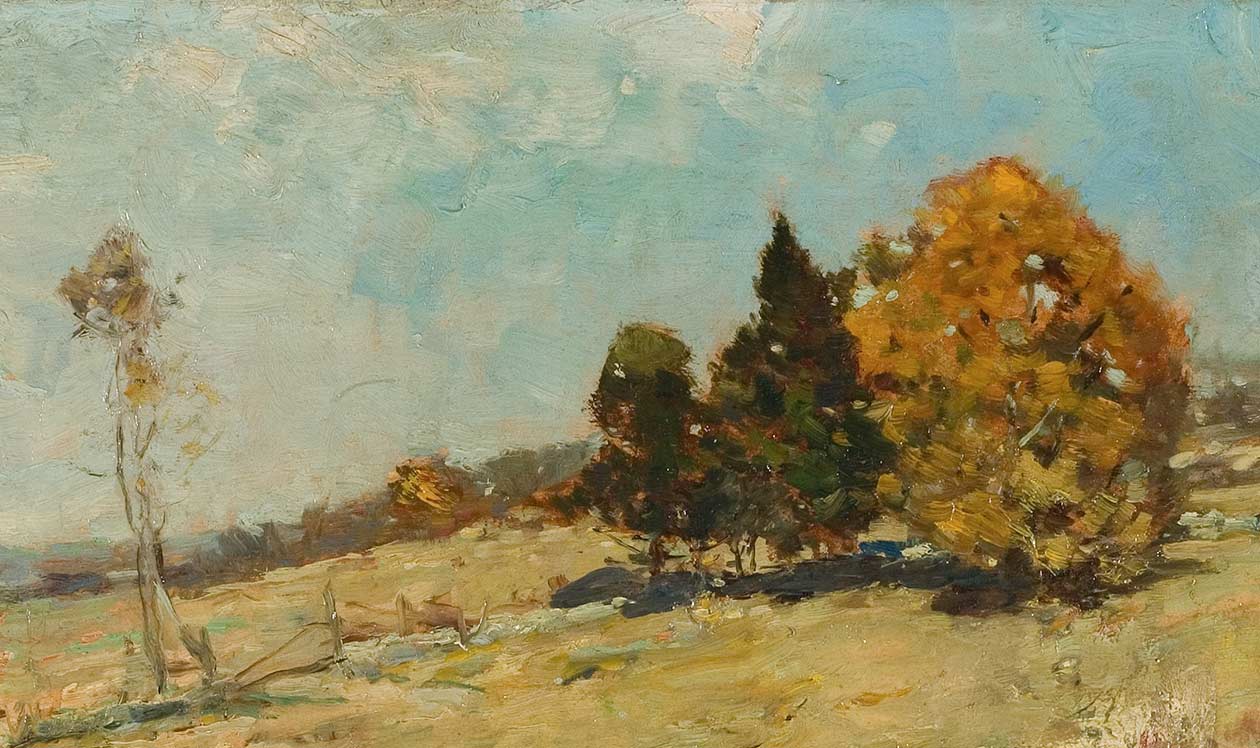
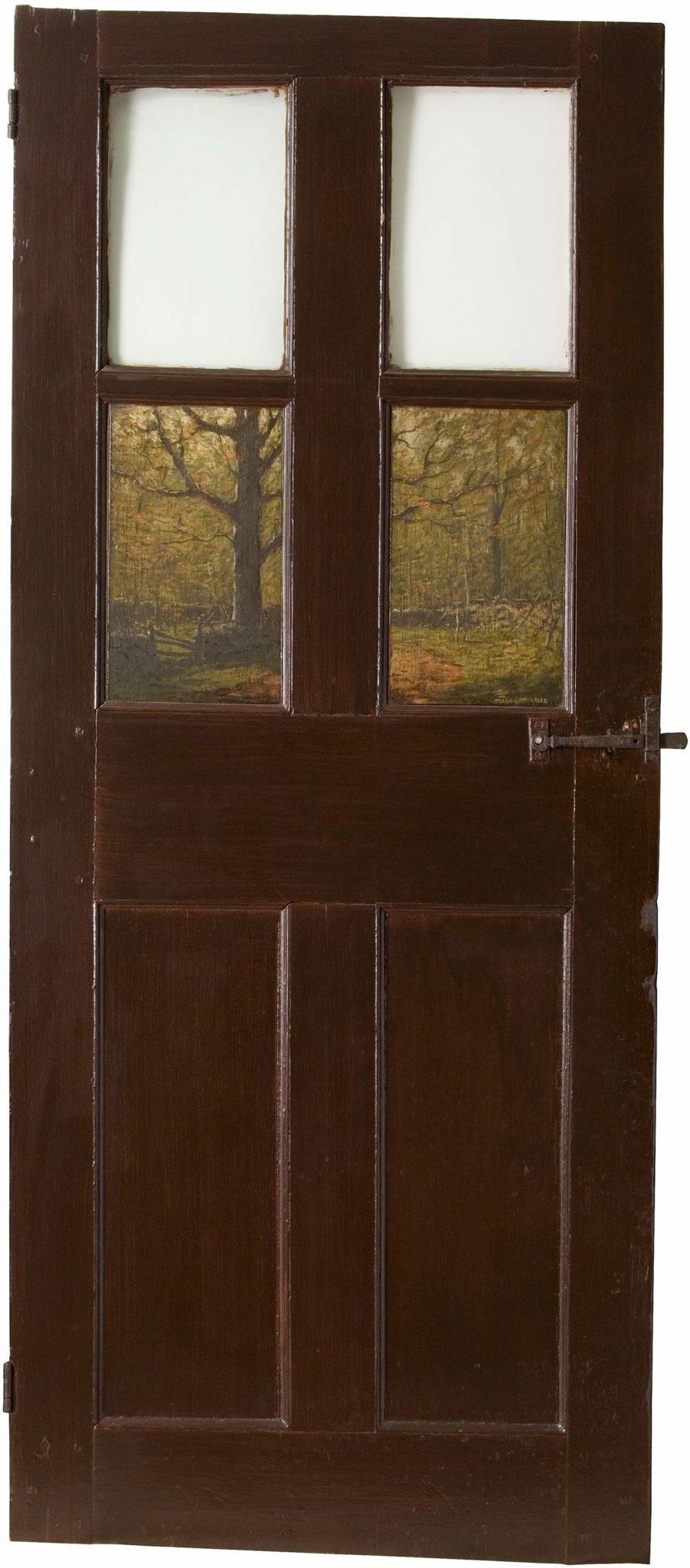
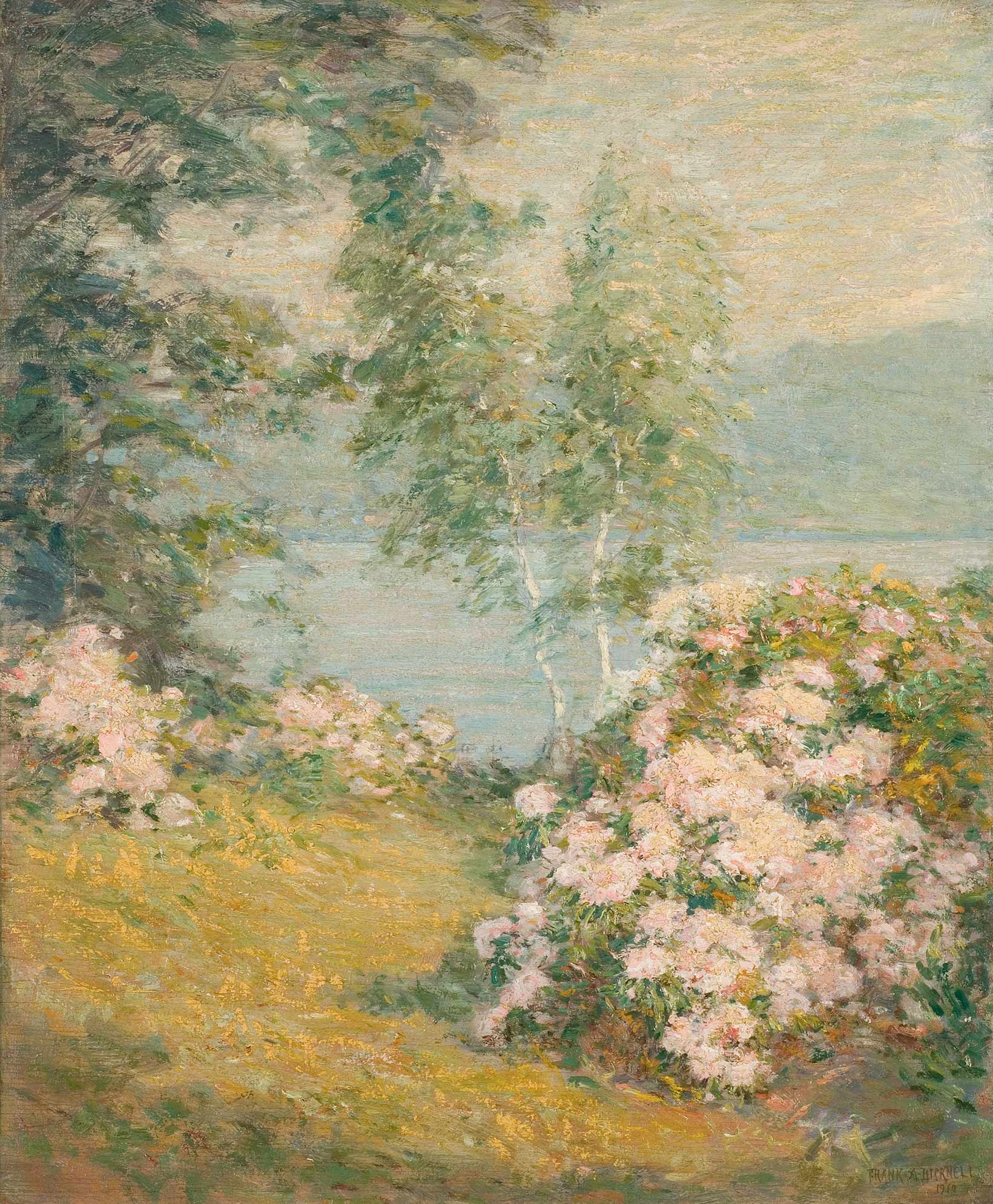
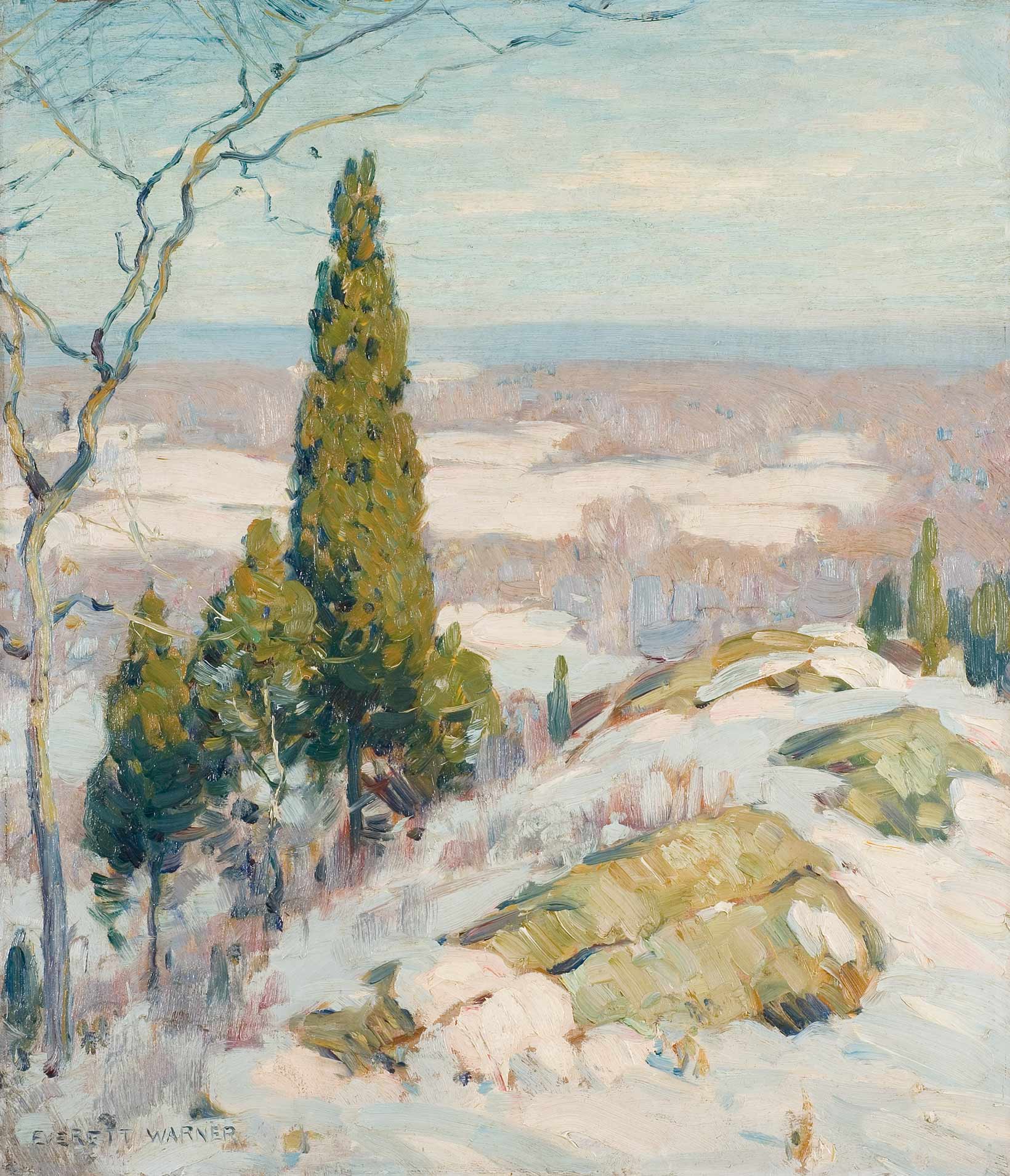
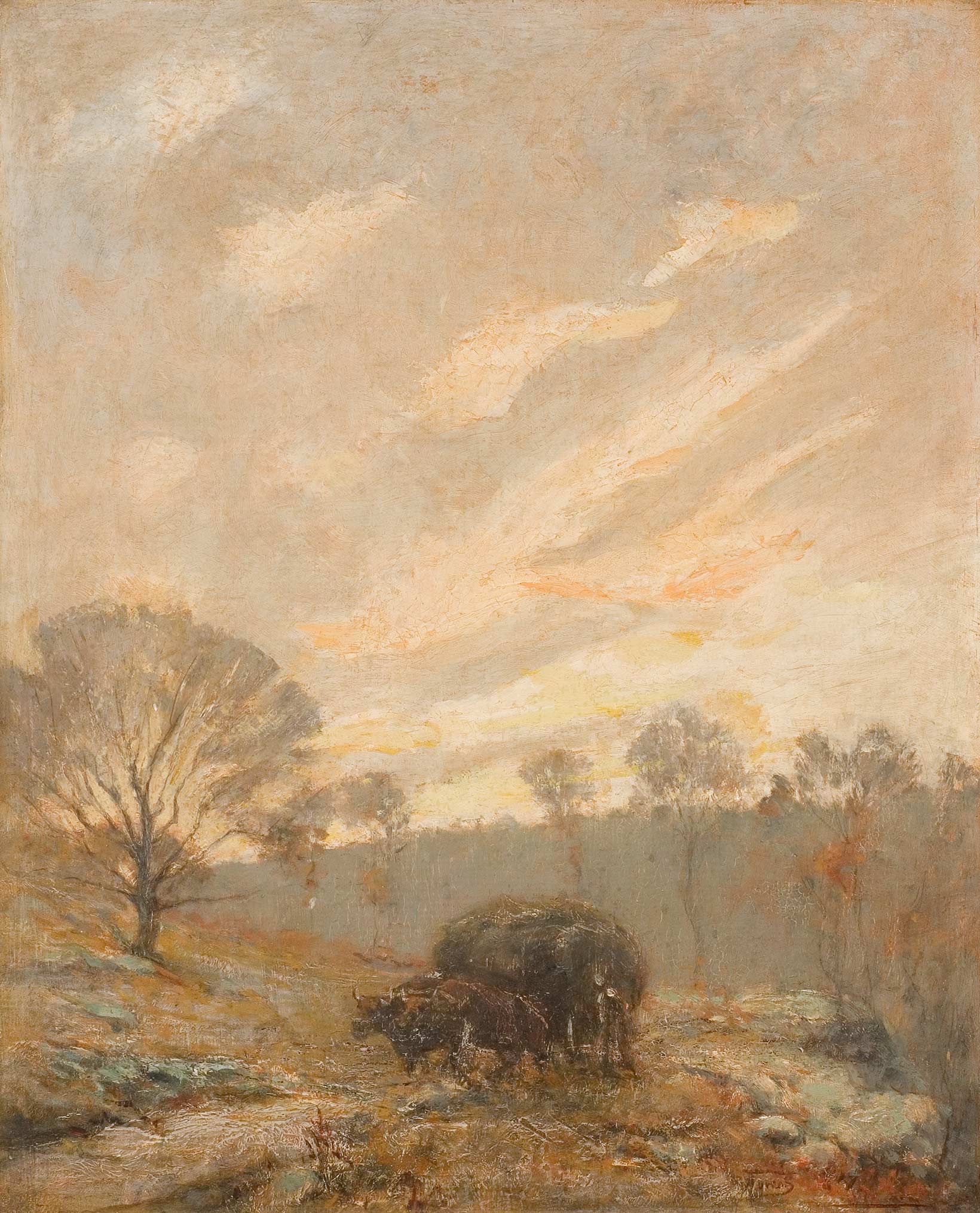
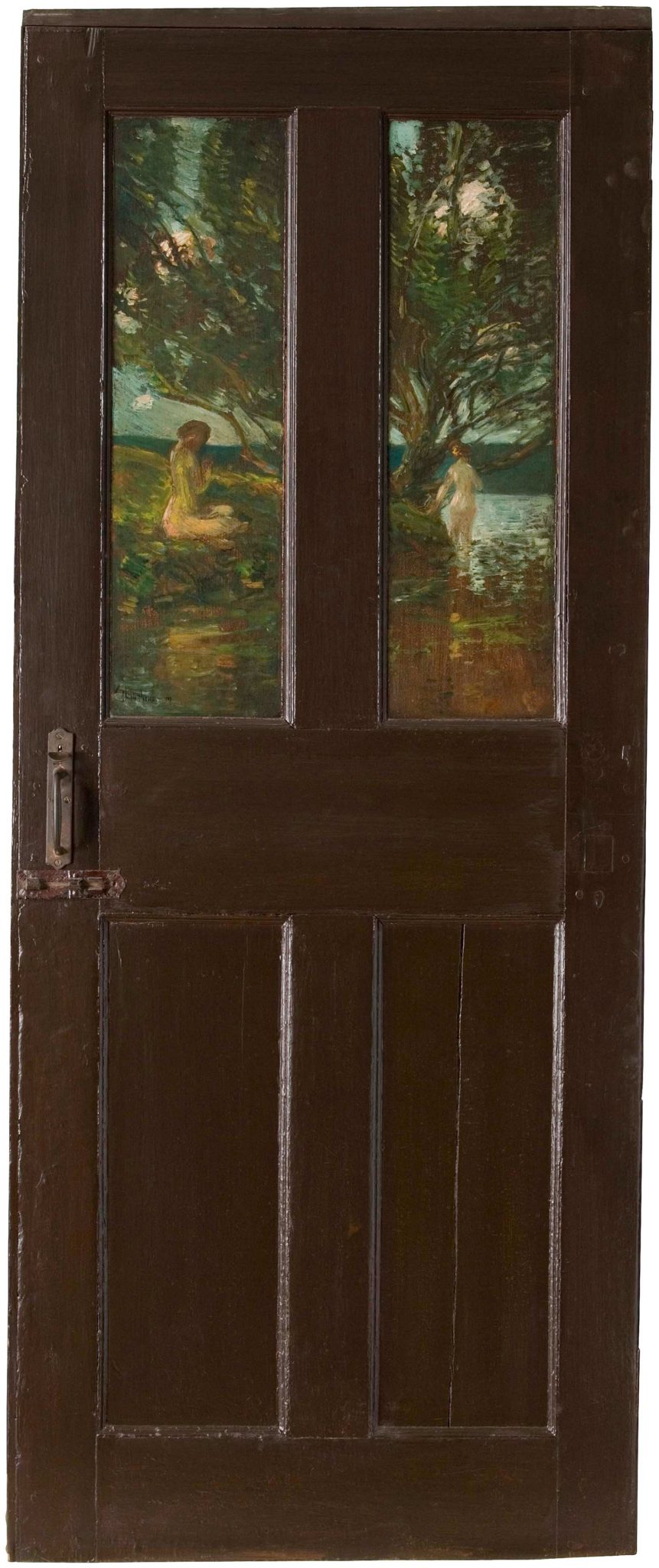
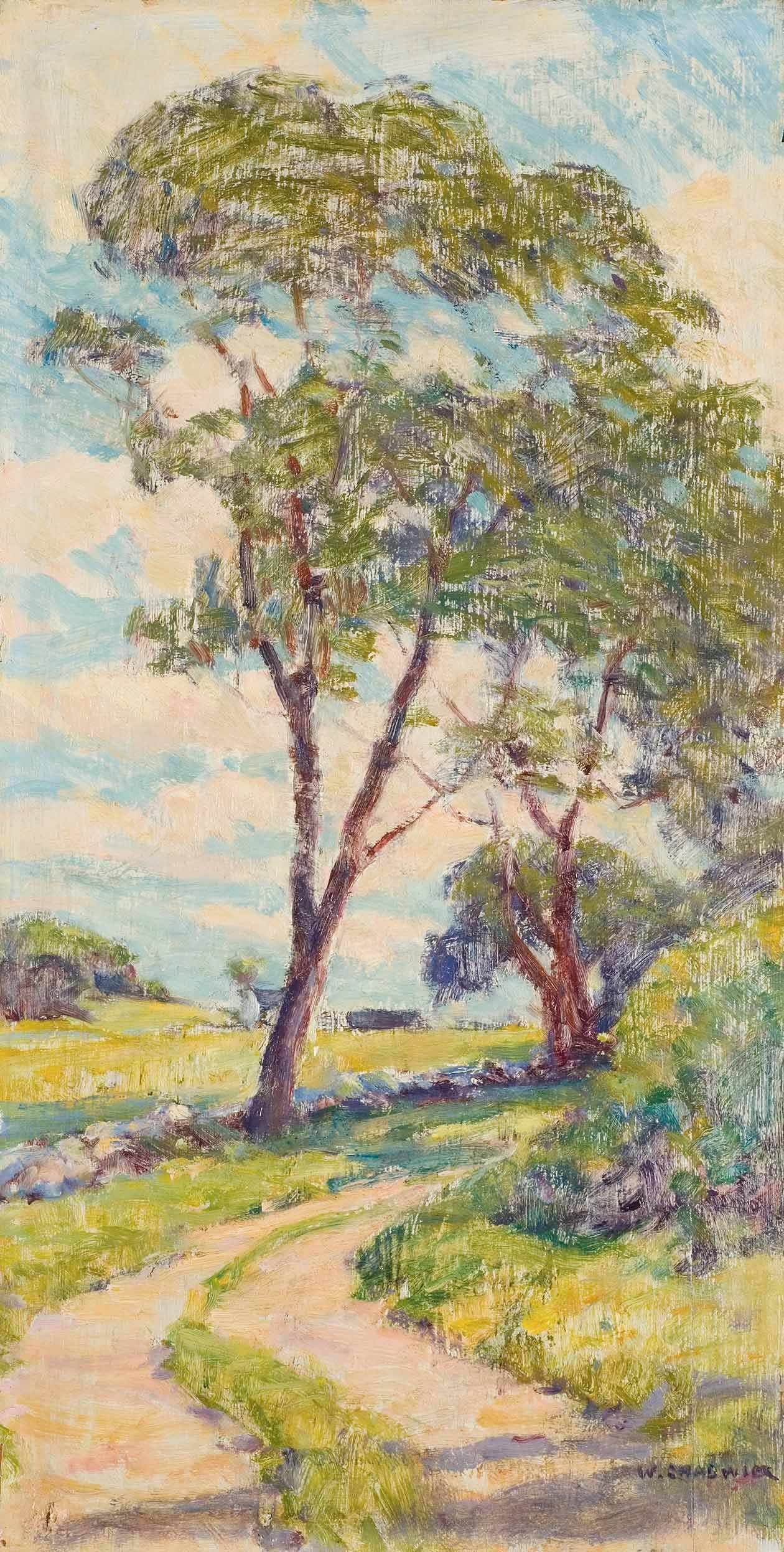
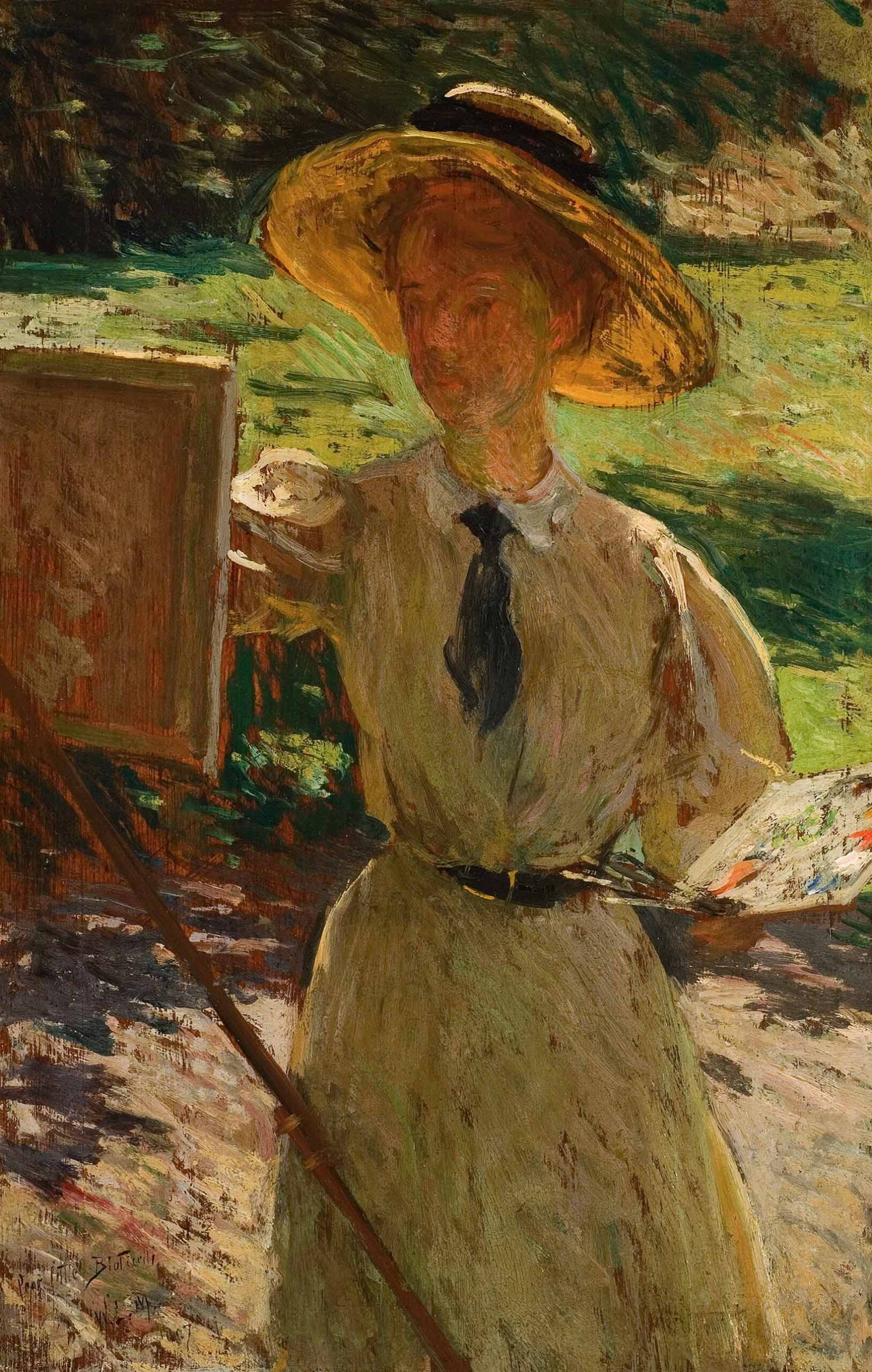
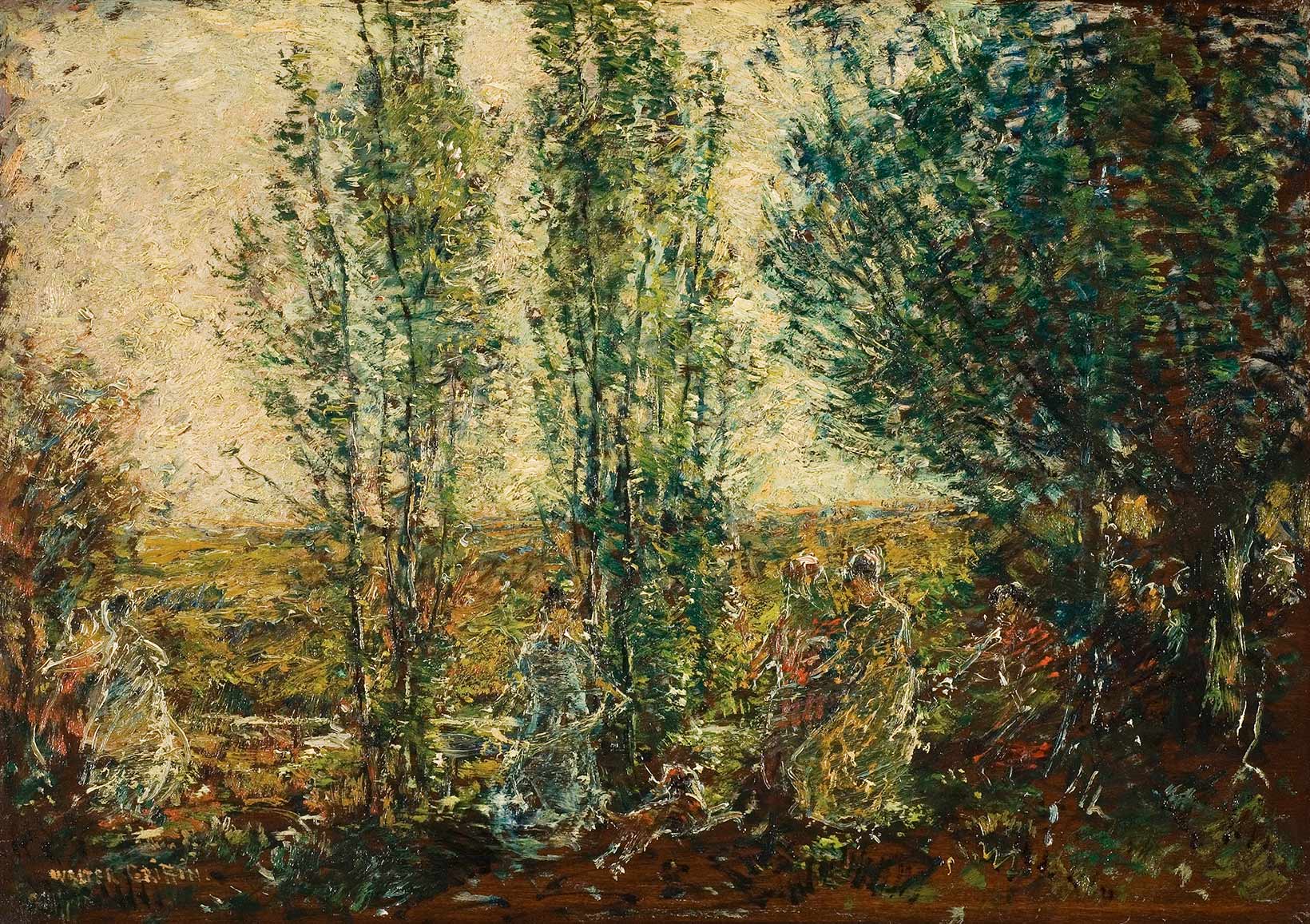
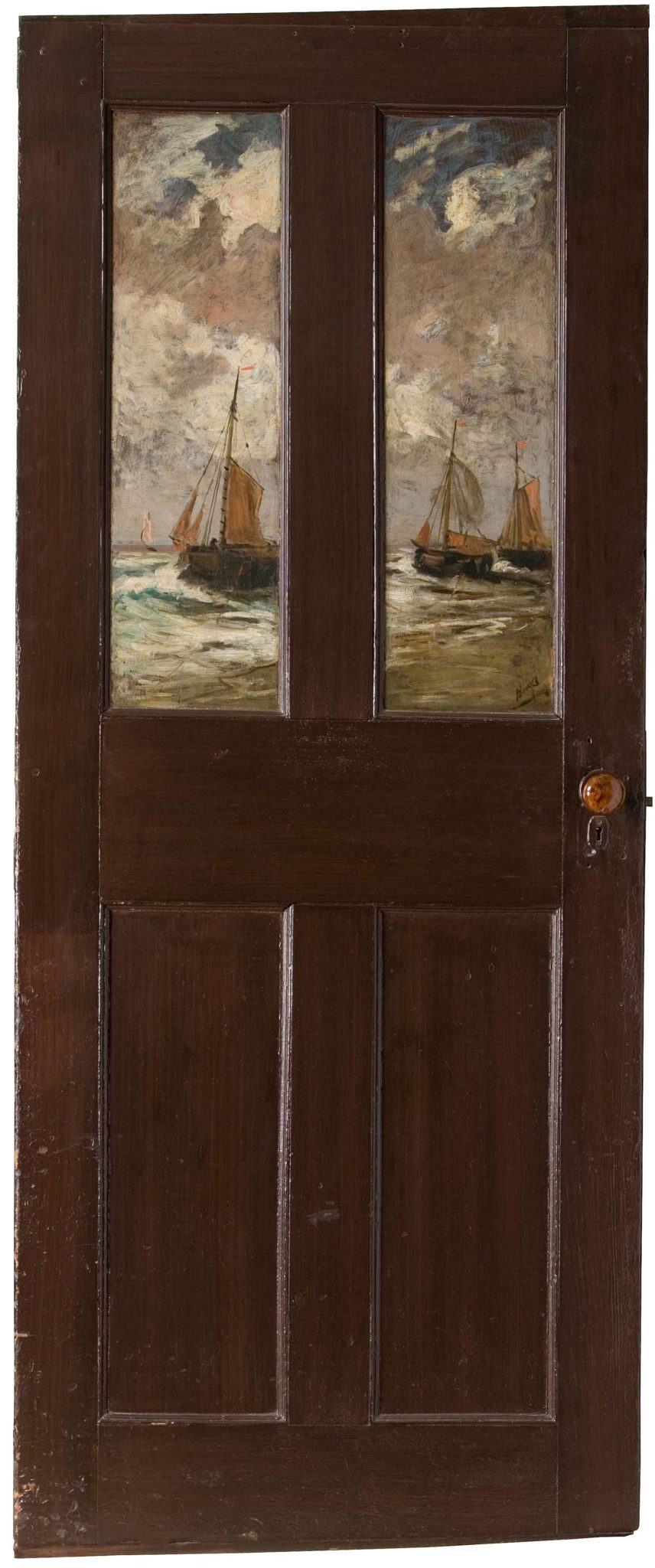
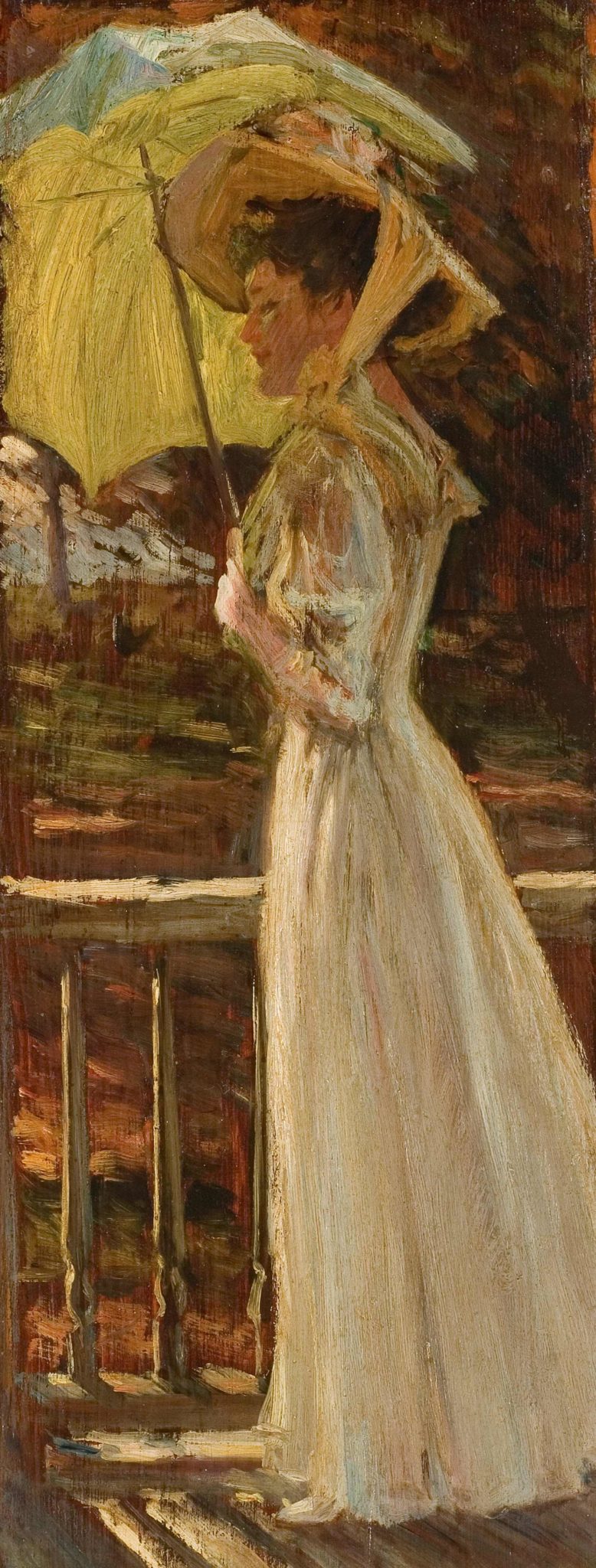
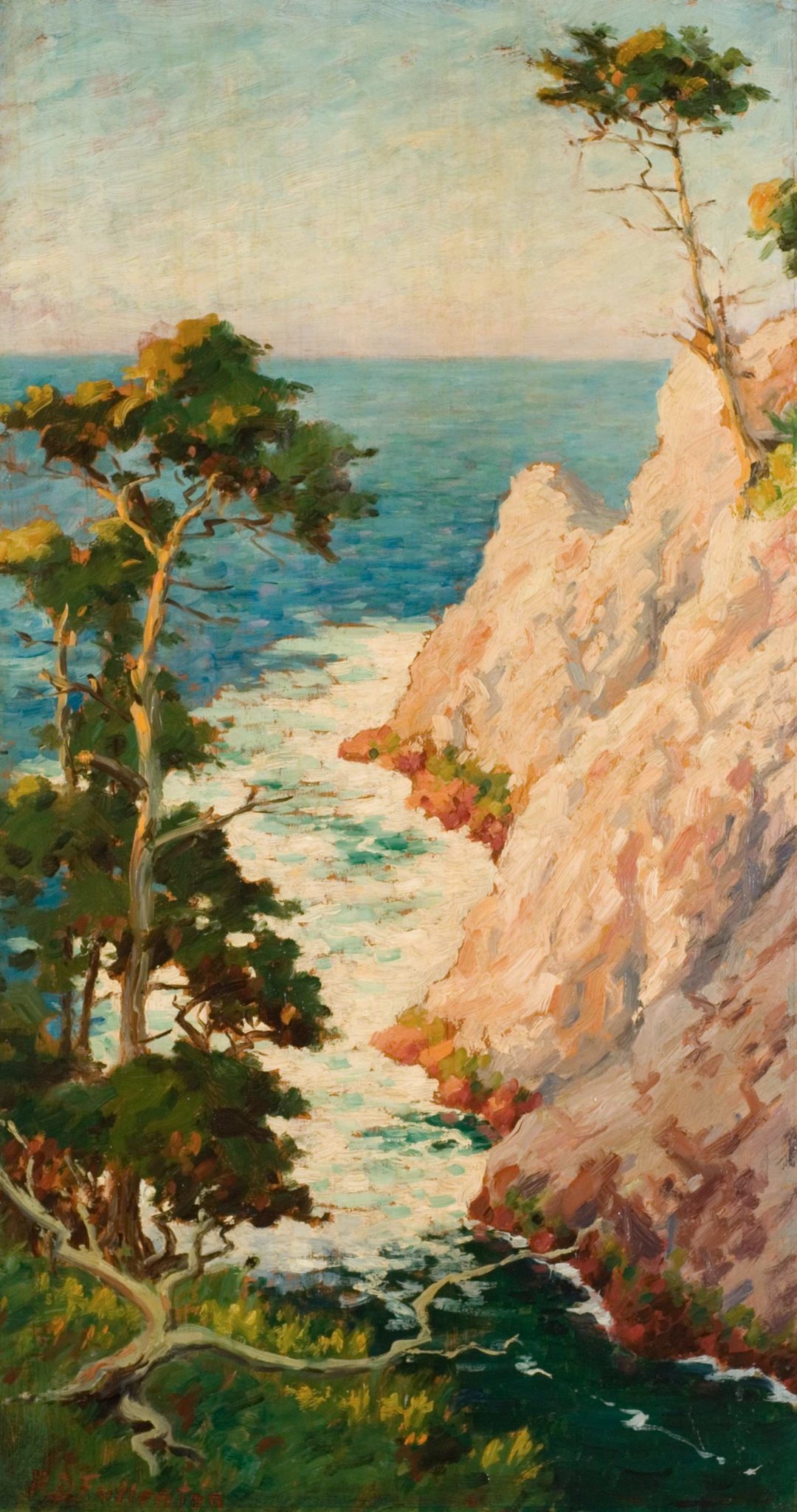
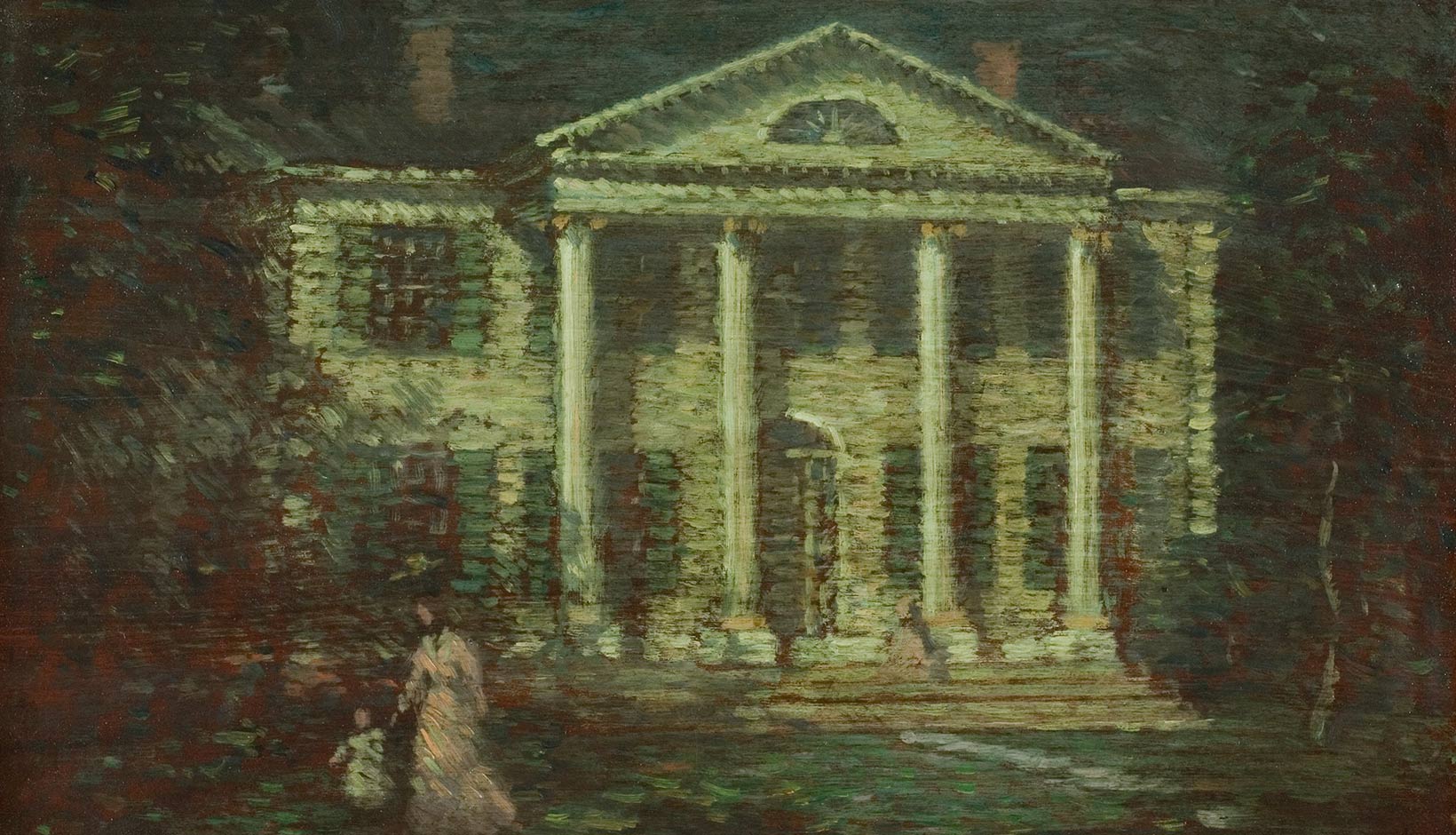
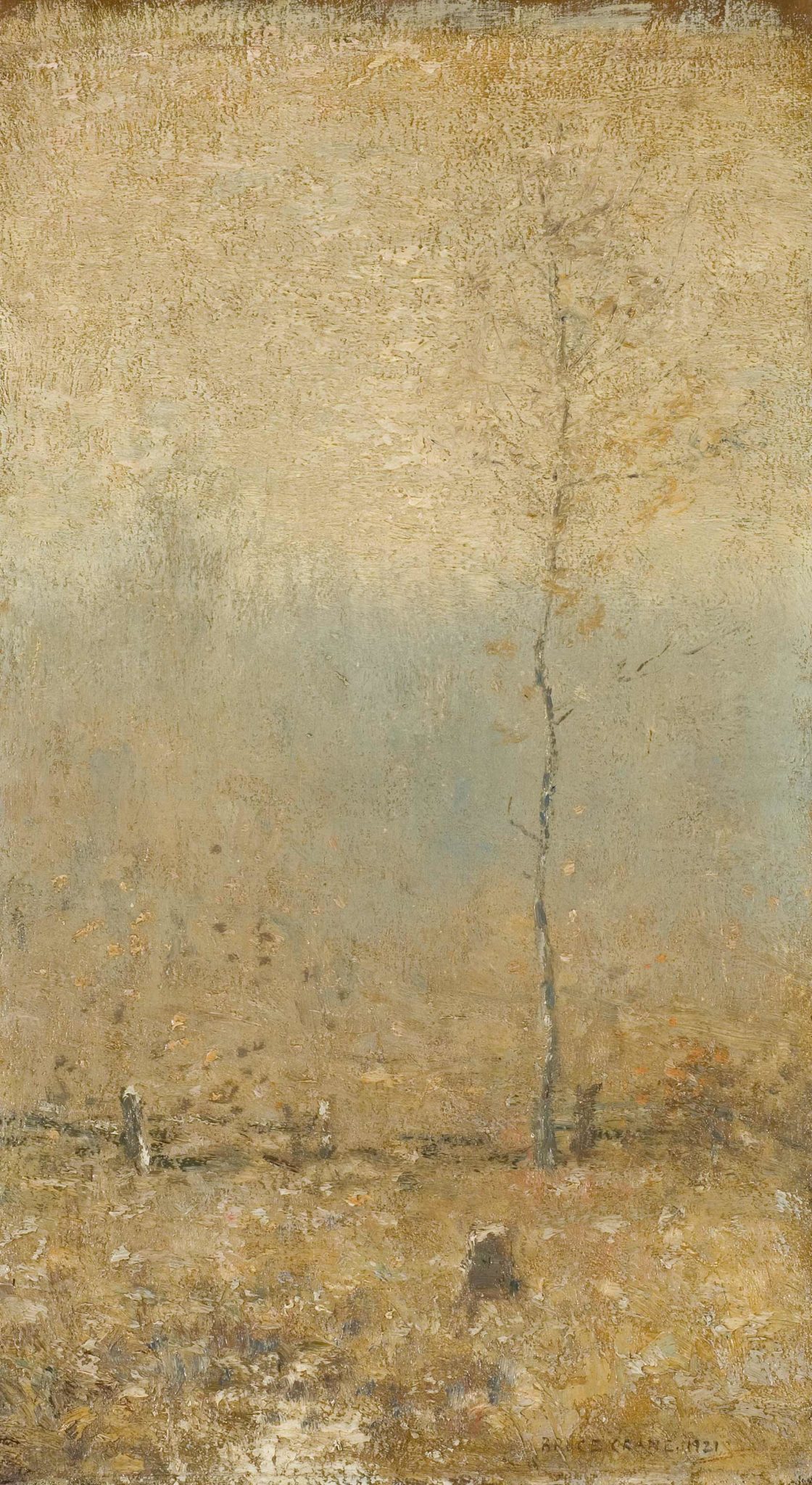
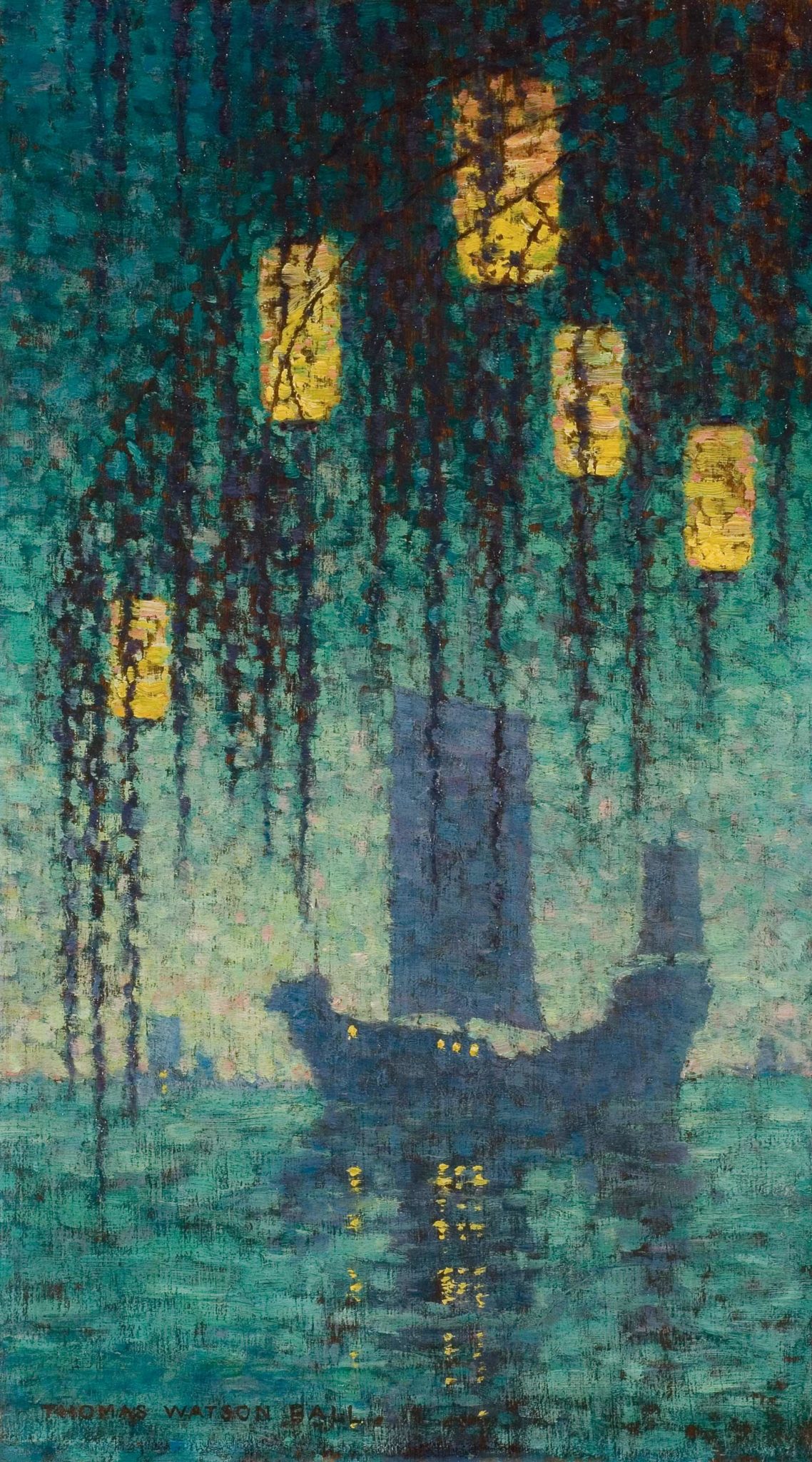
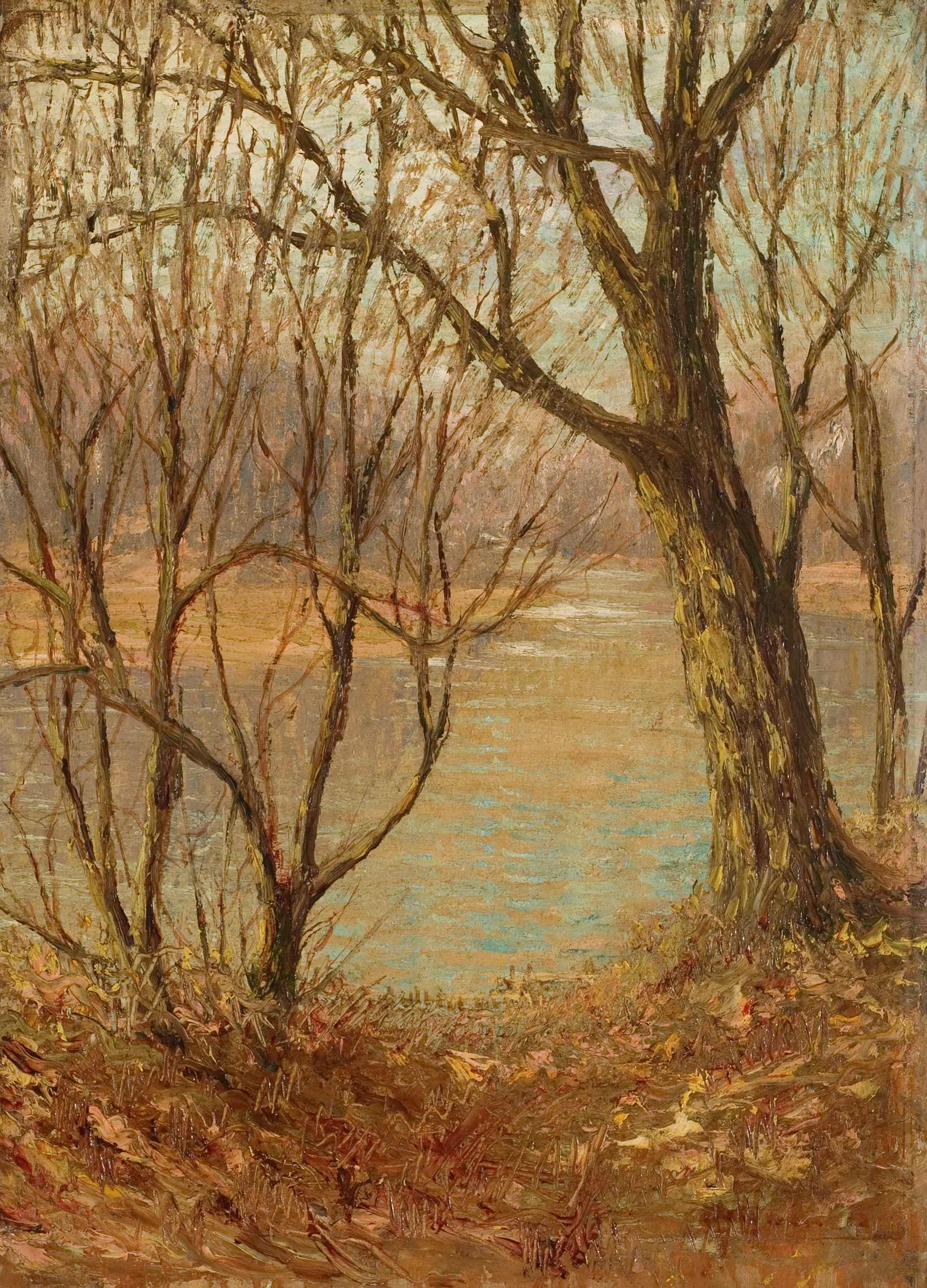
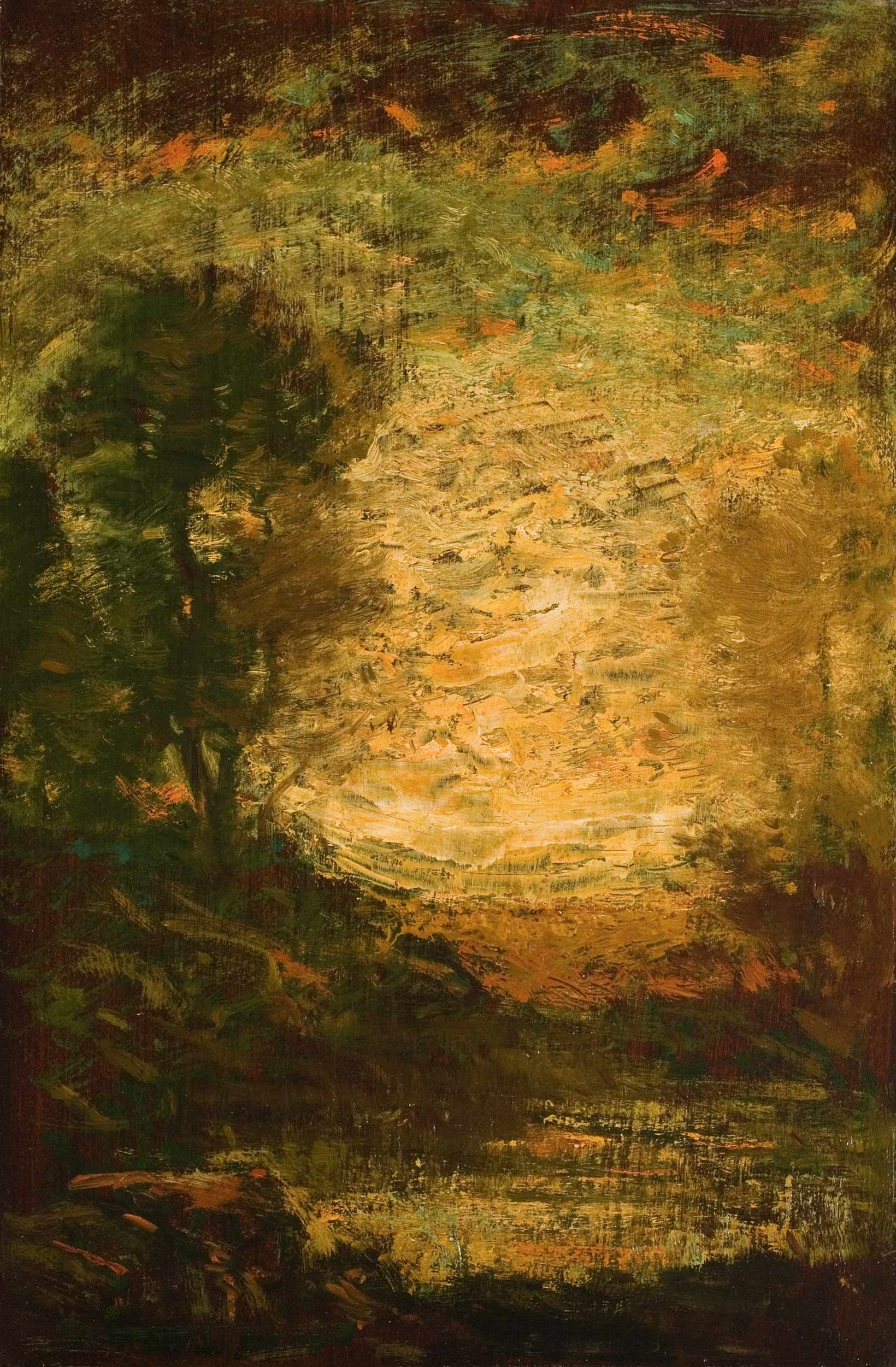
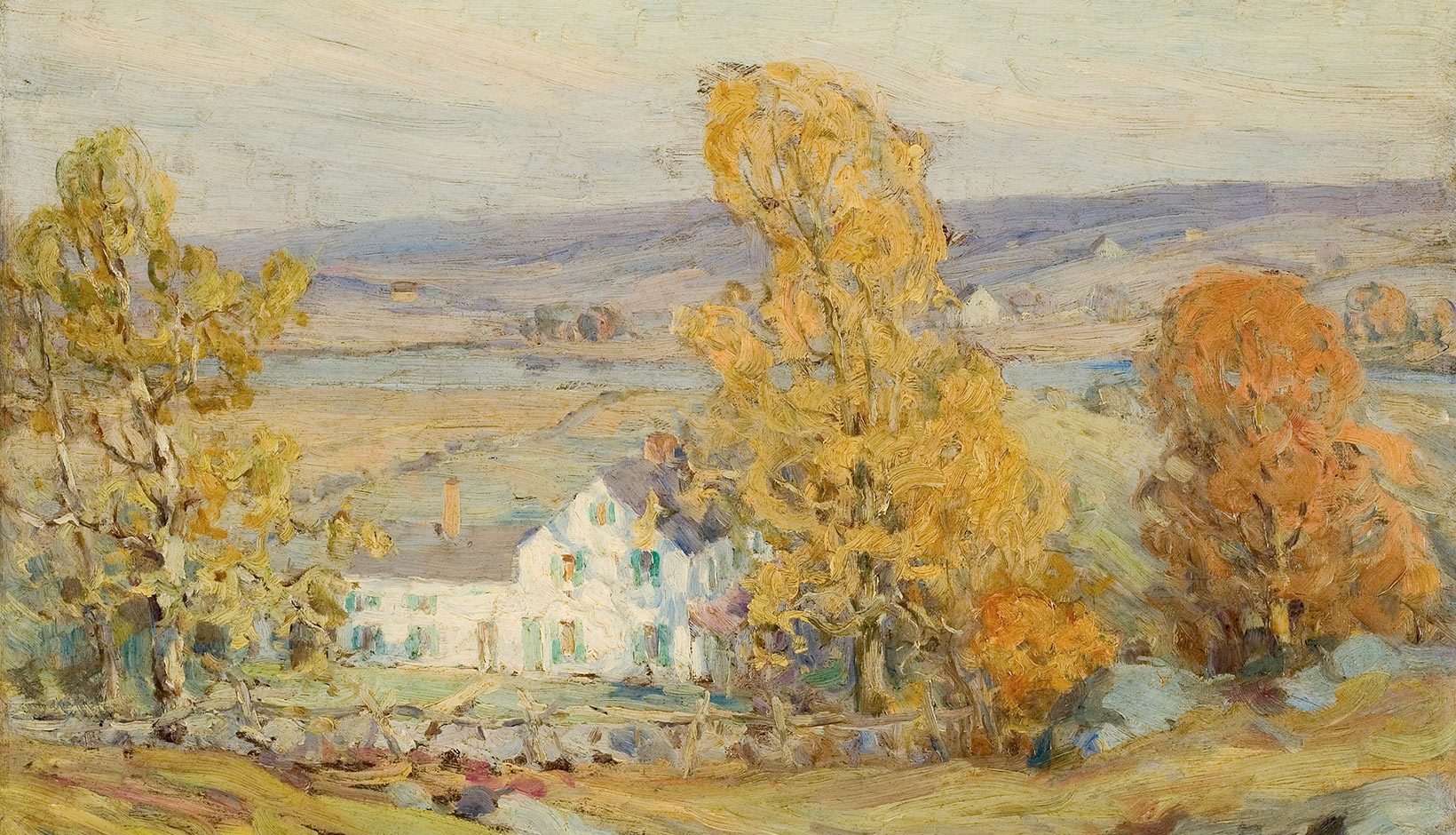
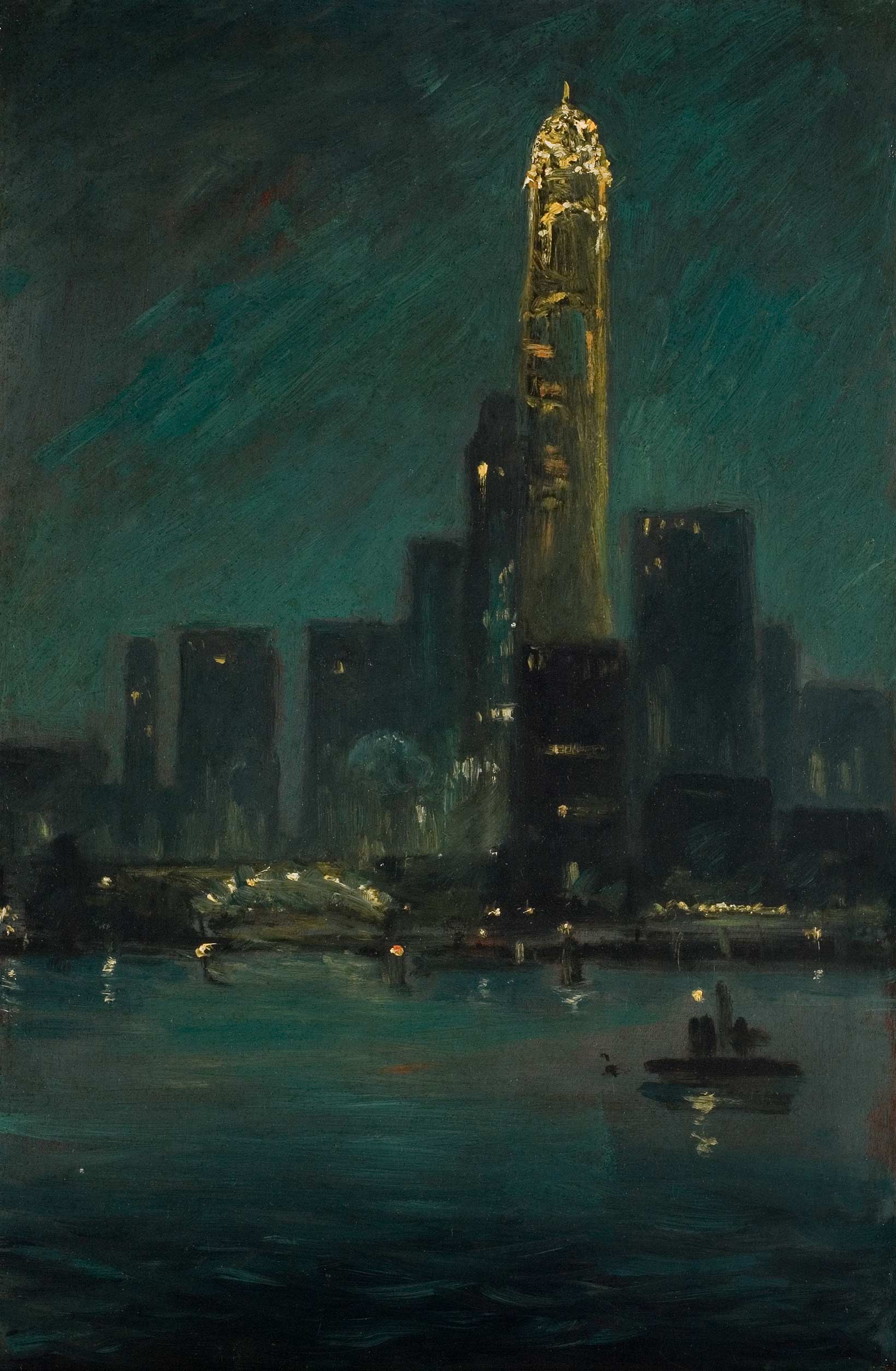
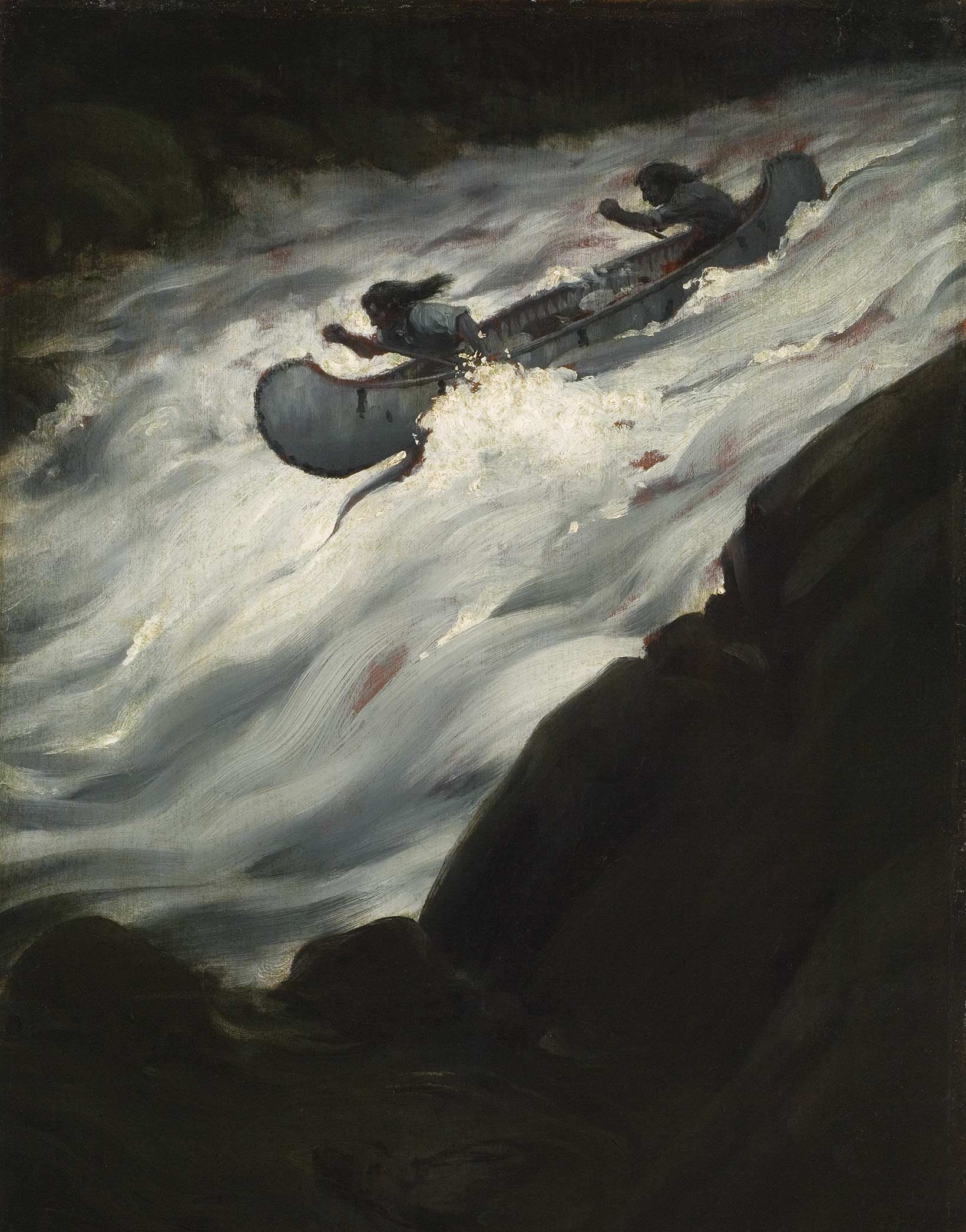
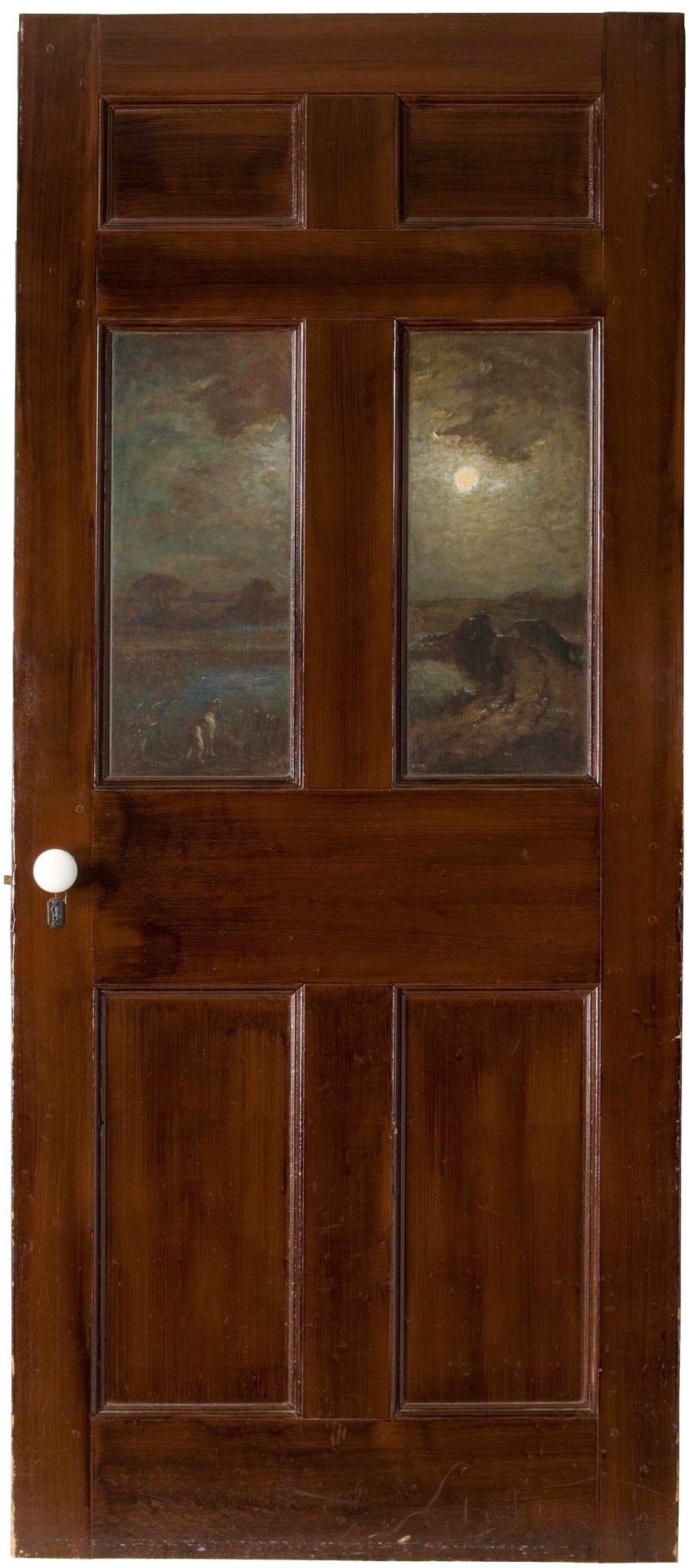
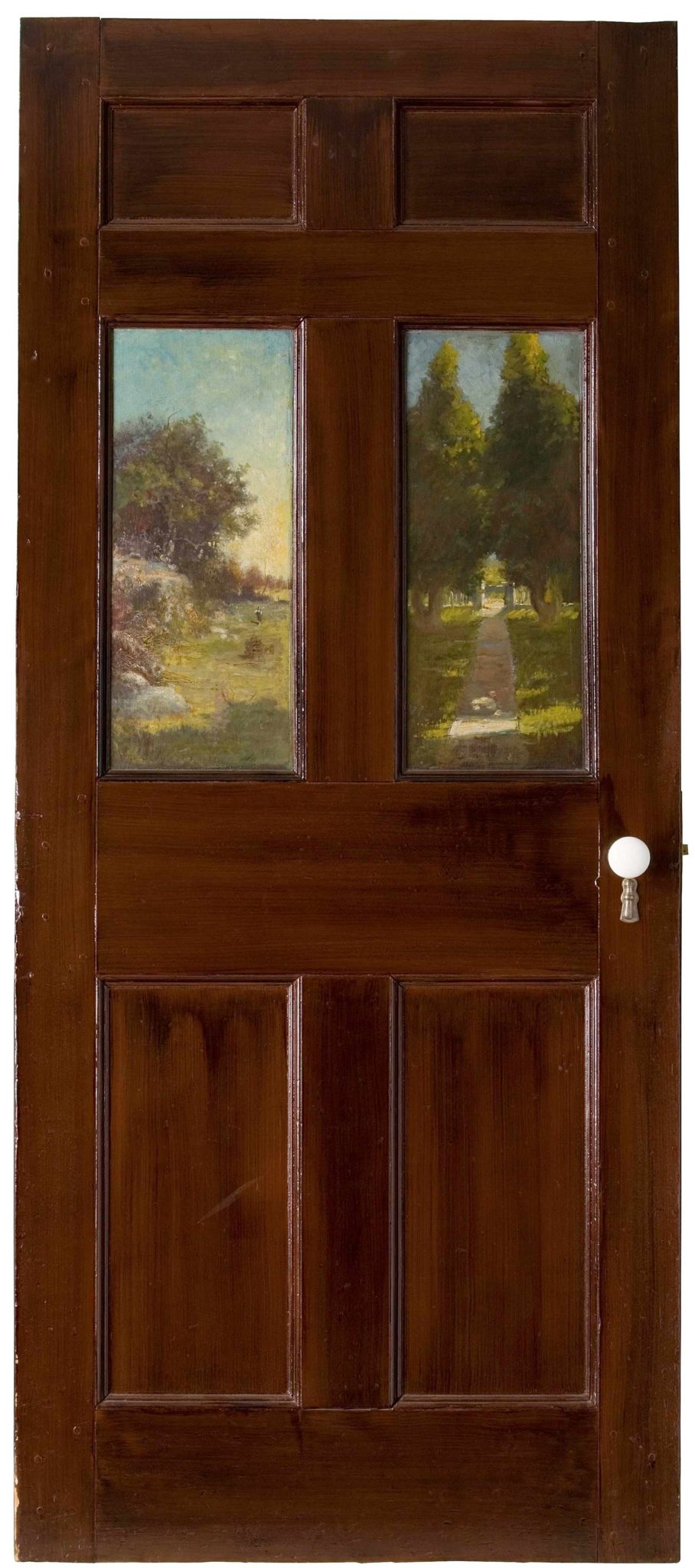
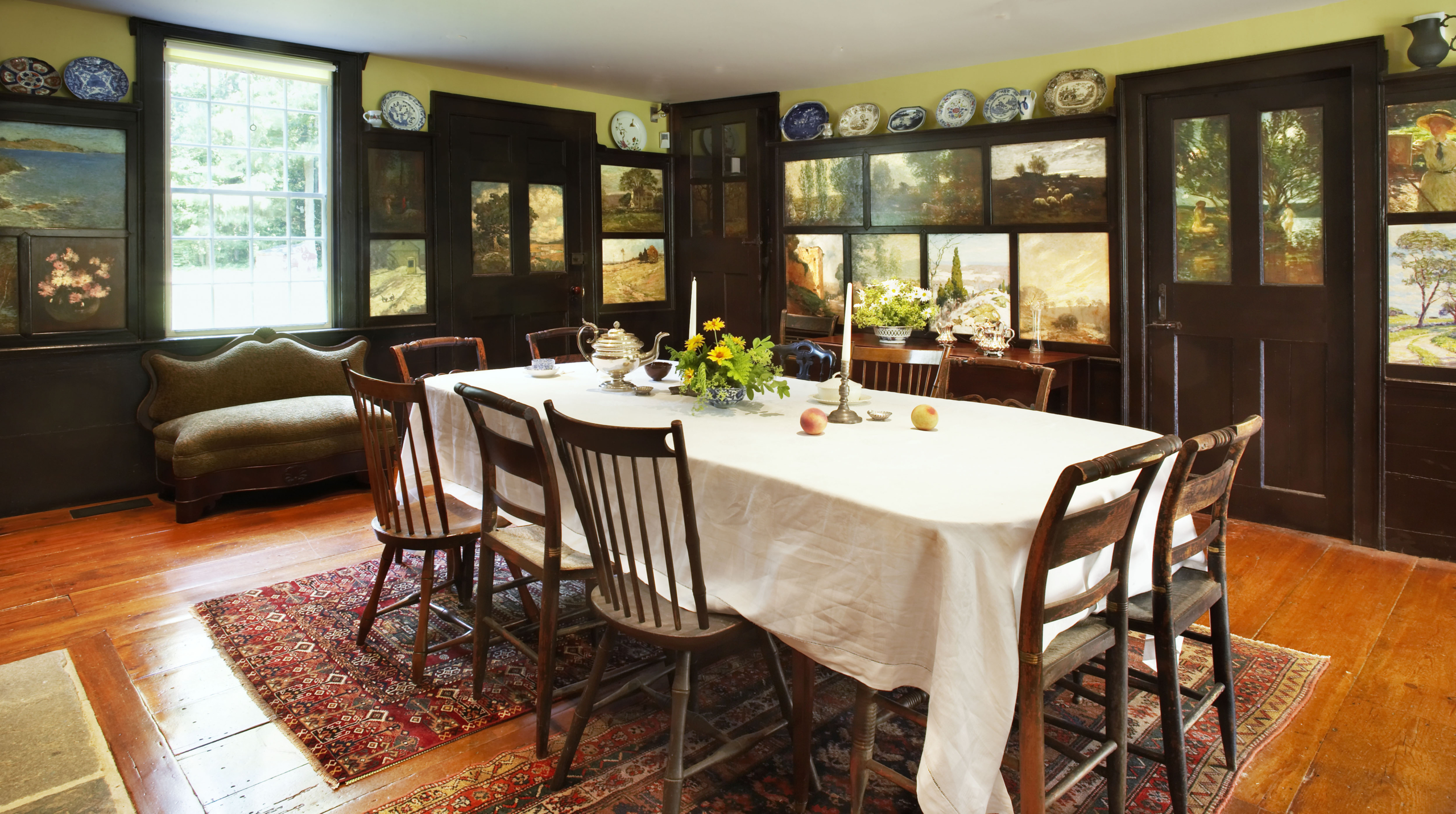
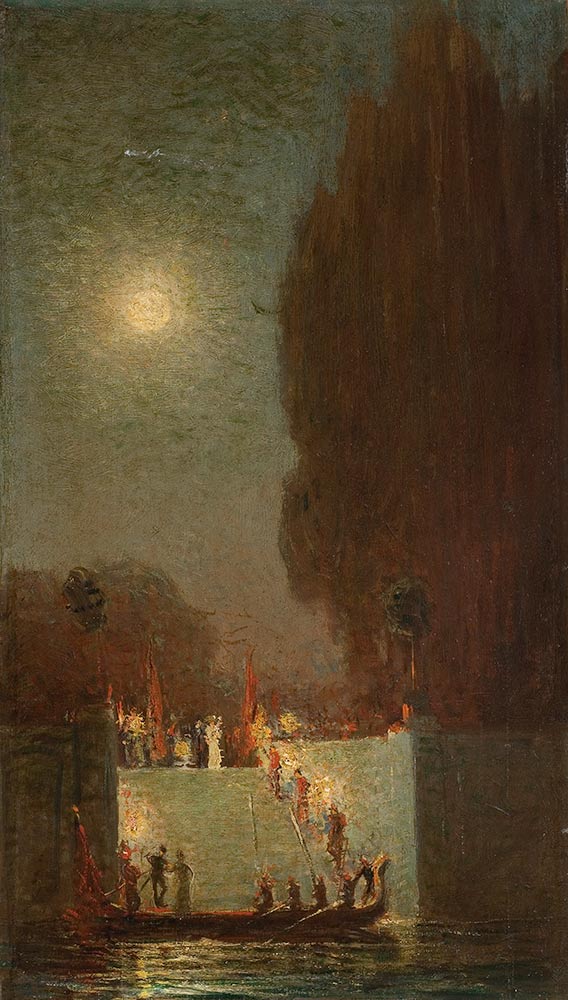
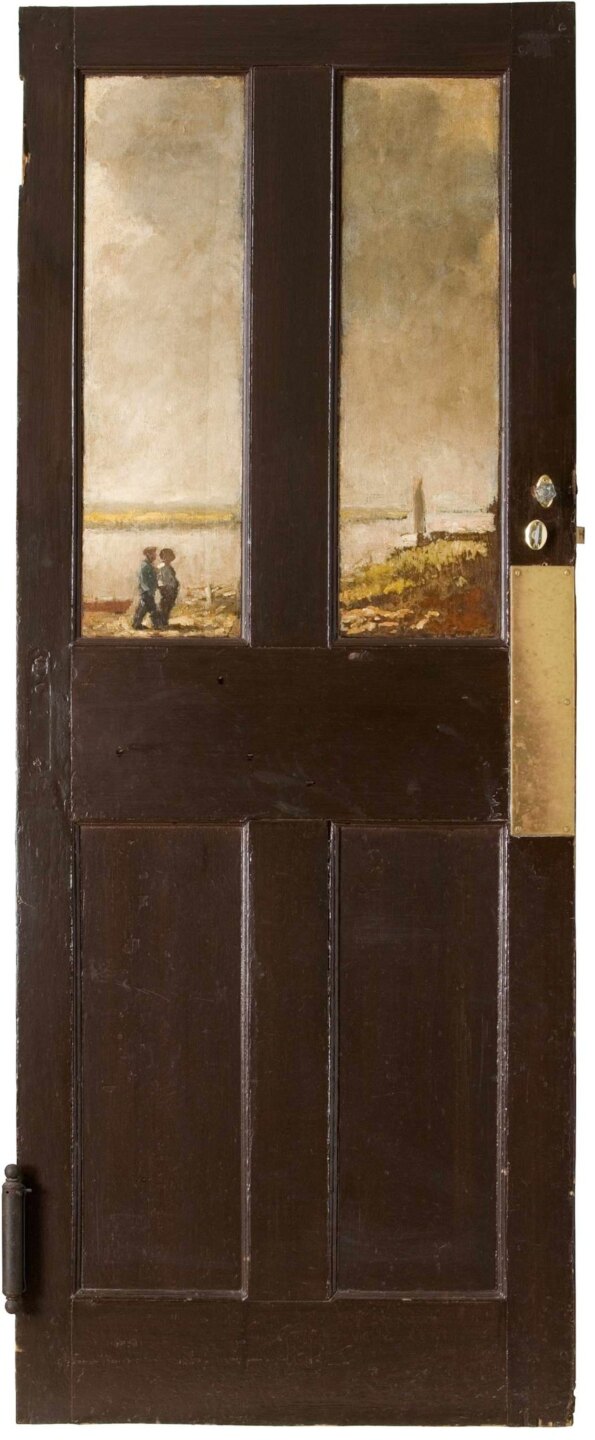
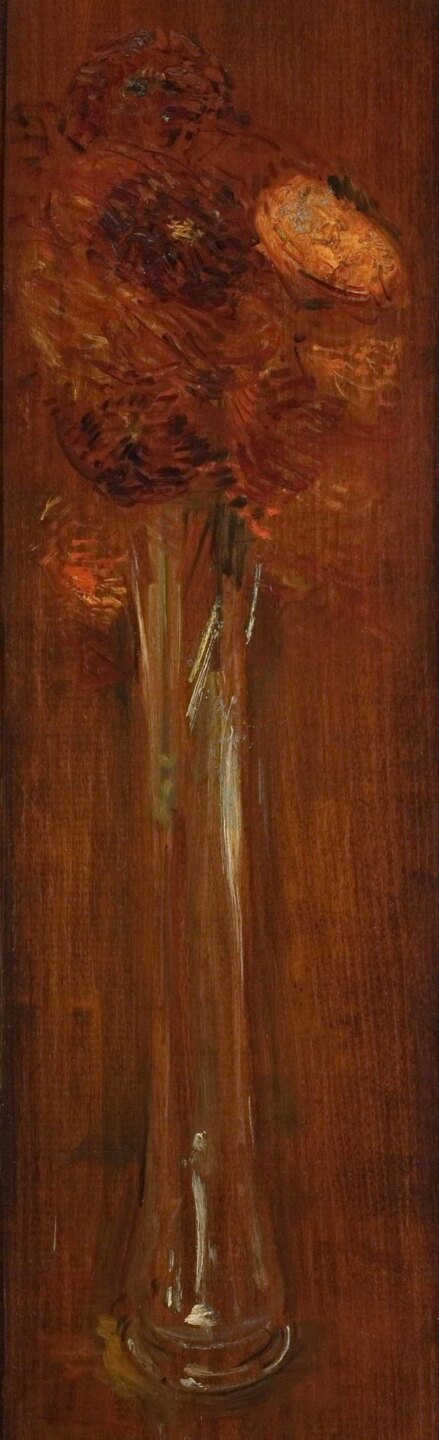
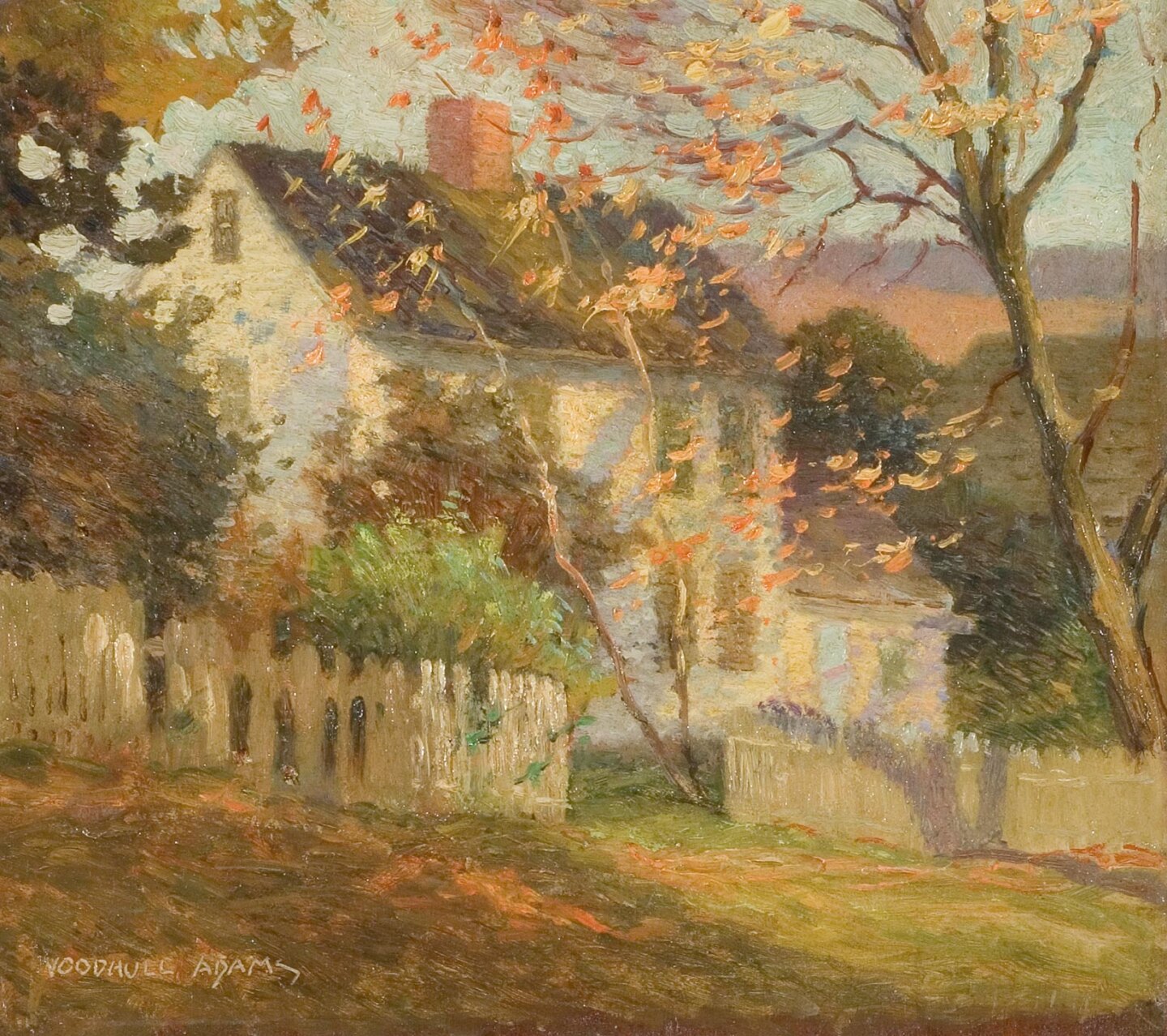
During the first summers of the Lyme Art Colony the artists began to paint scenes on the door panels of the boardinghouse. By 1905, this tradition spread to the dining room where the artists installed double rows of painted panels on all four walls.
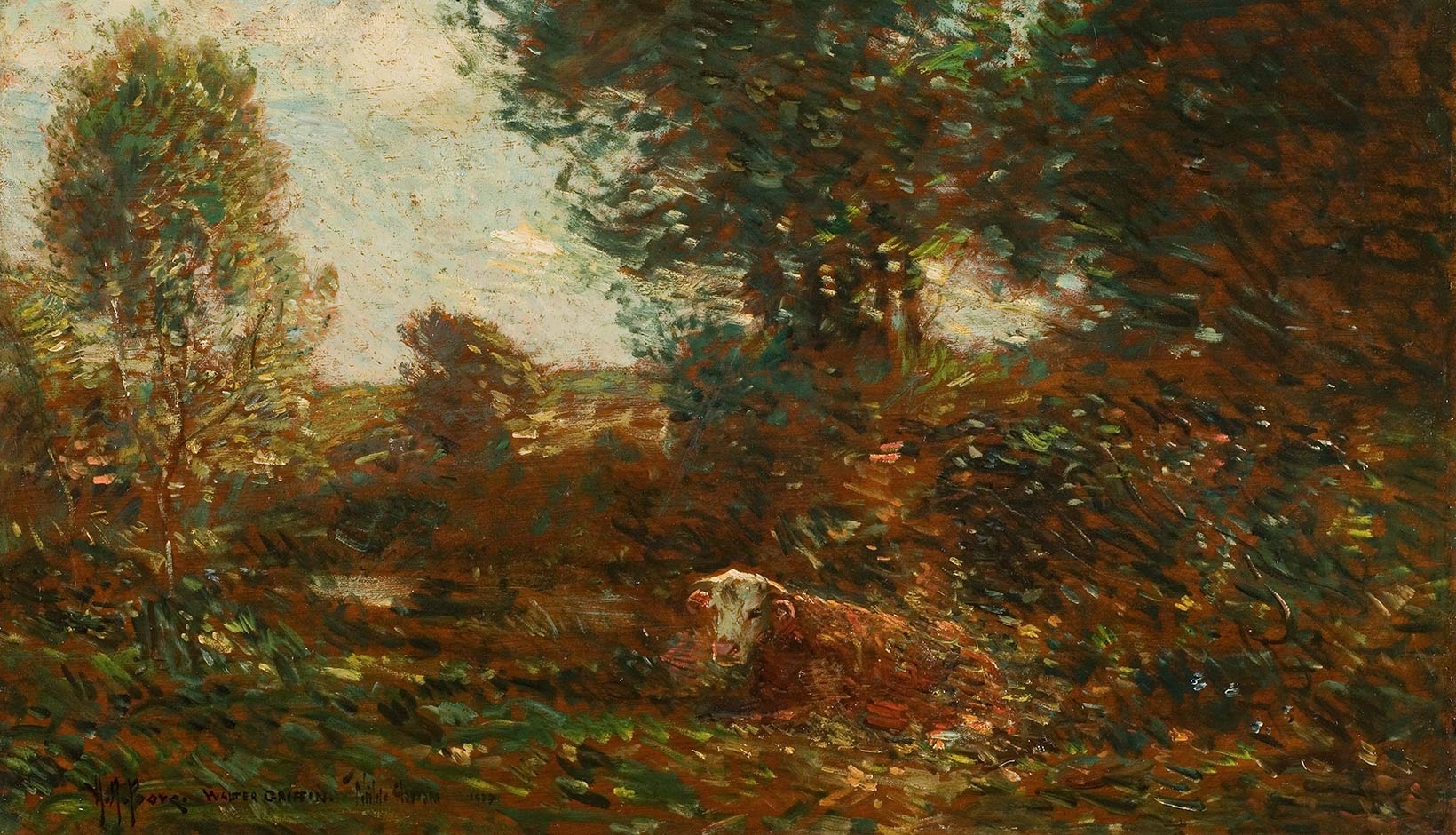
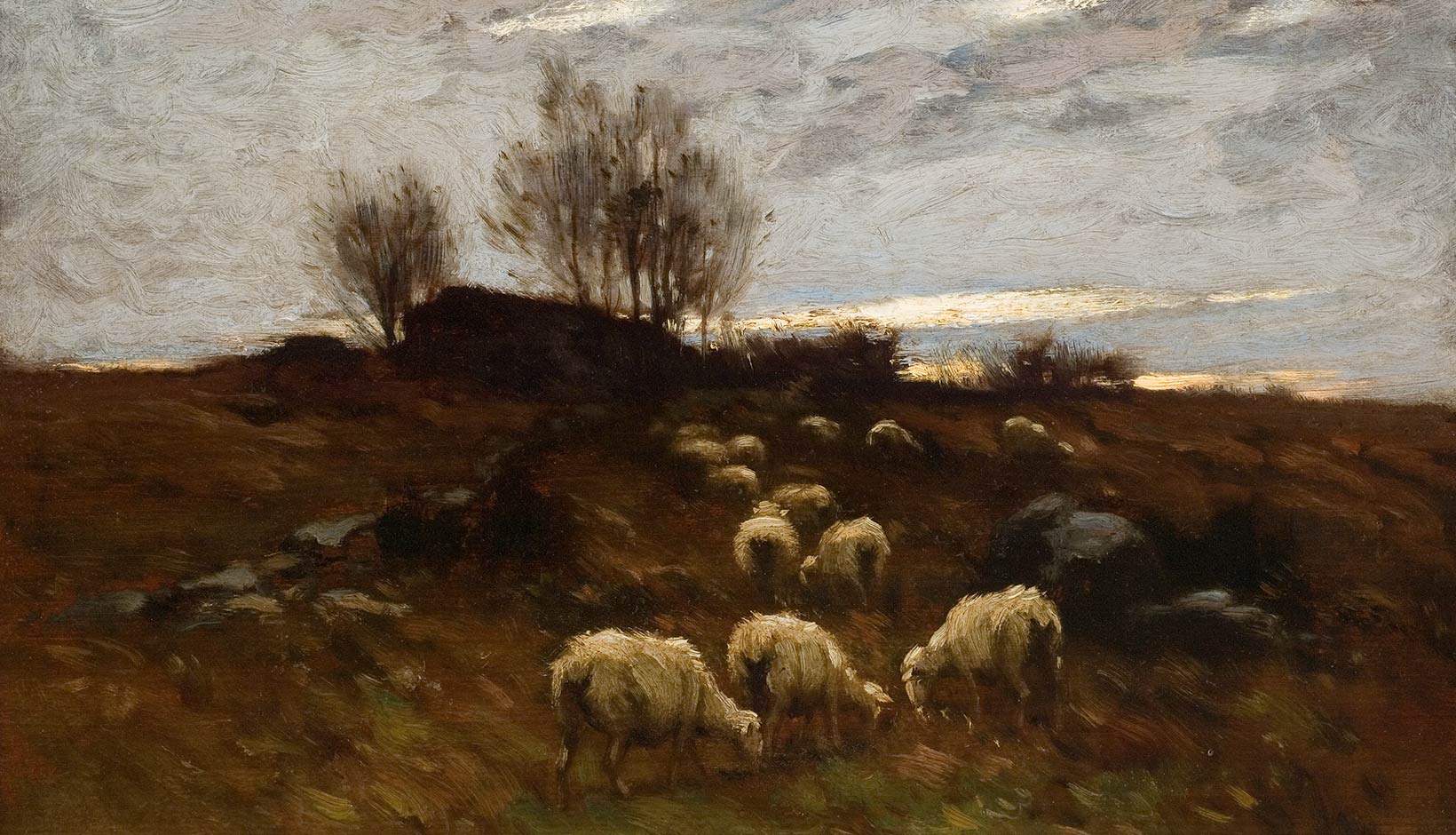
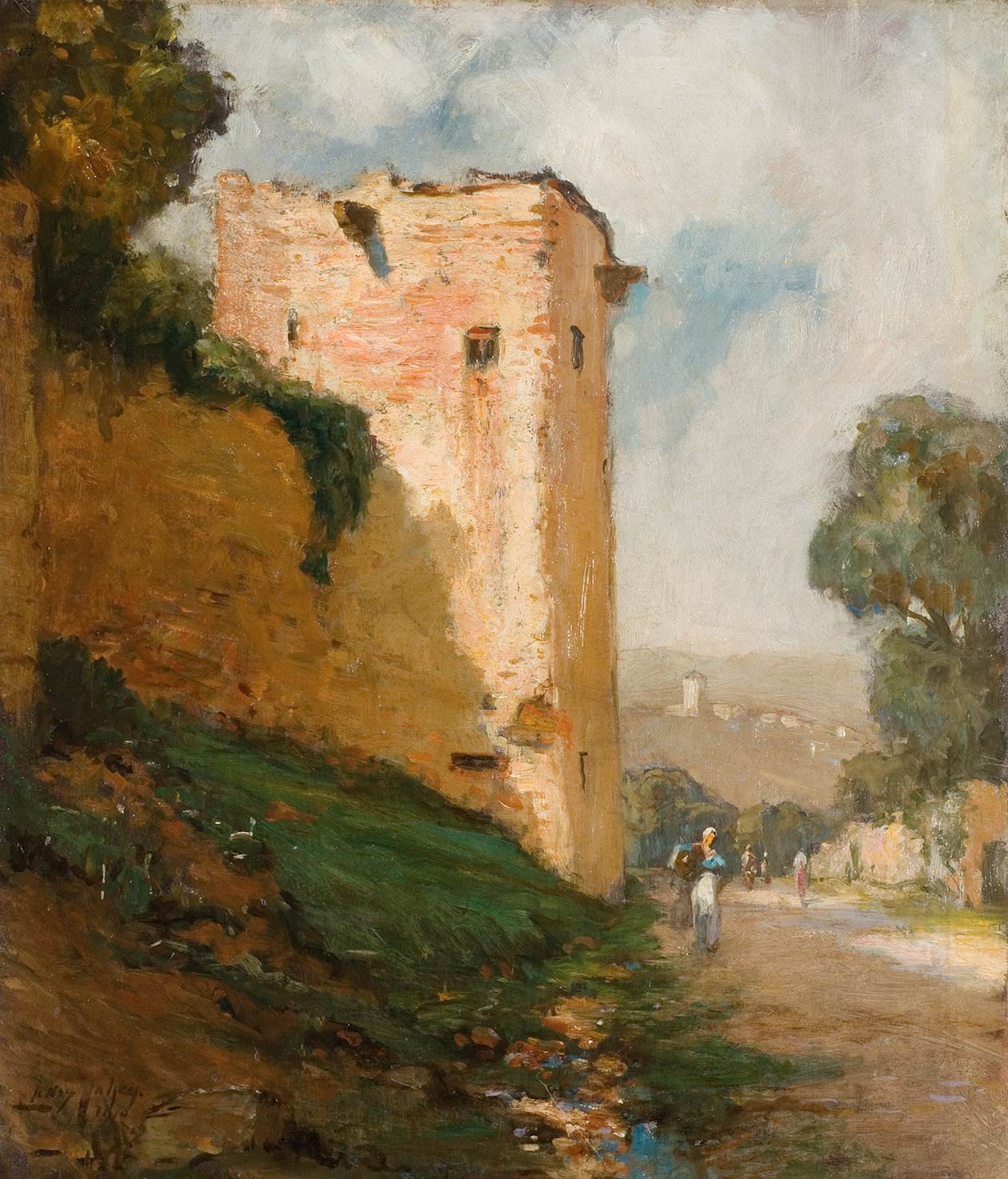
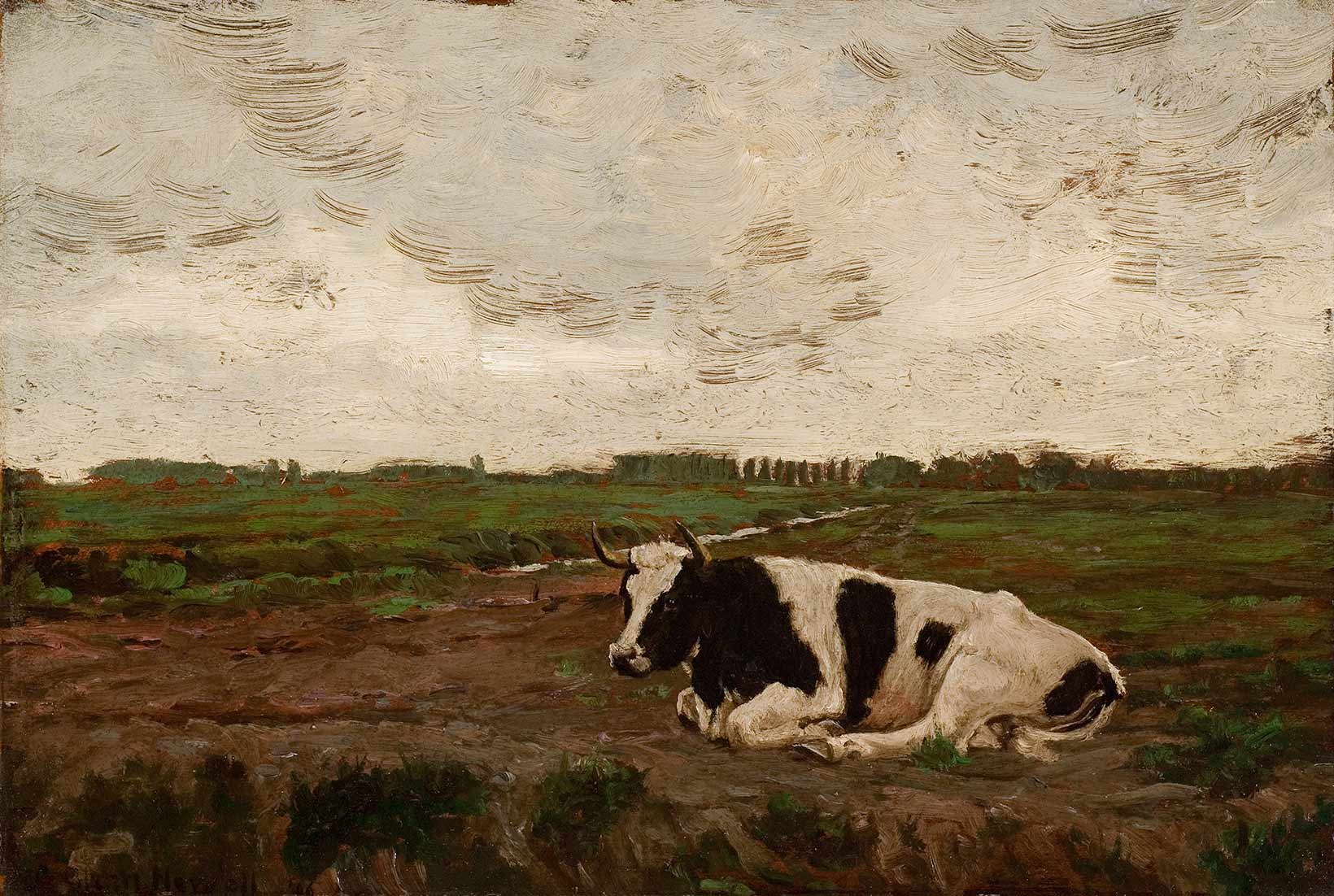
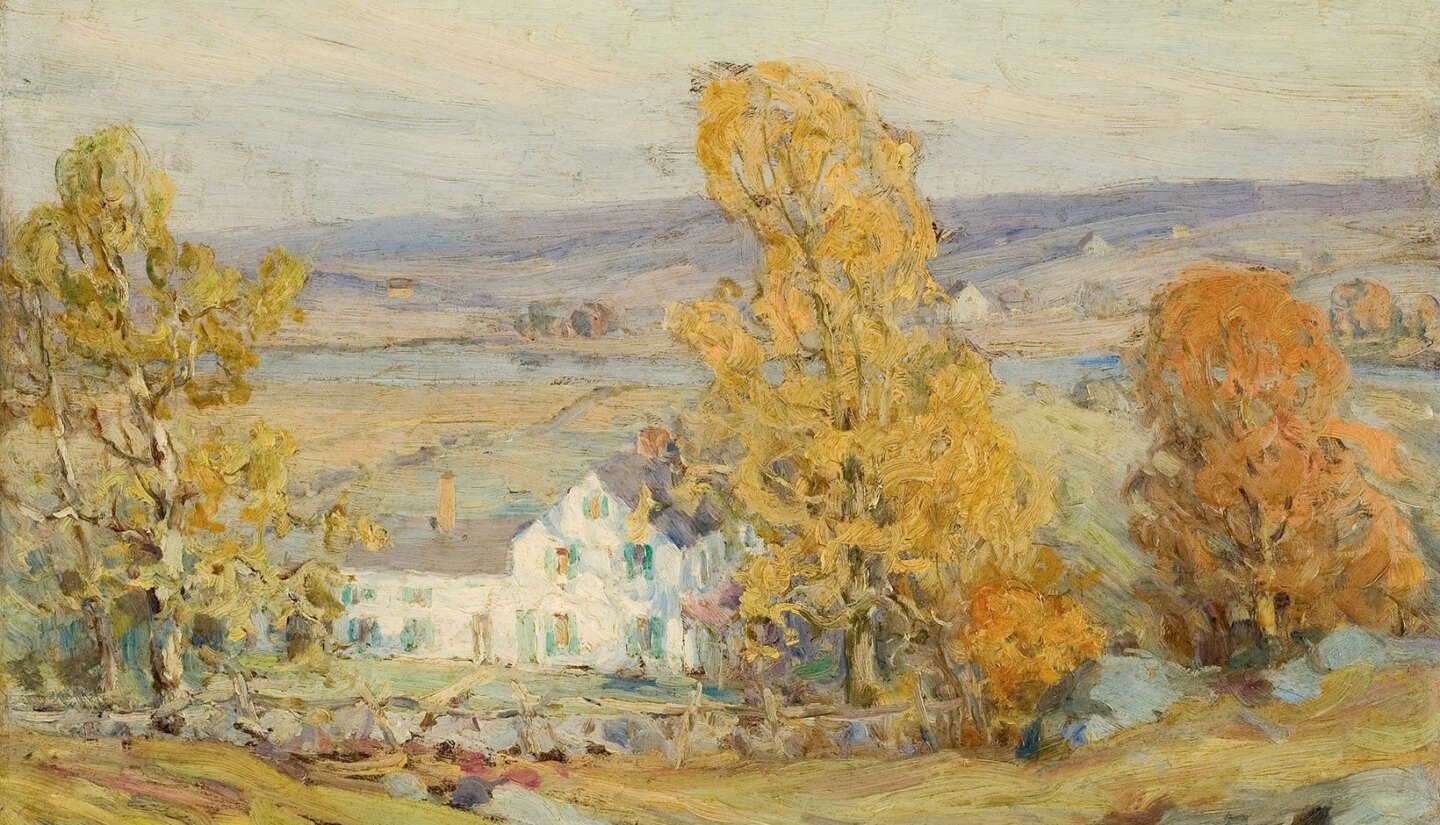
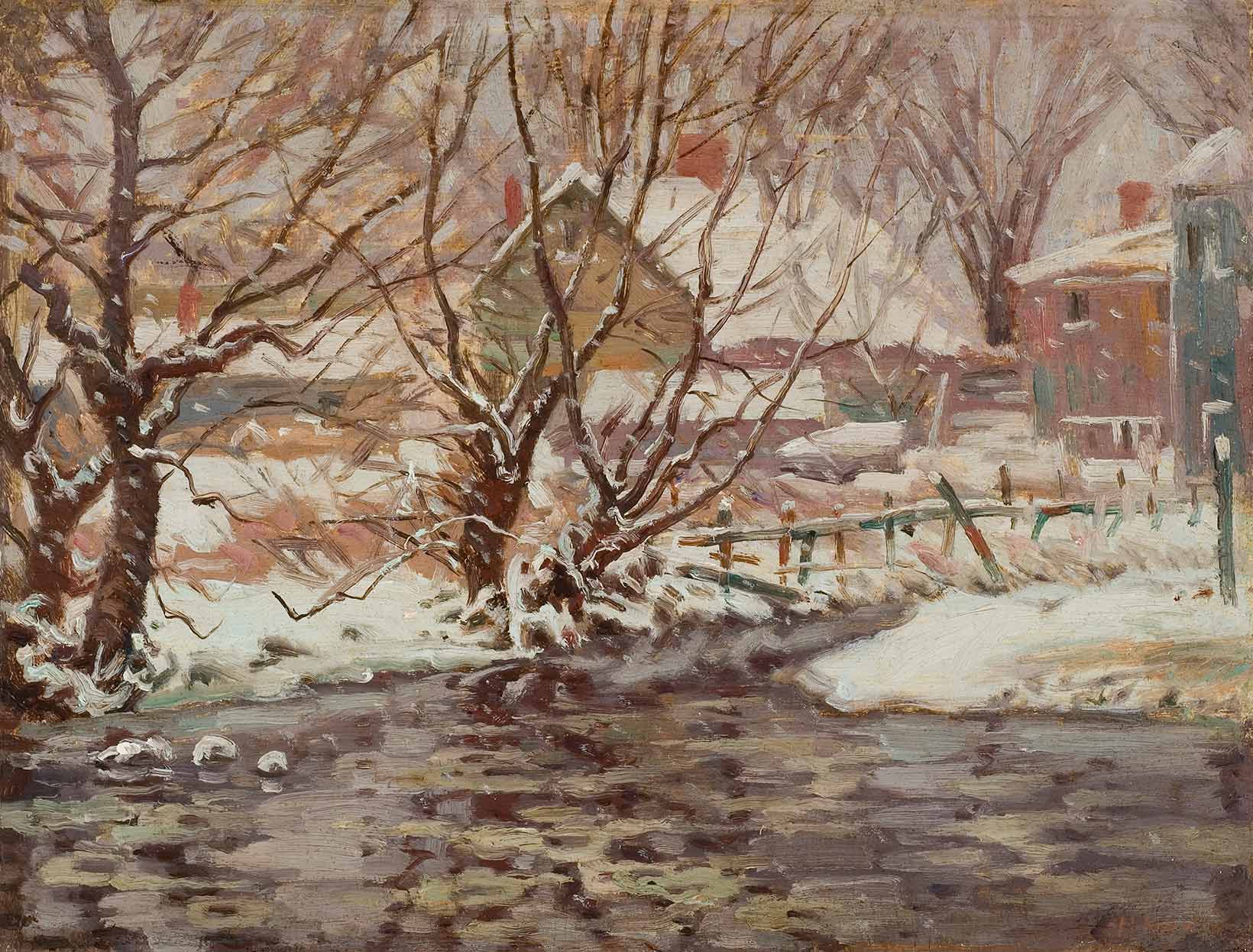
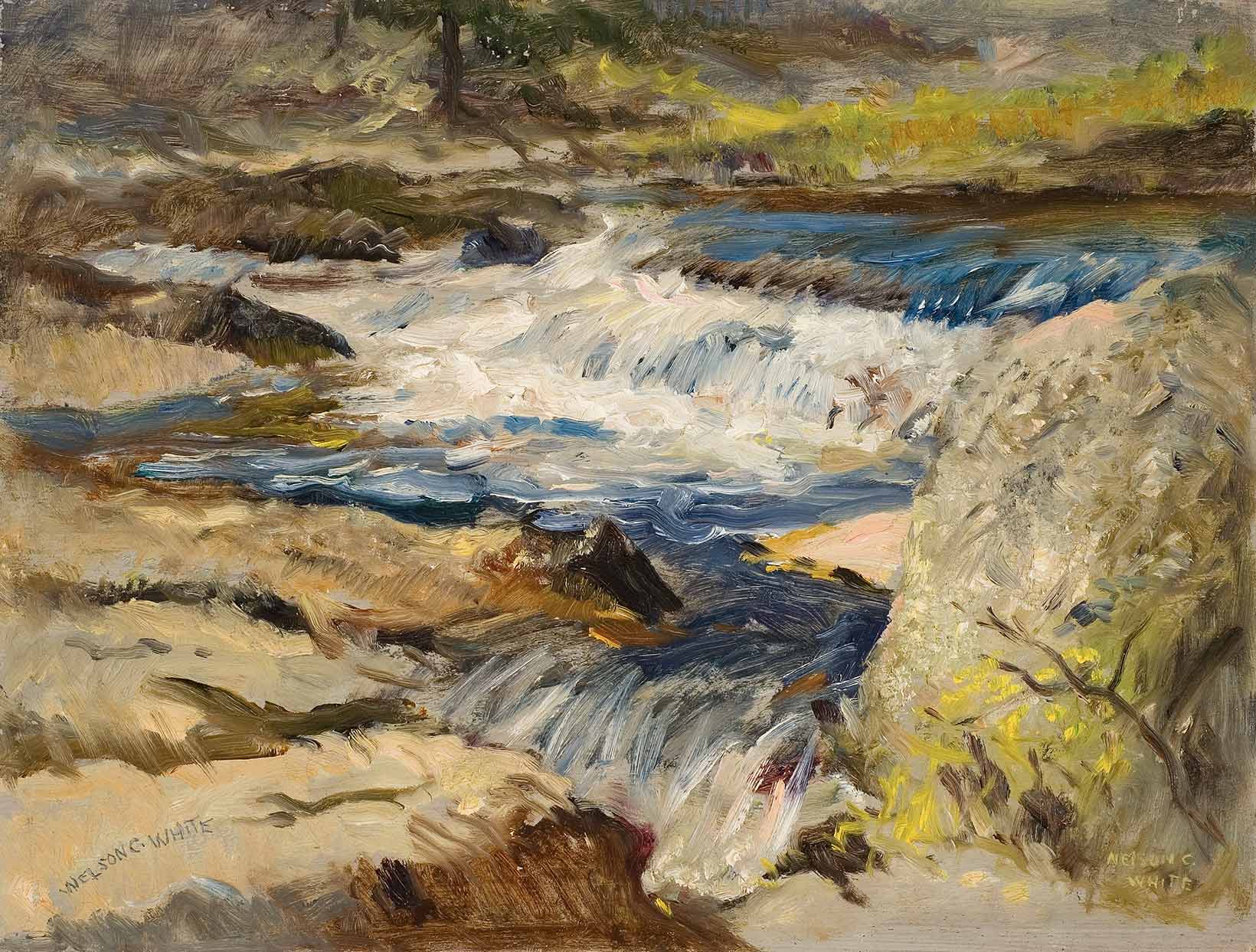
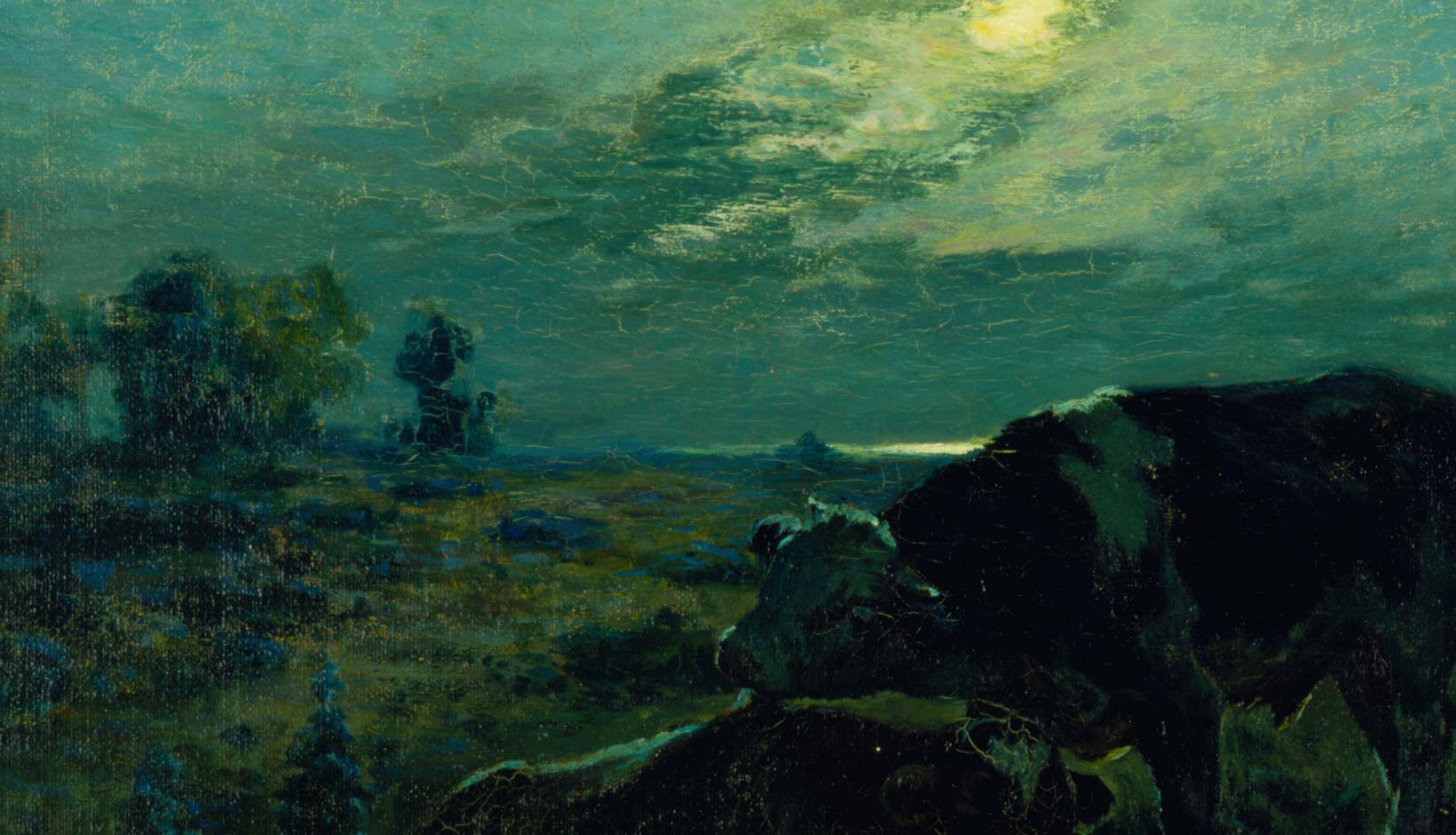
Today, these 38 individual panels and the 8 double panels (those on doors that complete one scene) are all in situ in the Griswold boardinghouse. From classic Old Lyme subjects to exotic and faraway places, the panels present a treasure trove of artistic expression of the art colony. These are the paintings the artists selected to leave behind as their artistic legacy. Now, you can investigate the panels up close, front and back, and learn about the artists who painted them.
THE FOX CHASE
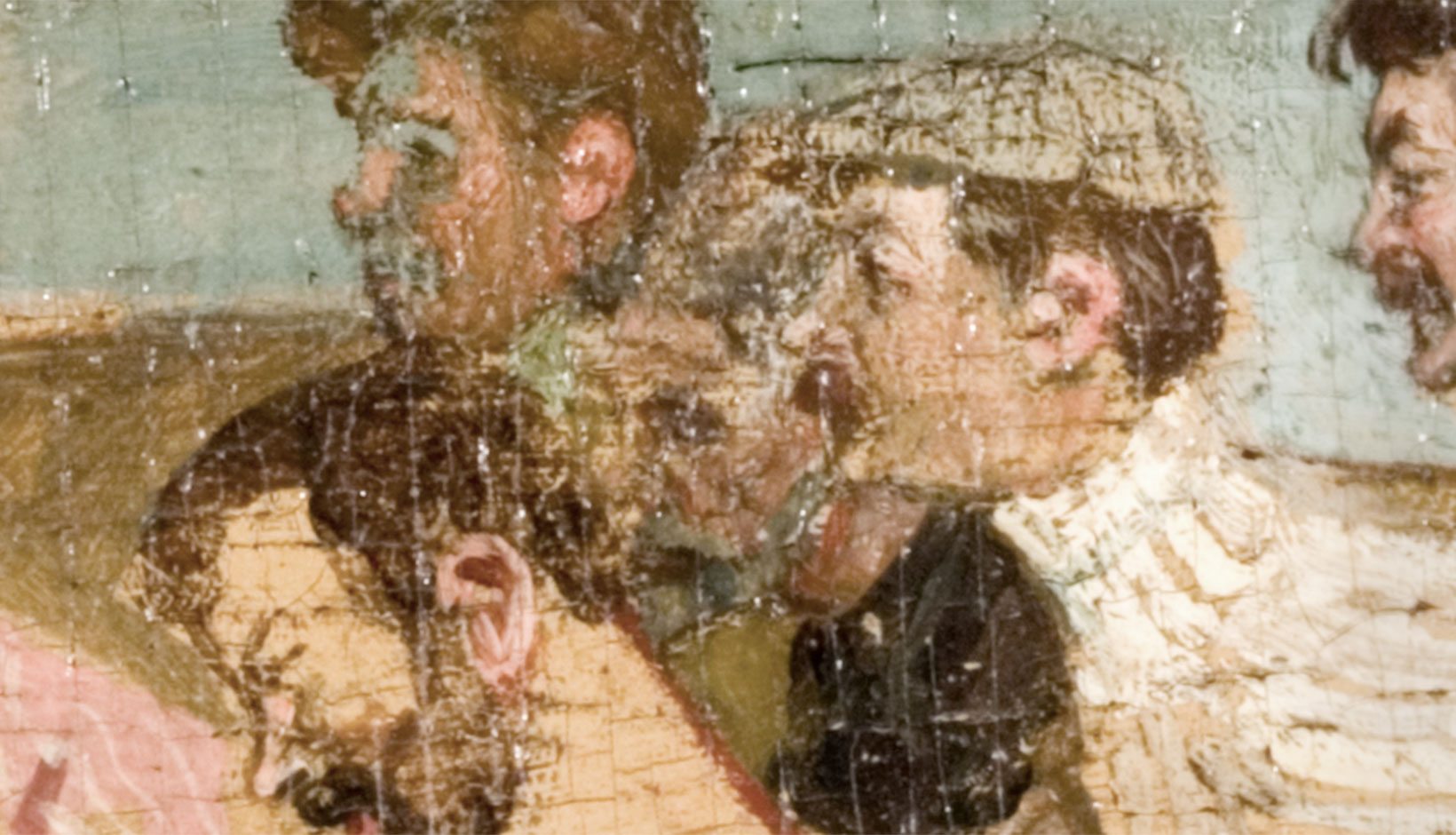
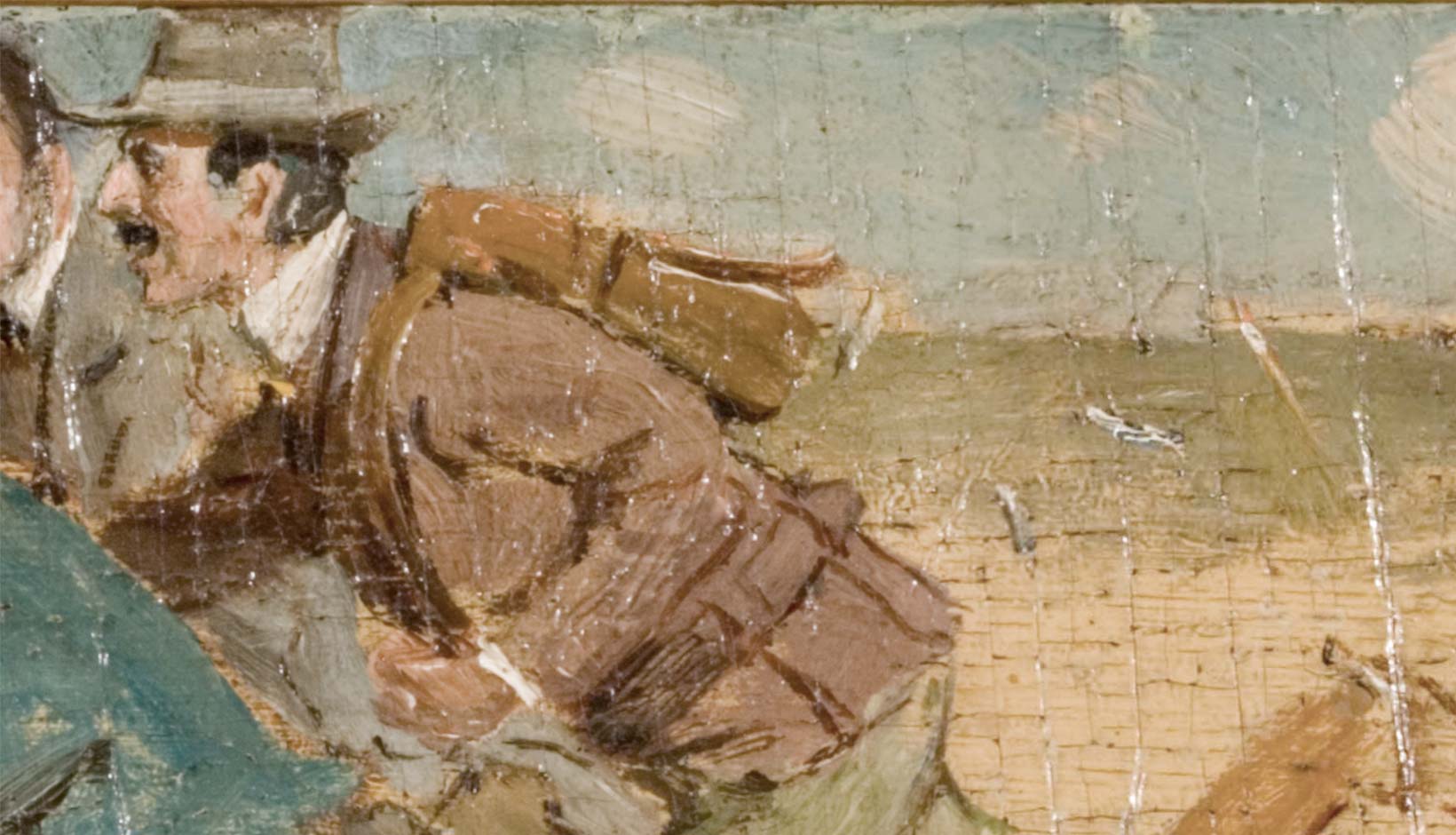
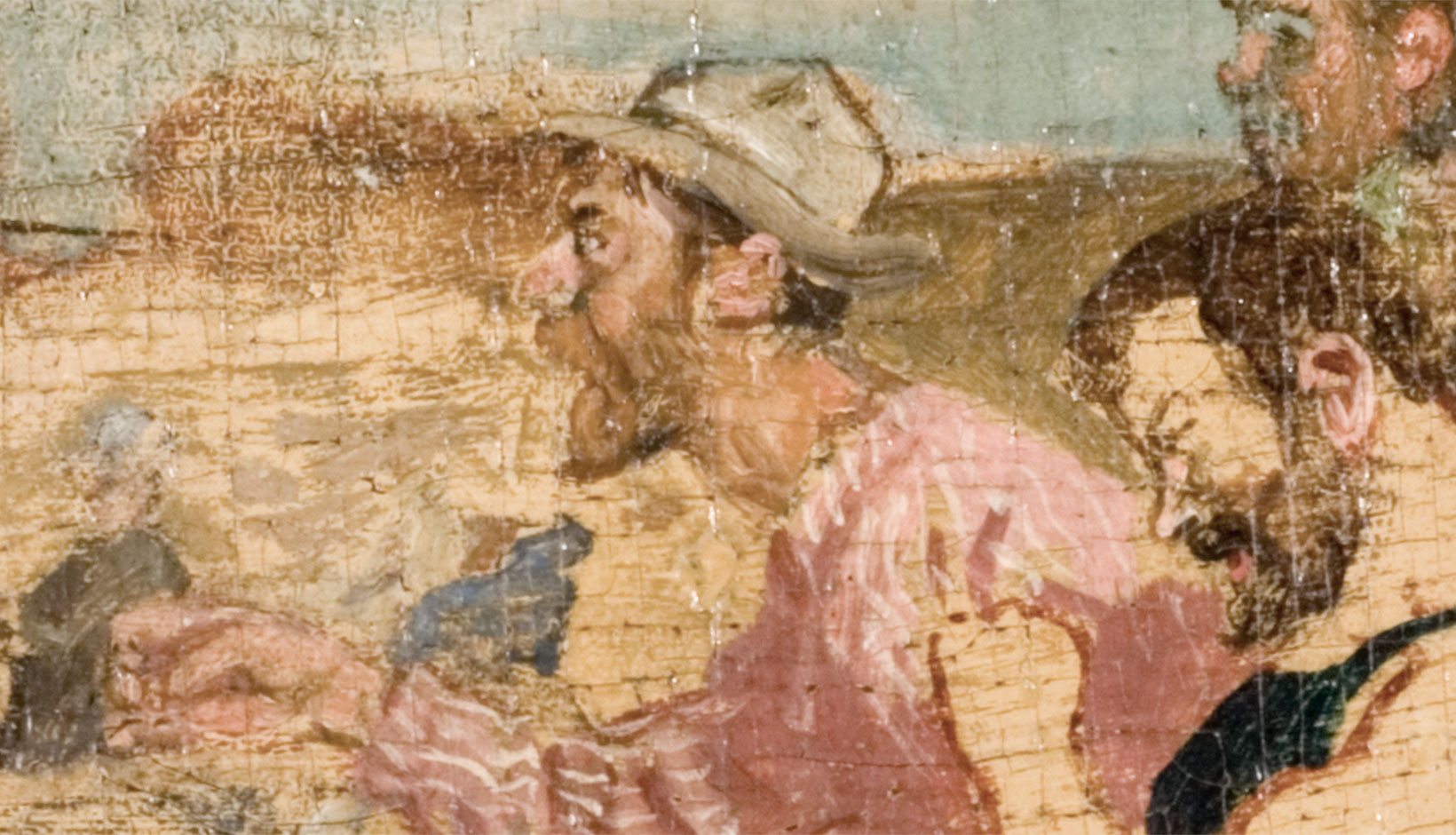
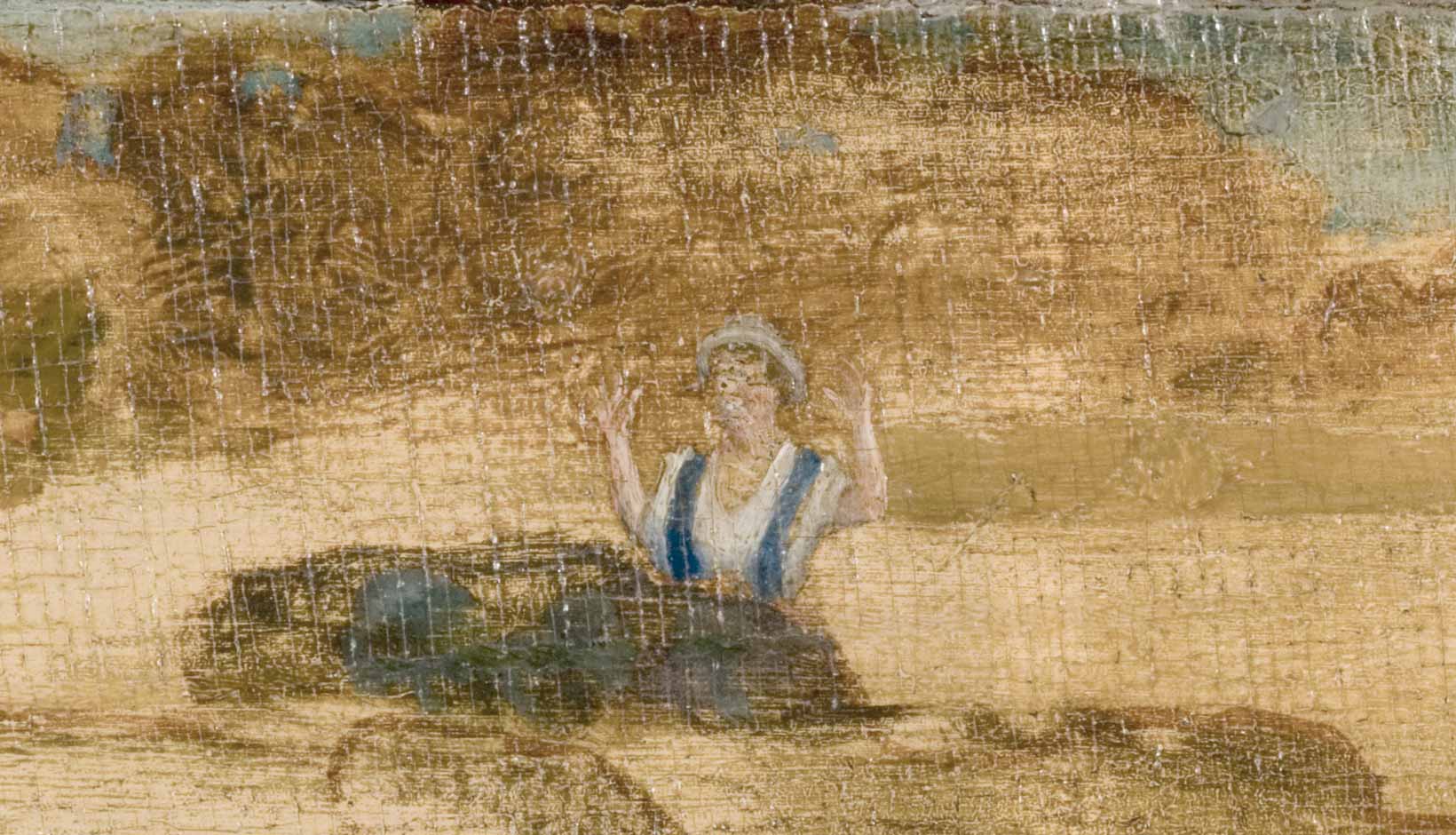
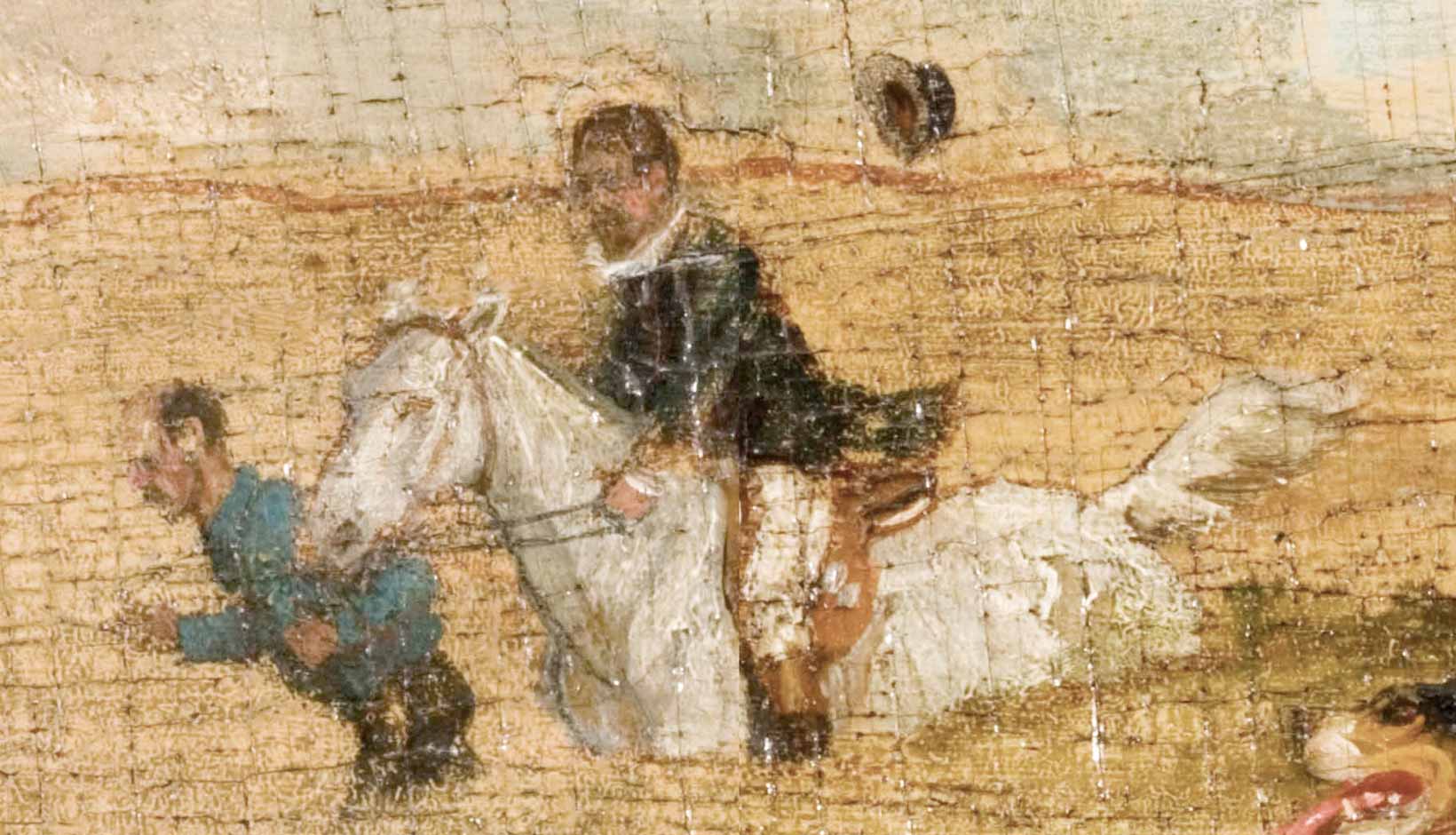
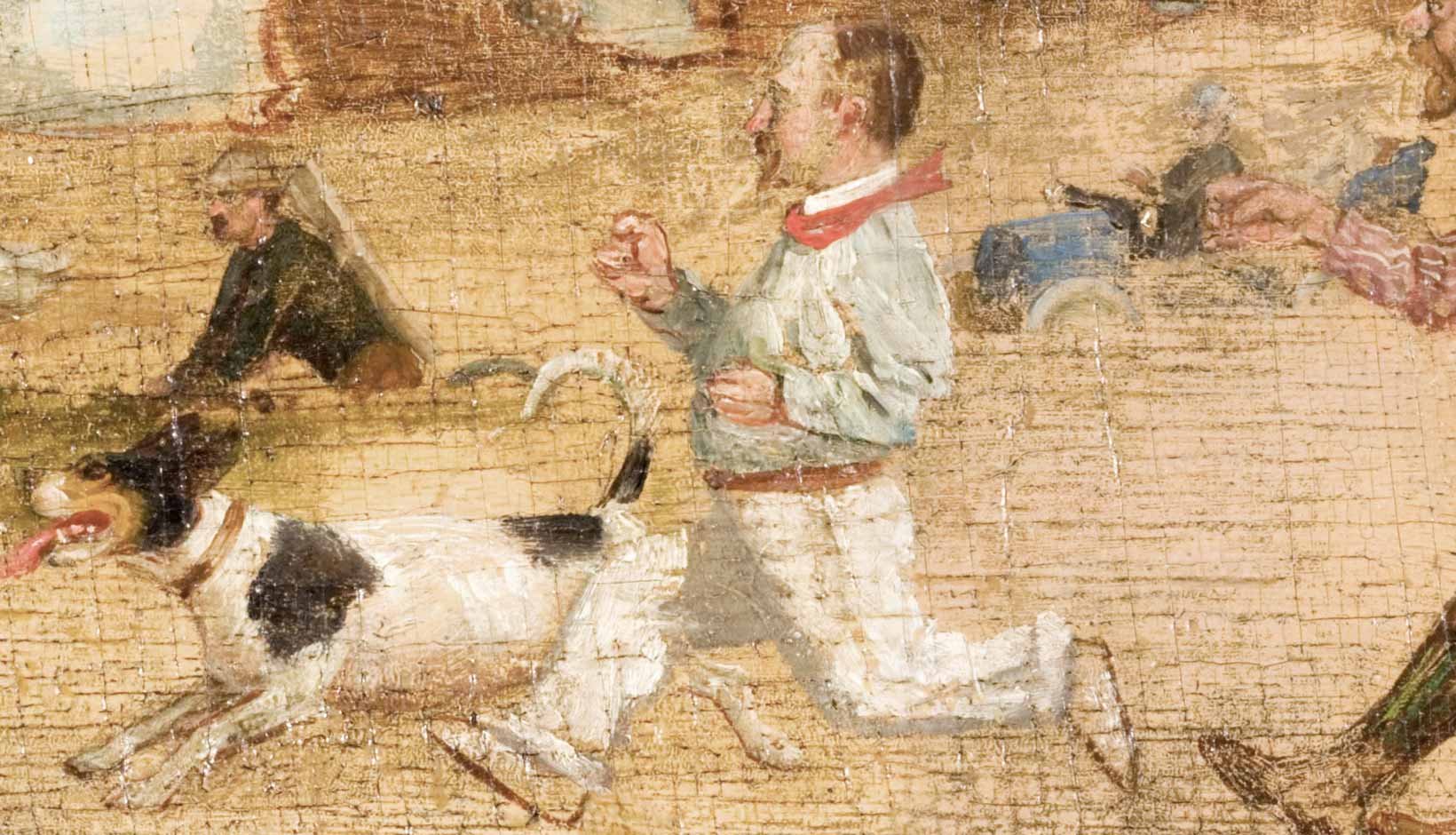
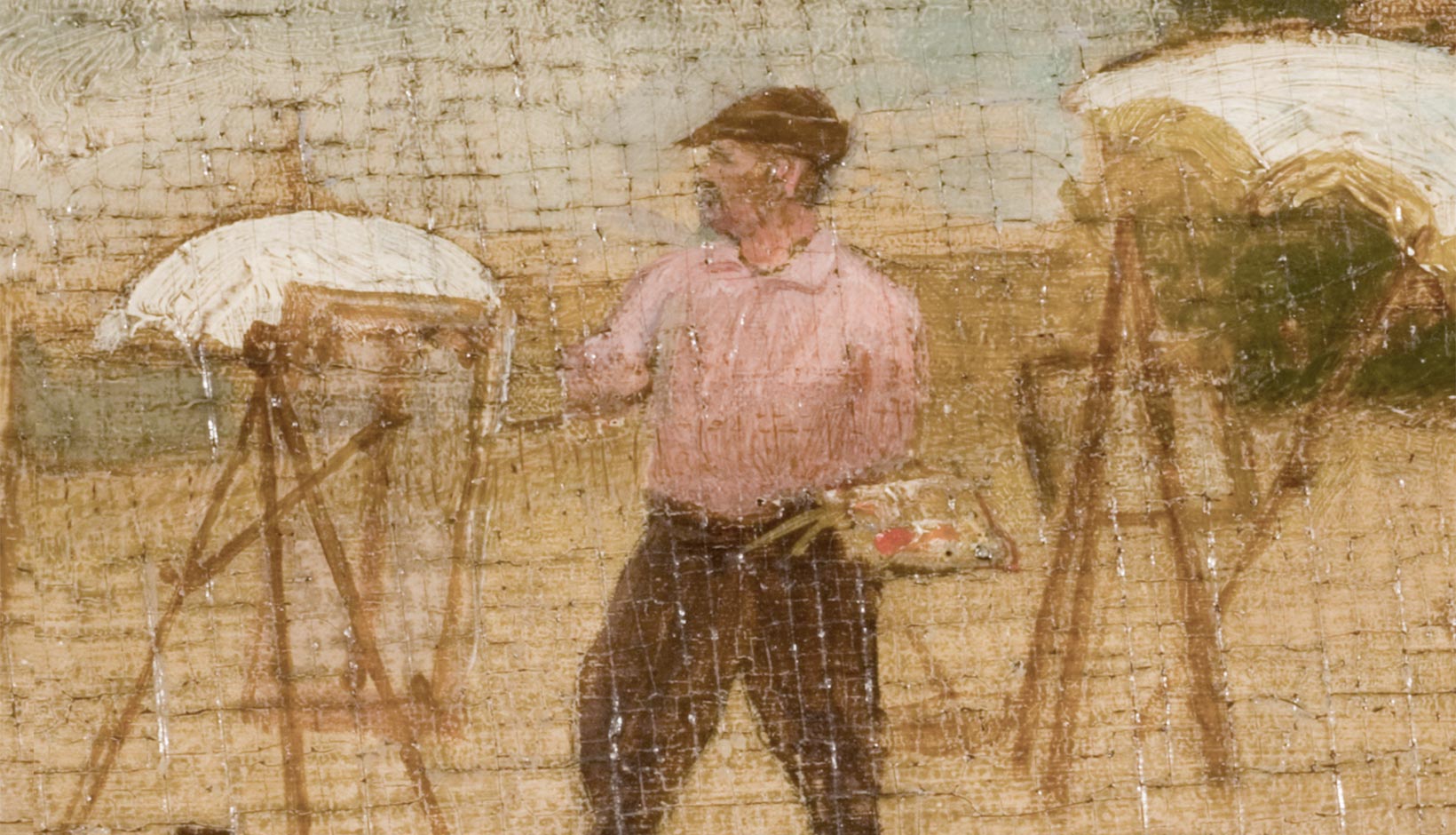
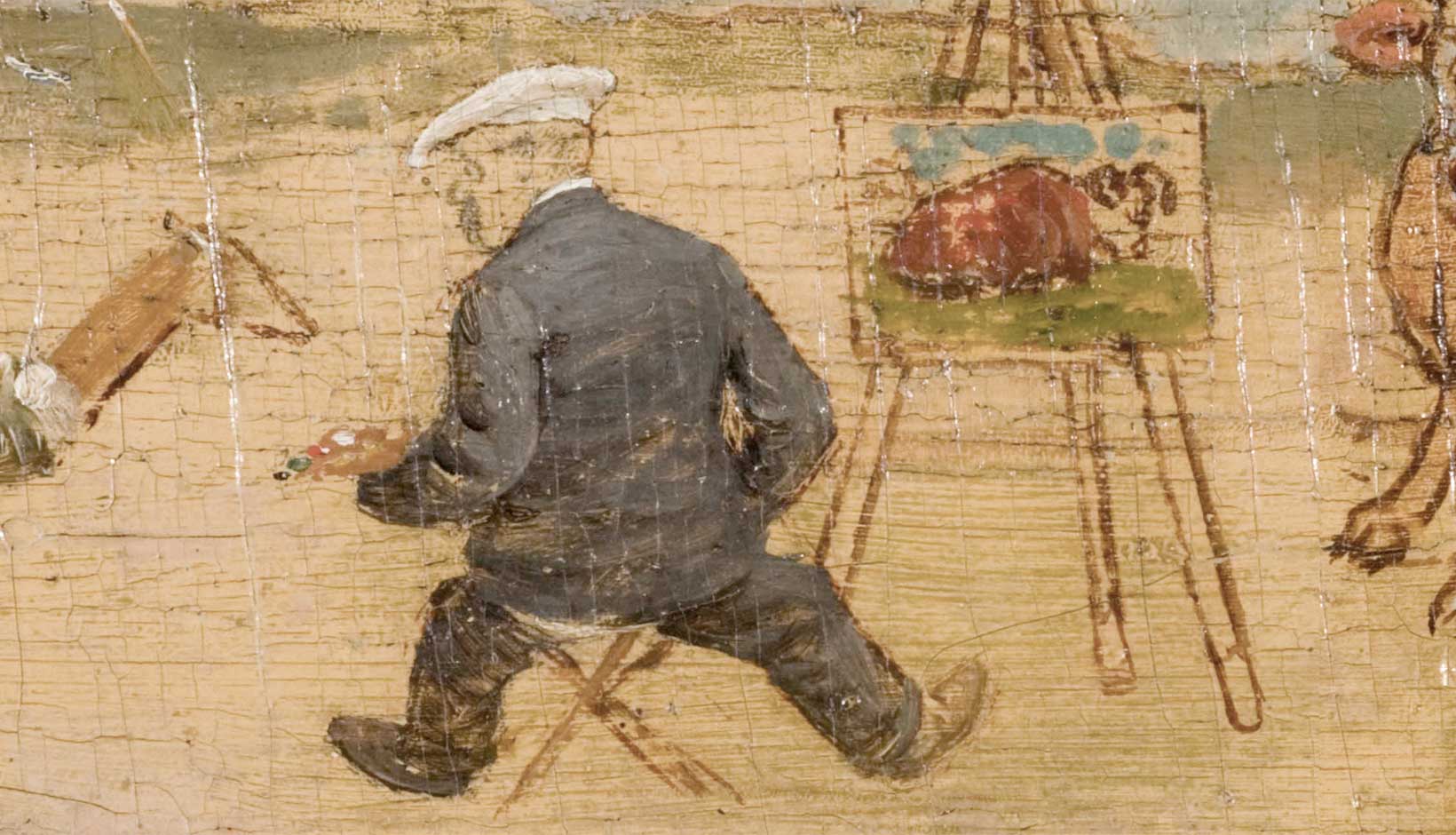
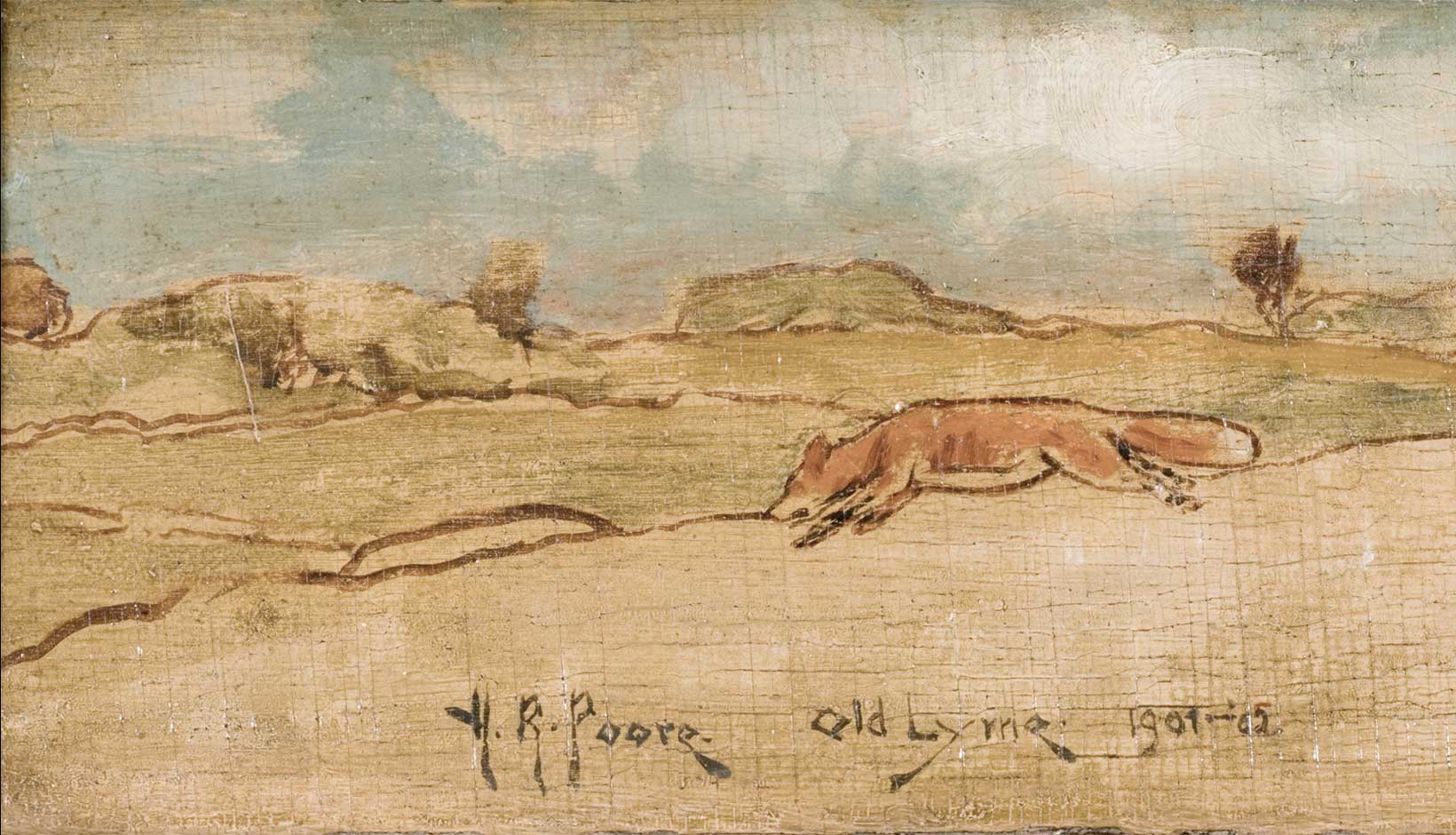
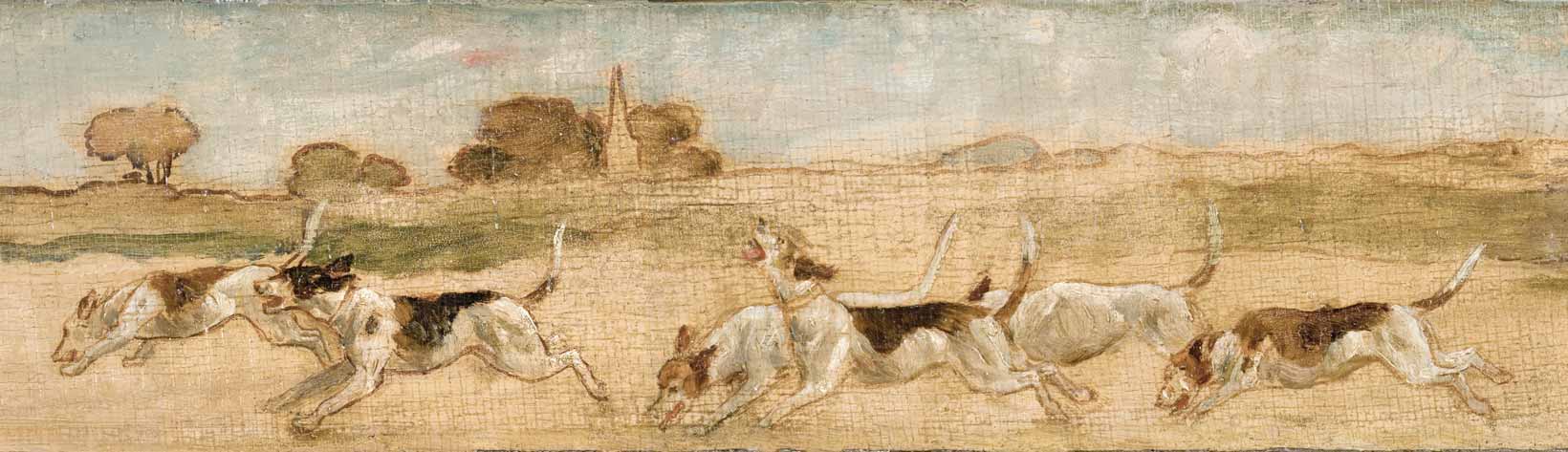
One of the most celebrated works of art at the Florence Griswold Museum is the frieze-like painting titled The Fox Chase (1905) created by Henry Rankin Poore.
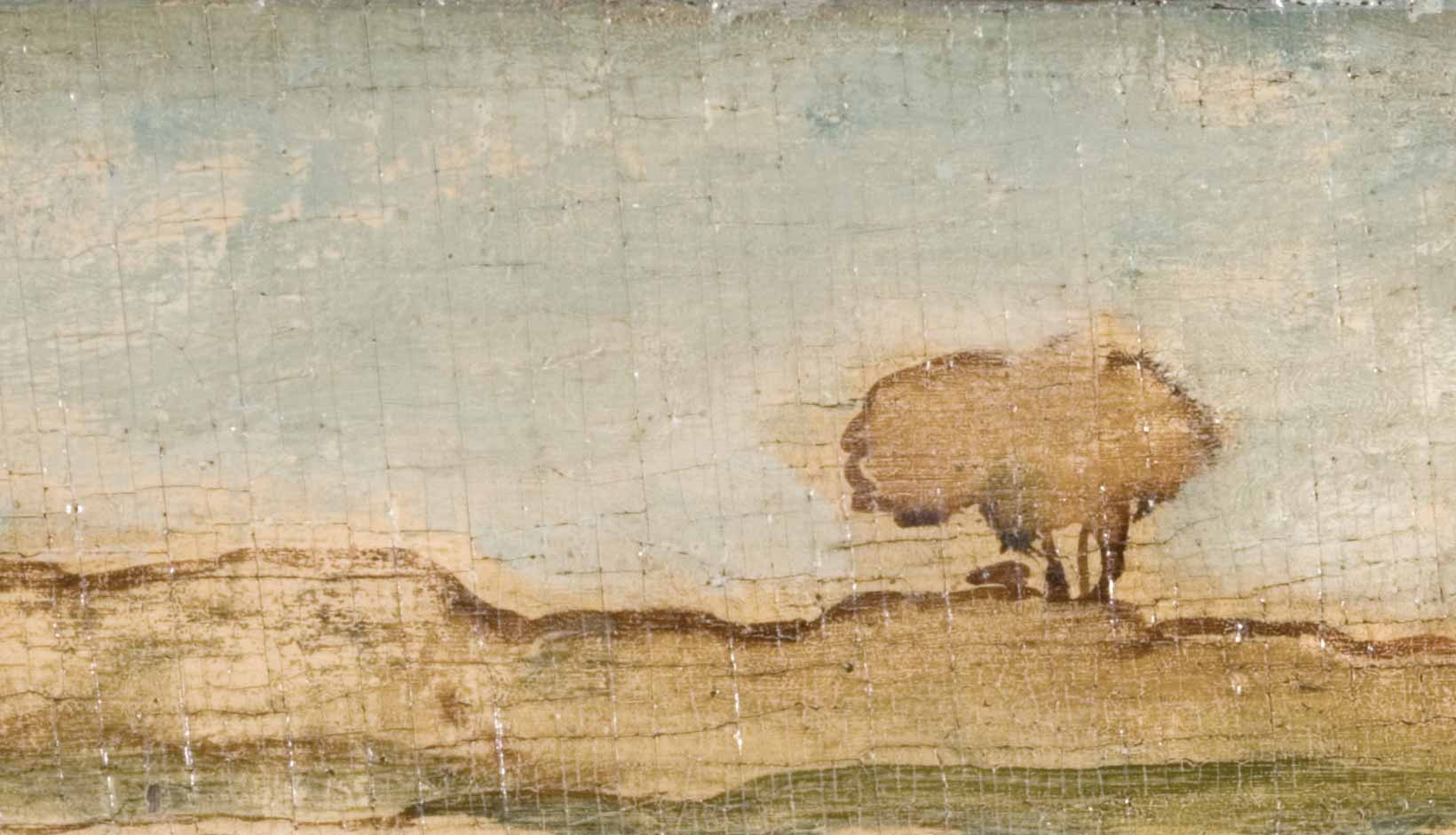
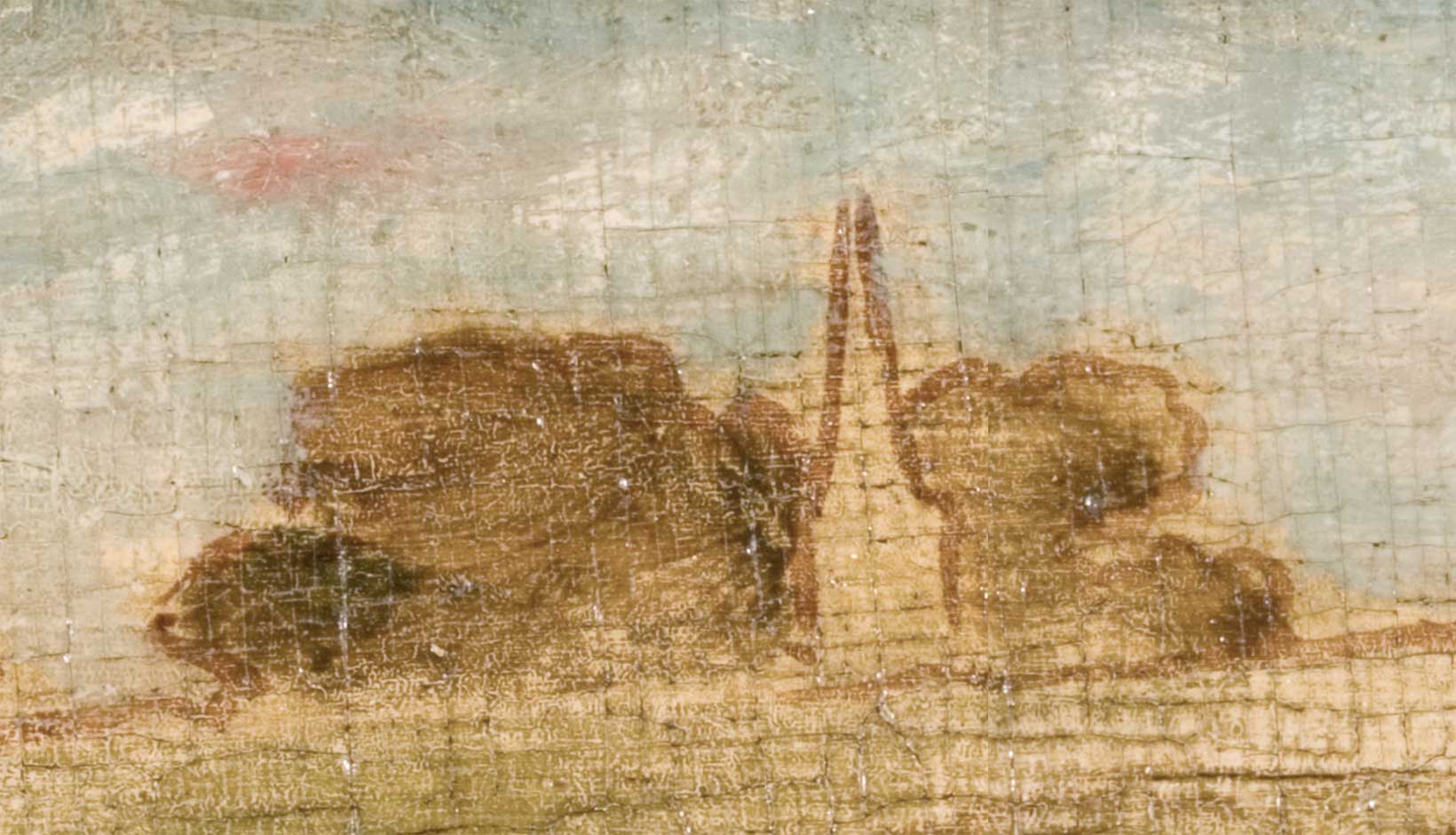
Located on the West Wall in the dining room of the Griswold boardinghouse, the nearly 9-feet long panel depicts the members of the Lyme Art Colony in a mock fox hunt through the village of Old Lyme, Connecticut. Now, you can explore the history of the art colony by clicking on the people, places, and things found in the painting. Beginning with the boardinghouse for artists at the far right and ending with the fox at the far left, your journey down Lyme Street will introduce you to the key elements, ideas and artistic personalities that make the Lyme Art Colony a distinctive chapter in Connecticut art and history.
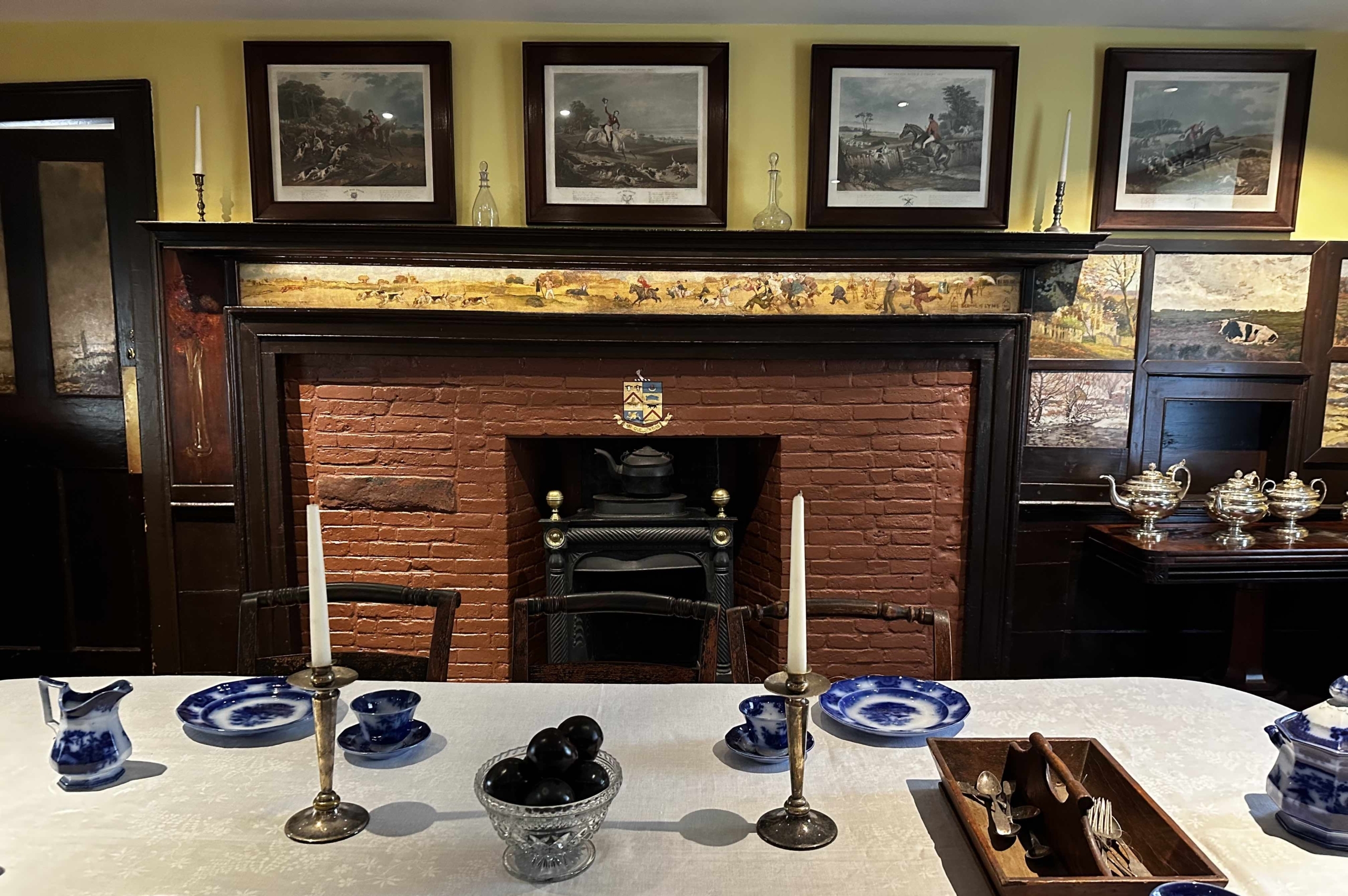
HENRY RANKIN POORE (1859–1940), THE FOX CHASE (detail), 1901-1905; REVISED C. 1920. OIL ON WOOD PANEL. FLORENCE GRISWOLD MUSEUM, GIFT OF THE ARTIST
THE ARTISTS
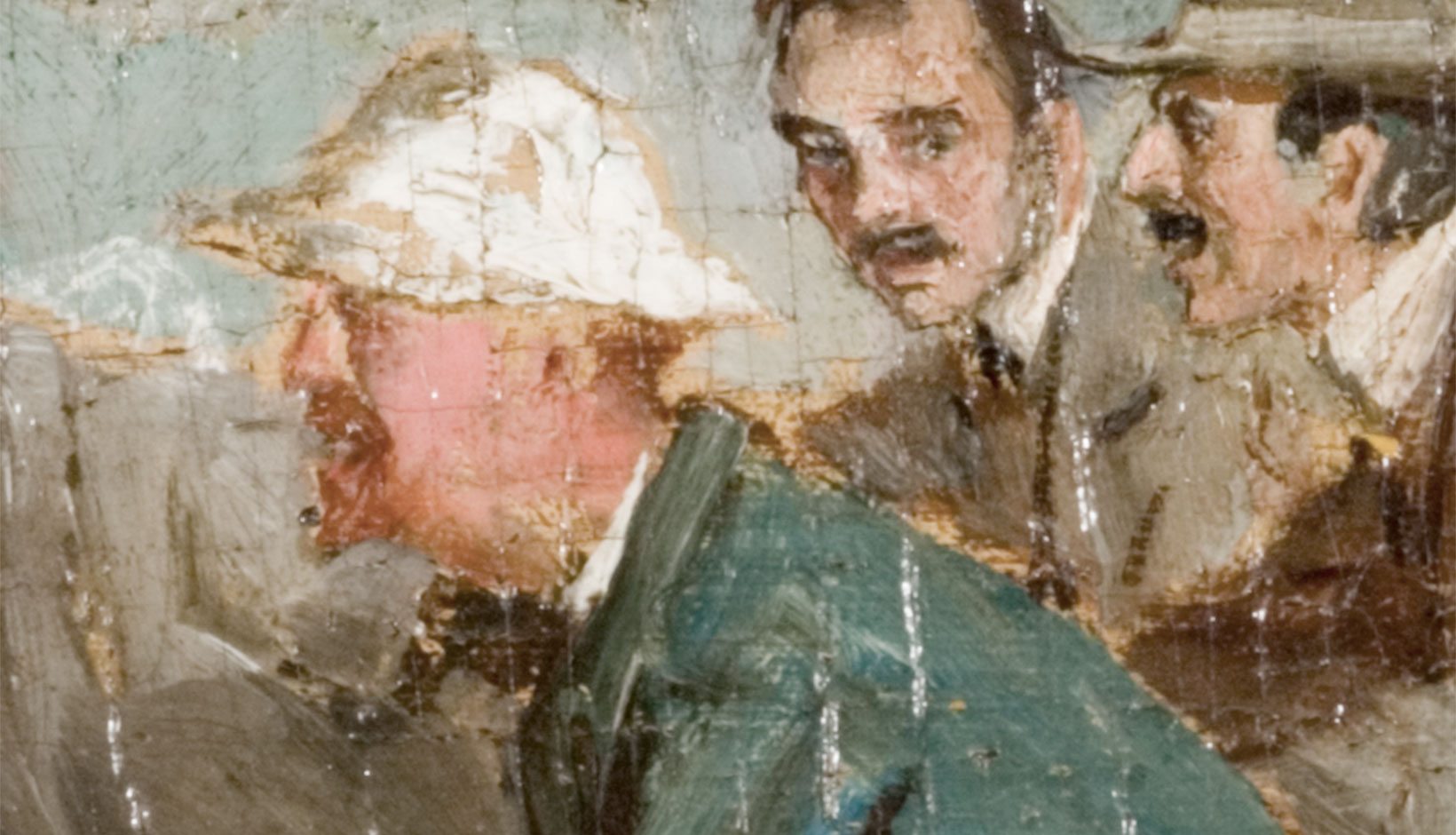
Allen Butler Talcott
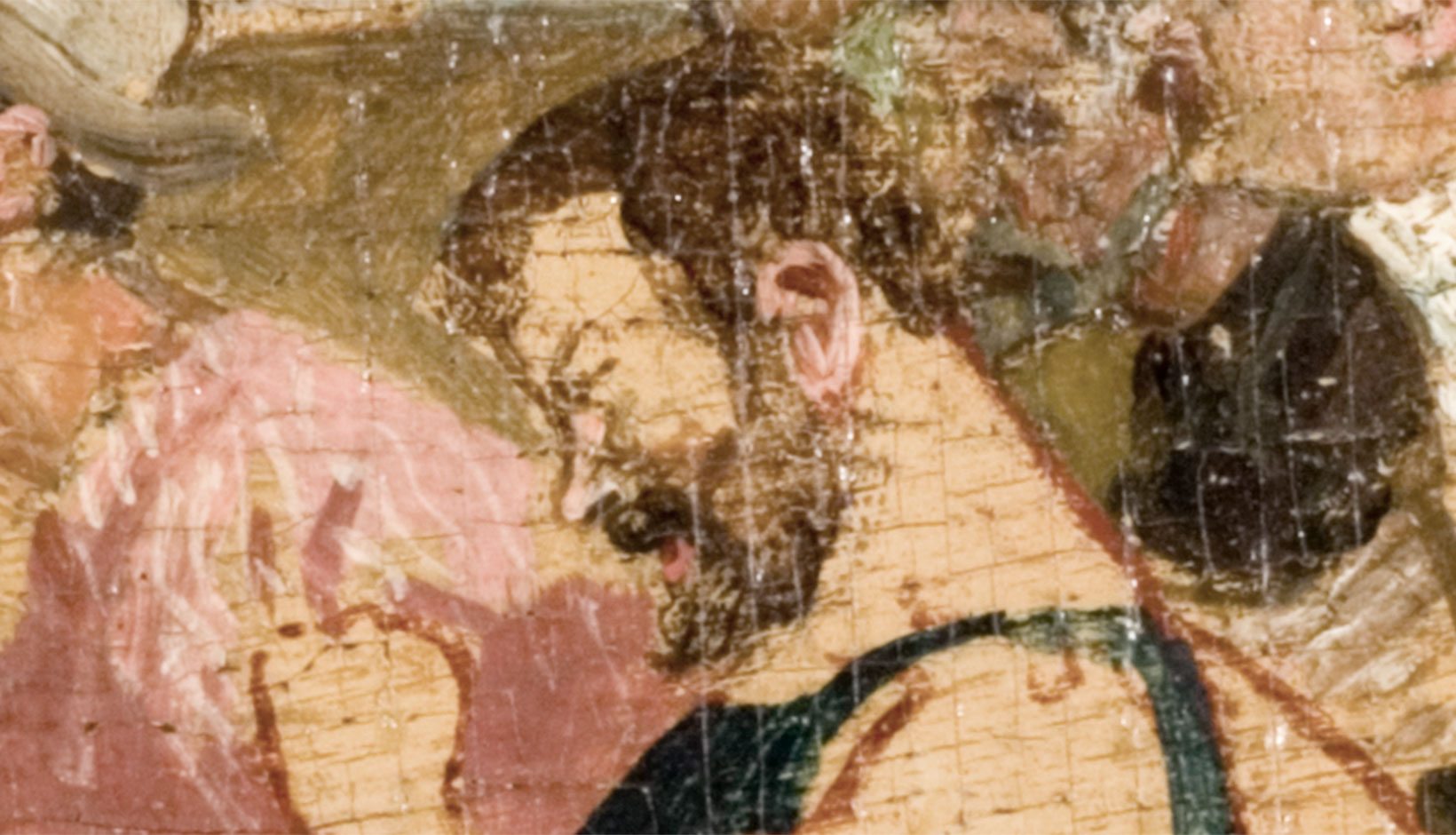
Alphonse Jongers
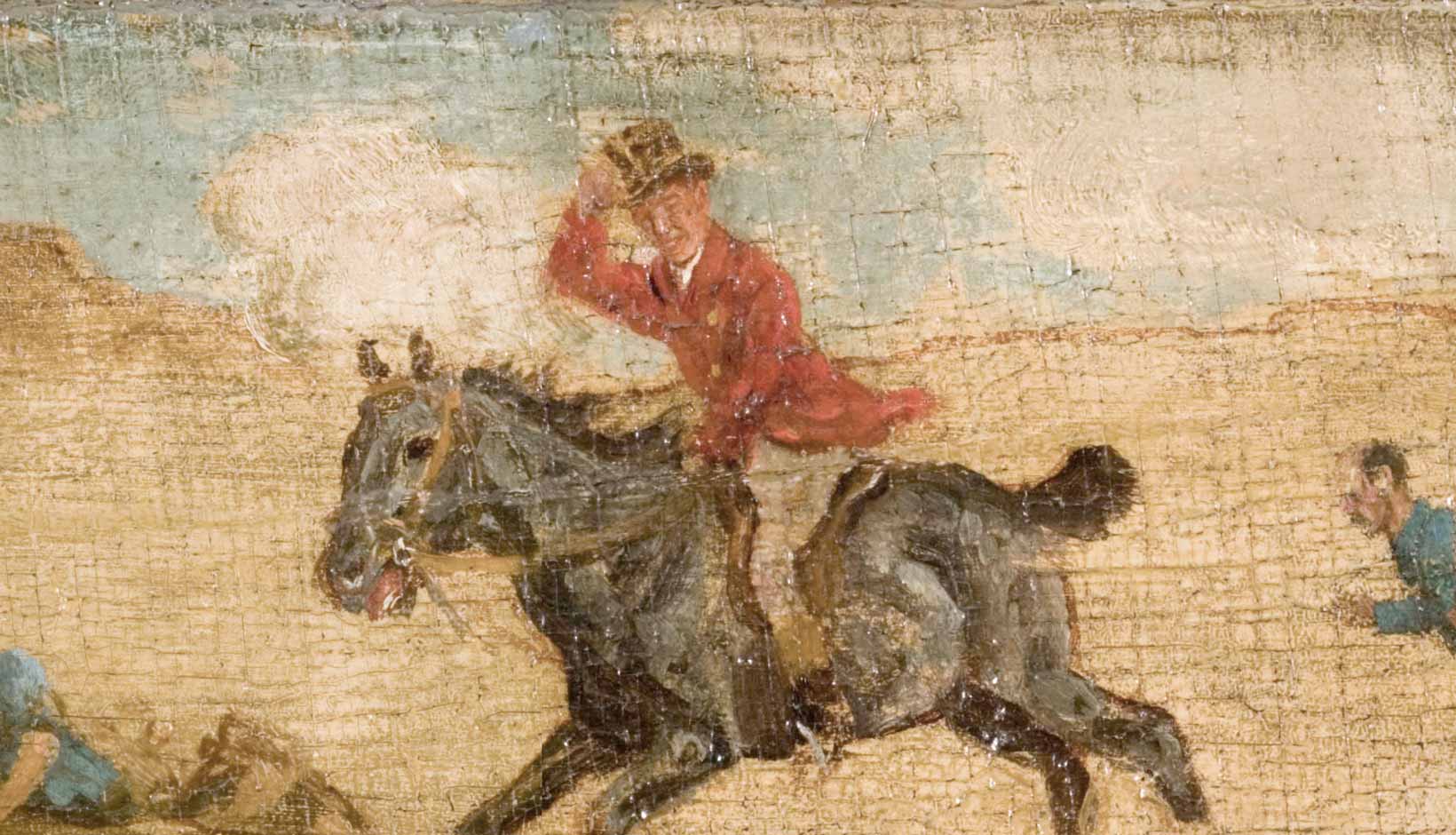
Arthur Henry Howard Heming
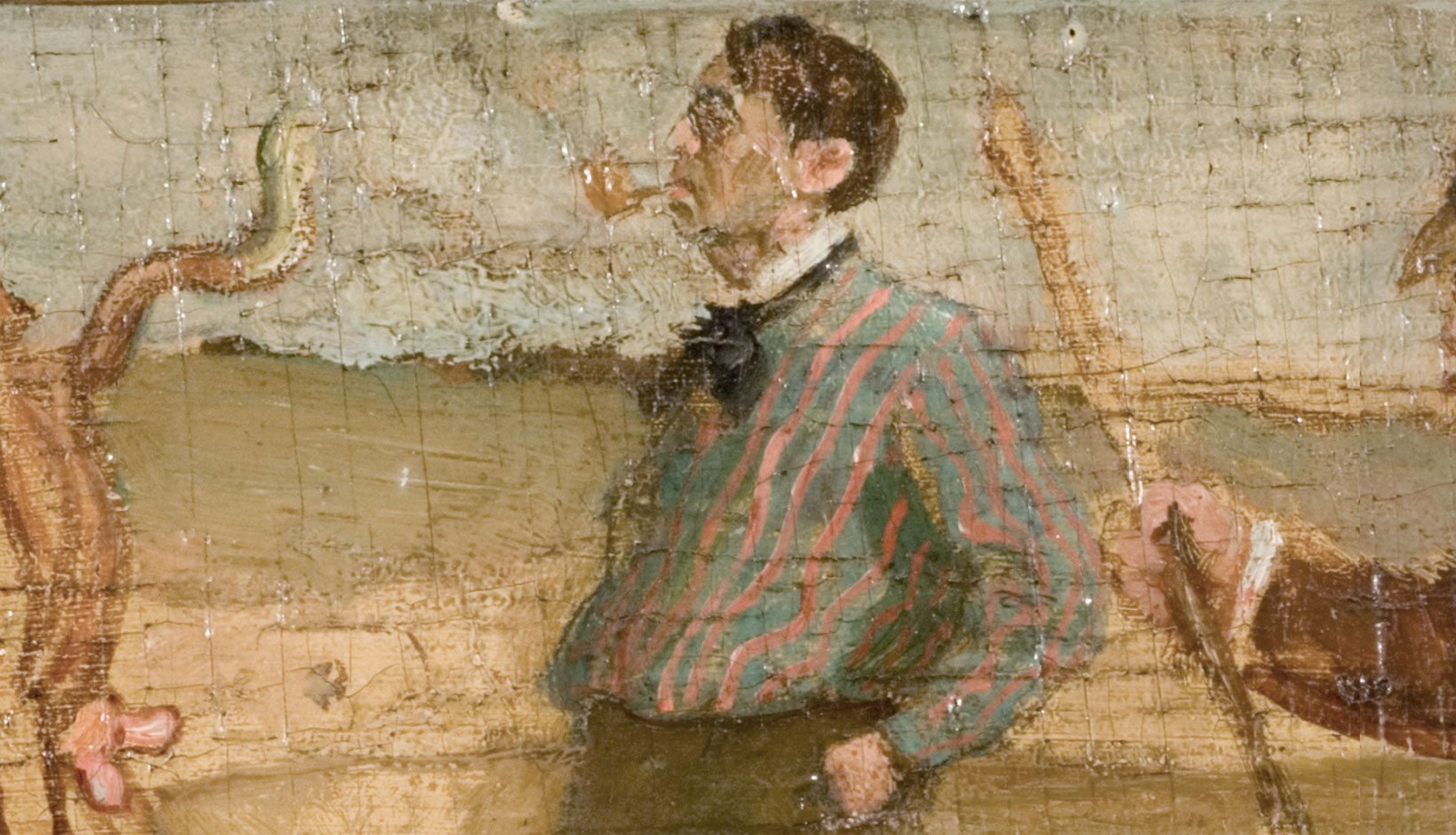
John Carleton Wiggins
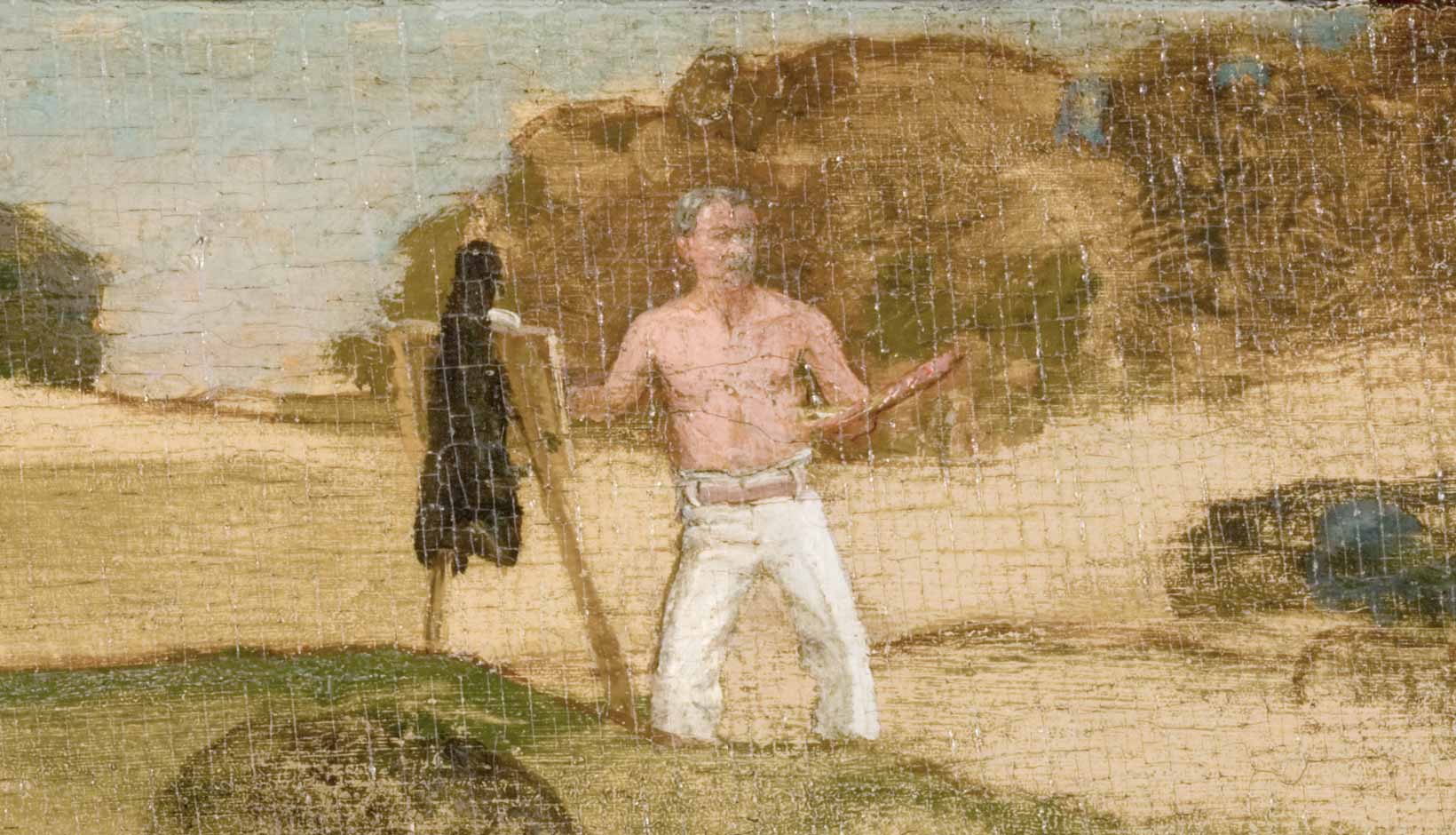
Childe Hassam
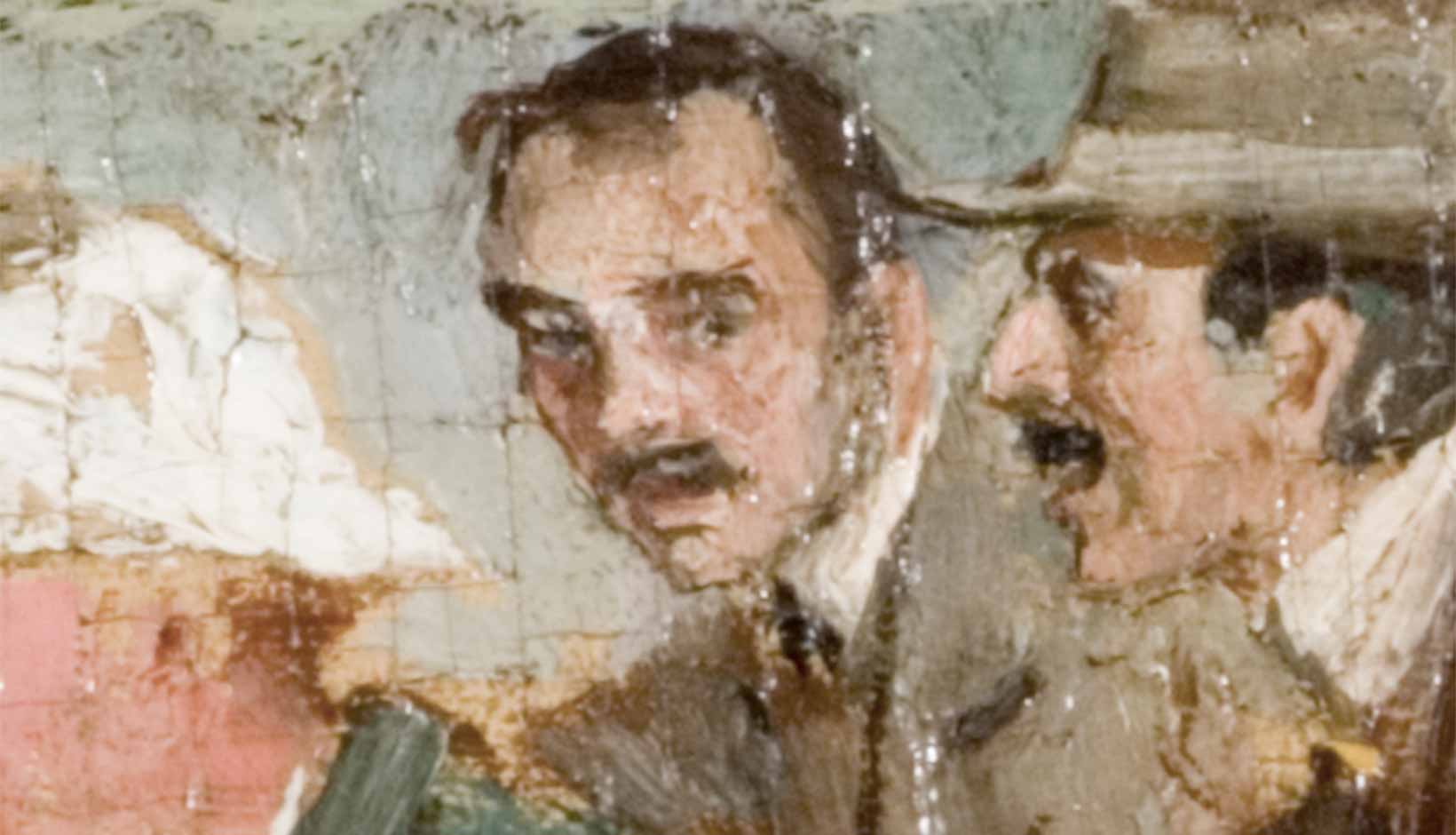
Clark Voorhees
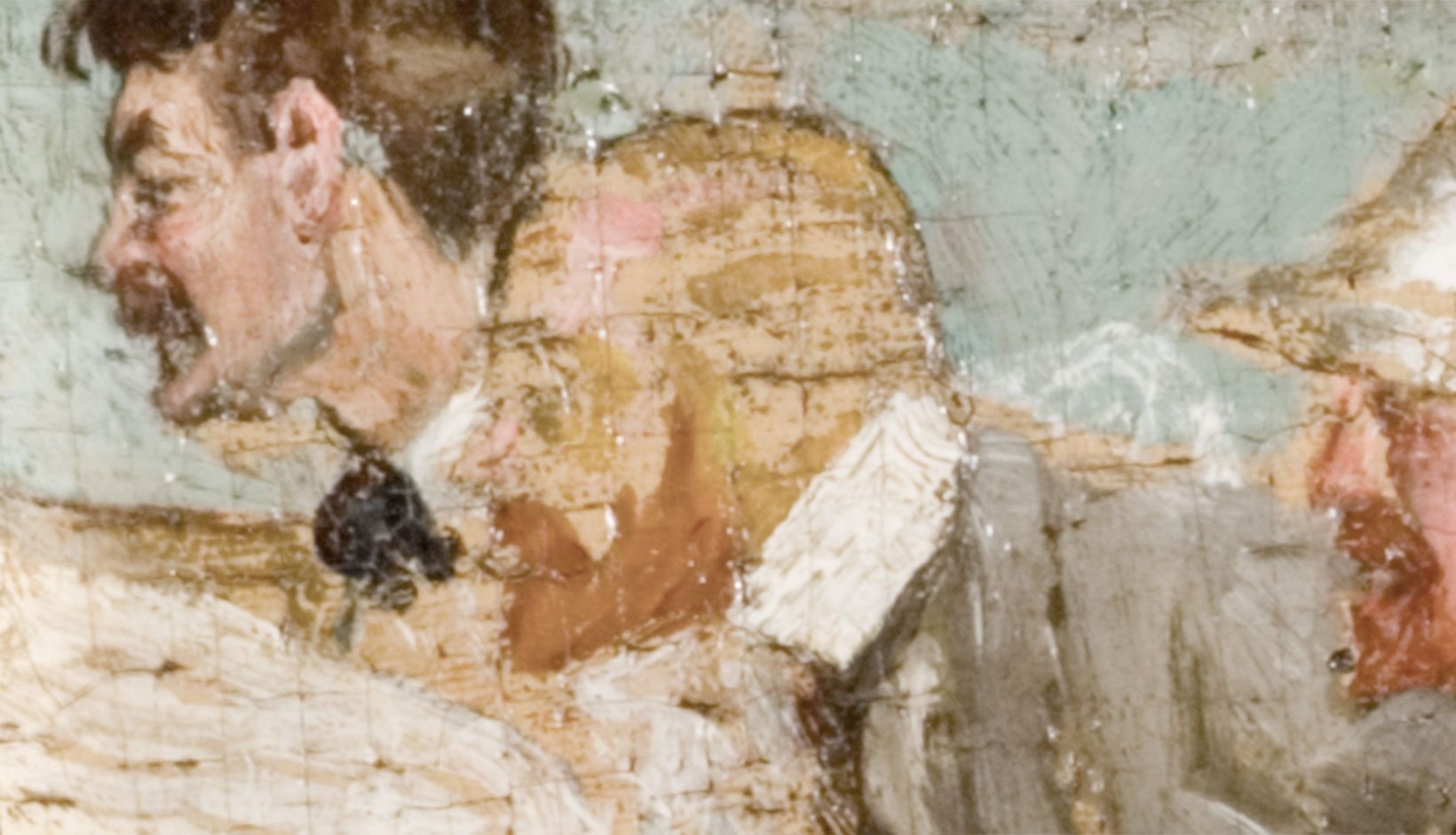
Owen Cullen Yates
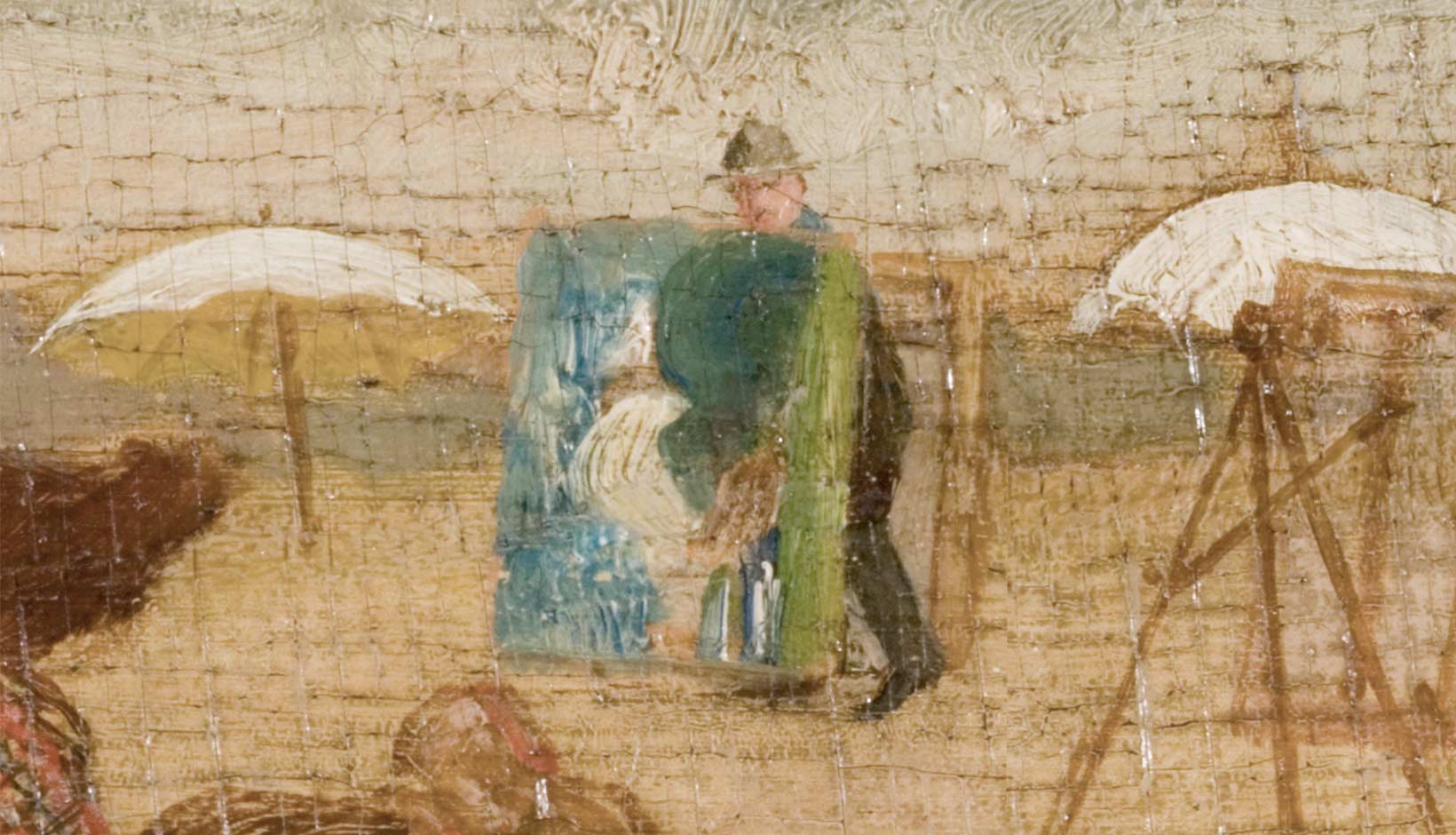
Edward Rook
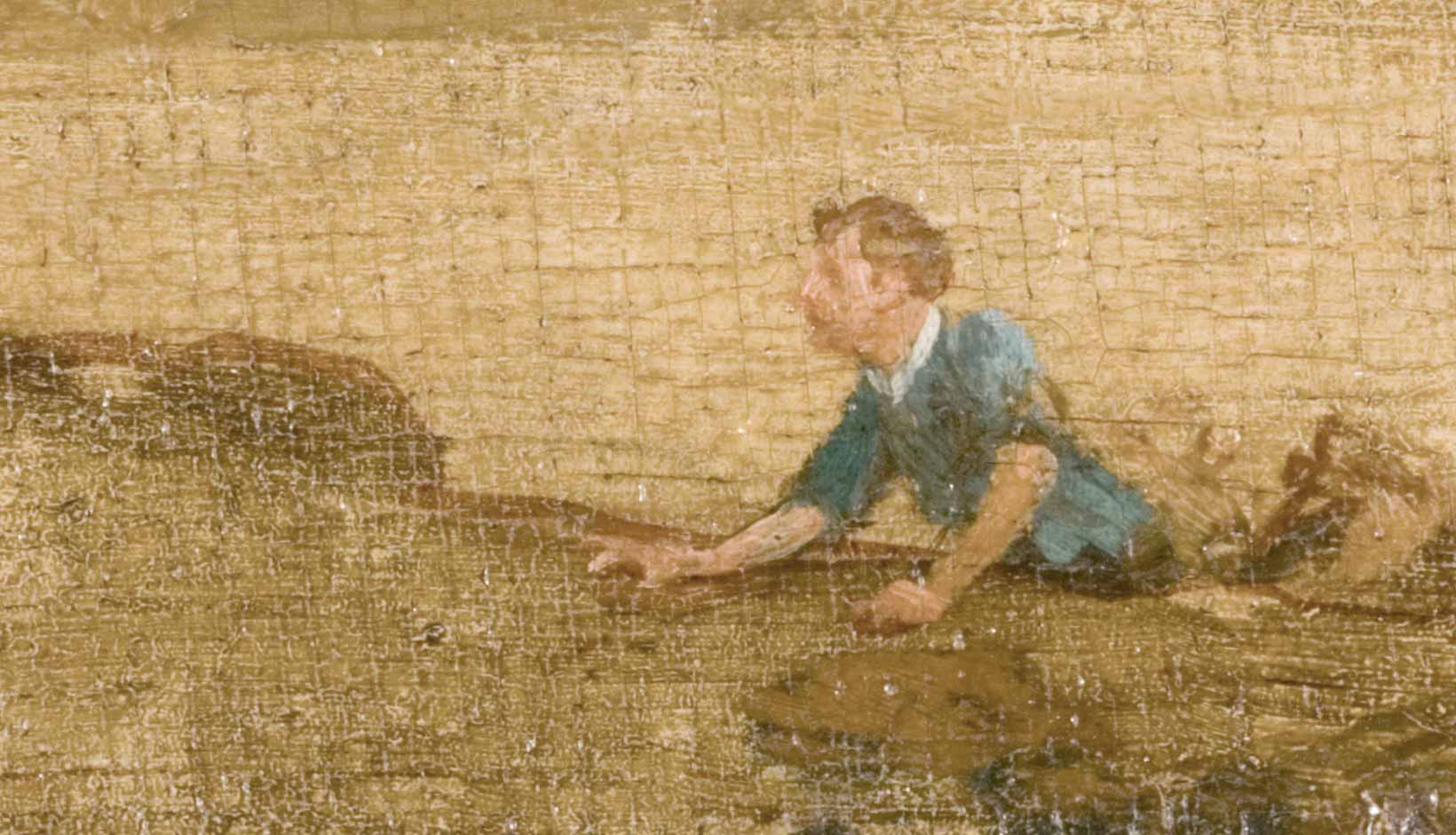
Frank Alfred Bicknell
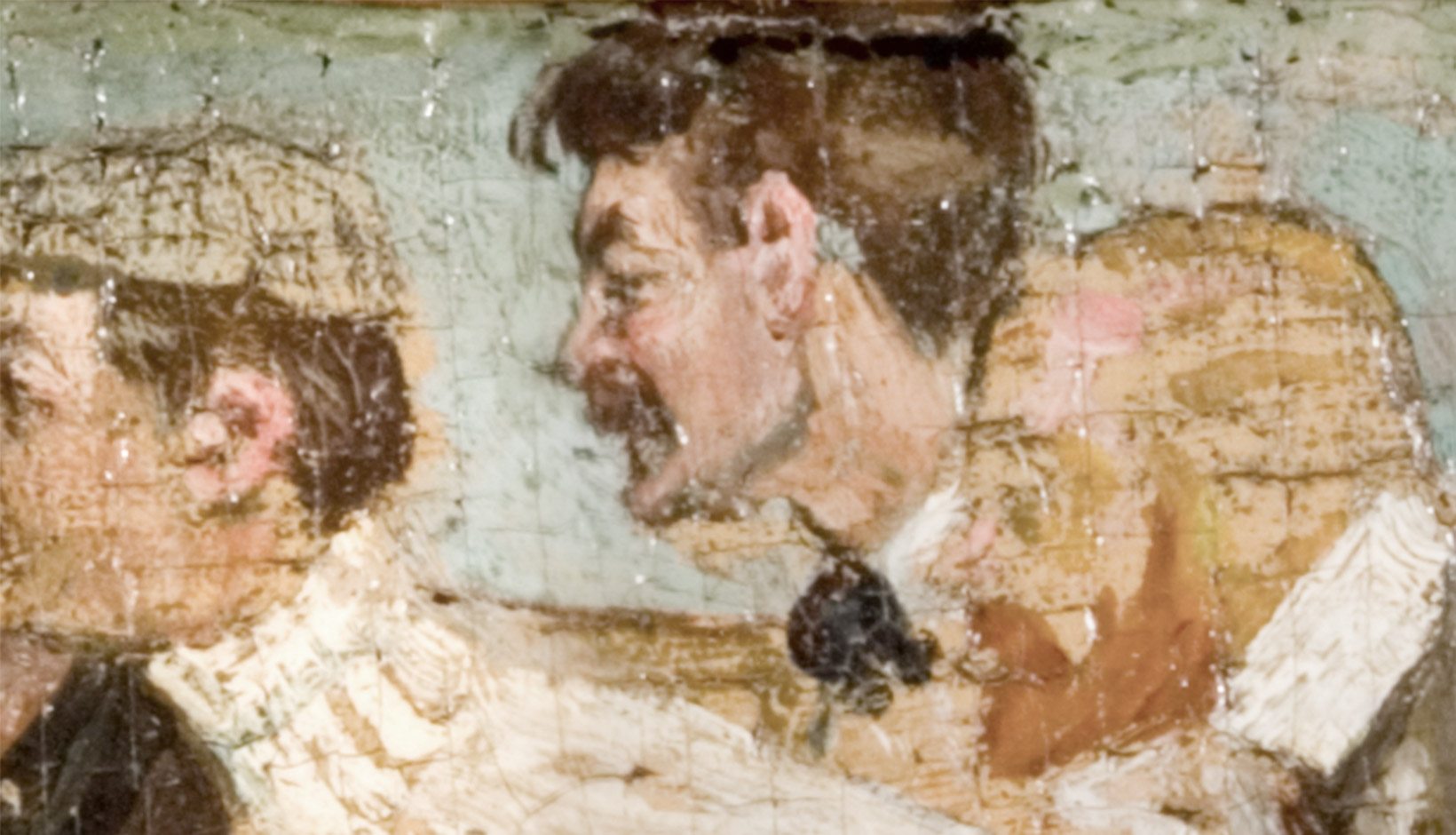
Frank Vincent DuMond
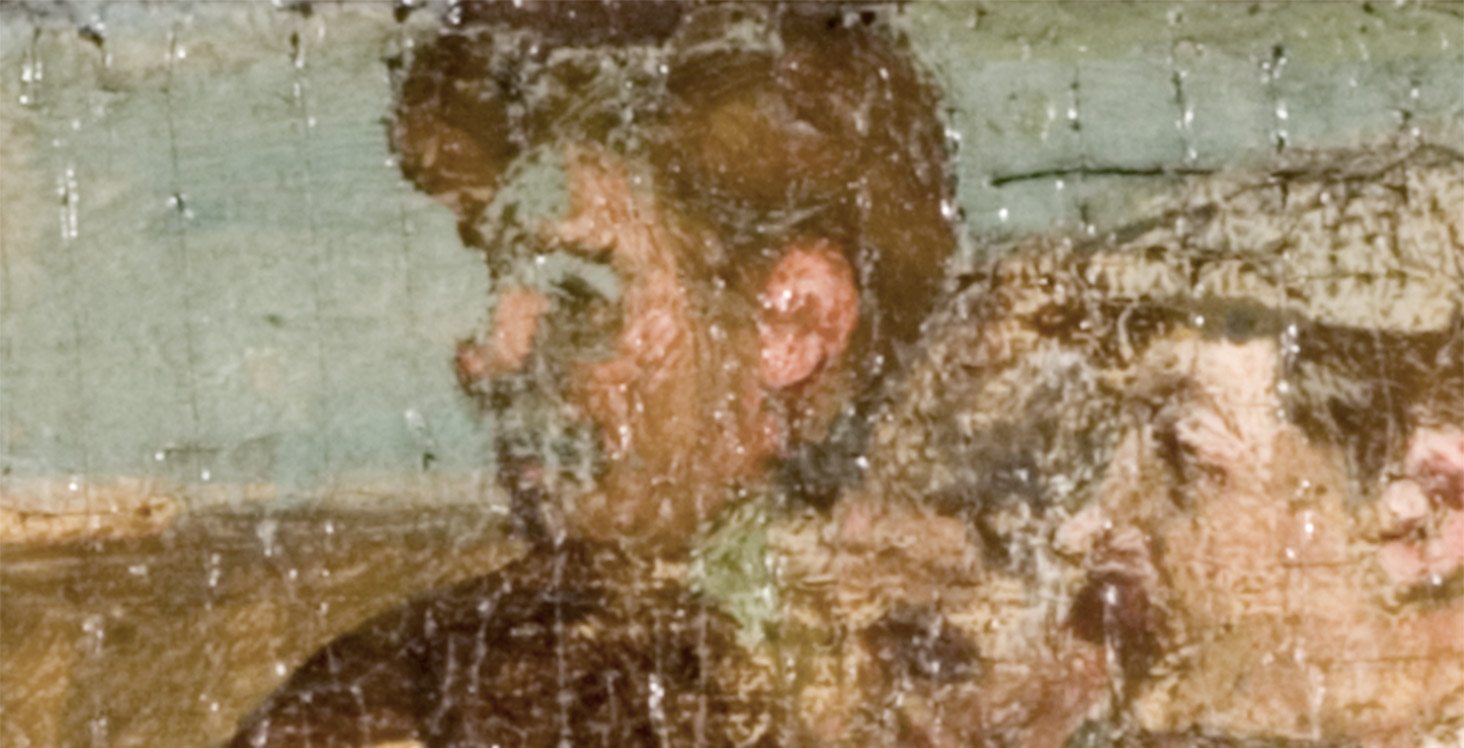
George Hirst Bogert
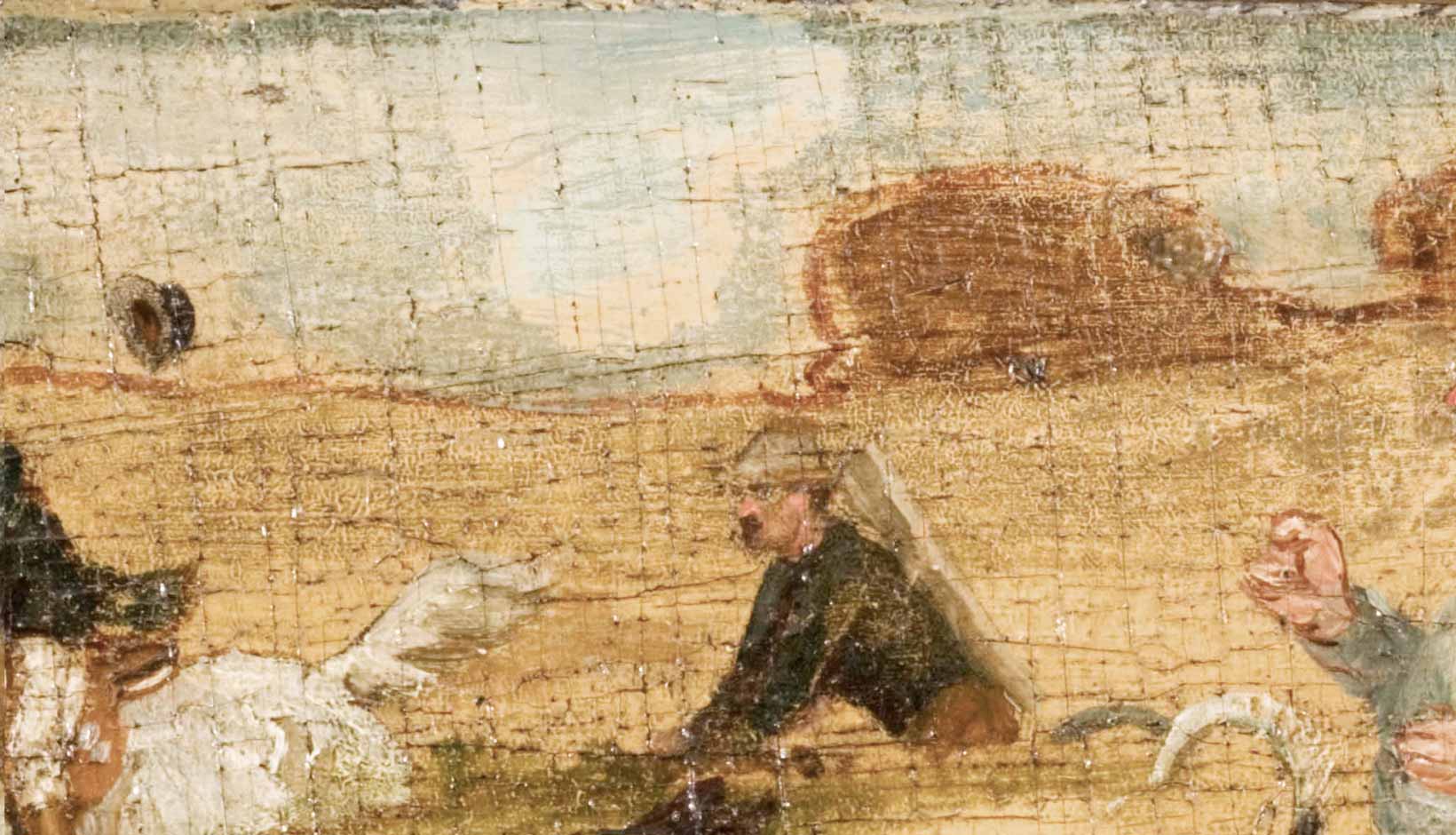
Harry Hoffman
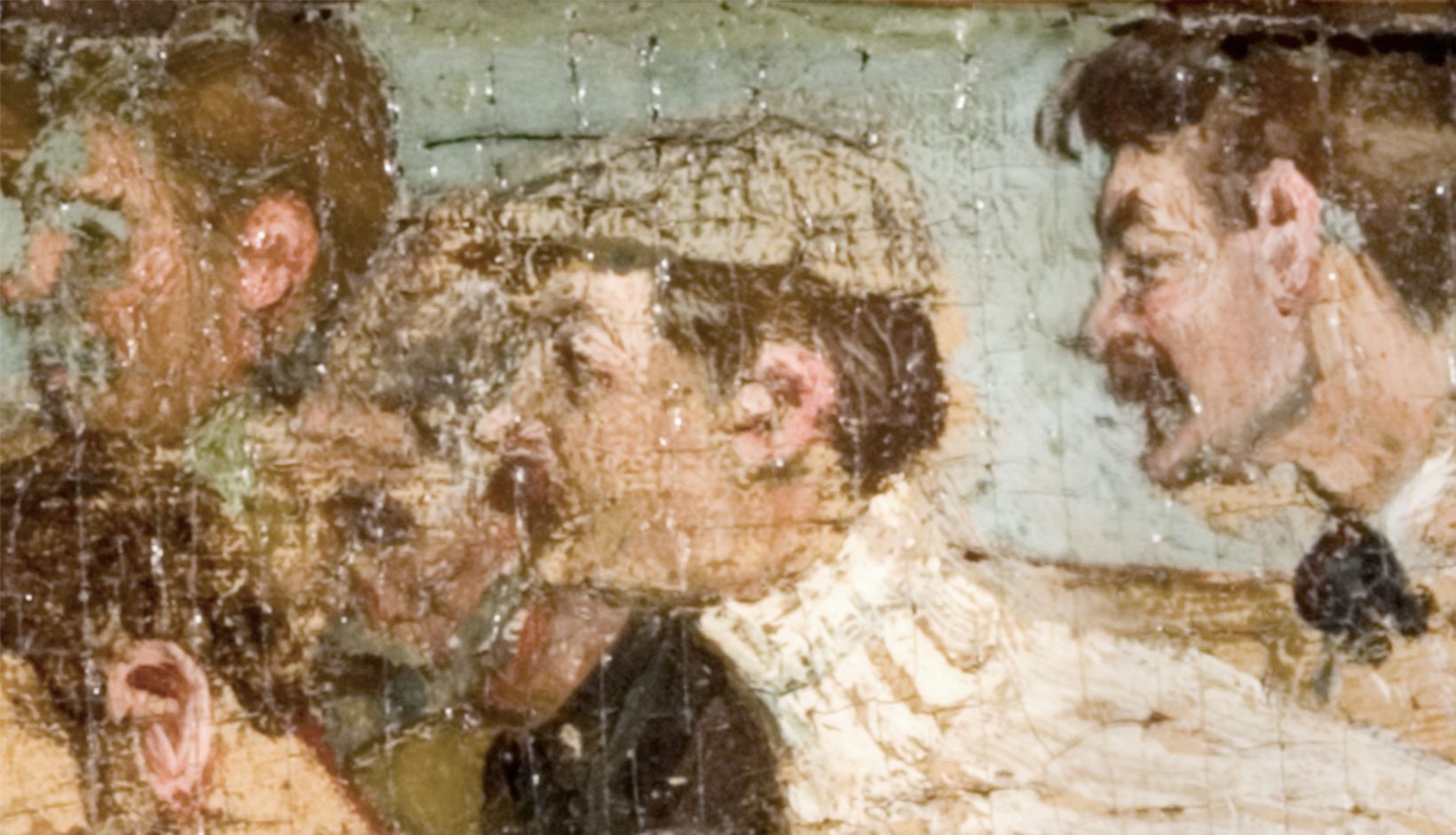
Henry Rankin Poore
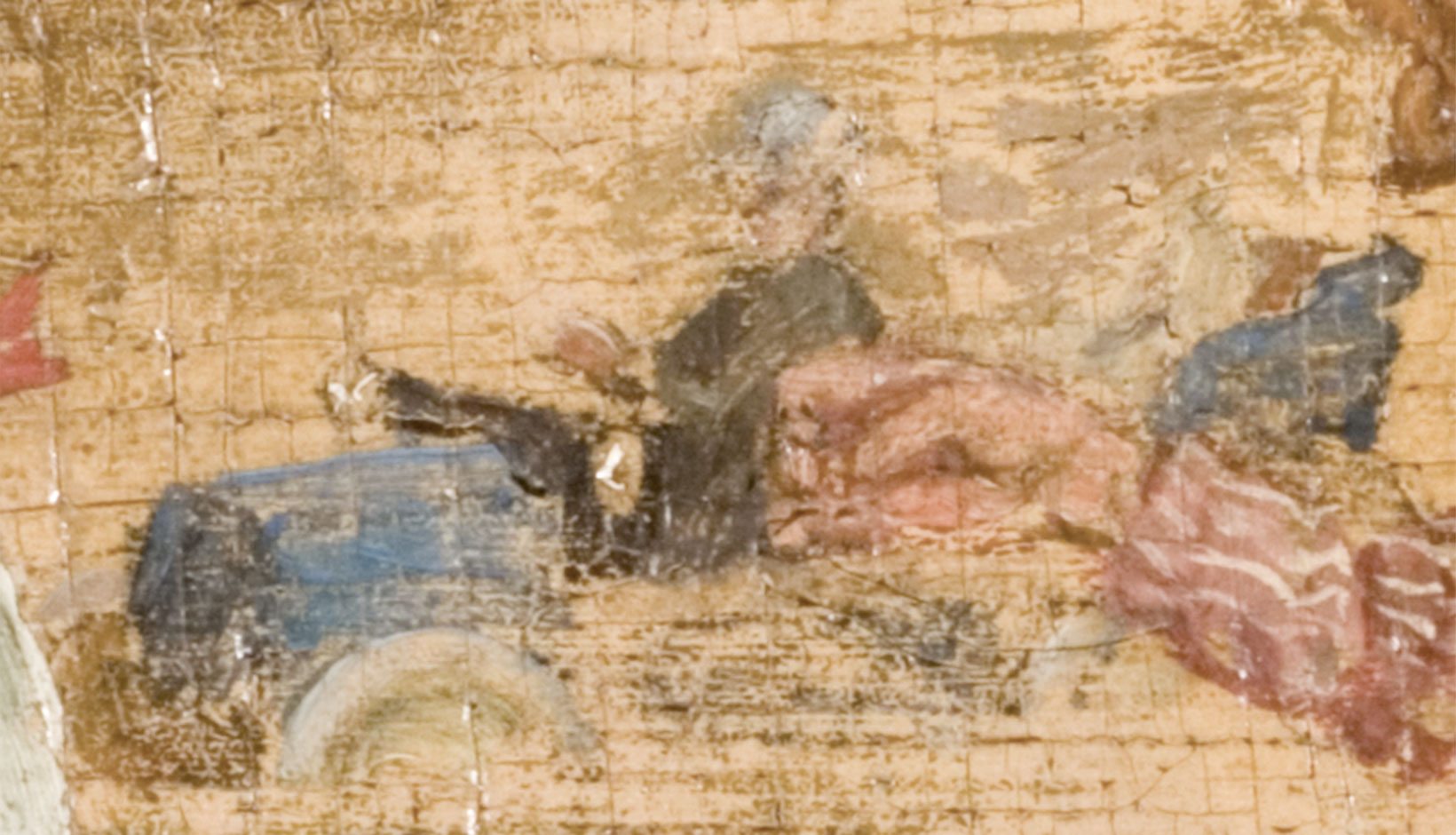
Henry C. White
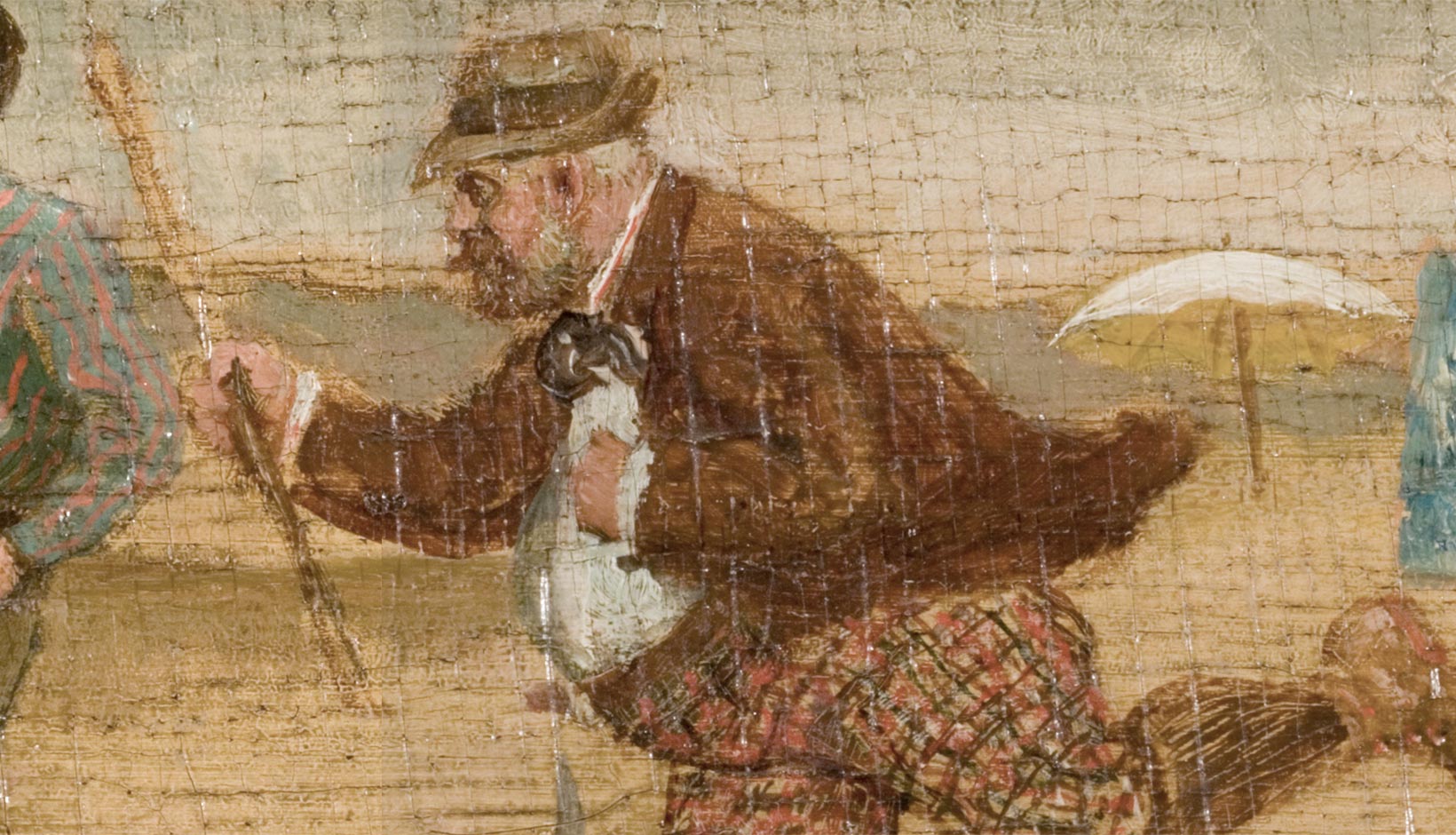
Henry Ward Ranger
Jules Turcas
Lewis Cohen
Louis Paul Dessar
Matilda Browne
Walter Griffin
Will Howe Foote
Willard Leroy Metcalf
William Henry Howe
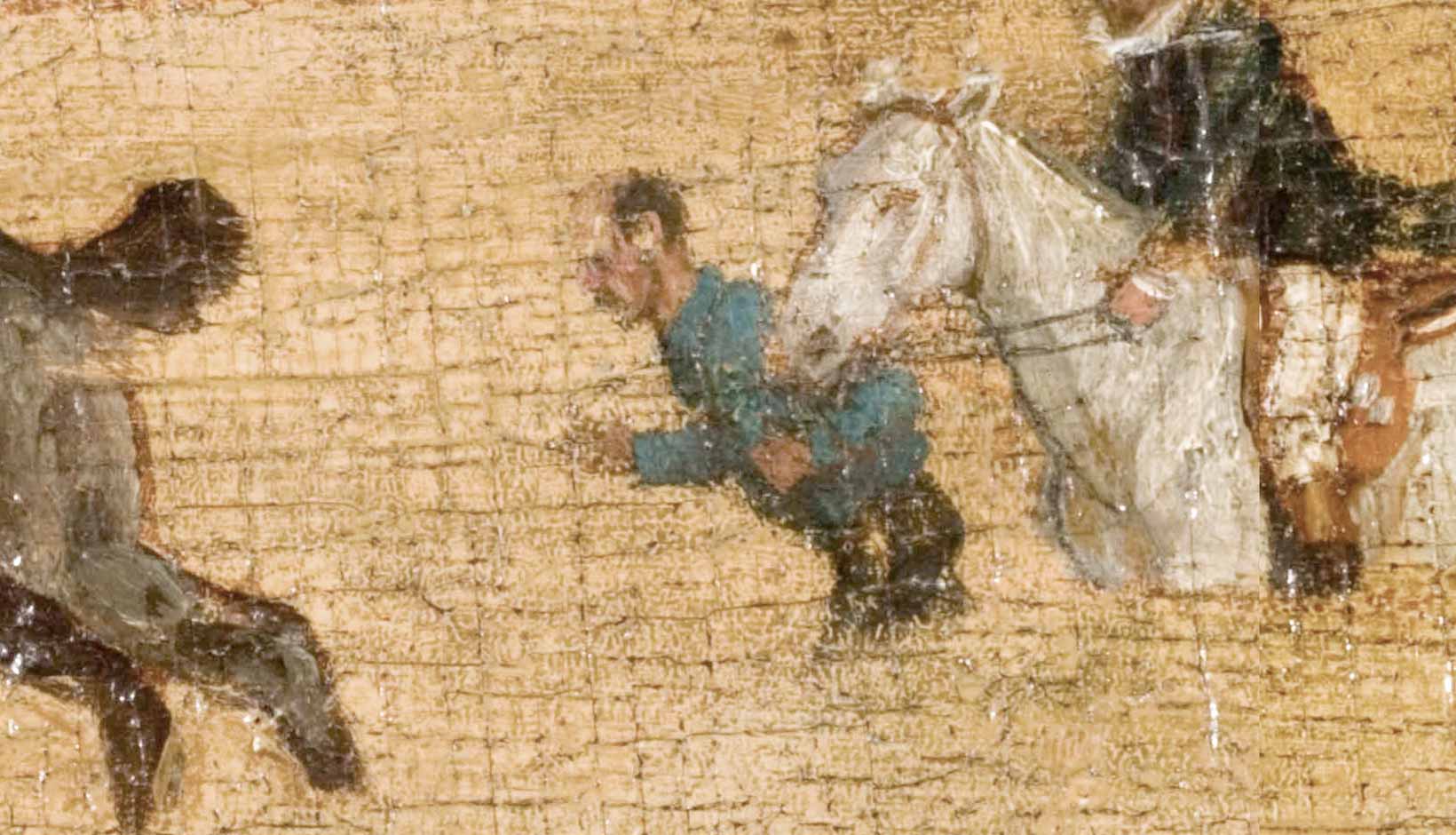
William S. Robinson
OTHER DETAILS
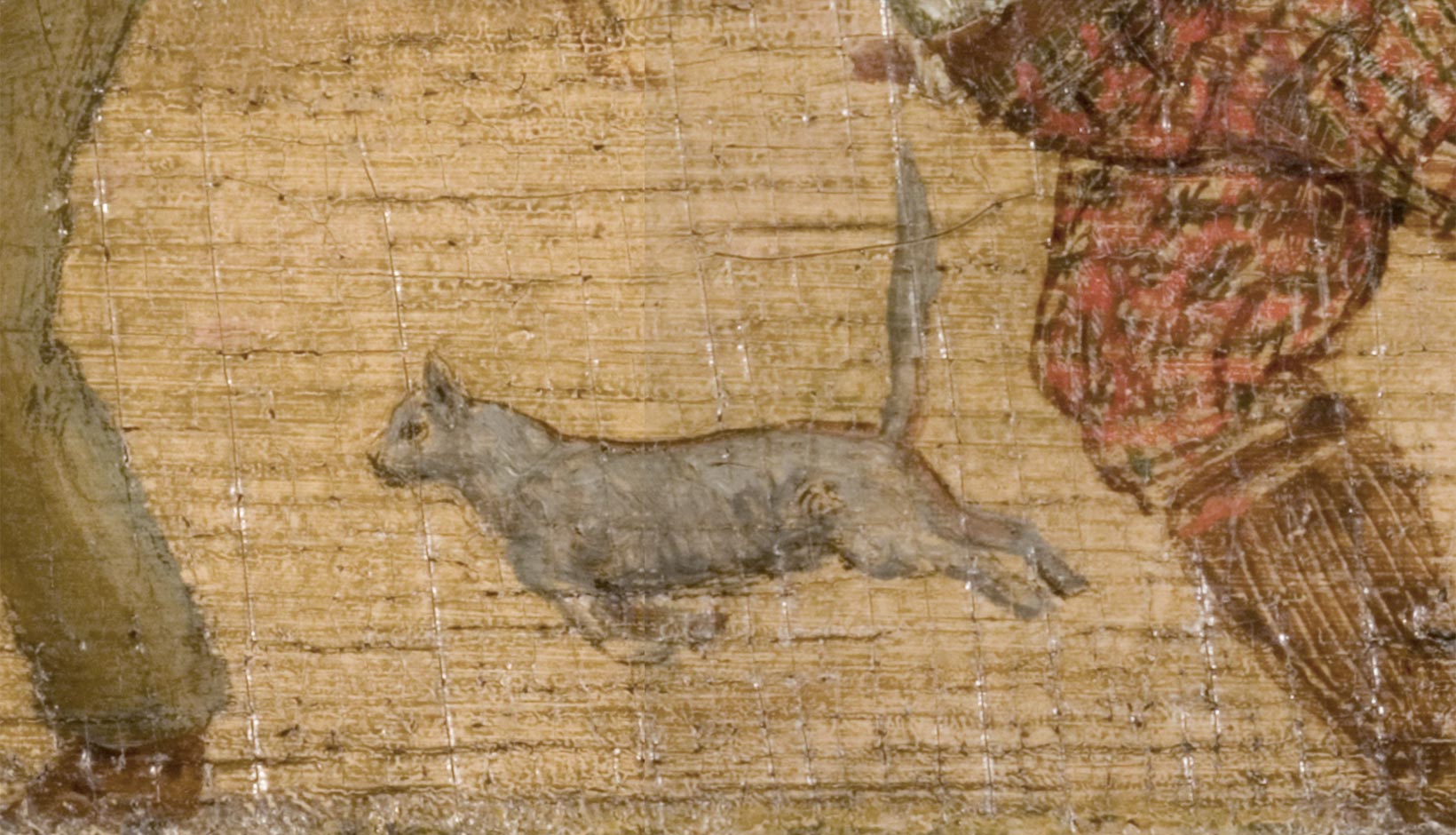
The Cat
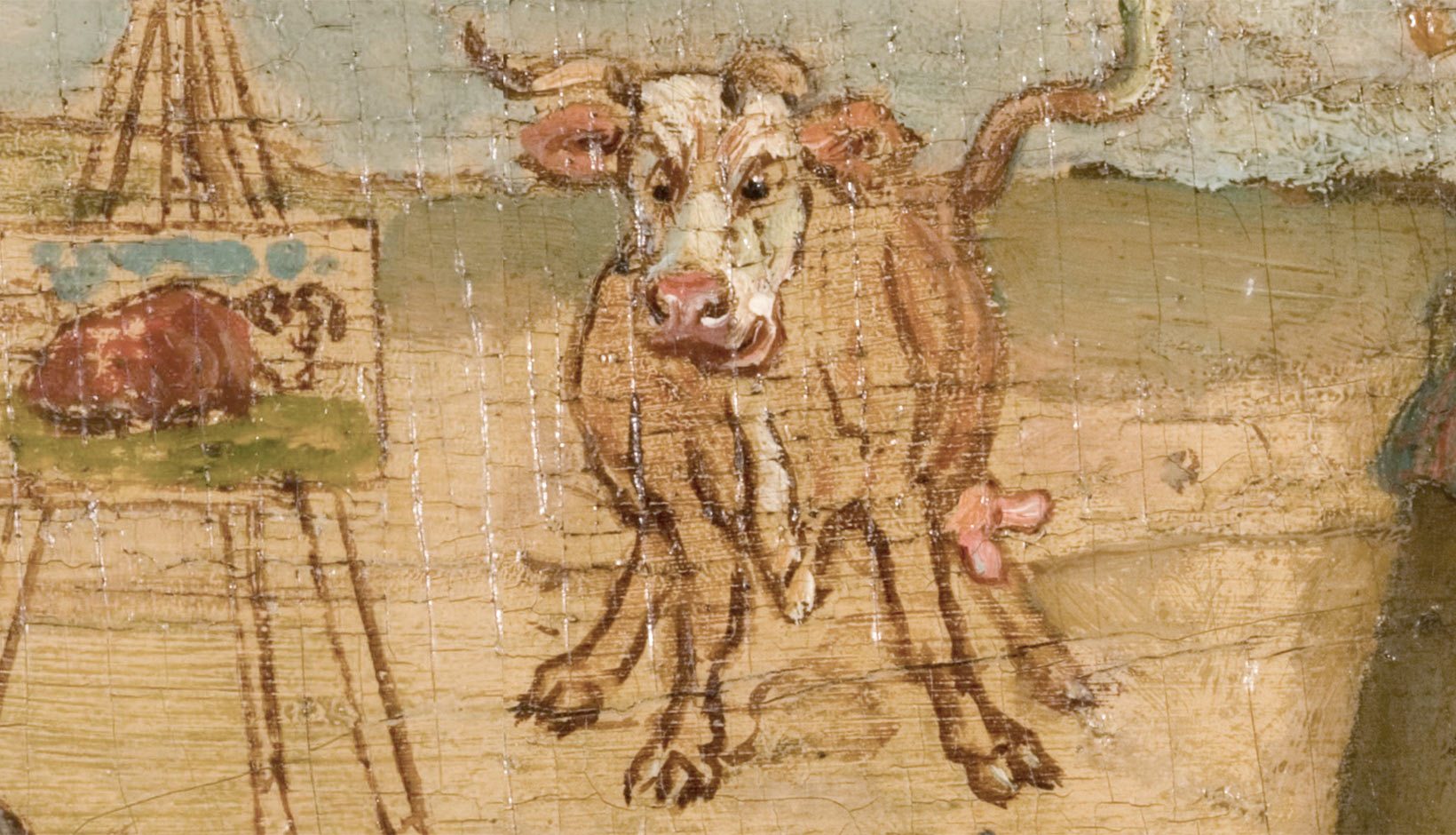
The Cow
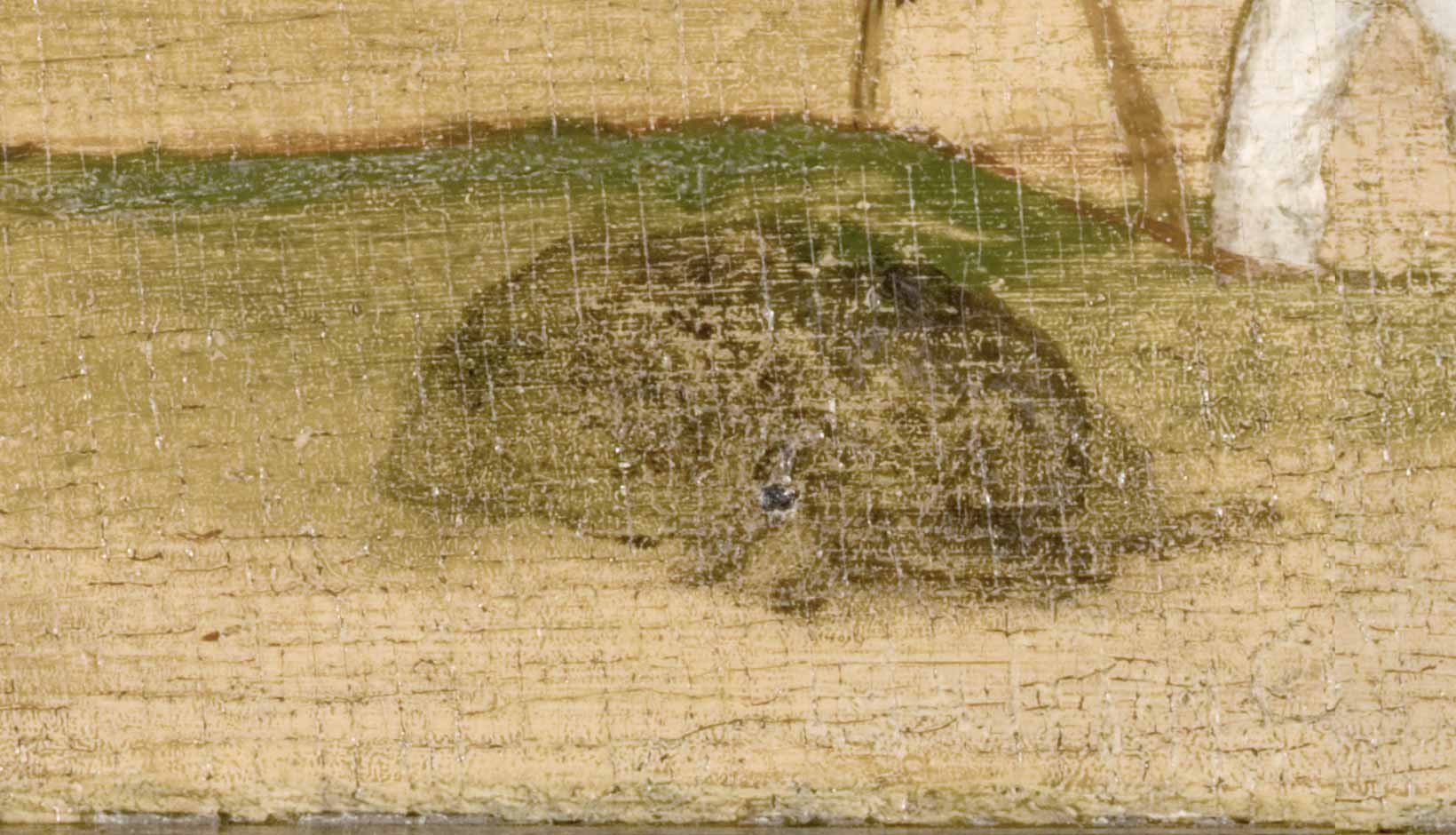
Dog / Rock
The Fox
Pack of Dogs
The Landscape of Lyme
The Village of Old Lyme
Tonalism