“Nothing More American:” Immigration, Sanctuary, and Community – an exhibition by Matthew Leifheit
The white clapboard meetinghouse with its towering steeple is an icon of New England’s architecture and art, appearing often in paintings and photographs that depict it at the heart of the region’s small towns. “Nothing More American” brings together depictions of Old Lyme’s renowned First Congregational Church by 19th– and early-20th-century painters such as Childe Hassam with photographs by contemporary artist Matthew Leifheit that contemplate the meetinghouse’s evolving symbolism.
In summer 2018, The New Yorker published an article by Dave Eggers with photographs by Matthew Leifheit of a Pakistani family that sought refuge from deportation May through October 2018 in the First Congregational Church of Old Lyme. Leifheit shot portraits of immigrants Malik Naveed bin Rehman, his wife Zahida Altaf, and their daughter Roniya, an American citizen. This exhibition presented Leifheit’s portraits of the family taken inside the church, while also expanding the series with new work that considers the intersection between the fraught topic of immigration and the history of the Old Lyme church as an icon in American art. Once a symbol of New England colonists’ pious ambition to establish a new society, the “meetinghouse” merged religion, government, and community into a powerful civic ideal that prevailed for two centuries. As depicted by Leifheit, the Old Lyme meetinghouse is both ark and prison, sheltering and confining a family hoping to partake in that American ideal. Leifheit’s photos evoke what it was like for the family during their months inside the church, creating images of their living spaces, the art they made while there, and the people from the congregation who helped them. Leifheit’s photos of the church’s neoclassical spaces and architectural details encourage us to approach it with reverence as a sanctuary, as well as with a sense of history. Since the family’s departure, another individual has sought sanctuary in the building, which also factored into Leifheit’s photography.
Leifheit’s photographs often contemplate the relationship between architecture and people. Now his images join a long line of artistic responses to Old Lyme’s First Congregational Church, a building whose classical form incorporates pediments, columns, and Ionic capitals reminiscent of a Greek temple.
This exhibition envisioned presenting Leifheit’s photos in conjunction with traditional paintings of the Old Lyme church and similar meetinghouses drawn from the Museum’s permanent collection, with selected loans. The title, Nothing More American, comes from artist Lorado Taft’s description of Hassam’s painting Church at Old Lyme as “nothing more American on all the continent,” a sentiment that resonates both with the historic image of the church and with the relationship of immigration to the American dream. Traditional paintings and contemporary photographs hanging together in the galleries allowed the exploration of questions of nationality and identity through media ranging from portraits to landscapes across the century.
“As depicted by Leifheit, the Old Lyme meetinghouse is both ark and prison, sheltering and confining a family hoping to partake in the American dream,” notes Curator Amy Kurtz Lansing. “’Nothing More American’ is sure to spark conversation and debate and we will make every effort to present the topic and its themes with sensitivity to all viewpoints.”
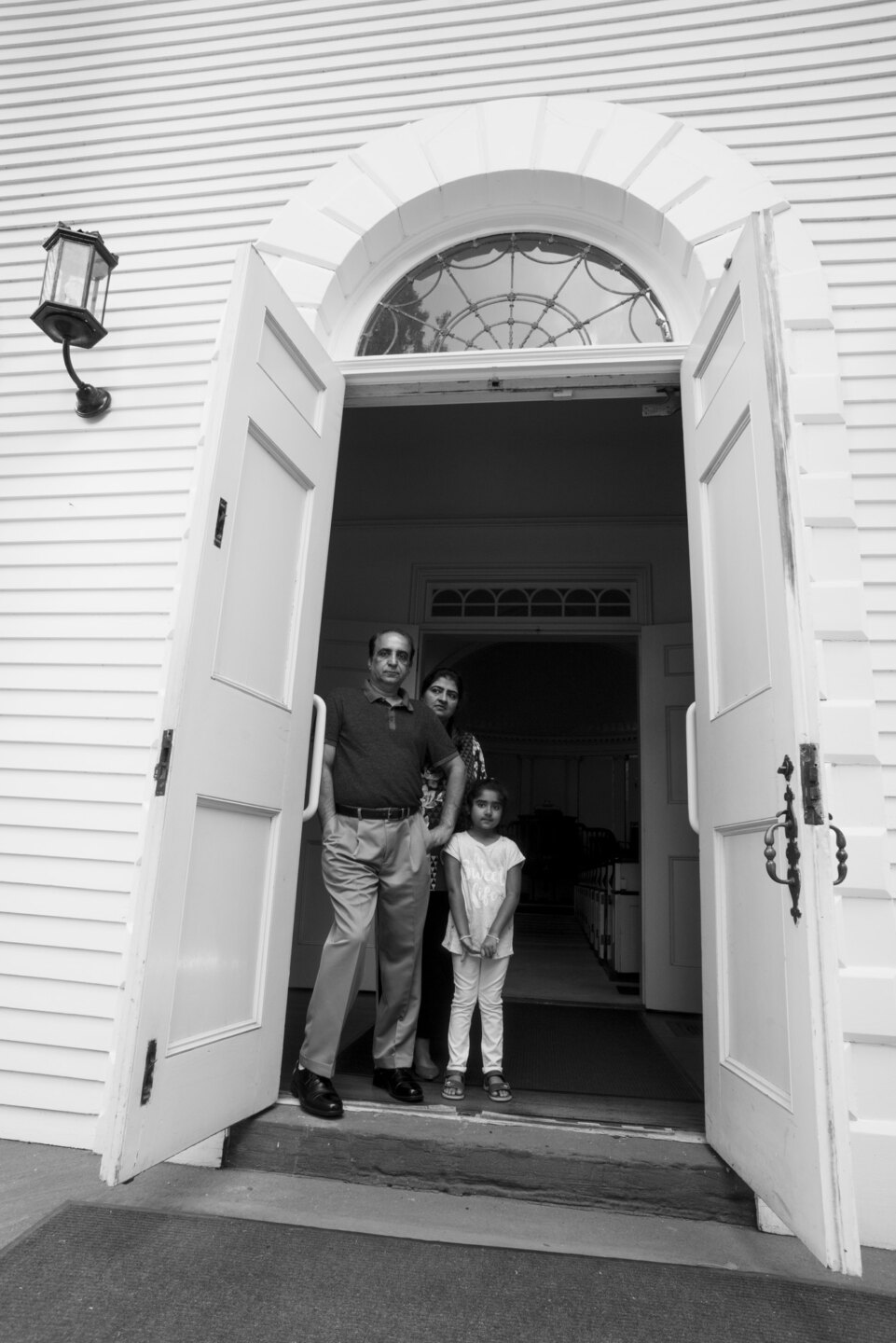
Matthew Leifheit, Malik Naveed bin Rehman, Zahida Altaf, and daughter Roniya in sanctuary at the First Congregational Church, Old Lyme, 2018. Courtesy of the artist.
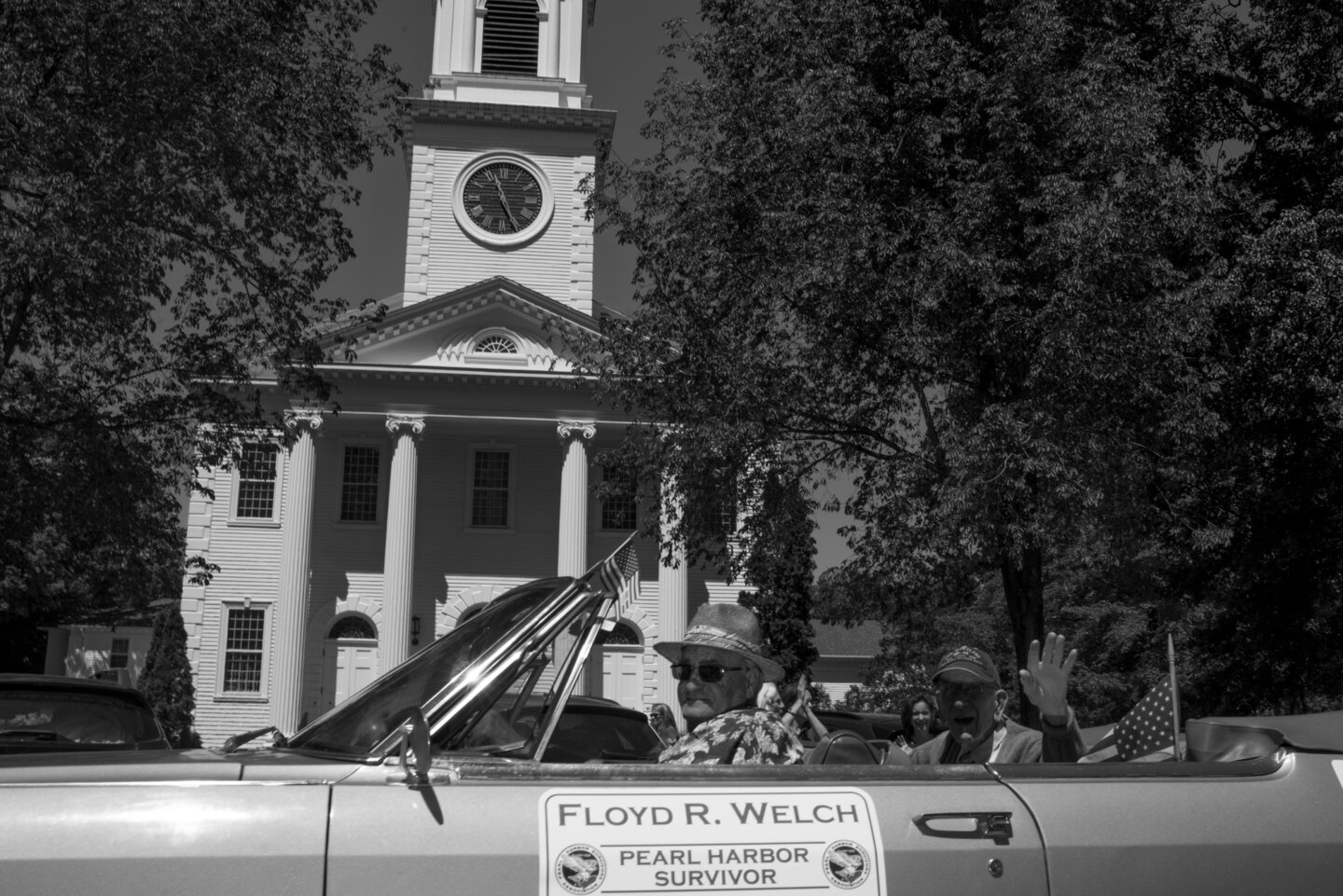
Matthew Leifheit, Memorial Day parade in front of the First Congregational Church, Old Lyme, 2019. Courtesy of the artist.
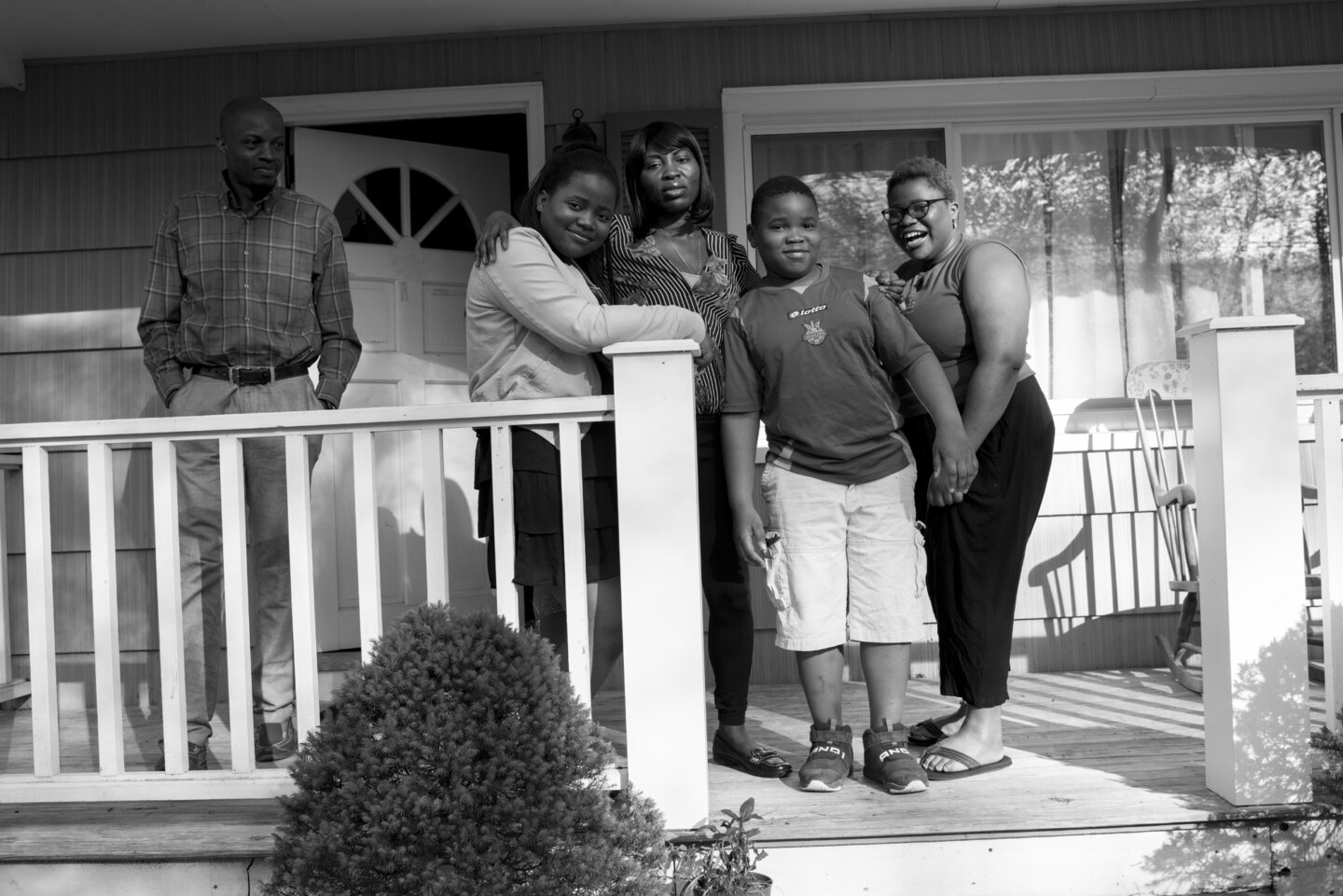
Matthew Leifheit, Joseph Kazadi, Martine Kabanga, and their children Miriama, Drysile, and Joey, 2019. Courtesy of the artist.
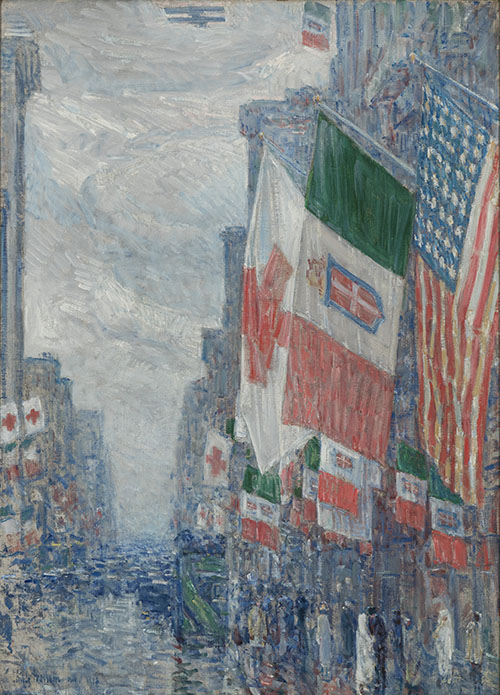
Childe Hassam, Italian Day, May 1918, 1918. Oil on canvas, 36 x 26 inches. On loan from Art Bridges
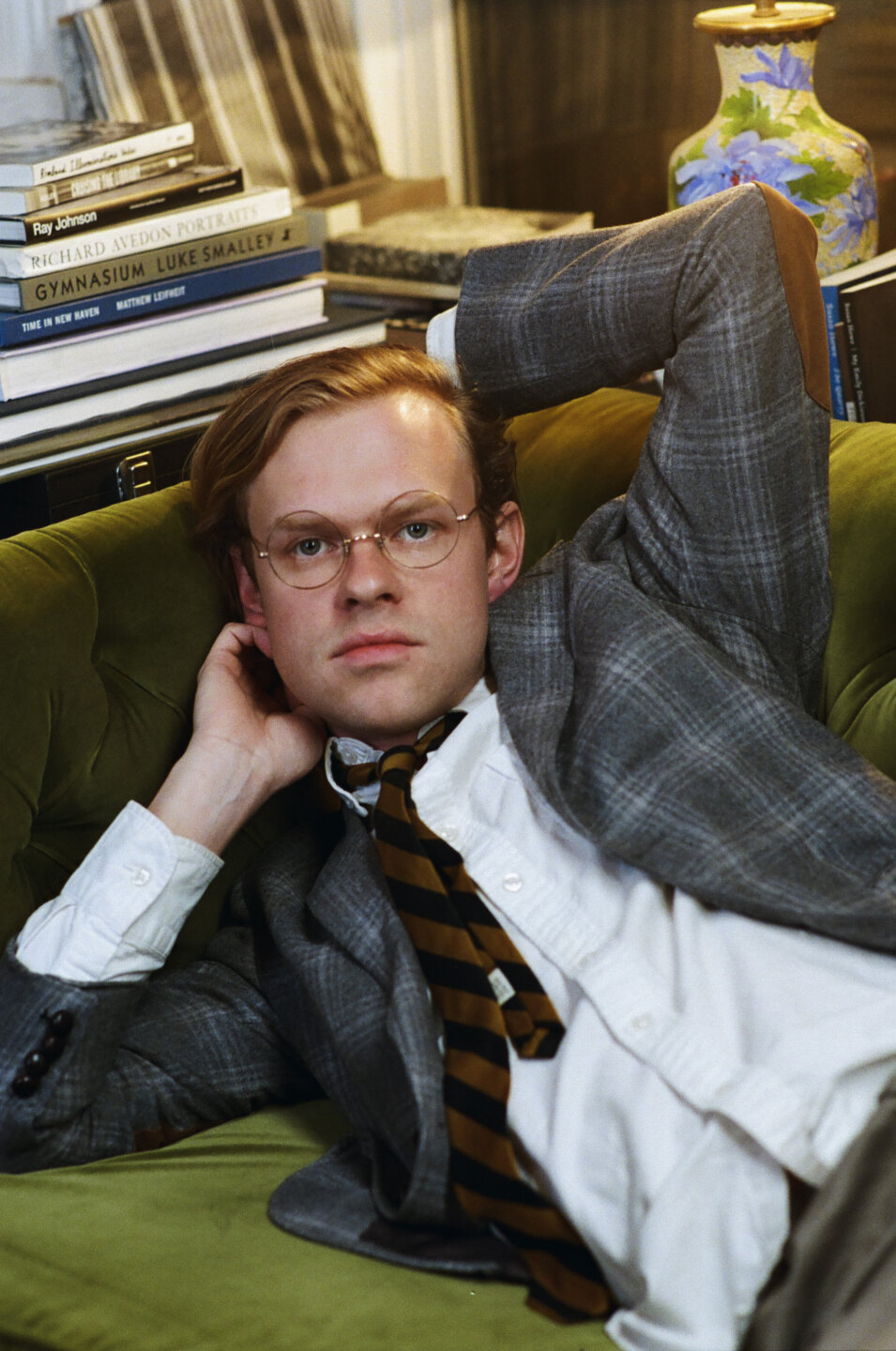
Matthew Leifheit, Courtesy of the artist
Nothing More American was made possible with generous support from Art Bridges, the Department of Economic and Community Development, The David T. Langrock Foundation, Mr. Charles T. Clark, The Howard Gilman Foundation, The Vincent Dowling Family Foundation, Mr. & Mrs. J. Geddes Parsons, Mr. William Blunt White, as well as donors to the Museum’s Annual Fund.