Lucien Abrams: A Cosmopolitan in Connecticut
March 21 through
June 1, 2014
This exhibition of over forty paintings and accompanying archival material was organized by the Old Jail Art Center in Albany, Texas. It was the first to examine the work of Lucien Abrams (1870–1941), who contemplated subjects as diverse as Algerian watering holes, New England circus tents, and shady plazas in the American southwest. Abrams is an important figure in the Lyme Art Colony and the evolution of American Impressionism in the twentieth century. His work represents an attempt to maintain the vitality of such a key modern movement. Lucien Abrams: A Cosmopolitan in Connecticut gave viewers newfound perspective on this well-educated, well-traveled man of art.
Abrams’ exhibition record is impressive, yet his work is not widely know due the small number of his paintings in public collections. For this exhibition, guest curator Michael R. Grauer drew from both public and private collections to examine Abrams’ contribution to Texas Impressionism, and also the American and worldwide Impressionist movement. To tailor the show to Old Lyme, curators at the Florence Griswold Museum explored his deep connections to Old Lyme through paintings, diaries, and photographs borrowed from his family and works from the Museum’s own collection. “Abrams immersed himself in the community and these materials, carefully preserved by his family, help restore our sense of the home and friendships he made here,” said Curator Amy Kurtz Lansing.
The exhibition shed light on Abrams’ life, travel, and impact on the practice of American Impressionism. His thorough familiarity with European art and life distinguished him from other Lyme Art Colony members whose European experiences were confined to a brief period of their lives. Abrams’ cosmopolitan outlook and aesthetic allowed him to infuse an updated appreciation for the modern into Impressionism in Old Lyme. As such, his presence stimulated the colony from 1914 until his death in 1941.
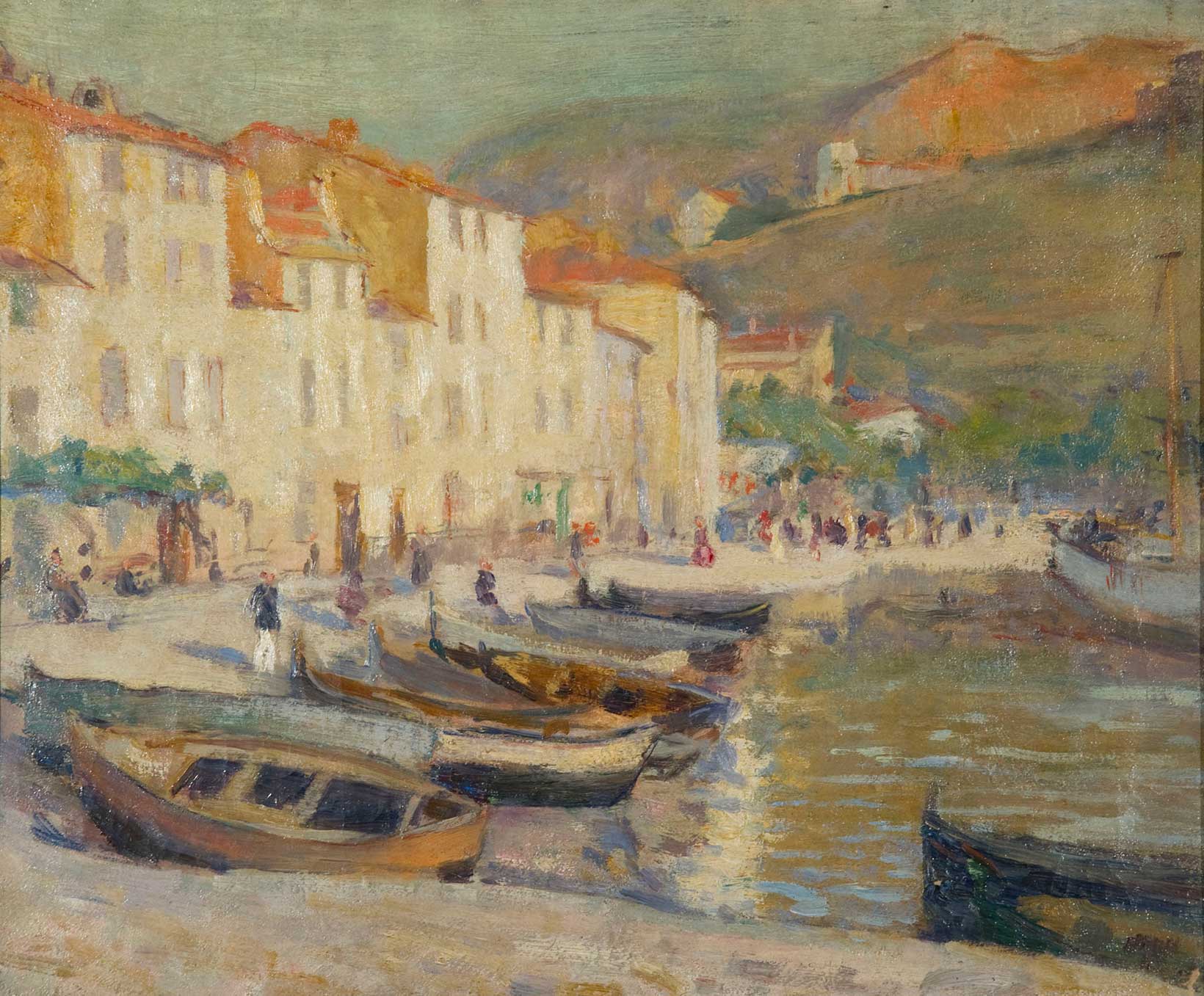
Lucien Abrams, Untitled (Cassis Waterfront), N.D. Oil on canvas. 18 1/4 x 21 1/4 inches. Private Collection
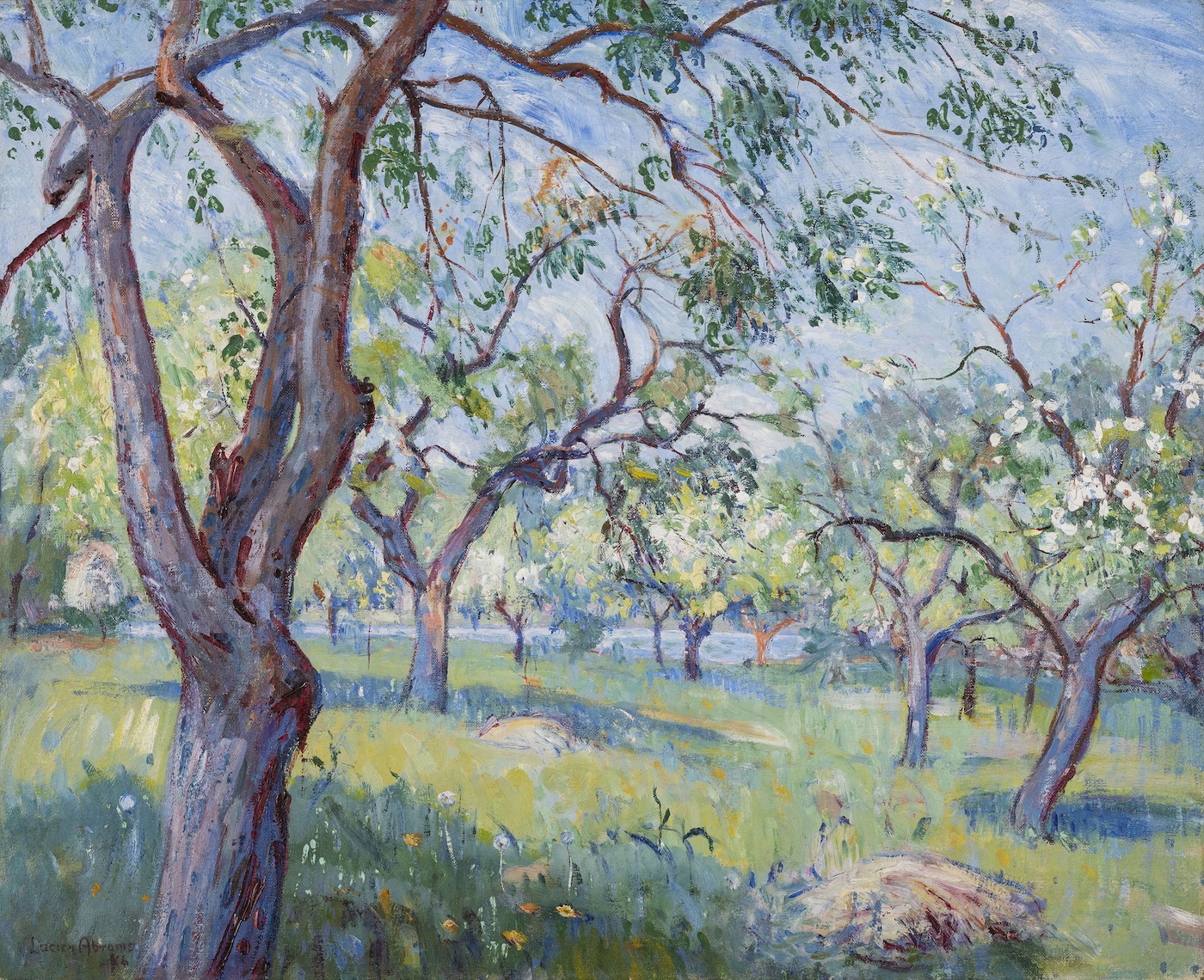
Lucien Abrams, The Orchard, 1916. Oil on canvas. 26 1/8 x 32 1/8 inches. Florence Griswold Museum, Gift of Mrs. Lucien Abrams
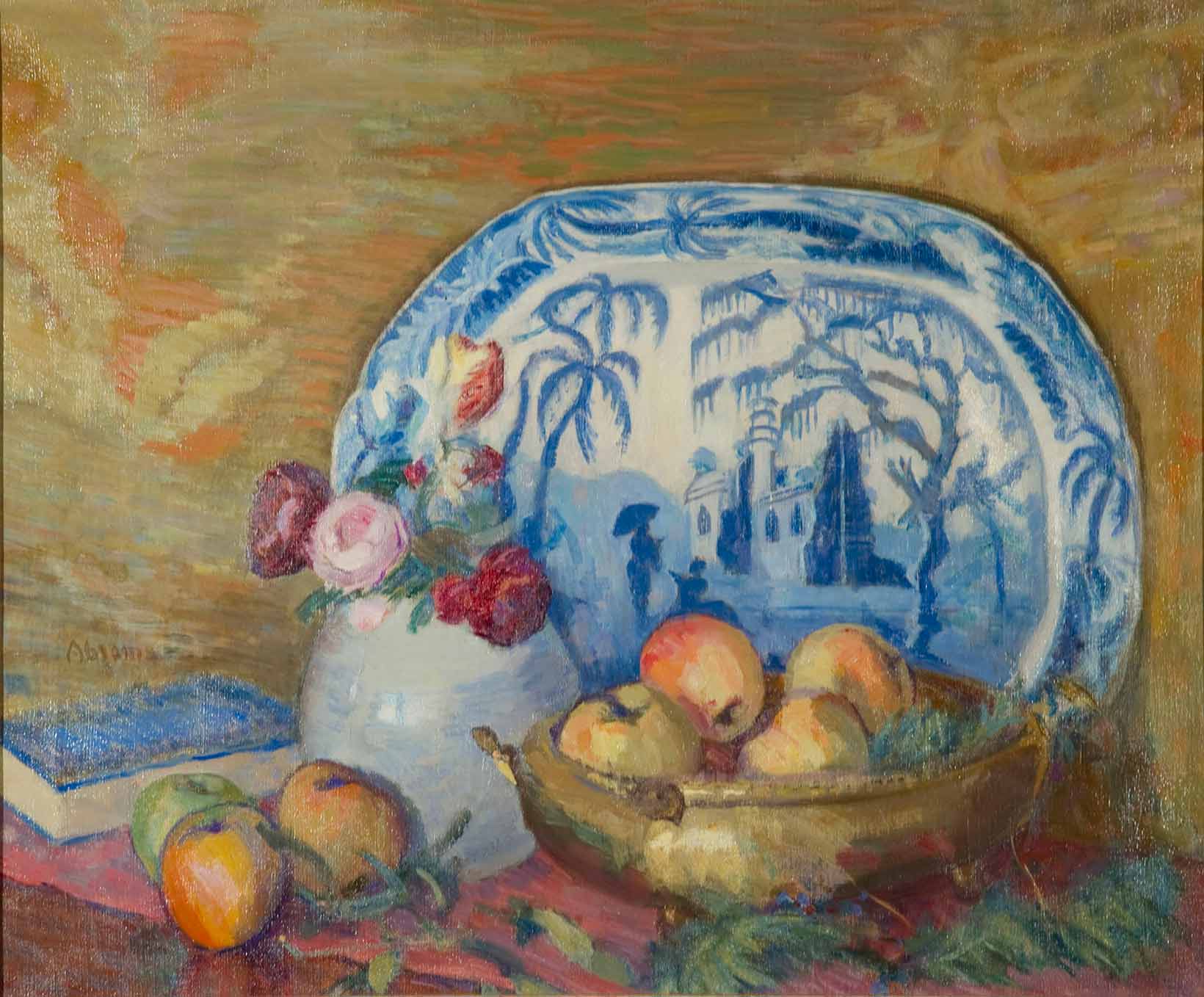
Lucien Abrams, Fruit and Feather Flowers, N.D. Oil on canvas. 25 1/4 x 30 1/4 inches Private collection.
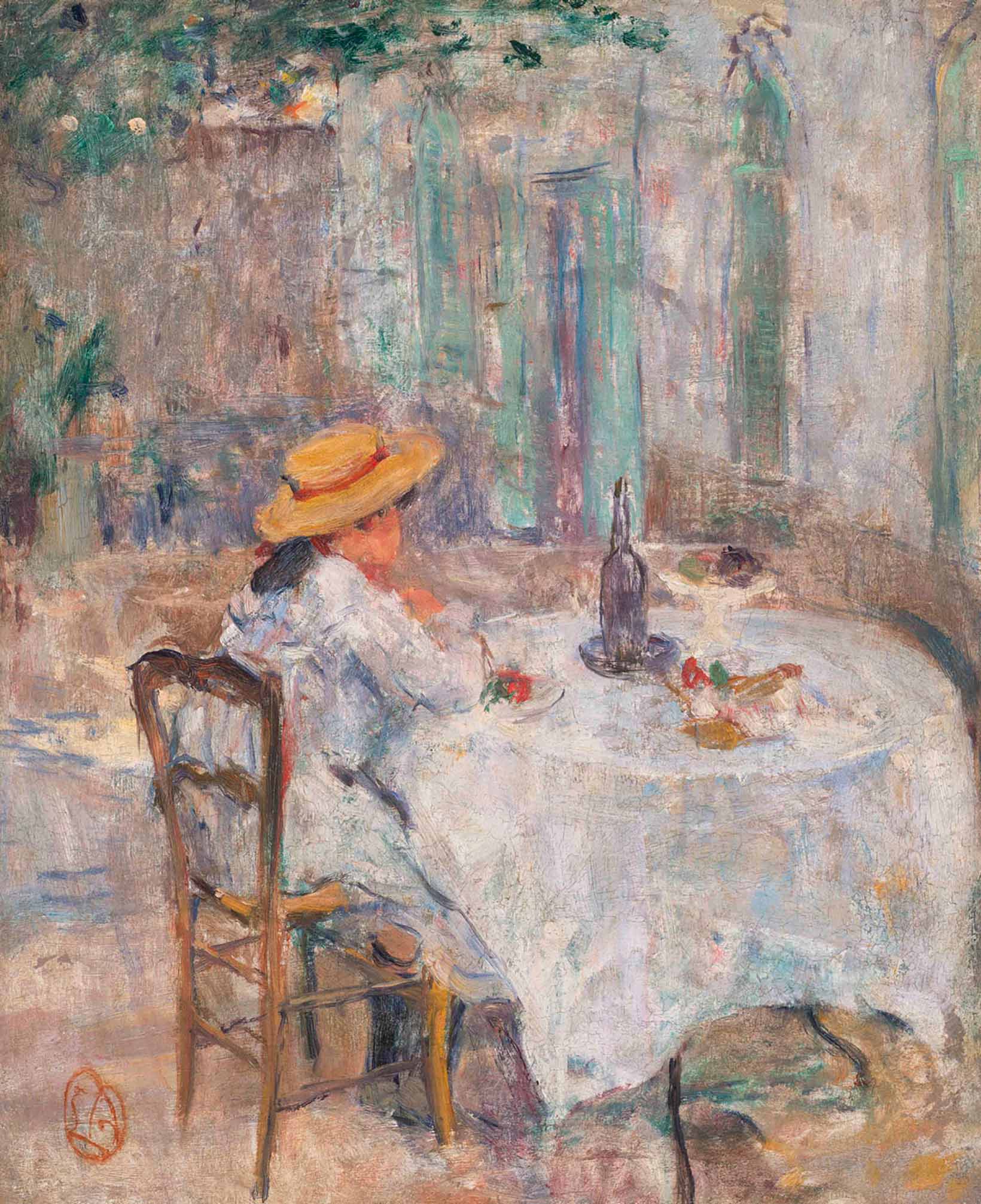
Lucien Abram, Déjeuner en Provence, ca. 1910. Oil on canvas. Collection of the McNay Art Museum, Gift of Mr. & Mrs. Morgan Chaney