
William Chadwick
(1879 – 1962)
WILLIAM CHADWICK (1879–1962)
COUNTRY ROAD IN SUMMER
OIL ON WOOD PANEL, 22 x 11 ½ in.
GIFT OF THE ARTIST
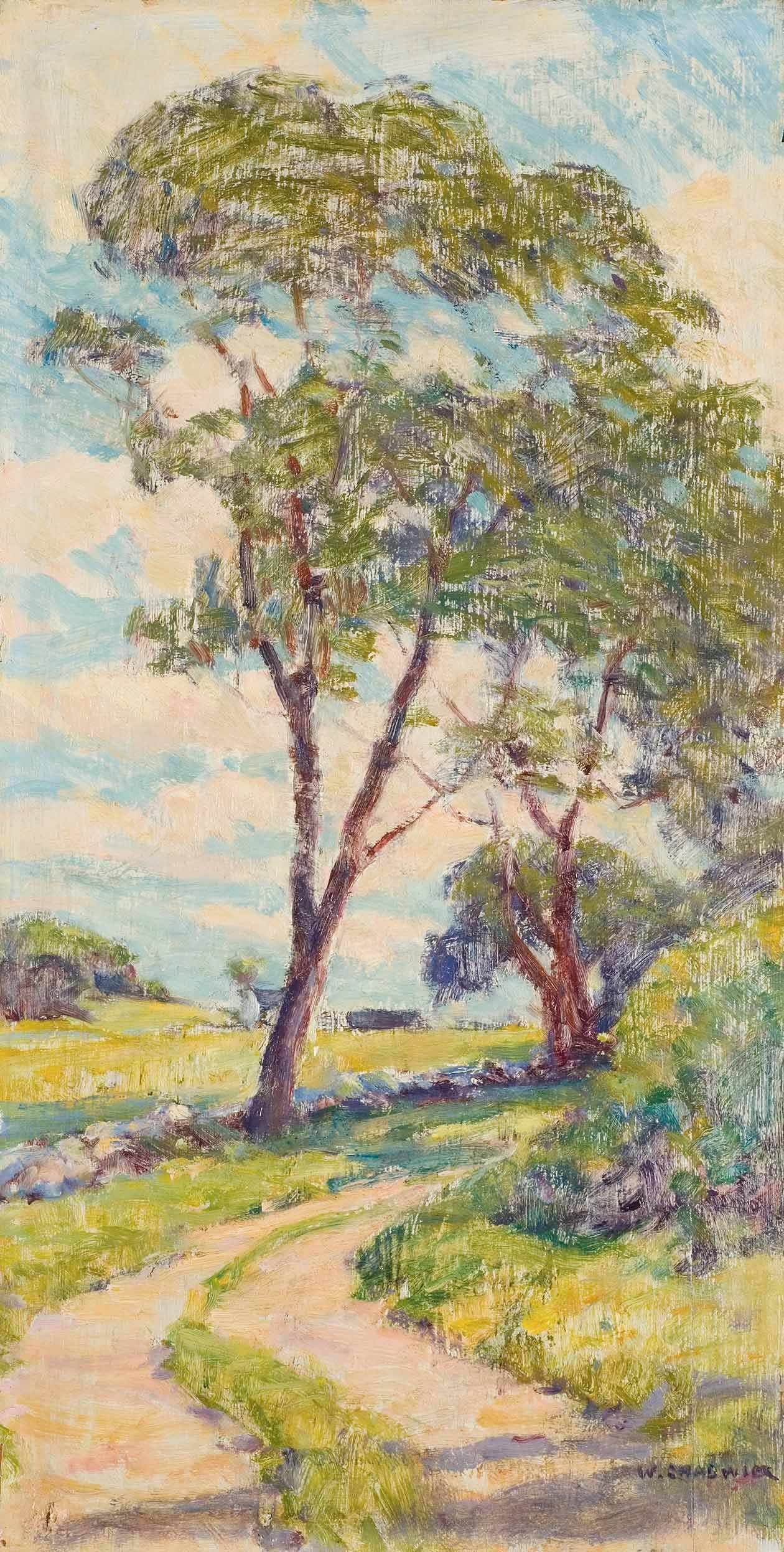
William Chadwick first came to Old Lyme in 1902 through the influence of fellow pupils at the Art Students League. In those early years, Chadwick developed his skills as a portrait and figure painter but also gained an appreciation for landscape while observing Willard Metcalf and Walter Griffin at work during stays in Old Lyme’s artist colony. He would eventually devote himself to plein-air landscapes, a large collection of which were donated to the Museum by Chadwick’s family along with his painting studio, relocated to the grounds.
Chadwick and his wife Pauline embarked in 1912 on a long trip to Europe. Returning to Old Lyme, he bought a home in 1915 on Johnny Cake Hill Road, where he lived for the rest of his life. While the artist traveled extensively, Country Road in Summer may depict a landscape not far from his residence and signals his enduring affection for the Connecticut landscape.
Country Road in Summer is the only double-sided panel in the dining room. Artist Robert Fullonton painted the California scene, Rocky Seacoast (in gallery below), on one side of the panel around 1918, the year he stayed at the Griswold house and exhibited with the Lyme Art Association. When Fullonton left Old Lyme without paying his debt to Florence Griswold, her artist friends responded. Chadwick flipped Fullonton’s panel over and executed Country Road in Summer on the back, hiding the other painting from view. Twice in the past 15 years, the Museum has turned Country Road in Summer around and temporarily displayed Fullonton’s composition.
Experience firsthand the working practices of American Impressionist artist William Chadwick. Originally located in a field behind Chadwick’s home about three miles from the Museum, the William Chadwick Studio (pictured below) was donated by the artist’s daughter-in-law and moved to its current site on the Museum’s grounds complete with its furnishings in 1992. The studio is furnished and appears today as it did during his lifetime. Open for visitors April–October during regular Museum hours.
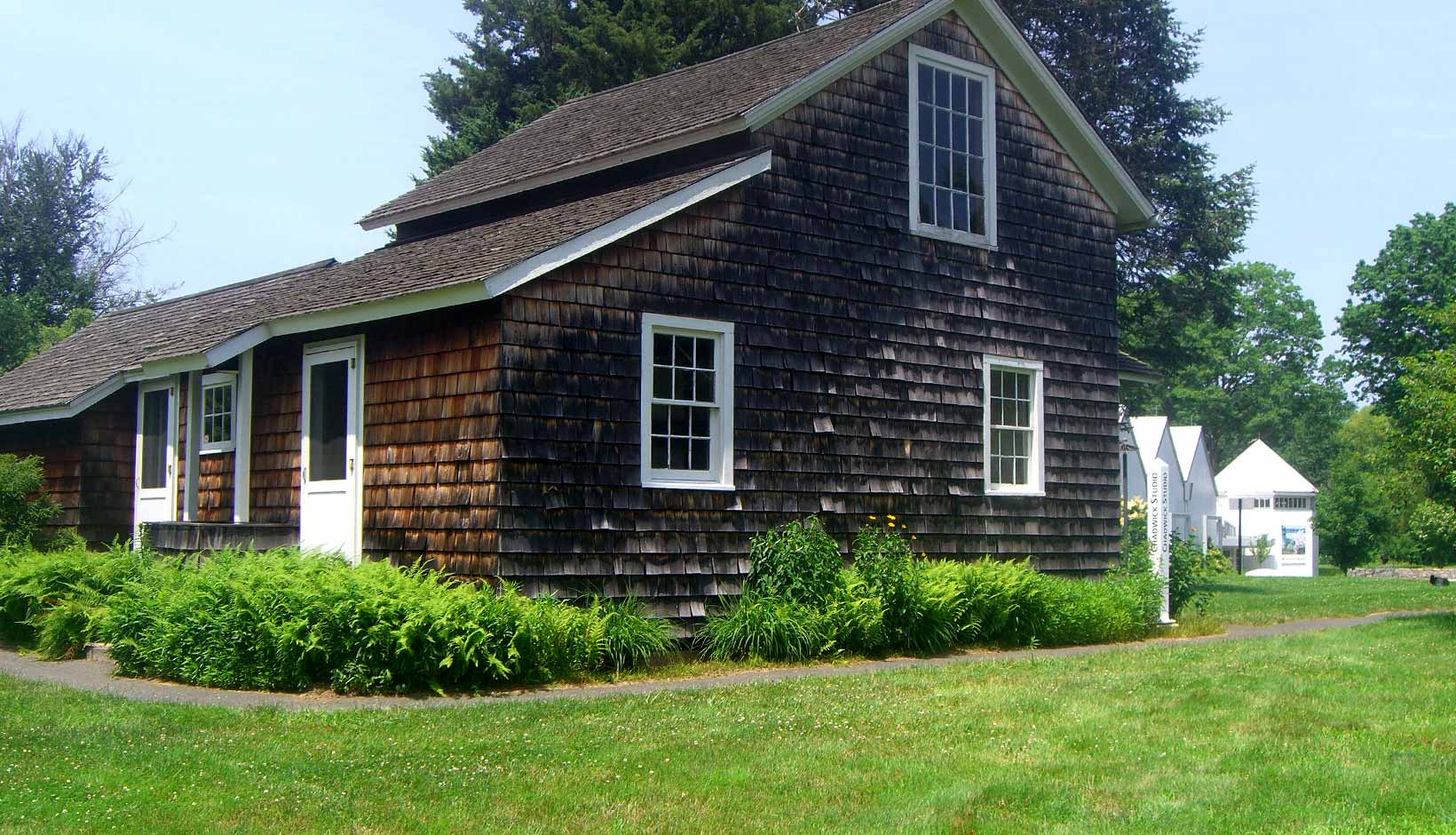
WILLIAM CHADWICK STUDIO (BACK VIEW) ON THE GROUNDS OF THE FLORENCE GRISWOLD MUSEUM
From about 1920 until his death in 1962, this structure served as the artist’s studio. Chadwick created his studio from the conversion of vernacular outbuildings on his property, including an old cottage and an icehouse. The large airy room was the main studio and another room was used for storing paintings and supplies.
While Chadwick was strongly committed to the “en plein air” tradition of Impressionism, particularly in depicting the landscape, he used this studio for figure painting, still lifes, and finishing landscape paintings begun in the open air.
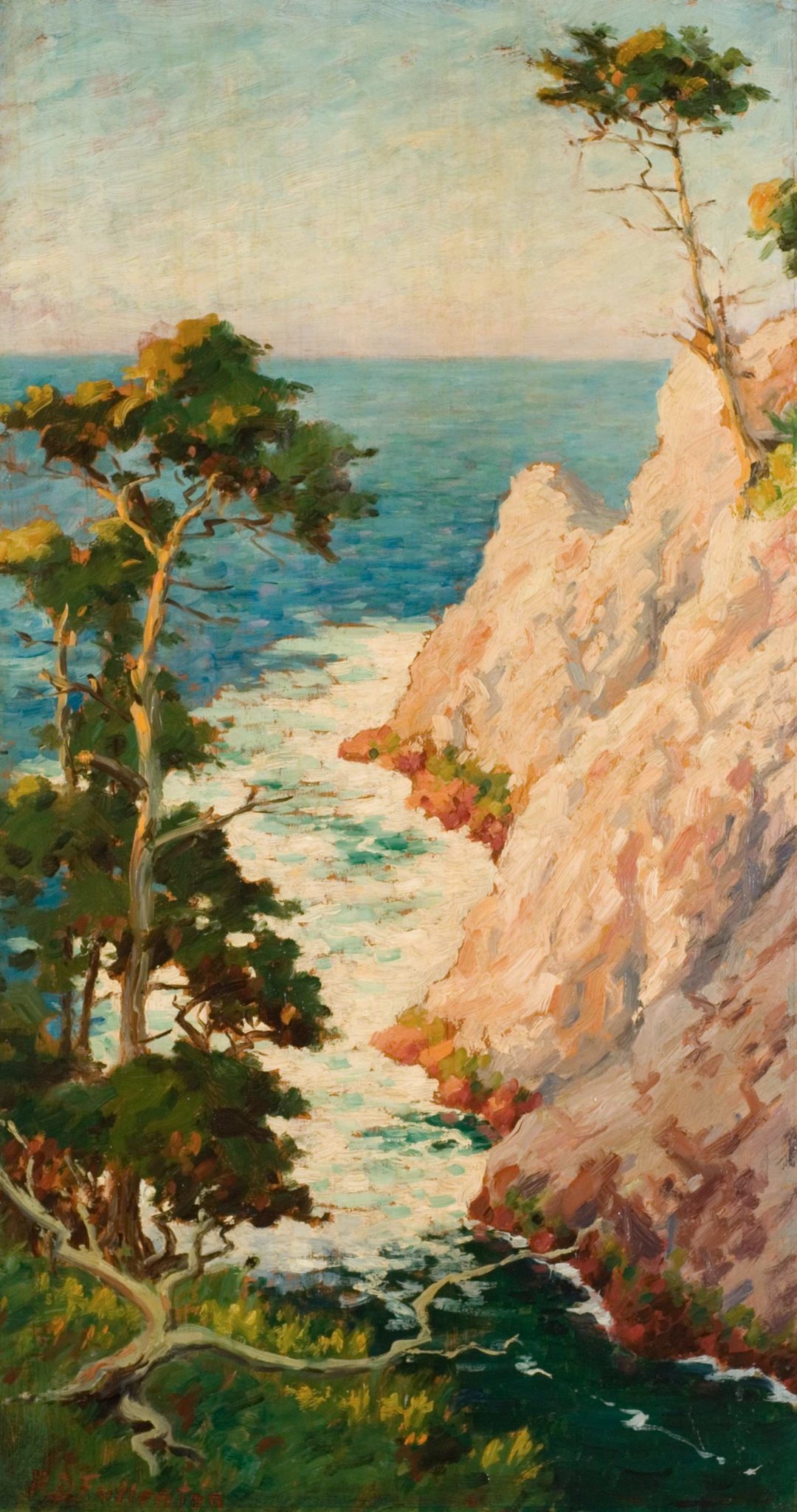
Rocky Seacoast
Robert Fullonton
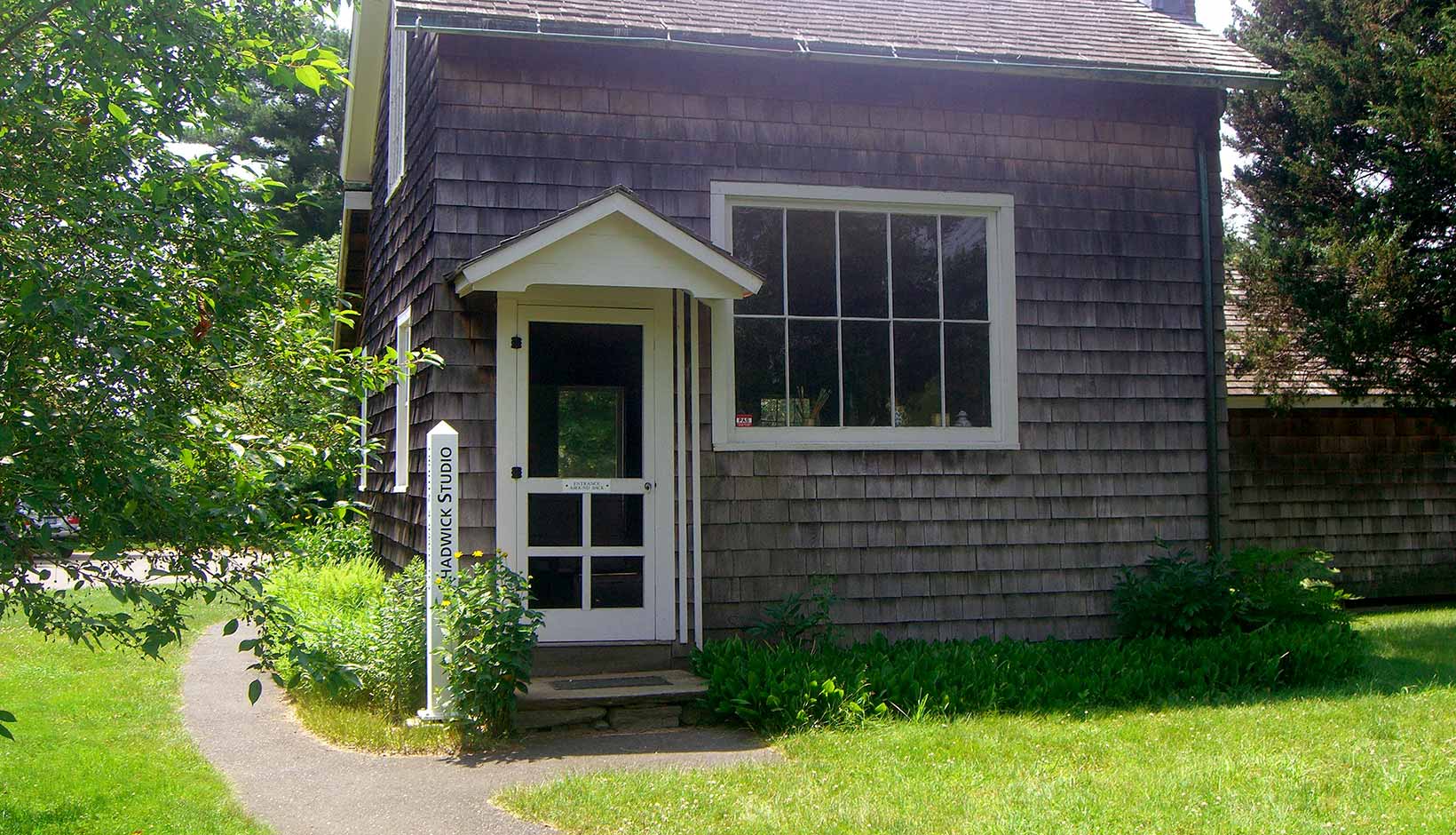
The Chadwick Studio (Front view) on the grounds of the Florence Griswold Museum
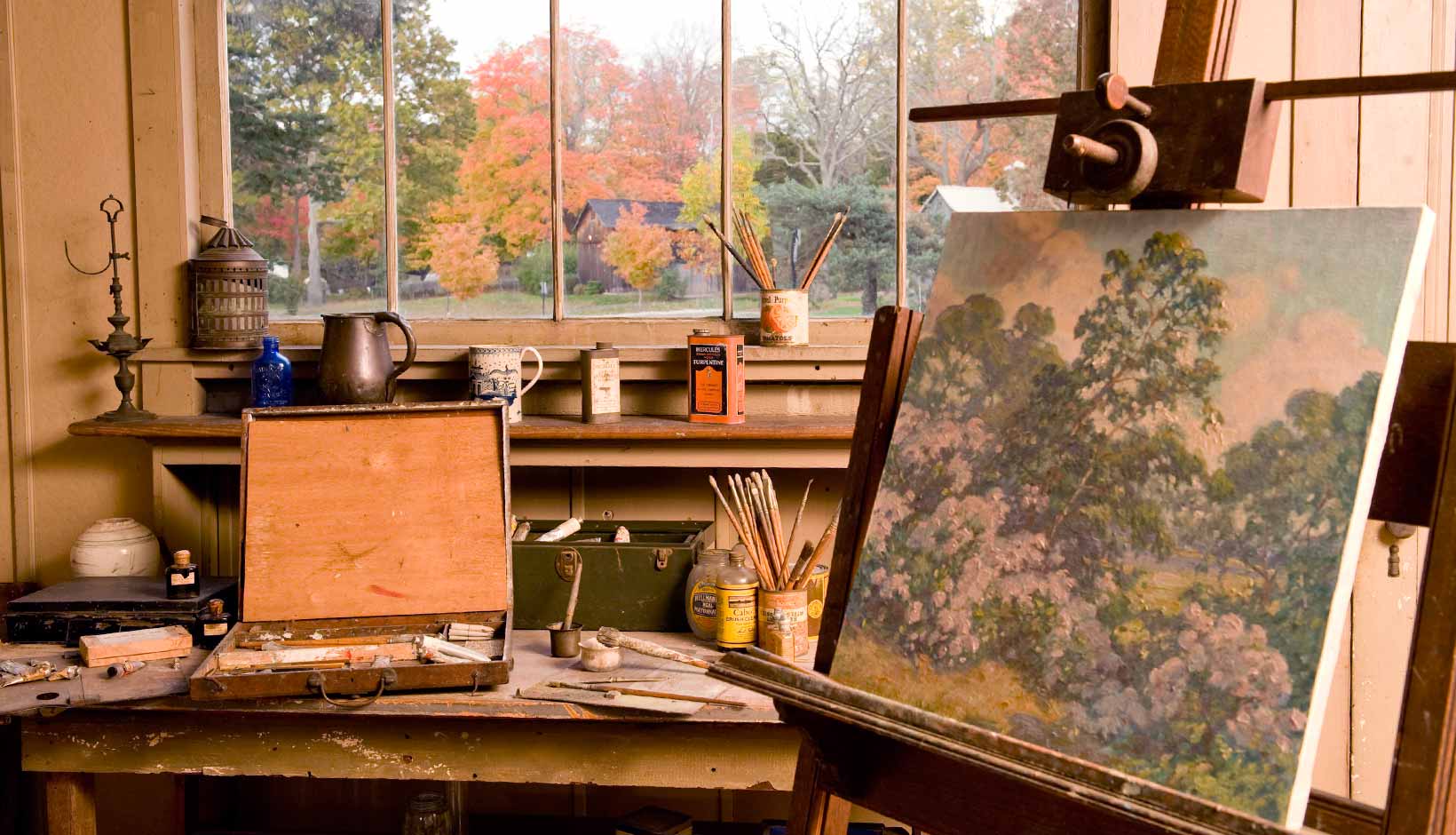
Chadwick Studio Interior, Photograph by Jeff Yardis
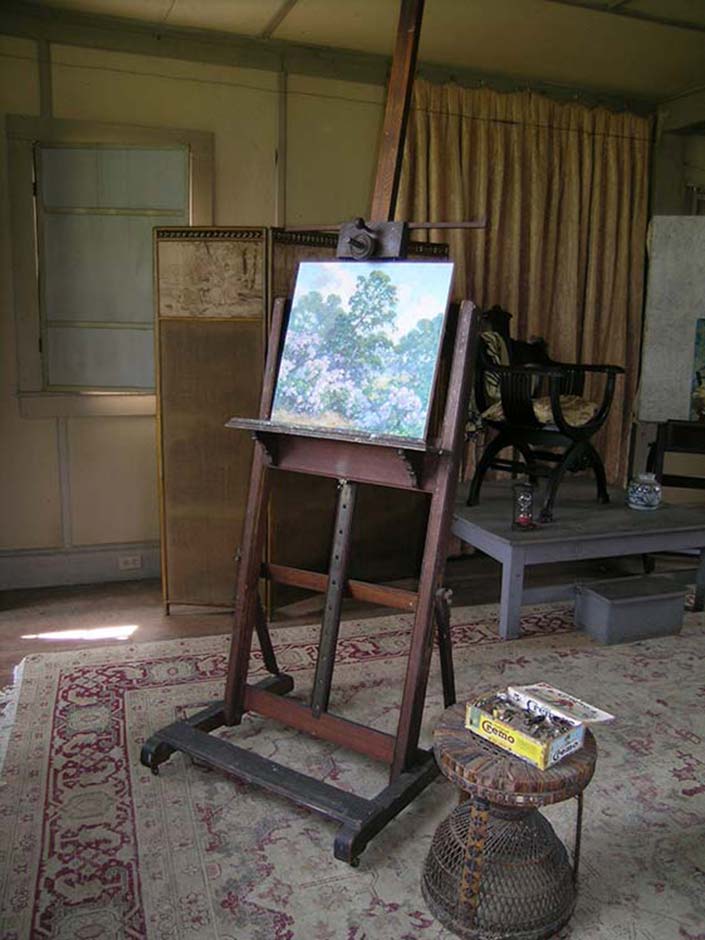
Chadwick Studio interior view
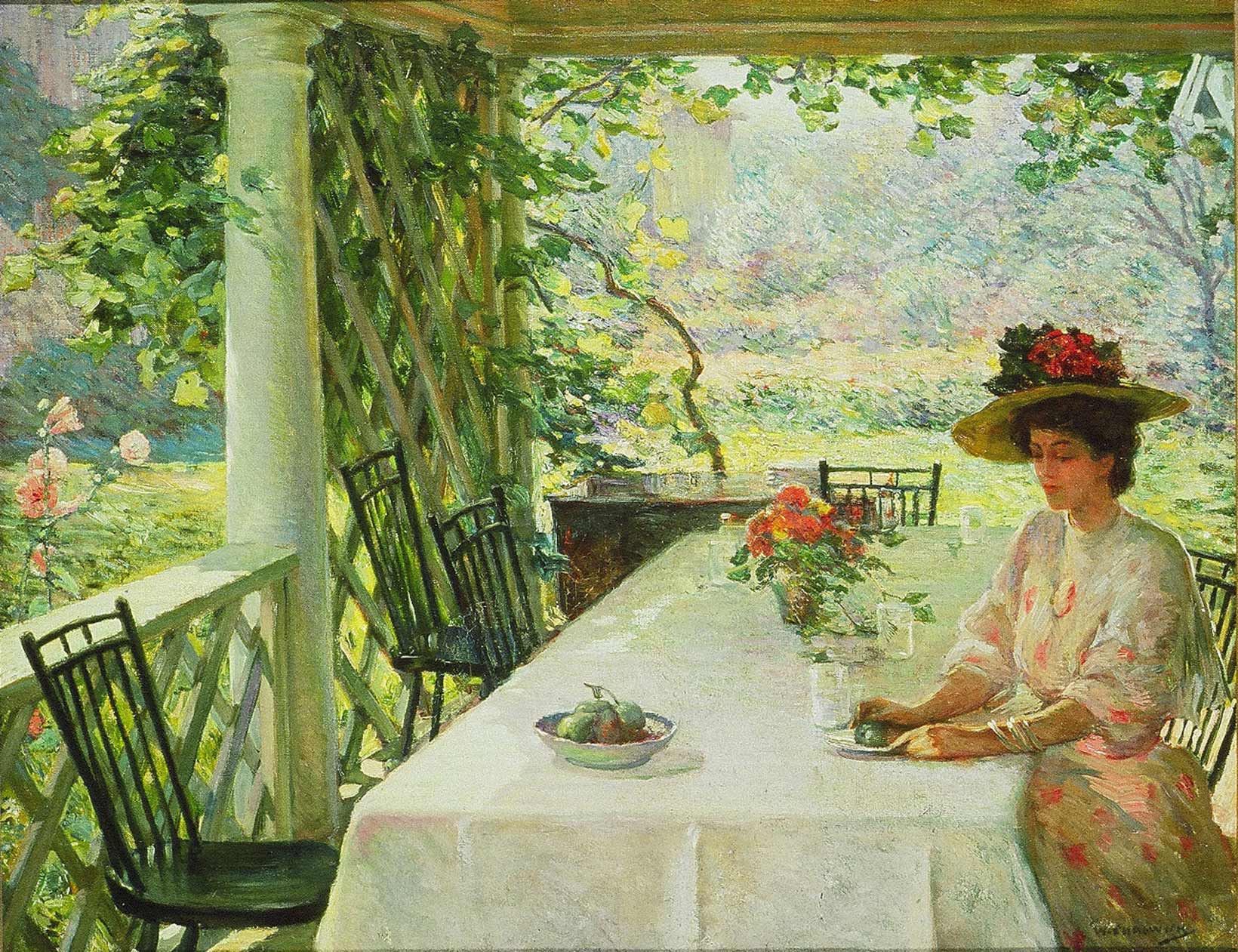
William Chadwick (1879–1962), On the Piazza, c. 1908. Oil on canvas, 24 in. x 30 in. Florence Griswold Museum, Gift of Mrs Elizabeth Chadwick O'Connell