Collections Highlights

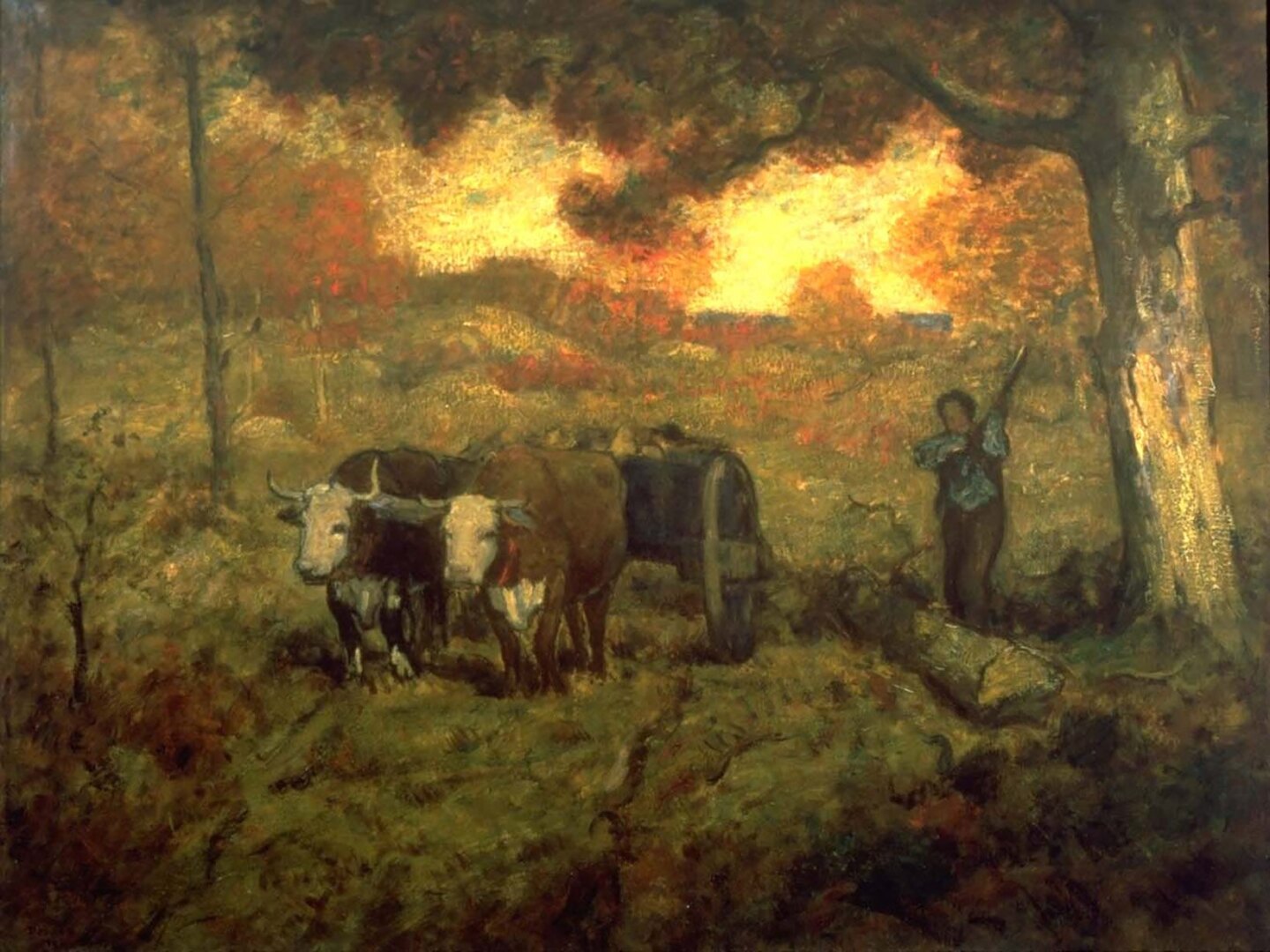
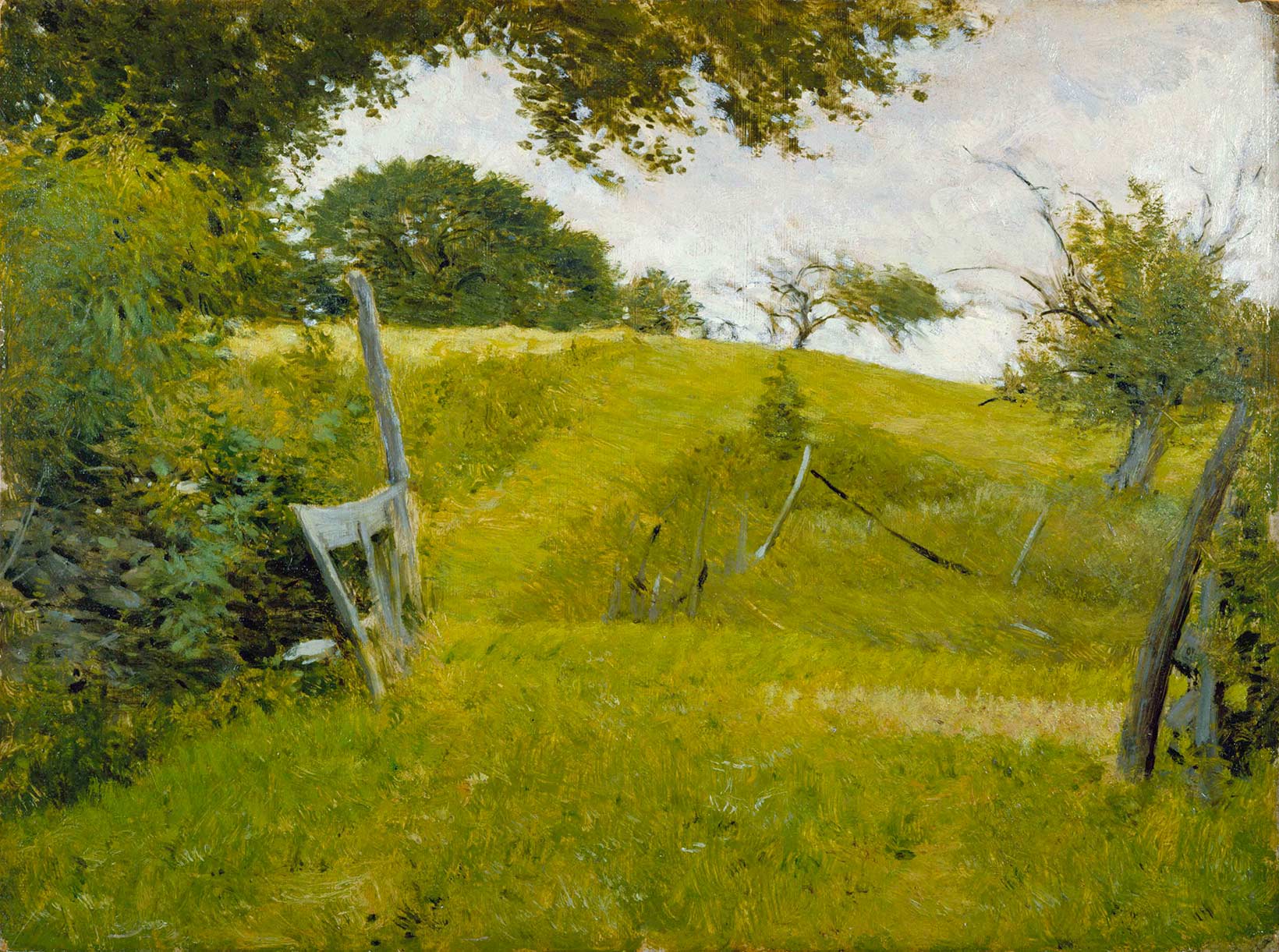
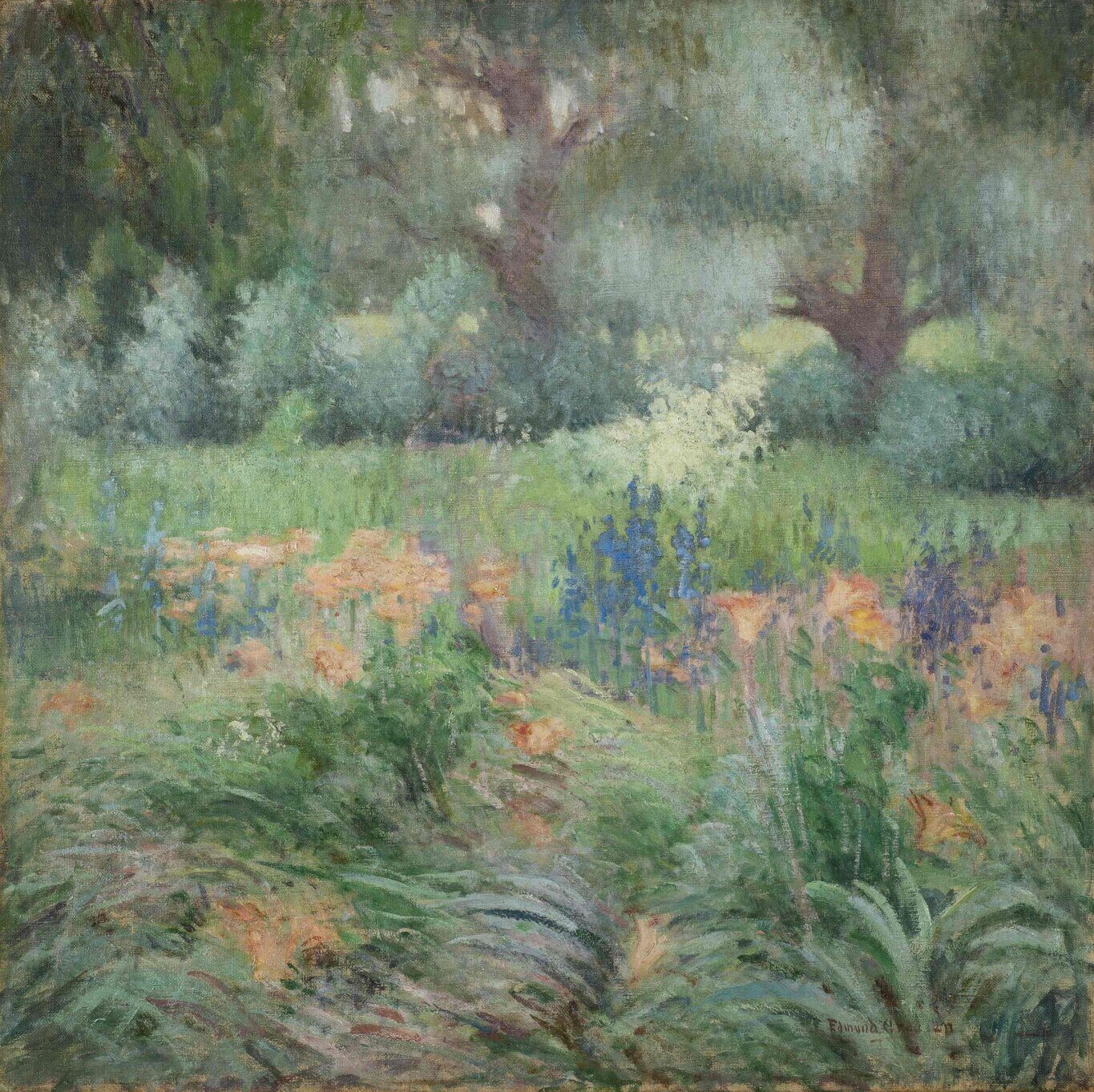
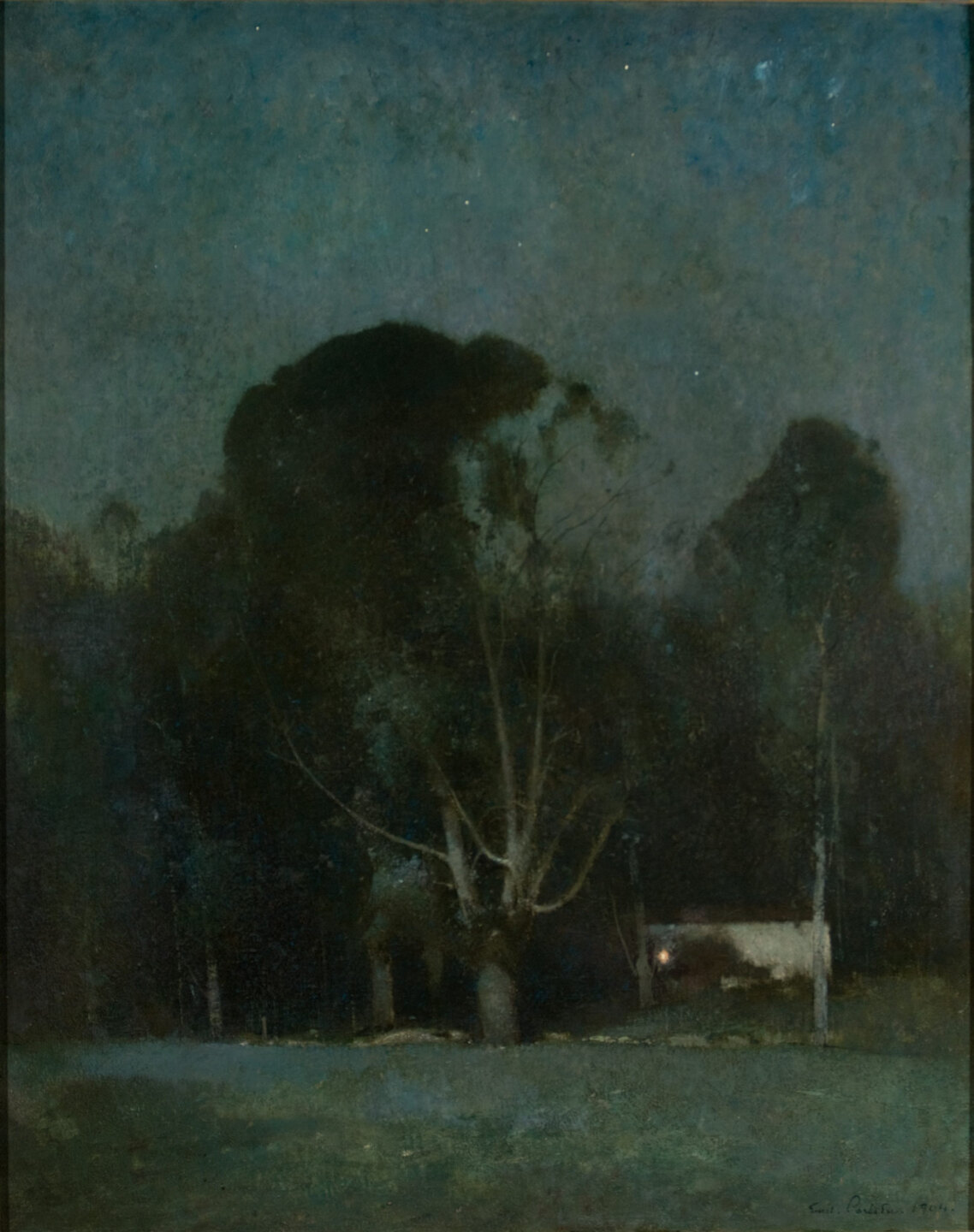
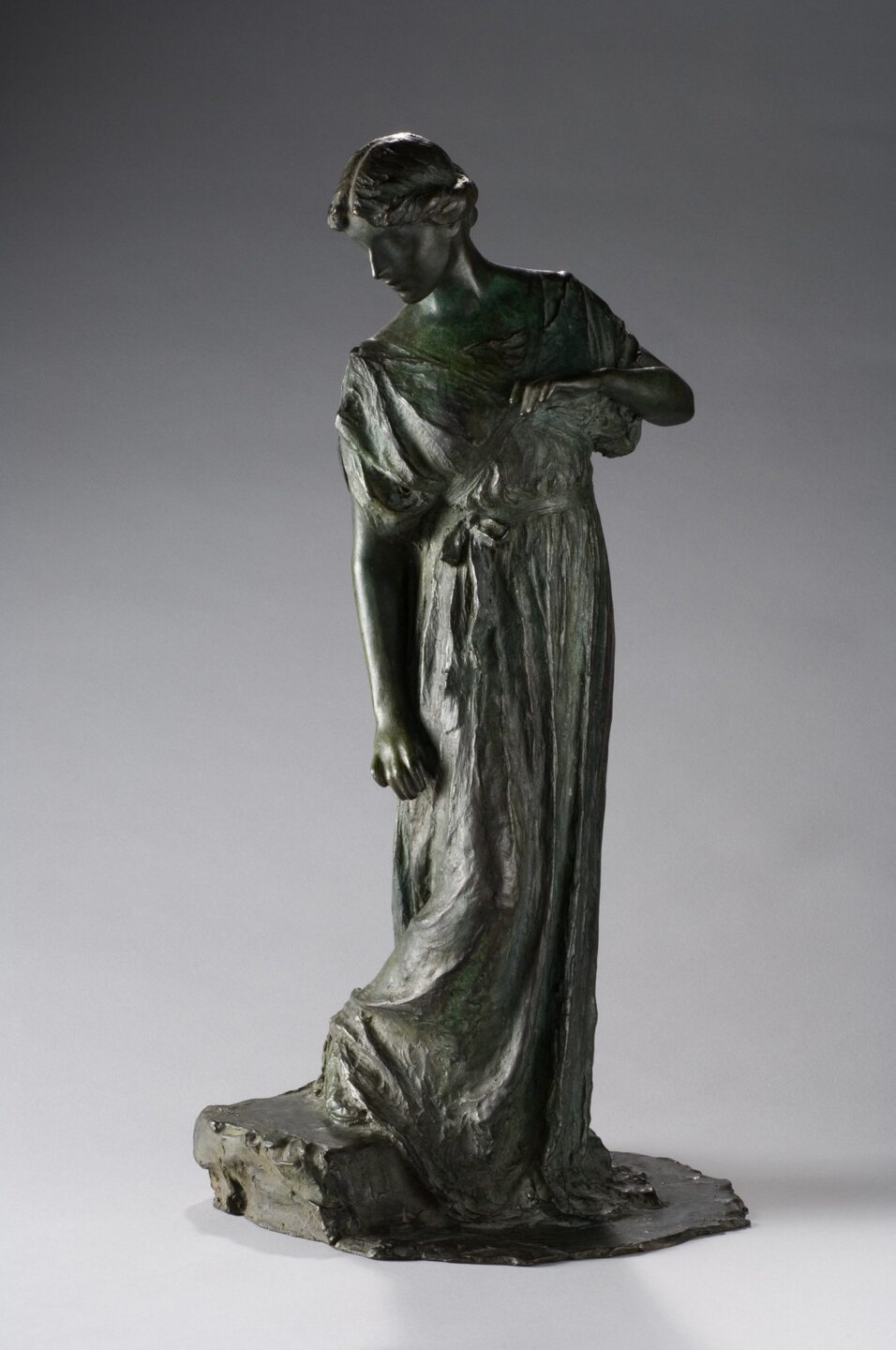
The collections of the Florence Griswold Museum span the history of American art from the 18th century to the present day with a focus on the art and culture of Connecticut.

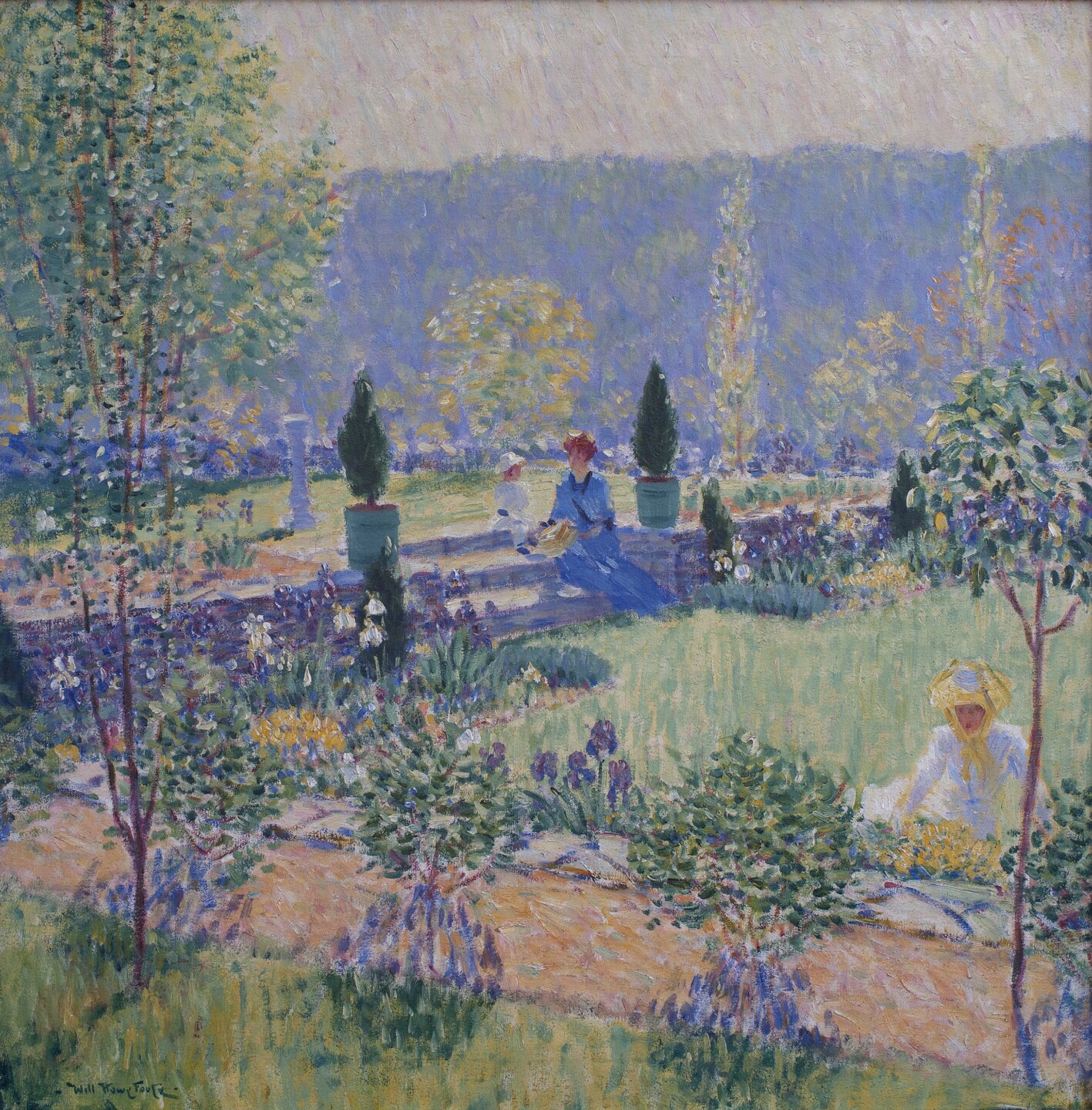
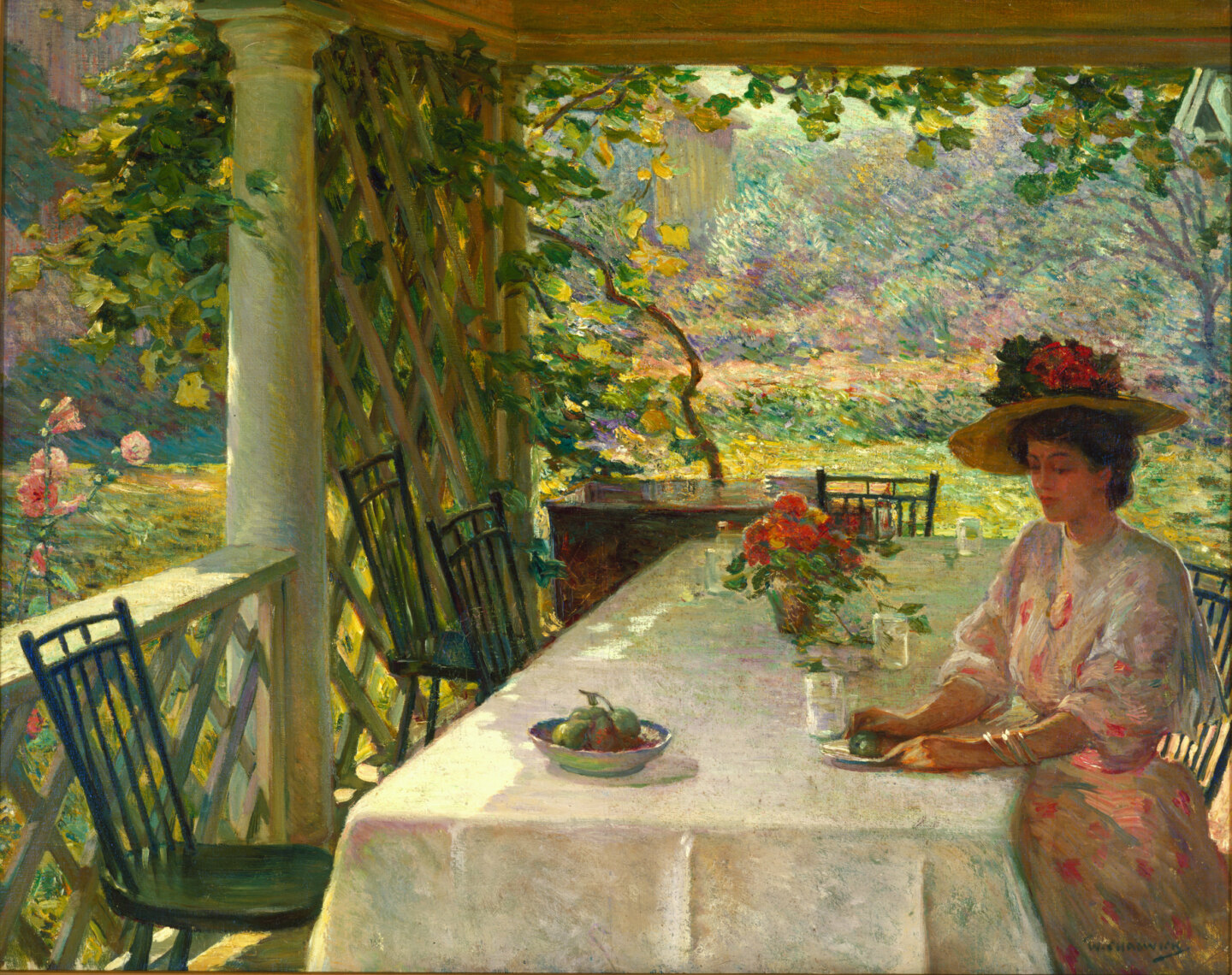
The Florence Griswold Museum’s holdings include iconic examples of American Impressionism by artists drawn to the picturesque town of Old Lyme and its surrounding landscape. They include some of the most prominent American artists of the early 20th century, many of whom contributed a painted panel to the interior of Miss Florence Griswold’s boardinghouse as a mark of distinction among their peers. The historic house today is furnished with a selection of fine and decorative arts from the collections.

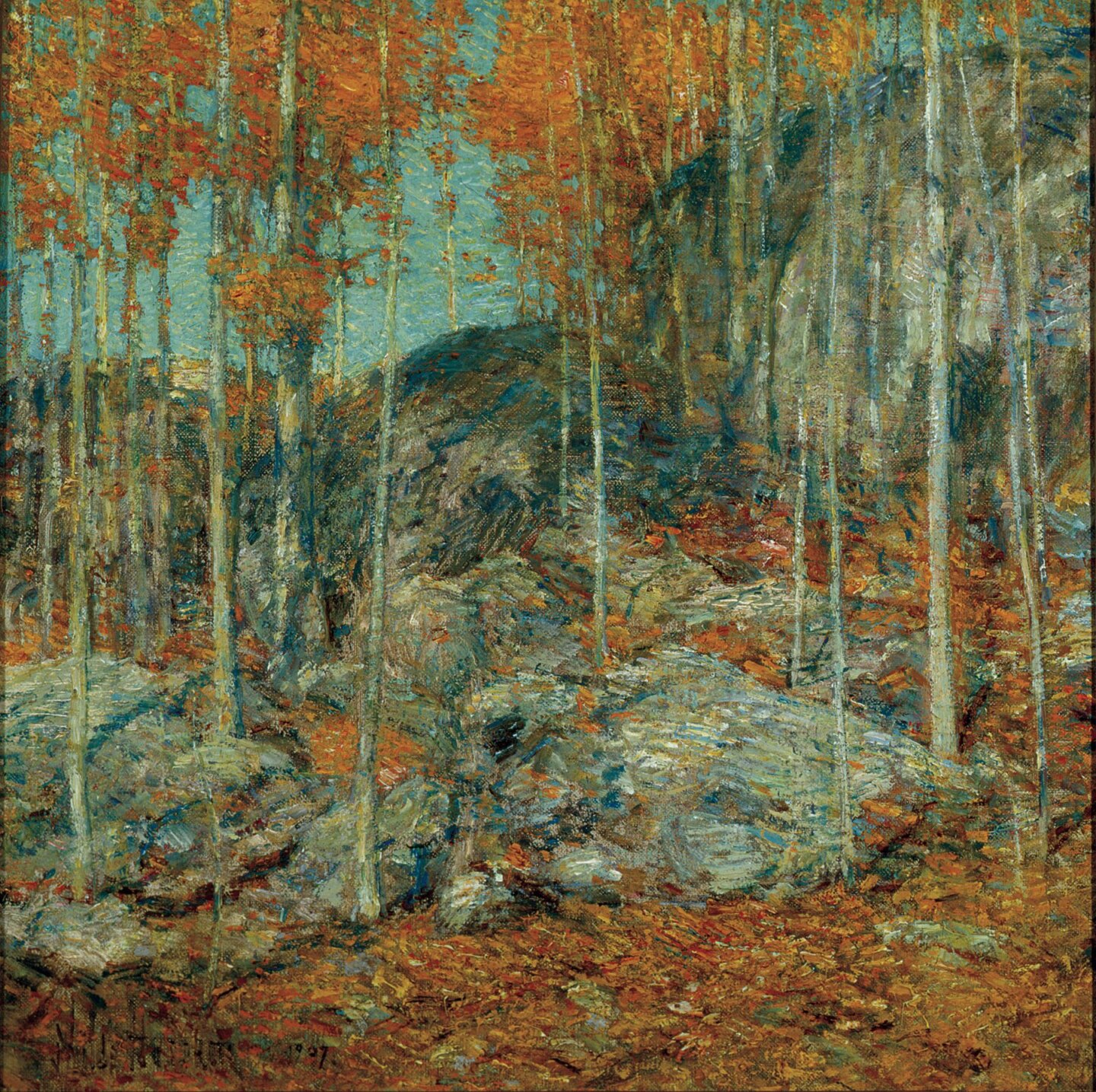
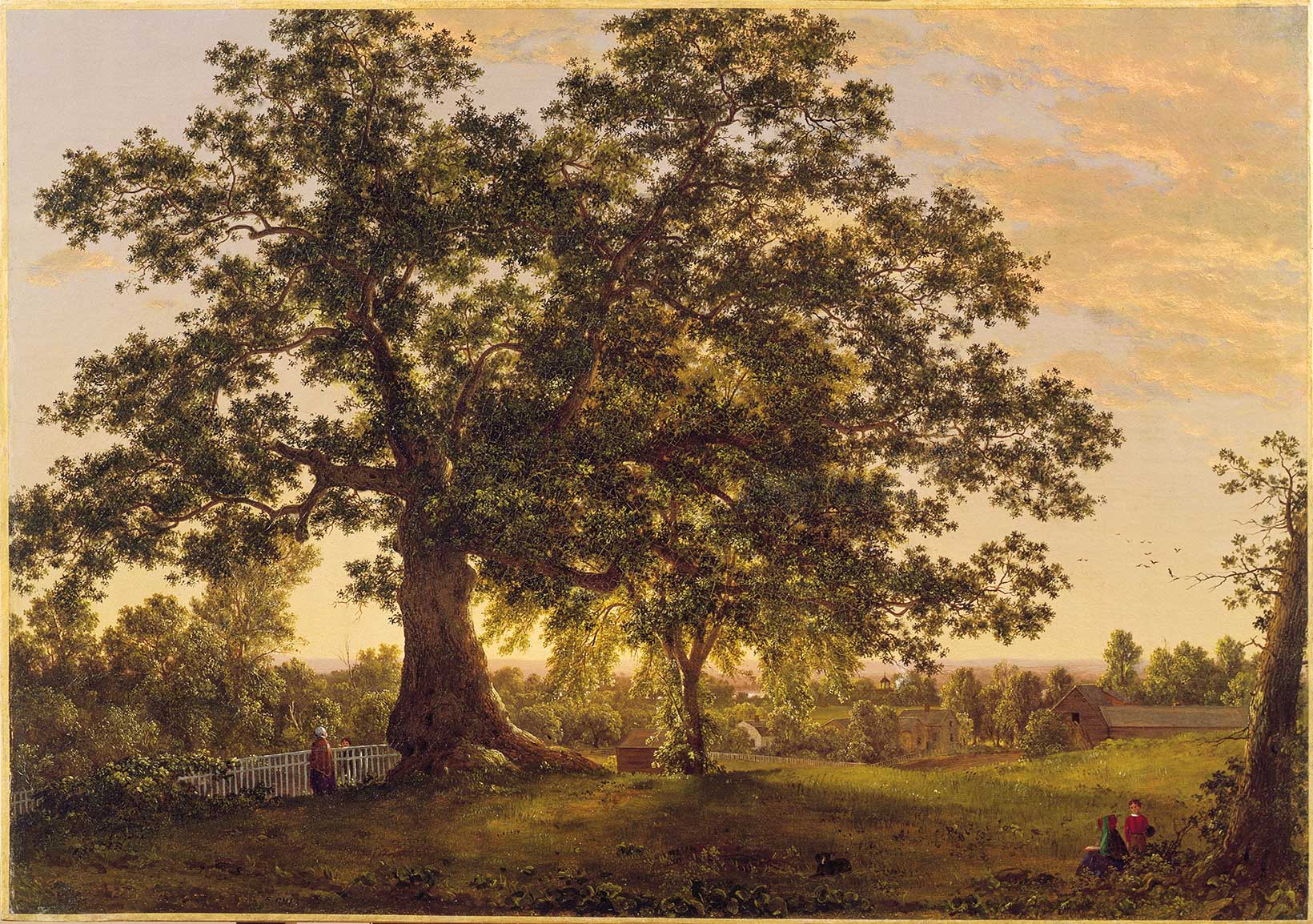
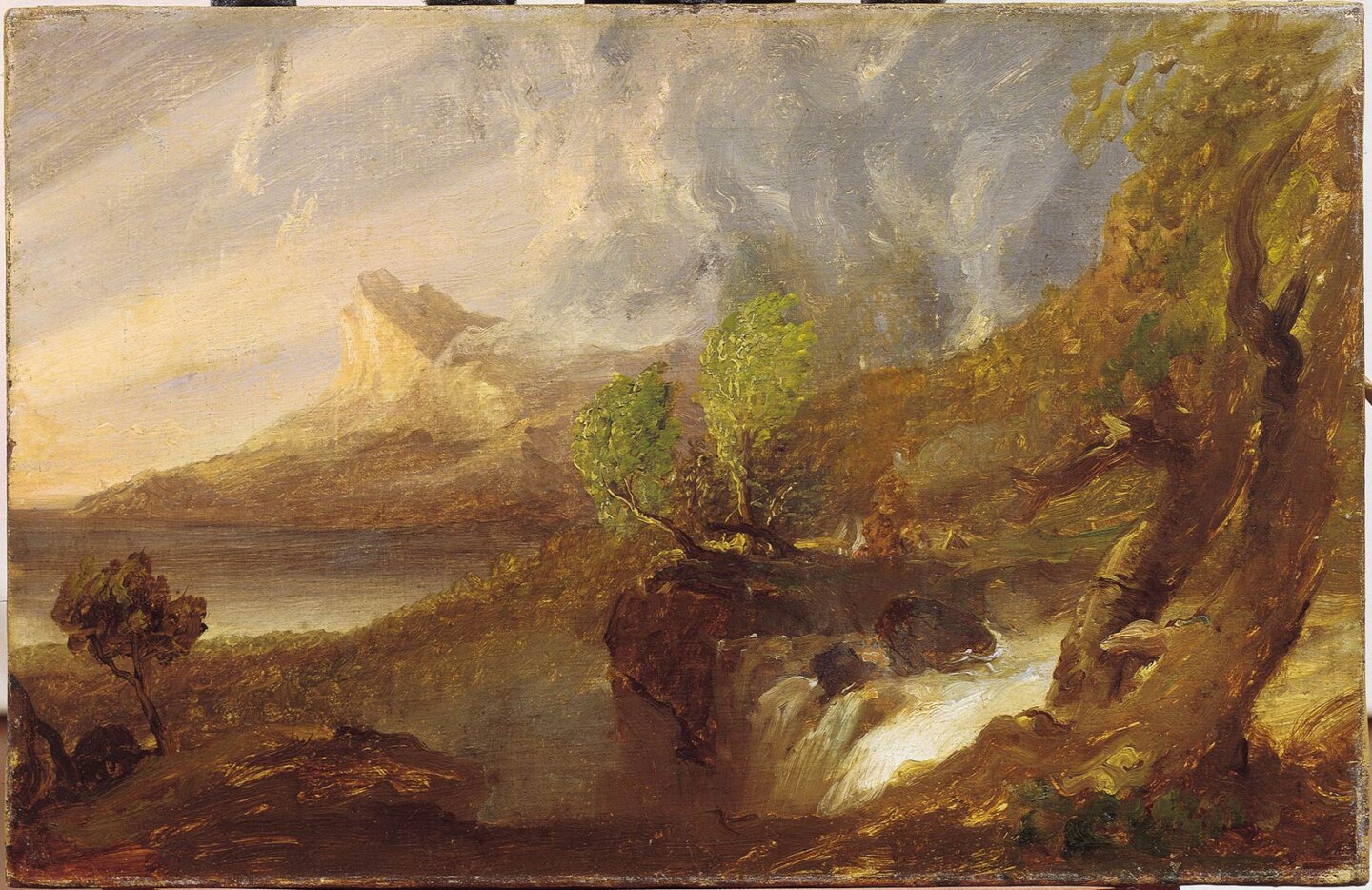
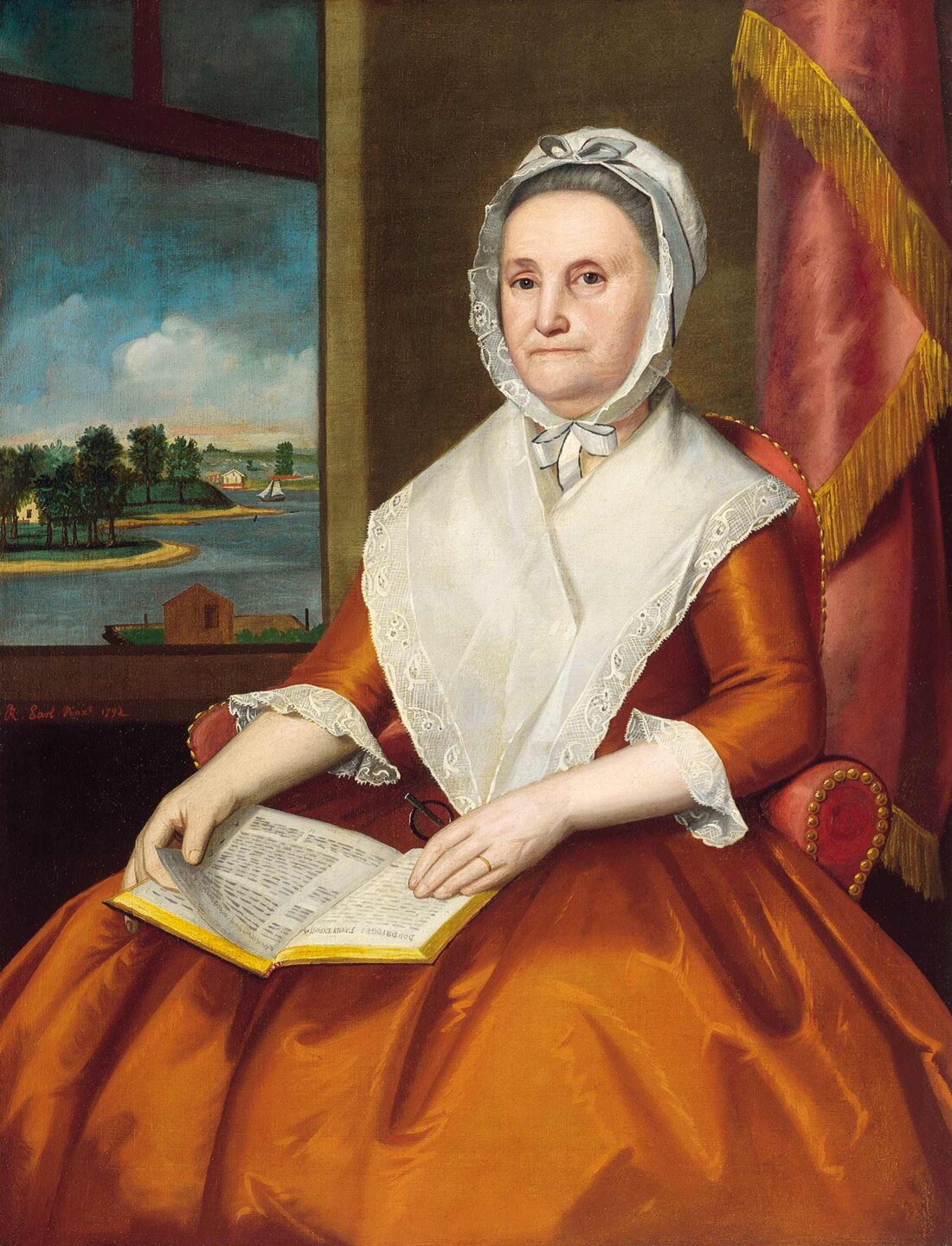
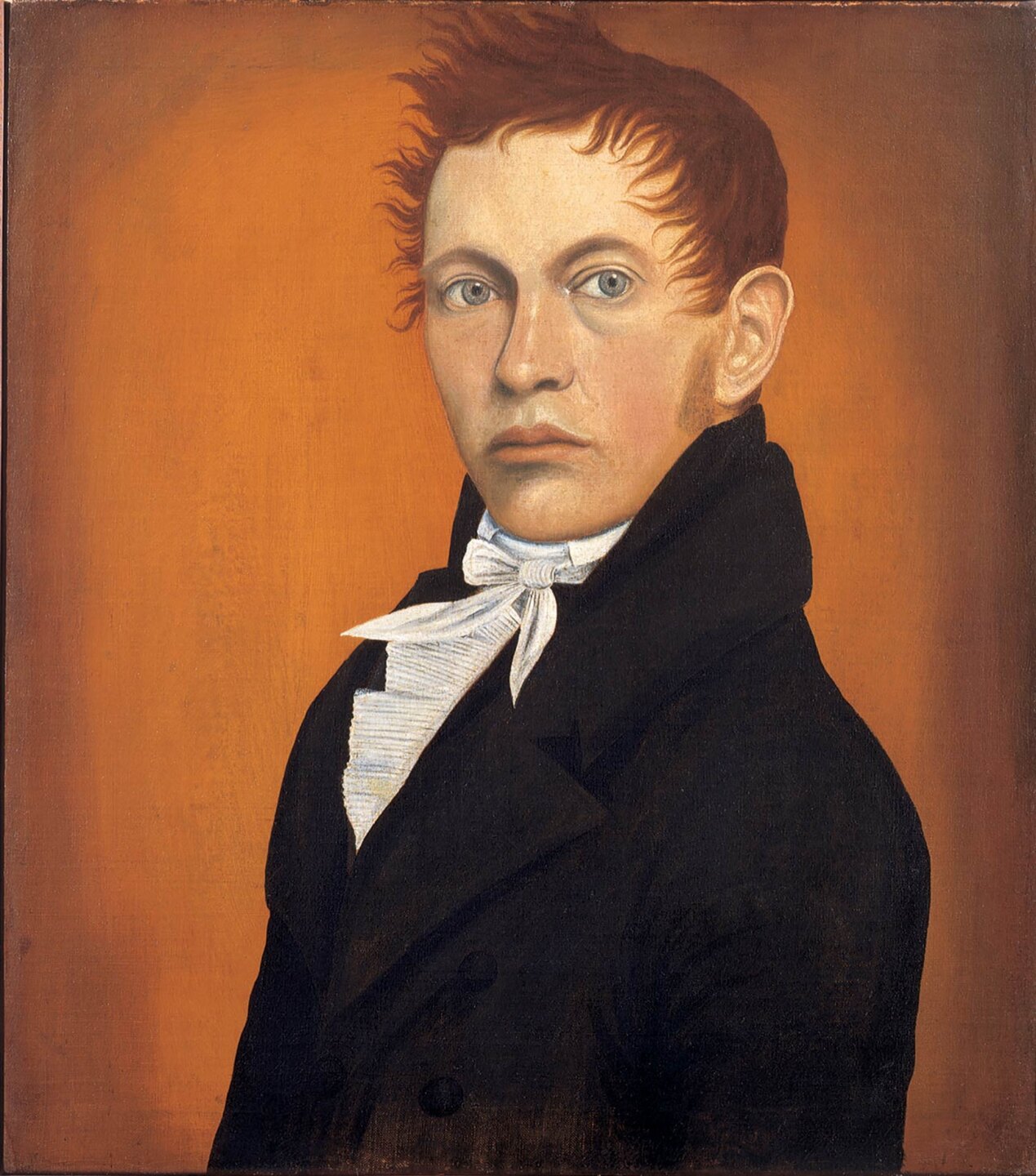
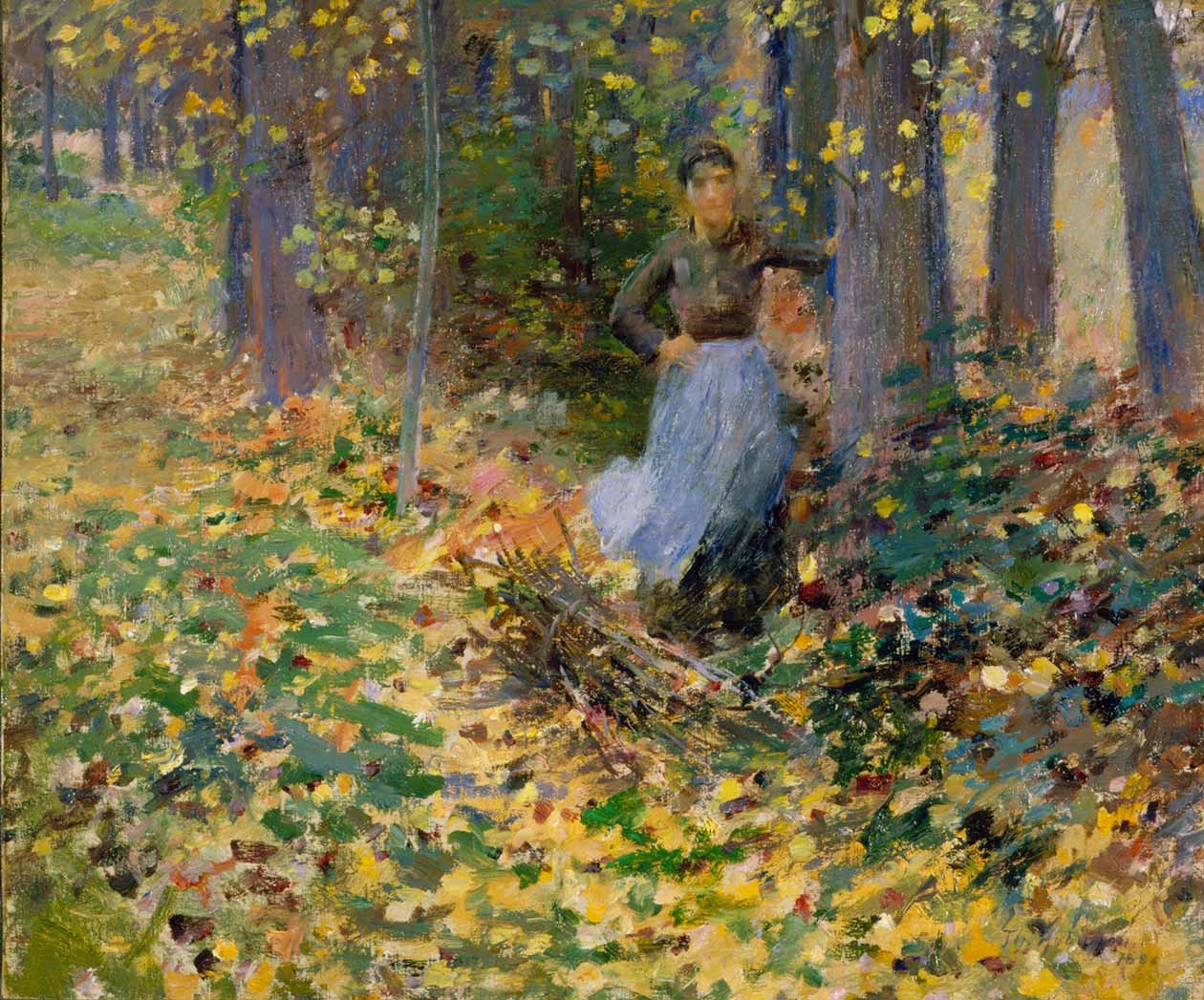
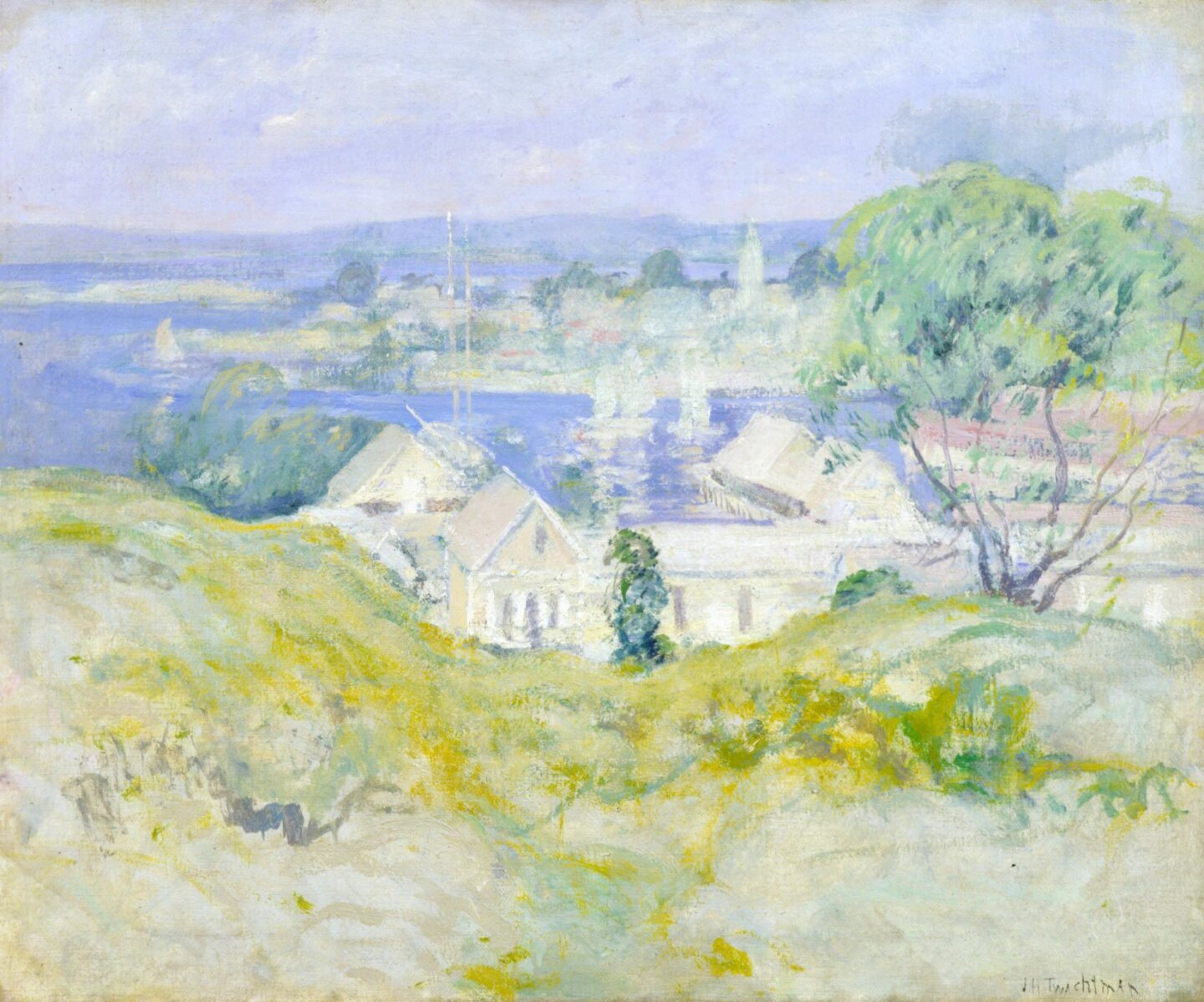
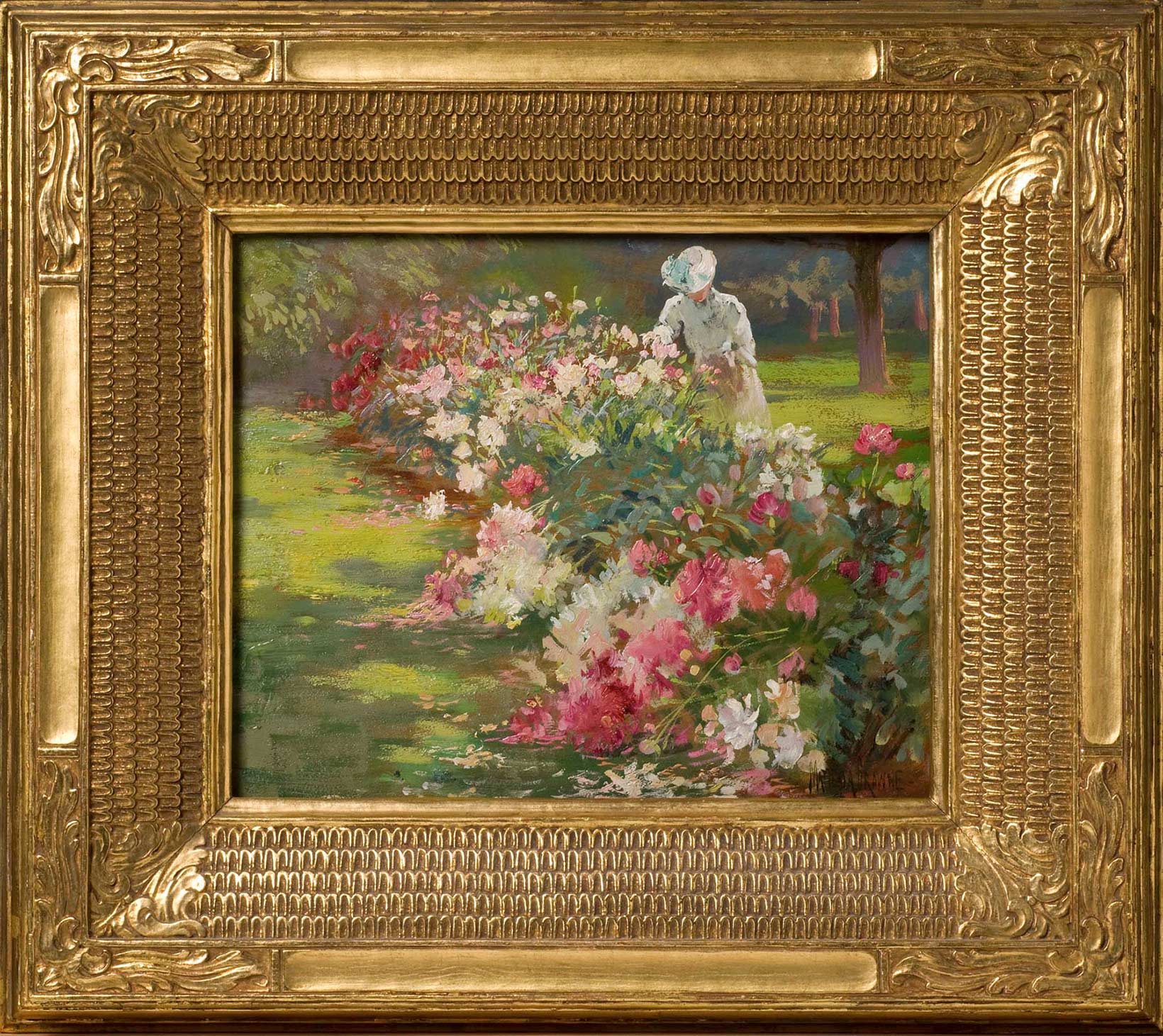
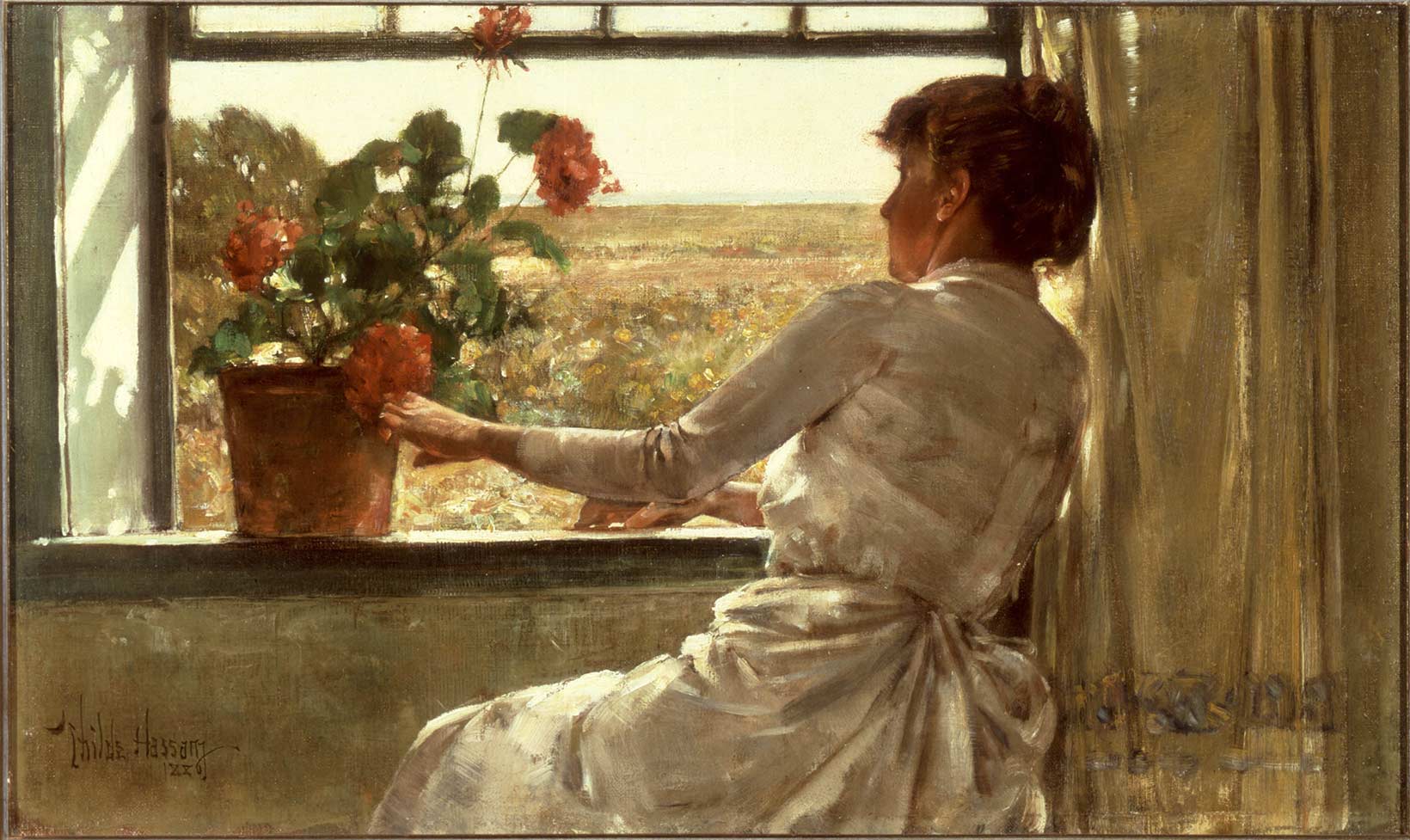
In 2002, the Museum’s collections were transformed by a monumental gift of 190 paintings and sculptures from The Hartford Steam Boiler Inspection and Insurance Company. This landmark donation included colonial paintings by Ralph Earl and Ammi Phillips, landscapes by Hudson River School masters Thomas Cole and Frederic E. Church, and beloved Impressionist views by Childe Hassam, Matilda Browne, Willard Metcalf, and John Henry Twachtman.

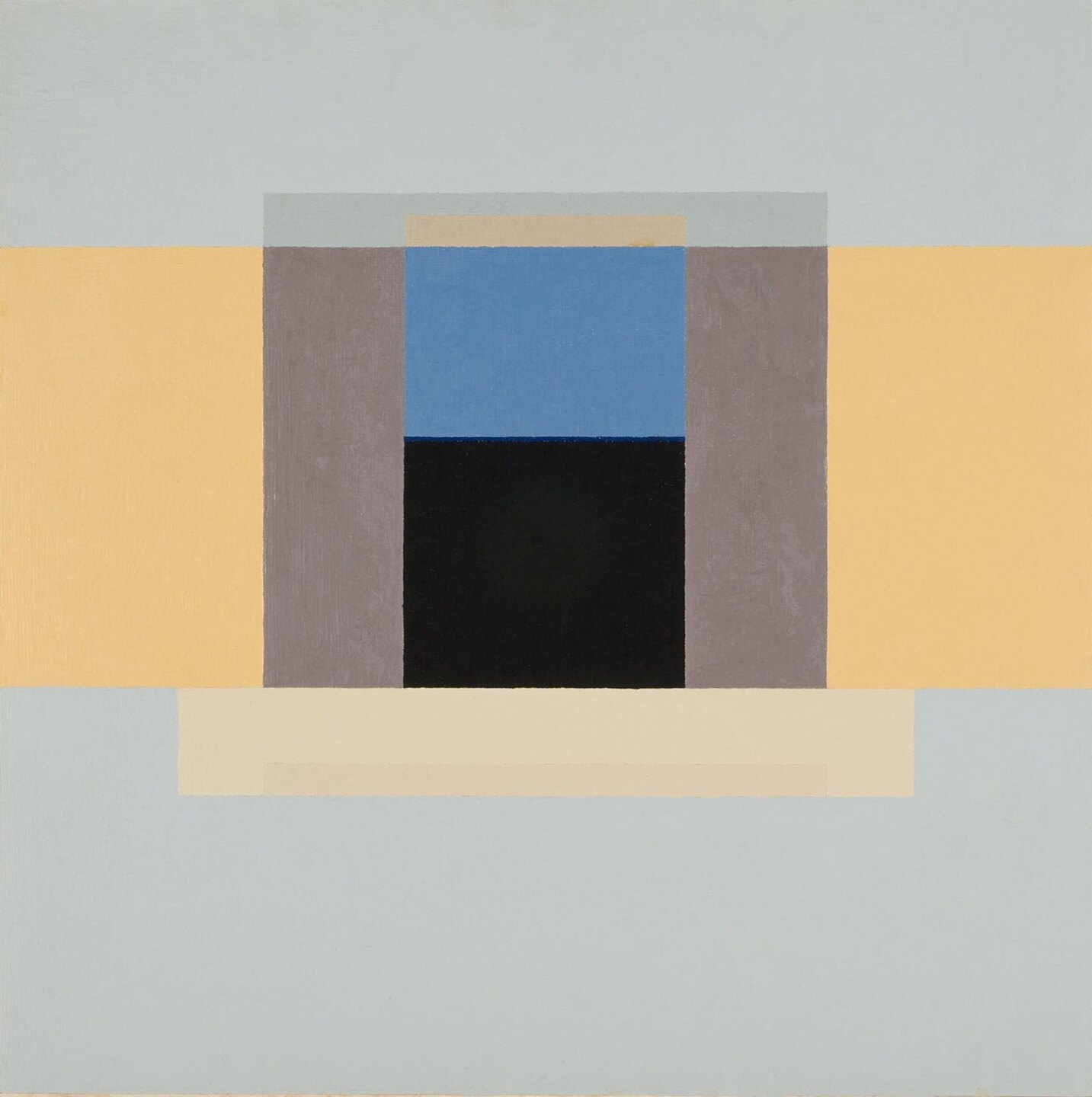
The Museum’s collections continue to grow with recent acquisitions highlighting modern and contemporary artists working in or connected to Connecticut. These include works by Joseph and Anni Albers, Sol LeWitt, Walker Evans, and others who transformed American art in the 20th century and continue to do so today.

Collections FAQs

The collections of the Florence Griswold Museum span the history of American art from the 18th century to the present day with a focus on the art and culture of Connecticut.

The Florence Griswold Museum’s holdings include iconic examples of American Impressionism by artists drawn to the picturesque town of Old Lyme and its surrounding landscape. They include some of the most prominent American artists of the early 20th century, many of whom contributed a painted panel to the interior of Miss Florence Griswold’s boardinghouse as a mark of distinction among their peers. The historic Griswold House today is furnished with a selection of fine and decorative arts from the collections.

The Florence Griswold Museum’s collections span hundreds of years, but the core of our story is the artists of the Lyme Art Colony, most prominent from 1900 to 1920. During that time, dozens of artists, including many leading figures in the American art world and specifically in American Impressionism, stayed in the Griswold House or at guesthouses in town. Great American artists were drawn to the uniquely convivial experience of living and creating artwork together at the historic boardinghouse. Many returned summer after summer to Old Lyme to continue their special communal artistic development.

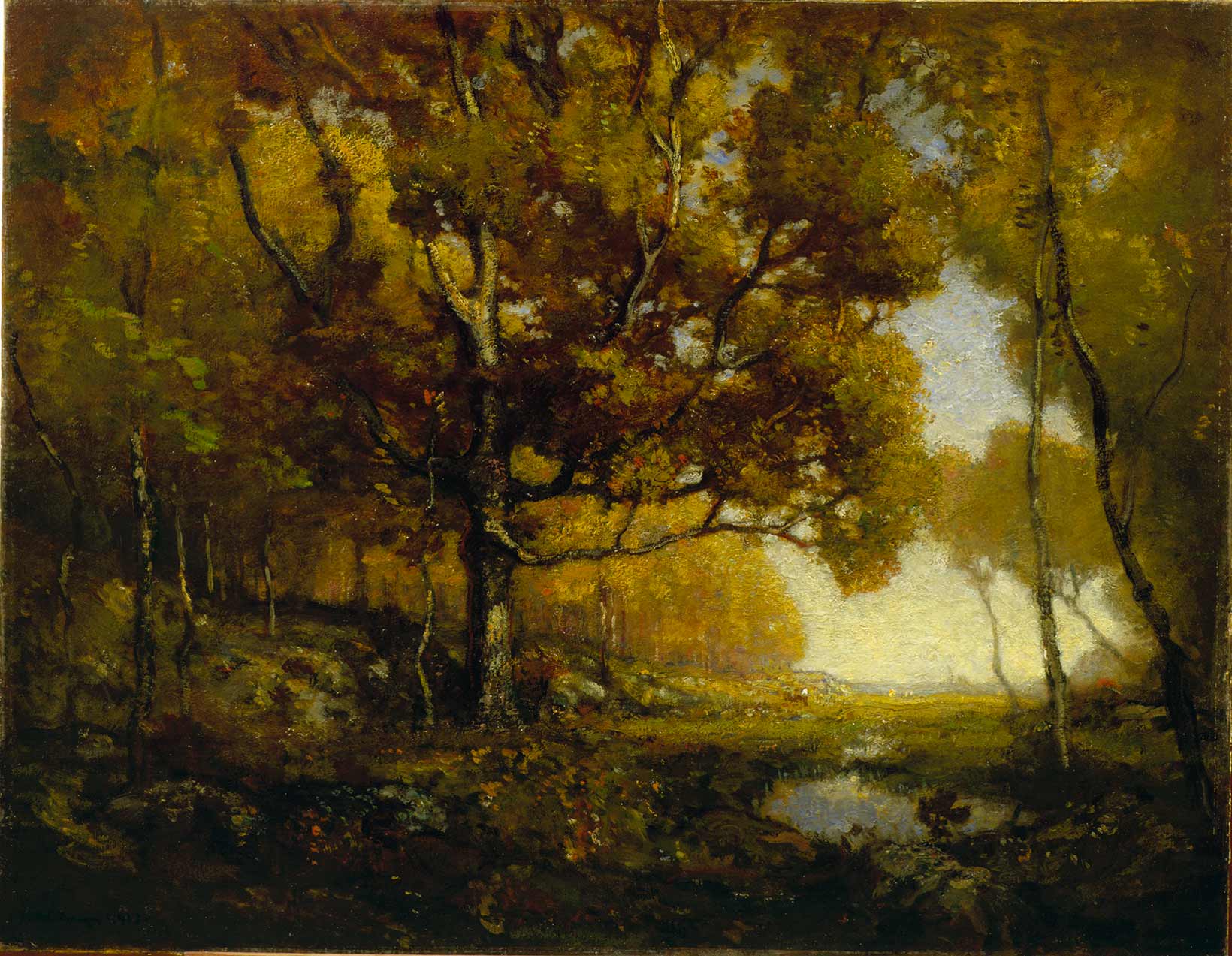
From its beginnings in 1899, the Lyme Art Colony was shaped by a strongly held group identity. Calling themselves the “School of Lyme,” the first artists who came, at the urging of the colony’s founder Henry Ward Ranger, believed they were forming a new school of painting in America. In the ensuing years, as more artists came and went, the colony’s stylistic focus shifted from Tonalism to American Impressionism, but its identity as an artists’ colony held fast and grew in reputation.

Dozens of American artists active in the early 20th century were considered members of the Lyme Art Colony, centered around Miss Florence’s boardinghouse in Old Lyme, Connecticut. From Childe Hassam to Henry Ward Ranger, Frank Vincent DuMond to Matilda Browne, their works in the Tonalist and American Impressionist style are today collected and held by many of the most prominent art museums in the United States and across the world.

To see a full list of the artists of the Lyme Art Colony and the dates they were active in Old Lyme, CT, CLICK HERE.

To explore the Florence Griswold Museum’s collections database online and learn more about specific artists, artworks, see acquisition information, and see and download images of artworks, CLICK HERE.

If you have a question or would like more information about an item in the Museum’s collections, please email Curator Amy Kurtz Lansing at Amy@FloGris.org.

In 2002, the Florence Griswold Museum’s collections were forever transformed by a monumental gift of 190 paintings and sculptures from The Hartford Steam Boiler Inspection and Insurance Company. This landmark donation included colonial paintings by Ralph Earl and Ammi Phillips, landscapes by Hudson River School masters Thomas Cole and Frederic E. Church, and beloved American Impressionist views by Childe Hassam, Matilda Browne, Willard Metcalf, and John Henry Twachtman. Their generosity has made an enormous impact on the Museum and the landscape of Connecticut art.

To explore and learn more about the Hartford Steam Boiler Collection, CLICK HERE.

During the first summers of the Lyme Art Colony the artists began to paint scenes on the door panels of the boardinghouse. By 1905, this tradition spread to the Griswold House dining room where the artists installed double rows of painted panels on all four walls to surround them while they dined, reminding them of traditions of the art colonies they had visited in Europe and building new ones in the American Impressionist style.

Today, these 38 individual panels and the 8 double panels (those on doors that complete one scene) are all in situ in the historic Griswold boardinghouse. From classic Old Lyme subjects to exotic and faraway places, the panels present a treasure trove of artistic expression of the art colony.

These are the paintings the artists selected to leave behind as their artistic legacy. You can investigate the panels up close, front and back, and learn about the artists who painted them. There is no other room like the Florence Griswold House dining room in America – truly a testament to the passionate artists who lived and worked at the boardinghouse that you can only see by visiting the Florence Griswold Museum!

To learn more about the Painted Panels, CLICK HERE.

One of the most celebrated works of art at the Florence Griswold Museum is the frieze-like painting titled The Fox Chase (1905) created by Henry Rankin Poore.

Located on the West Wall in the dining room of the Griswold boardinghouse, the nearly 9-feet long panel depicts the members of the Lyme Art Colony in a mock fox hunt through the village of Old Lyme, Connecticut. Beginning with the boardinghouse for artists at the far right and ending with the fox at the far left, the journey down Lyme Street will introduce you to the key elements, ideas and artistic personalities that make the Lyme Art Colony a distinctive chapter in Connecticut art, American Impressionism, and in history.

To learn more about The Fox Chase, CLICK HERE.

The Florence Griswold Museum has a rich and celebrated history. To learn more about our institutional history, our beloved namesake Miss Florence Griswold, the history of the Lyme Art Colony, the property and Museum grounds, how boardinghouses were significant to American Impressionism and art history, and the history of Old Lyme, Connecticut, CLICK HERE to read and explore our trove of informative essays.

To keep up with our History Blog, exploring new finds and research from the Florence Griswold Museum Archives, CLICK HERE.

Yes! The Museum’s collections continue to grow with recent acquisitions highlighting modern and contemporary artists working in or connected to Connecticut. These include works by Joseph and Anni Albers, Sol LeWitt, Walker Evans, and others who transformed American art in the 20th century and continue to do so today.
Artists or institutions who wish to inquire about presenting work at the Florence Griswold Museum may submit a proposal to Jenny Parsons, Senior Curator at Jenny@FloGris.org.

The Florence Griswold Museum is pleased to offer photographic images of objects in its collection.

Images of paintings, drawings, works on paper and historical photographs are available from the photographic services department for personal, educational, institutional, or commercial purposes. Choose from color photographic prints, black and white prints, 35 mm slides, or digital images. Color transparencies (4×5) are available for rental purposes.

CLICK HERE to learn more about Rights and Reproductions of images from the Florence Griswold Museum.

The Florence Griswold Museum Archives, housed in the Chauncey B. Stillman Study Center within the Krieble Gallery, provide research and reference services to the public by appointment.

Since its beginnings in the mid 1930s, the Florence Griswold Museum has collected documents, photographs, and ephemera associated with the legacy of Florence Griswold and the artists of the Lyme Art Colony. When the Florence Griswold Association merged with the newly formed Lyme Historical Society in 1955, the mission of the institution broadened to incorporate local history from the town’s original settlement in the 17th century to the present day.

Over the years the Lyme Historical Society Archives have grown to include significant holdings of original documents, letters, photographs, deeds, mercantile and business records, artists’ scrapbooks, and accounts of events that took place in Lyme and Old Lyme. This valuable resource, full of original materials, holds the key to understanding aspects of the town’s art and history.

The Archives of the Florence Griswold Museum are accessible by appointment only. Please email Jana Balsamo, Registrar and Exhibitions Coordinator at Jana@FloGris.org to arrange access.

To learn more about what is available in the Museum’s Archives, CLICK HERE.