Art of the Everyman: American Folk Art from the Fenimore Art Museum
June 7 through
September 21, 2014
The Fenimore Art Museum in Cooperstown, New York, is known for its premier collection of American folk art. Florence Griswold Museum curators Amy Kurtz Lansing and Ben Colman were given the rare privilege of borrowing the most important works from the collection and interpreting each through a fresh lens. This extraordinary collection of 44 works created by largely untrained early Americans — many of whom left no other record of their existence — opened a window into the daily life and material culture of the American Everyman.
The idea of the early American Everyman loomed large in Stephen C. Clark’s eye when he founded the Fenimore Art Museum. Self-reliant and inventive, the historic Everyman represented a romantic ideal of America’s past during a time of rapid change.
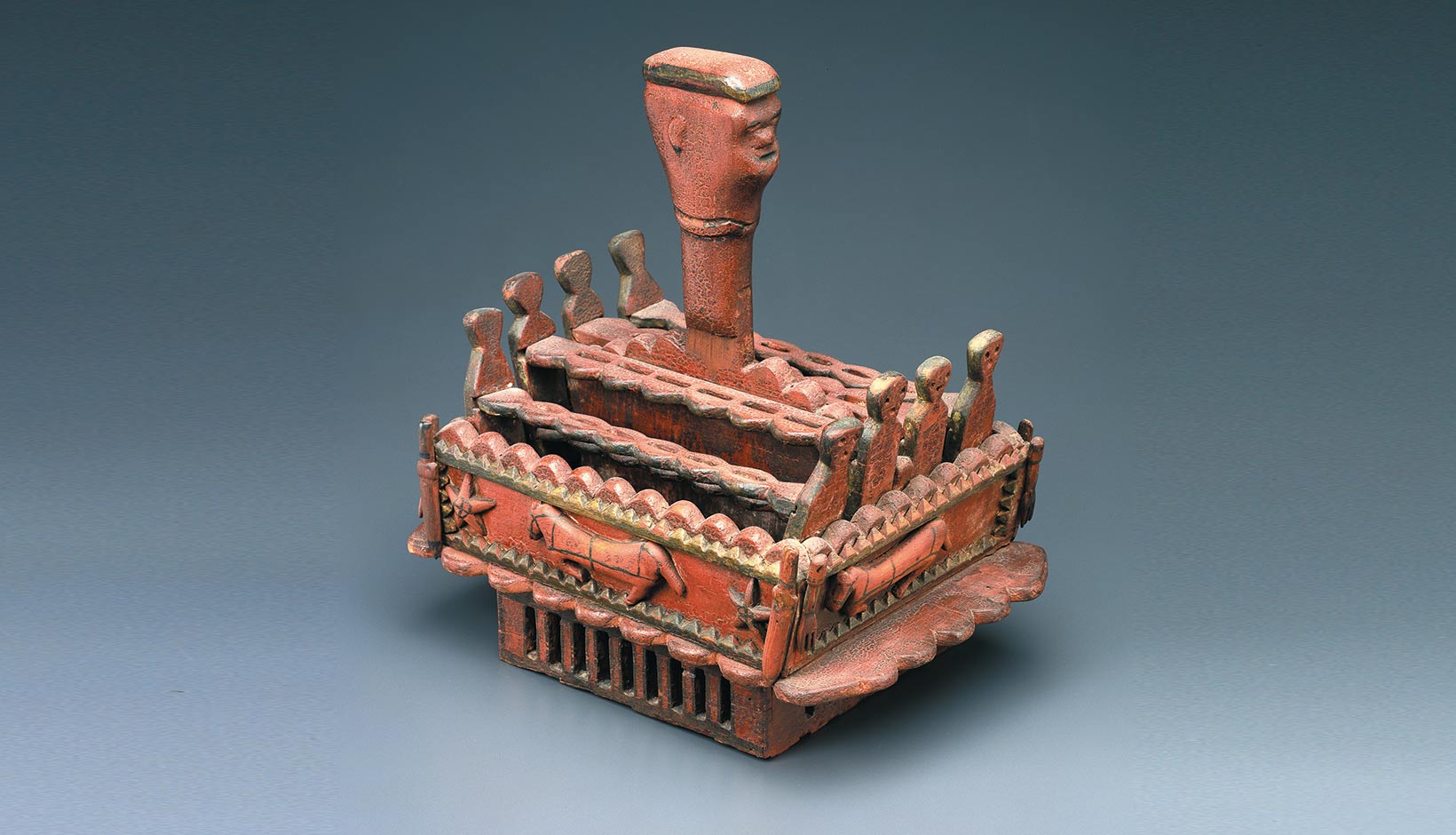
By bringing together an eclectic mix of objects to reflect this ideal, Clark hoped to celebrate the past and inspire the future. The works of art in the exhibition Art of the Everyman: American Folk Art from the Fenimore Art Museum included folk art made by self-taught artists working with a deeply personal vision and genre paintings by academic artists depicting everyday vignettes. These objects represent a diverse cross-section of American material life, ranging from useful farm implements to portraits that reflect the sophisticated tastes of their rural sitters. The exhibition was divided into two sections, the first, “What is Folk Art?” helped viewers understand how that term folk art came to be and what we mean when we use it. The second section of the exhibition, “Representing the Everyman,” delved deeper into people and stories celebrated in Clark’s vision of folk art.
Clark was interested in objects that would tell stories, a leitmotif for the works in the exhibition. The genre paintings in the exhibit—scenes of everyday life—included iconic examples showcasing rural patterns of familiar characters and settings. Americans like Clark were drawn to paintings like those in the exhibition for their uncanny ability to evoke the characters, events, and even sounds of a vanishing agrarian way of life. Portraits also predominated as both a central feature of American folk art when it was rediscovered in the twentieth century, and an unparalleled window into the life, character, and aspirations of everyday Americans. “We are thrilled that this exhibition allows us to share the stories of some of the finest works of American folk art, and to reveal the role Clark’s eye for Modern art played in defining folk art for audiences today,” said Curator Amy Kurtz Lansing.
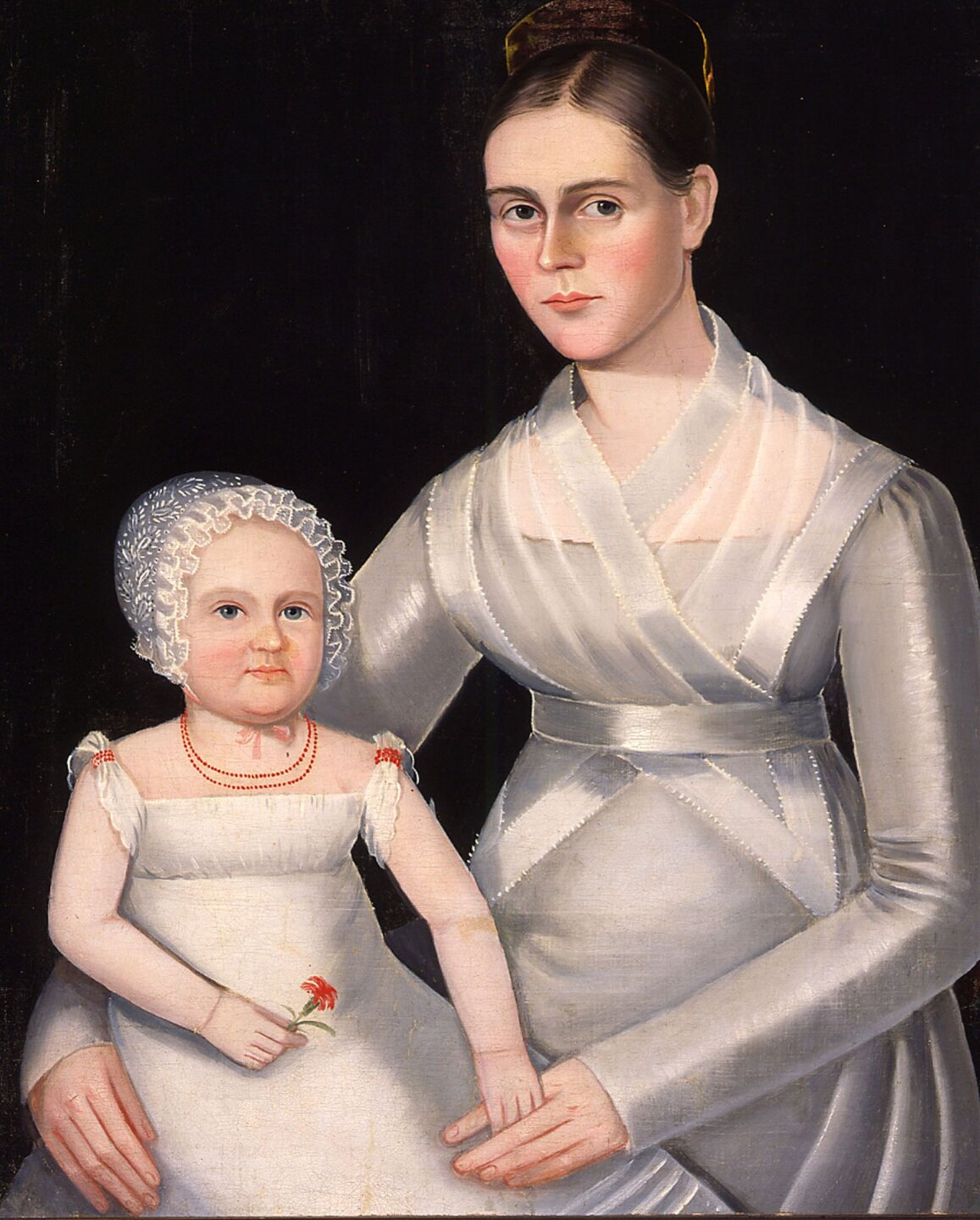
Attributed to Ammi Phillips (1788-1865), Mother and Child, ca. 1825. Oil on canvas, Fenimore Art Museum
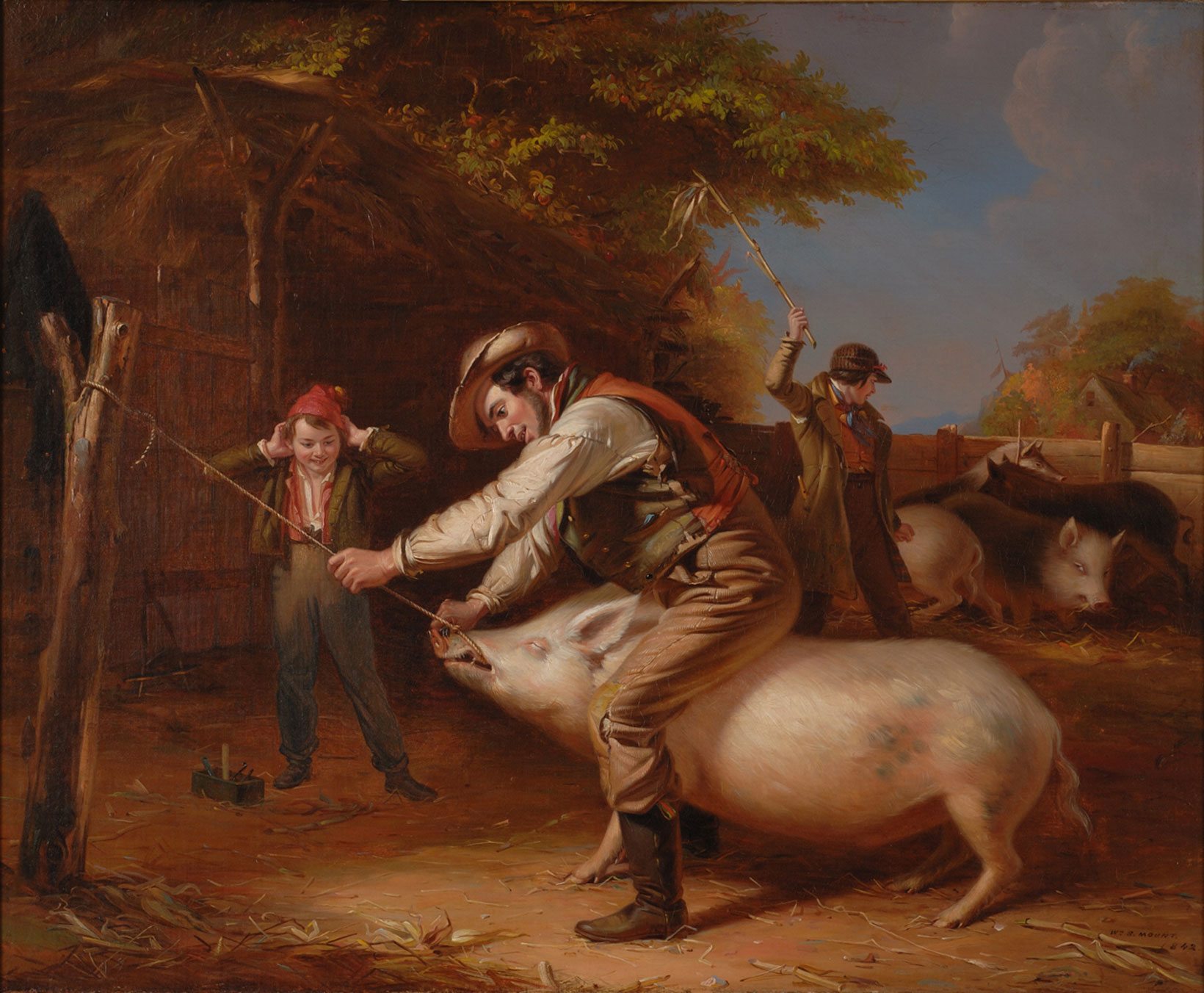
William Sidney Mount, Ringing the Pig, 1842.
Selections from the Collection of the Fenimore Art Museum, Cooperstown, New York
This exhibition was supported by grants from Connecticut Humanities and The Hartford Steam Boiler Inspection and Insurance Company. Additional support was generously provided by a group of individuals, restricted funds, and foundations. Media sponsor: WSHU Public Radio.