Life Stories in Art: Three American Women Artists in Connecticut
October 3, 2014 through
January 25, 2015
Three Women/Three Artists/Three Centuries. Together, these exhibitions highlighted the contributions of three important women artists in Connecticut in three different media over the course of three centuries. The Museum’s Krieble Gallery featured more than 70 works by 19th century painter Mary Rogers Williams; 20th century sculptor Mary Knollenberg; and contemporary glass artist Kari Russell-Pool. Although separate exhibitions, they each carried the theme “Life Stories in Art” and served as an exploration of these women’s individual journeys of sacrifice, self-discovery, and balancing multiple roles in the pursuit of their art.
Life Stories in Art presented the “perfect opportunity to assess the extraordinary role that women have played in American art, both historically and currently,” said Jeffrey Andersen, Director. “Each of these artists—although separated by centuries and by different circumstances—demonstrate great courage in their commitment to their art. I hope our audience will be prompted to delve deeply into their individual accomplishments and reconsider their contributions to the arts of Connecticut.”
The Art of Mary Rogers Williams
“Forever Seeing New Beauties”
This was the first retrospective of Mary Rogers Williams (1857-1907). Despite an active career as a painter, pastellist, portraitist, and teacher, Williams faced the challenge of acceptance in an art world that was largely closed to women at the time. Her artistic contributions would have descended into obscurity if not for a few supporters who believed in her work and made an effort to preserve it after her unexpected death at the age of fifty. Mary’s sisters kept around 70 works and almost all of her letters, which were entrusted to her good friend and fellow artist, Henry C. White. Henry’s grandson, the artist Nelson Holbrook White, inherited the collection and had Mary’s paintings restored. Thanks to the White family’s stewardship, this retrospective recovered and examined her contributions to the American Tonalist movement, unusual in the fact that she was one of the only women to be identified with this style.
Mary Knollenberg Sculptures
Modern Figures
This exhibit of 20 sculptures in bronze, stone, and plaster was the first retrospective since her death in 1992 in Chester, CT. Born in 1904 in New York, Knollenberg trained with sculptors Mahonri Young and Heinz Warnecke. Many of her critically-praised sculptures explore the form of stylized female bodies and the selection of motifs reflects the artist’s lifelong struggle to define herself as a woman. In a 1988 interview, Knollenberg revealed she grew up as a tomboy and as a result, “I didn’t know how to get along with little girls. I didn’t know what little girls were about, and I’ve always had this feeling I didn’t know what it meant to be a woman, what women looked like, or what they were, and I think a part of this doing a woman’s figure is a way of educating myself — a search for identity.”
Kari Russell-Pool
Self-Portraits in Glass
From her Essex, Connecticut, studio Kari Russell-Pool bends, molds, and fuses delicate rods of glass into extremely intricate sculptures. This exhibition highlighted her introspective practice of mining both historic forms and daily life to explore the modern world in her art. Alongside a selection of 20 works resembling Greek amphoras, Victorian teapots, needlework samplers, birdcages, and sailor’s valentines, this exhibition debuted one of her first large-scale installations.
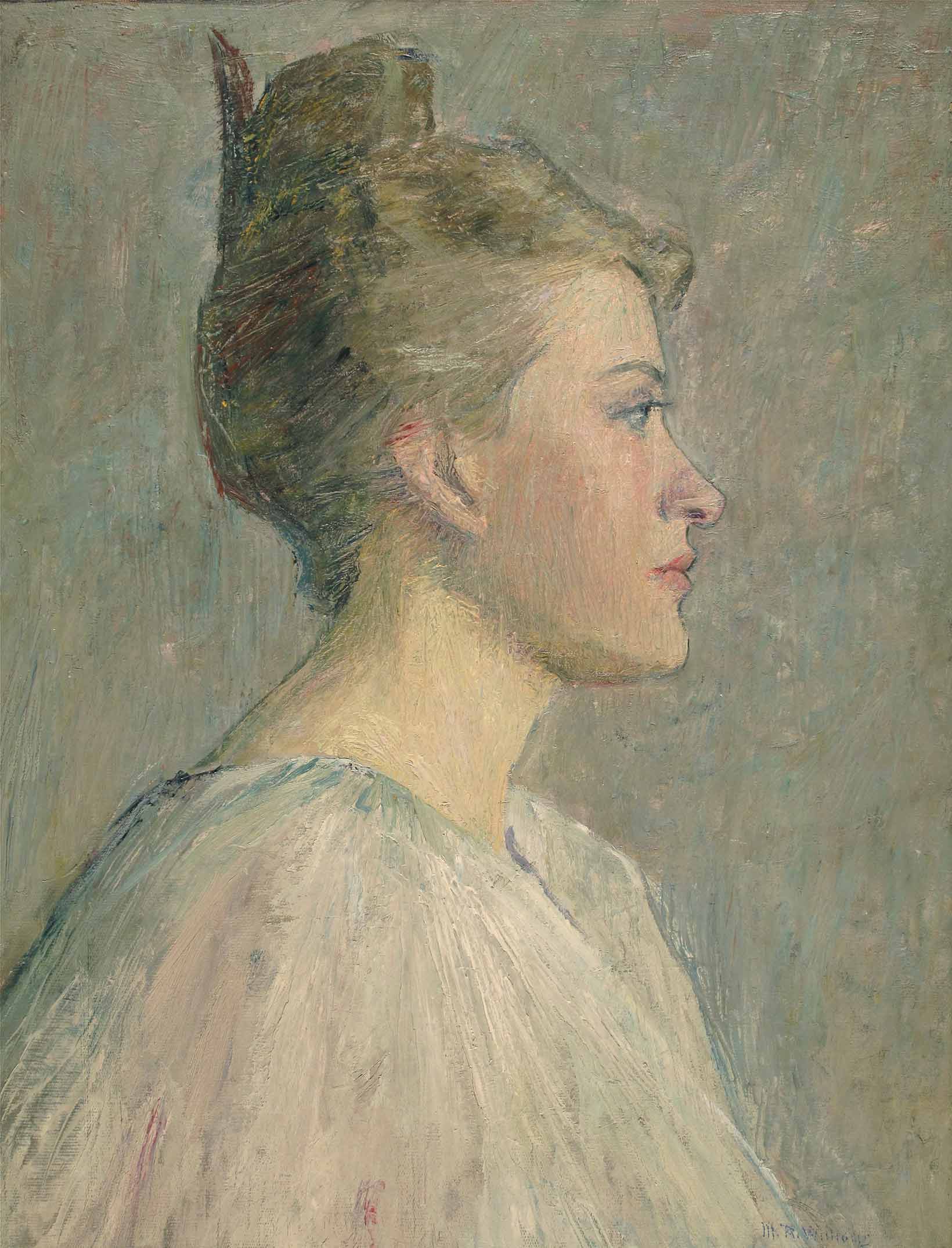
Mary Rogers Williams, A Profile, ca. 1895. Oil on canvas, 21 1/4 x 16 1/2 inches. Private collection
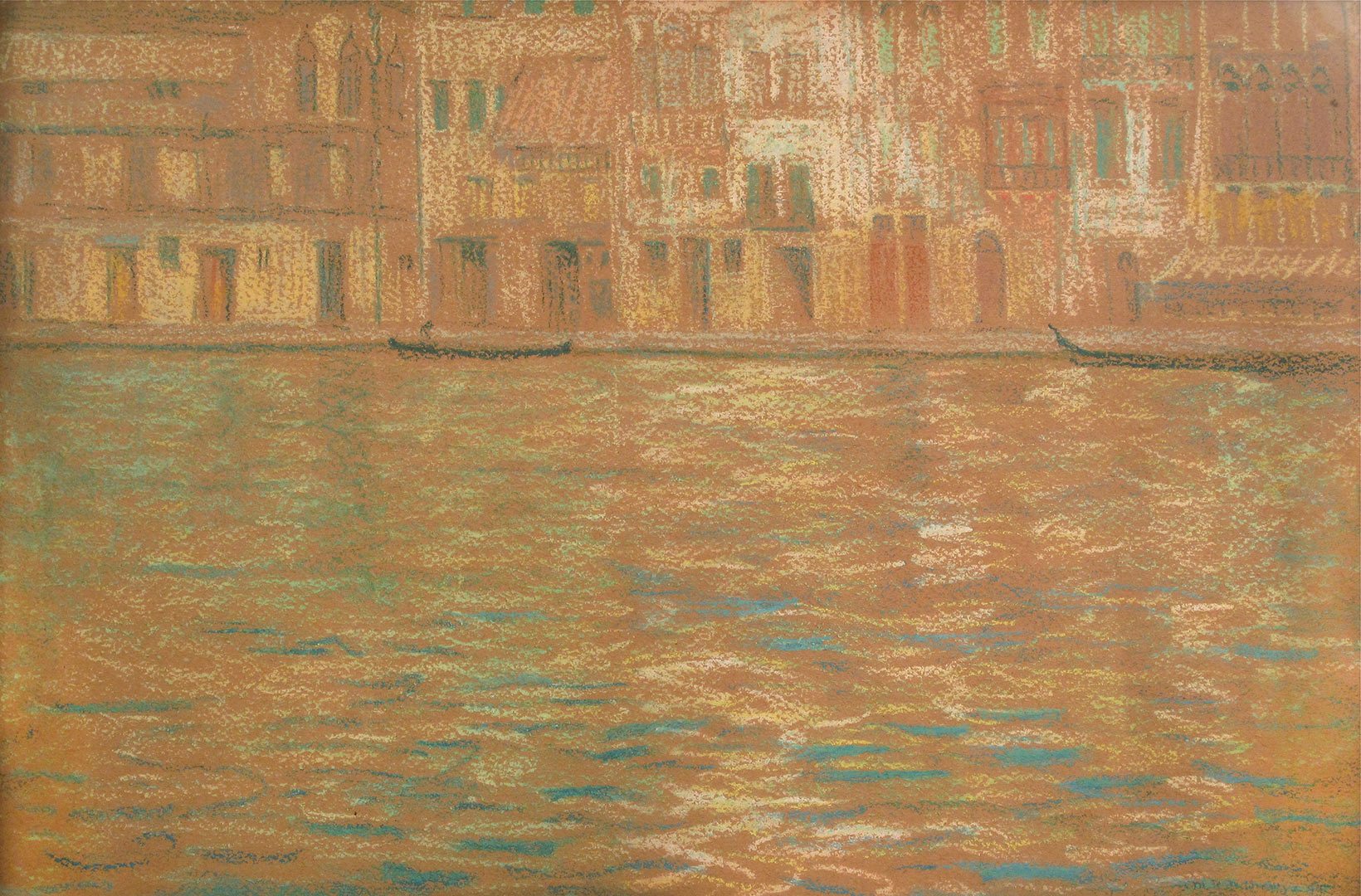
Mary Rogers Williams, Venice. Pastel on Paper. Private collection.
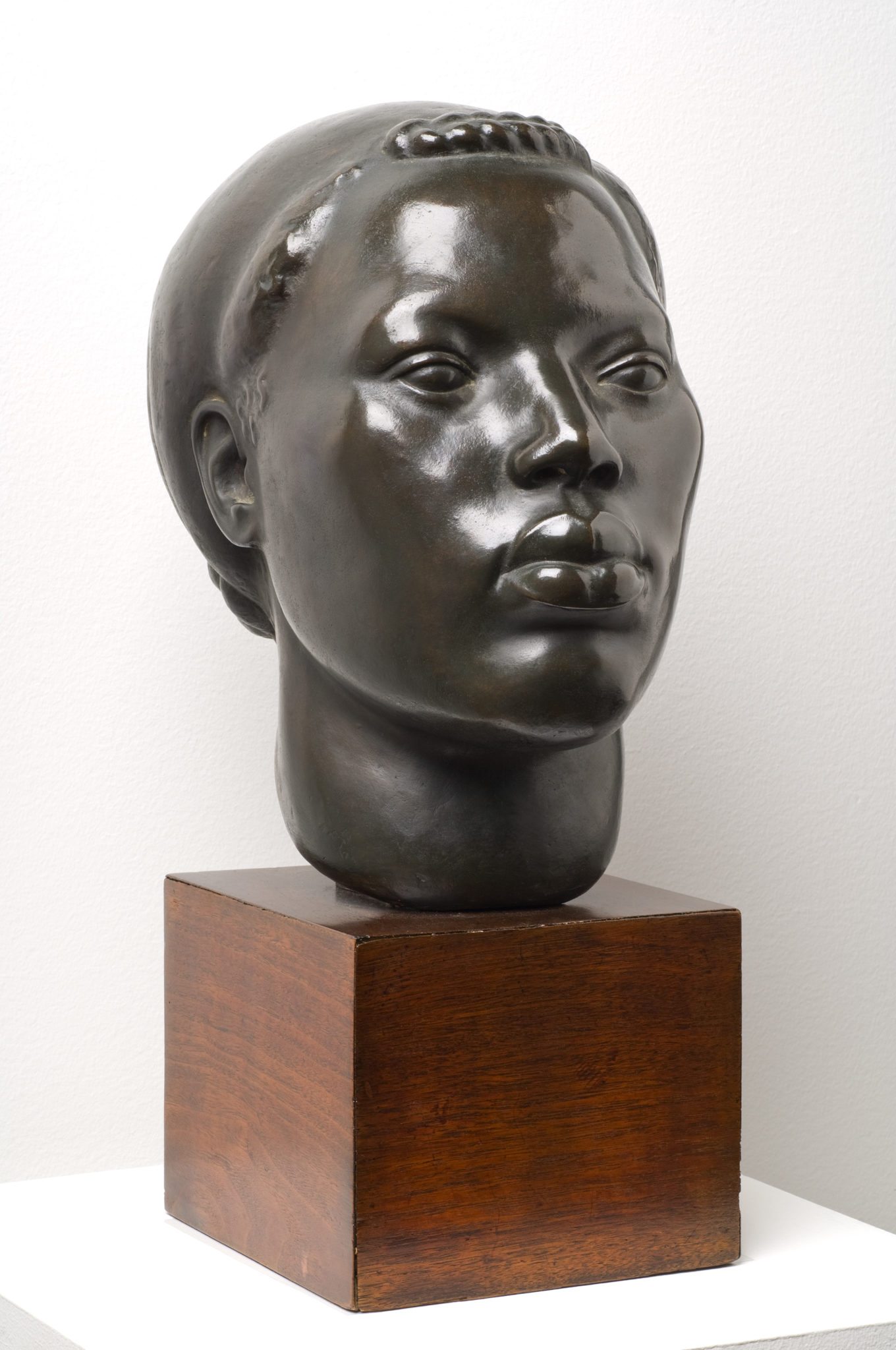
Mark Knollenberg, Dora Washington, 1930-1931. Bronze. Private collection
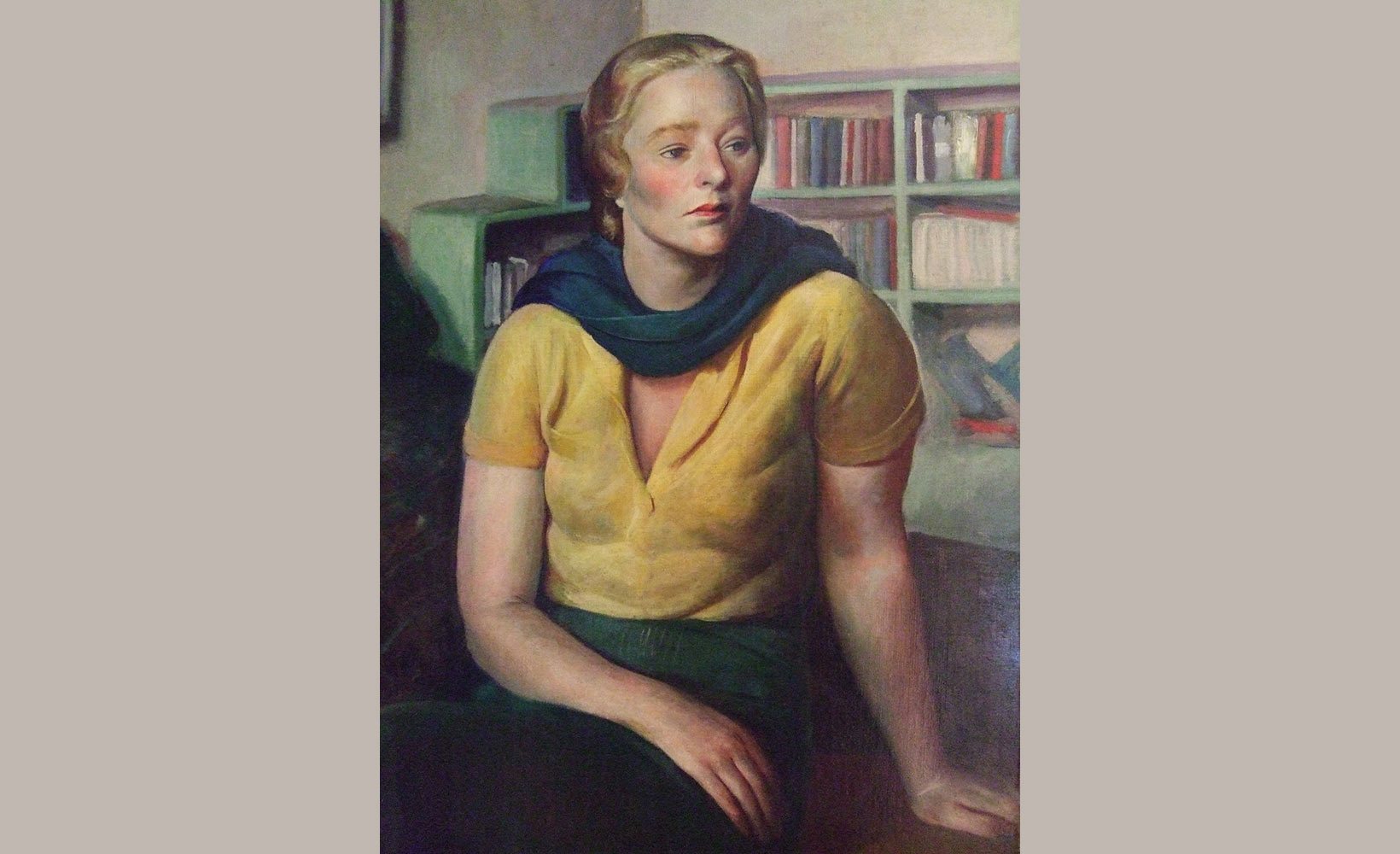
Guy Péne Dubois (1884-1958), Mary Tarleton Knollenberg, 1935. Oil on canvas. Private Collection
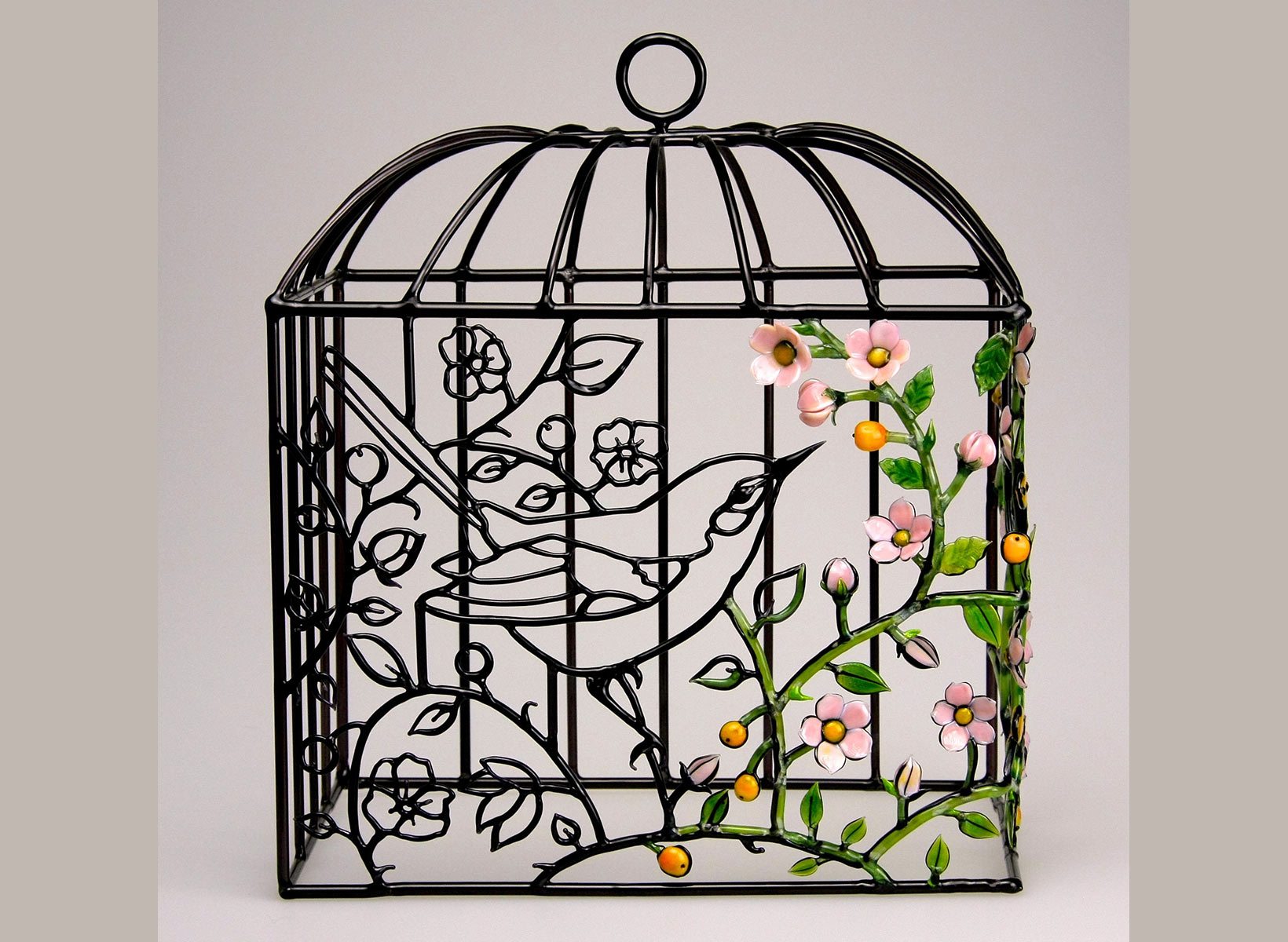
Kari Russell-Pool, Coloring Book Cage, 2014. Flame-worked glass. Courtesy of the artist
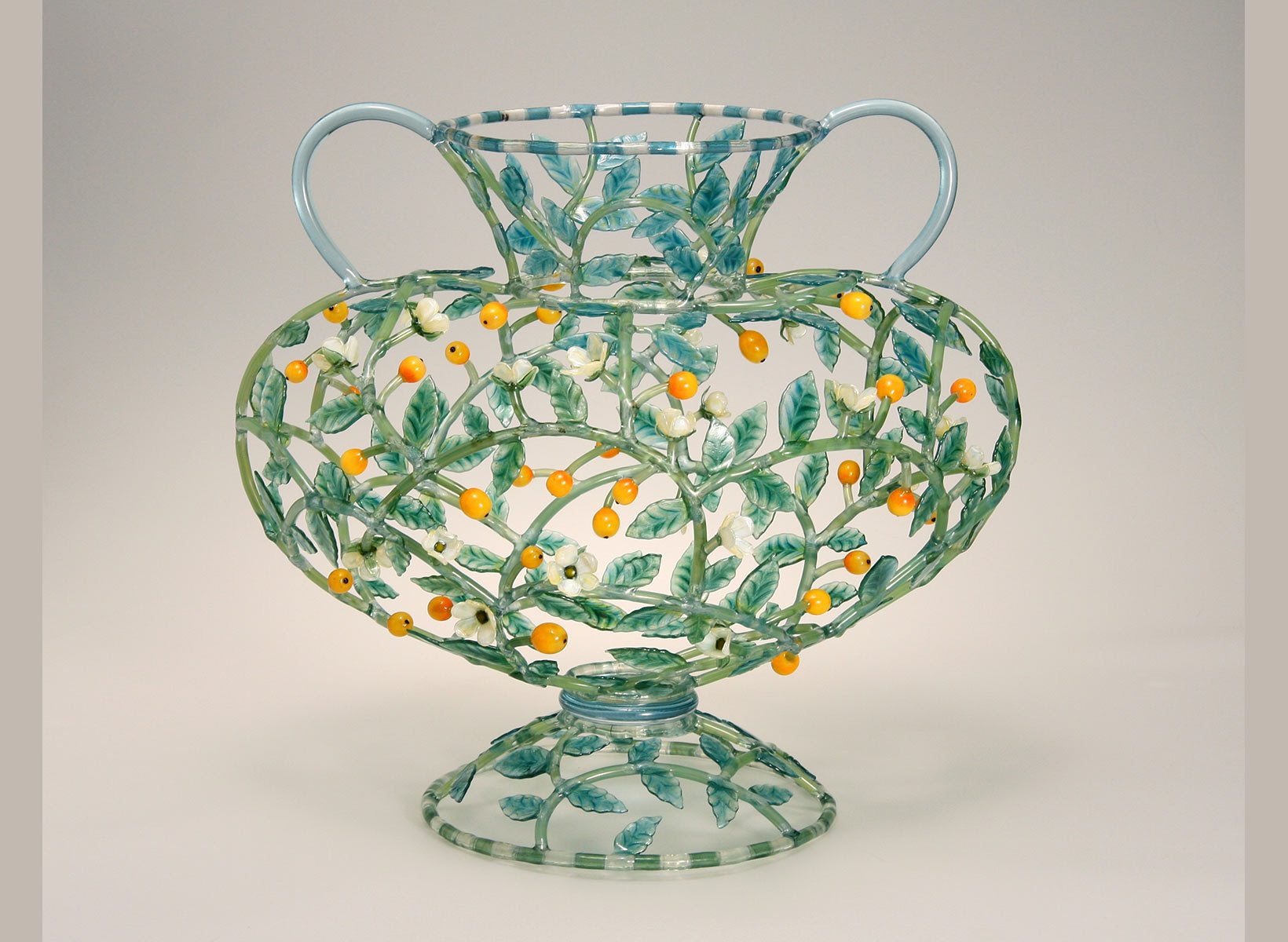
Kari Russell-Pool, Sun Drop (Trophy Series), 2008. Flame-worked glass. Courtesy of the artist