Exhibition Note: Collecting Ceramics in Old Lyme
Exhibition Note: Collecting Ceramics in Old Lyme By Patty [...]

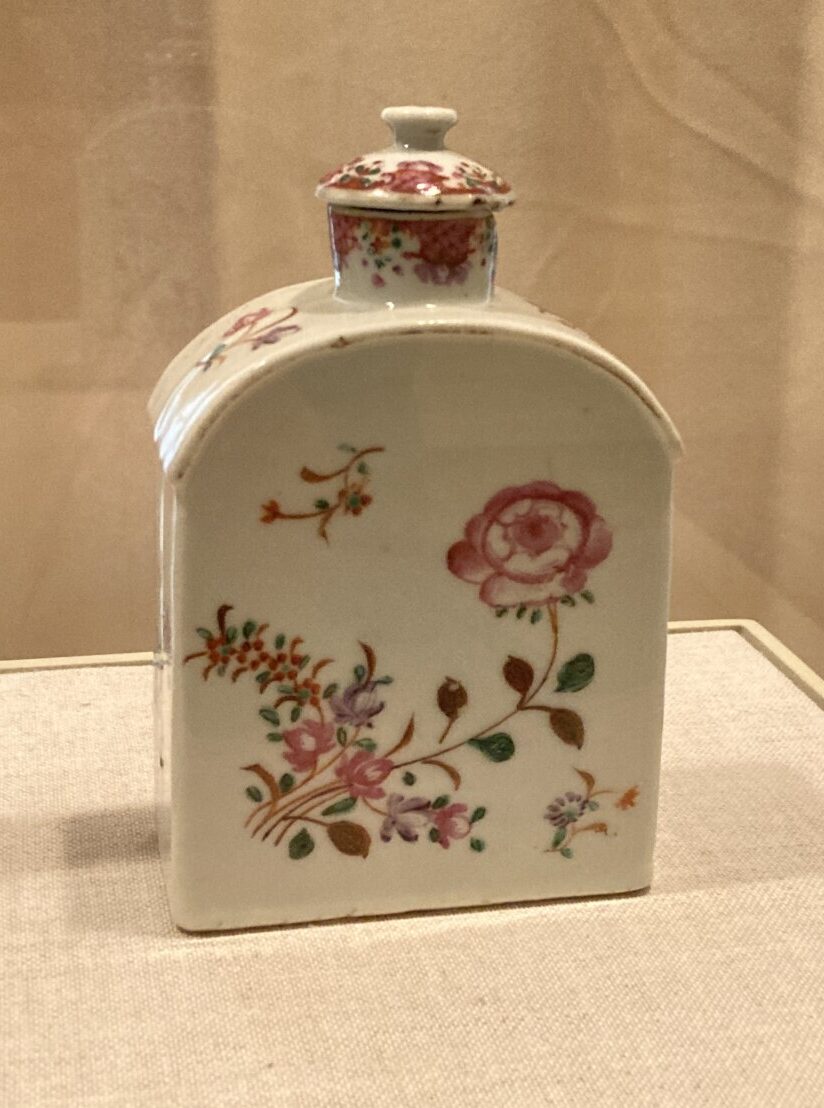
Exhibition Note: Collecting Ceramics in Old Lyme By Patty [...]
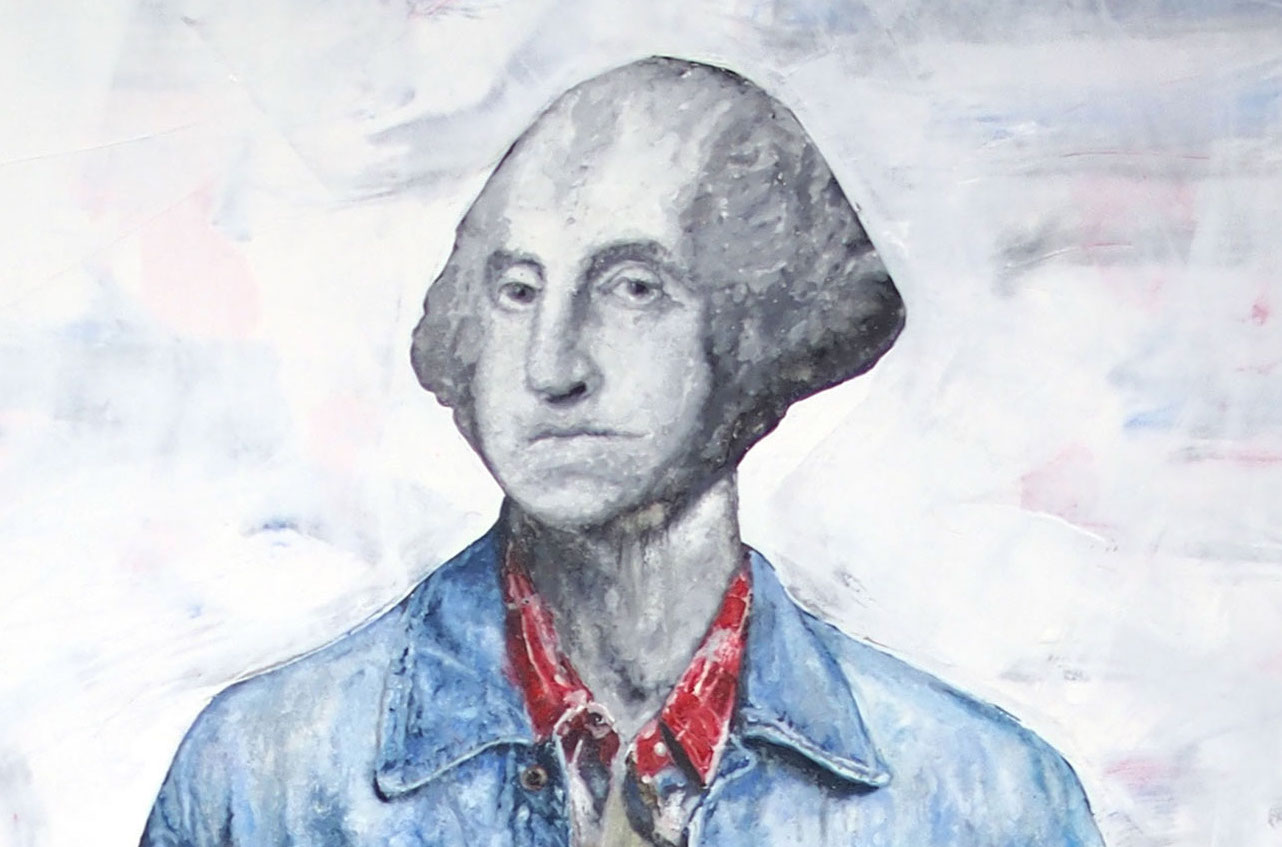
Exhibition Note: George Washington’s Visit to Old Lyme [...]
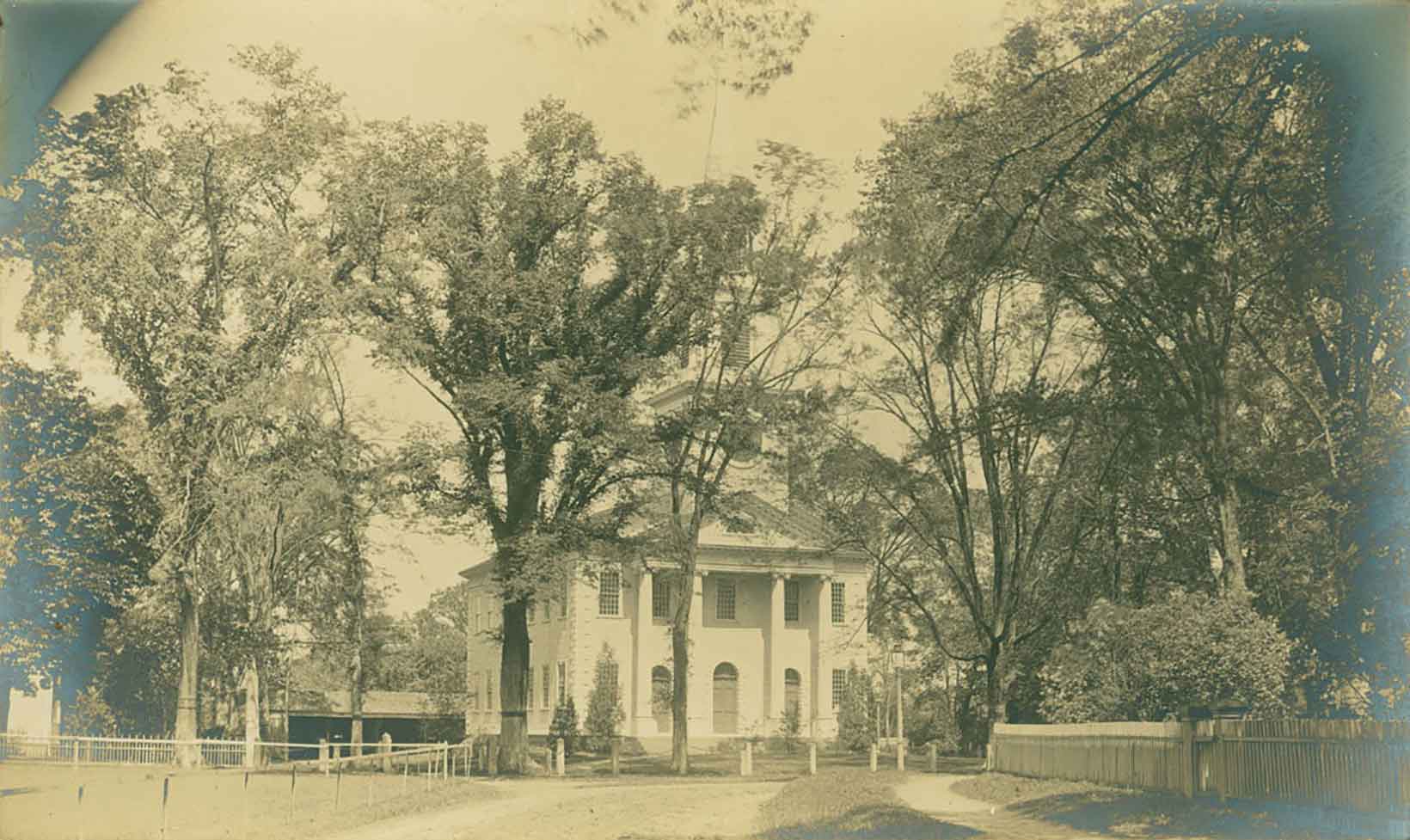
The Independence Day holiday in 1907 passed without celebration in Old Lyme. Ashes still smoldered from the fire that demolished the Meetinghouse on July 3, and the community united in a sense of shared loss. But when the newly arrived minister proposed replacing the elegant white clapboard structure that had graced the village for almost a century with an “up-to-date” red brick church, controversy flared.
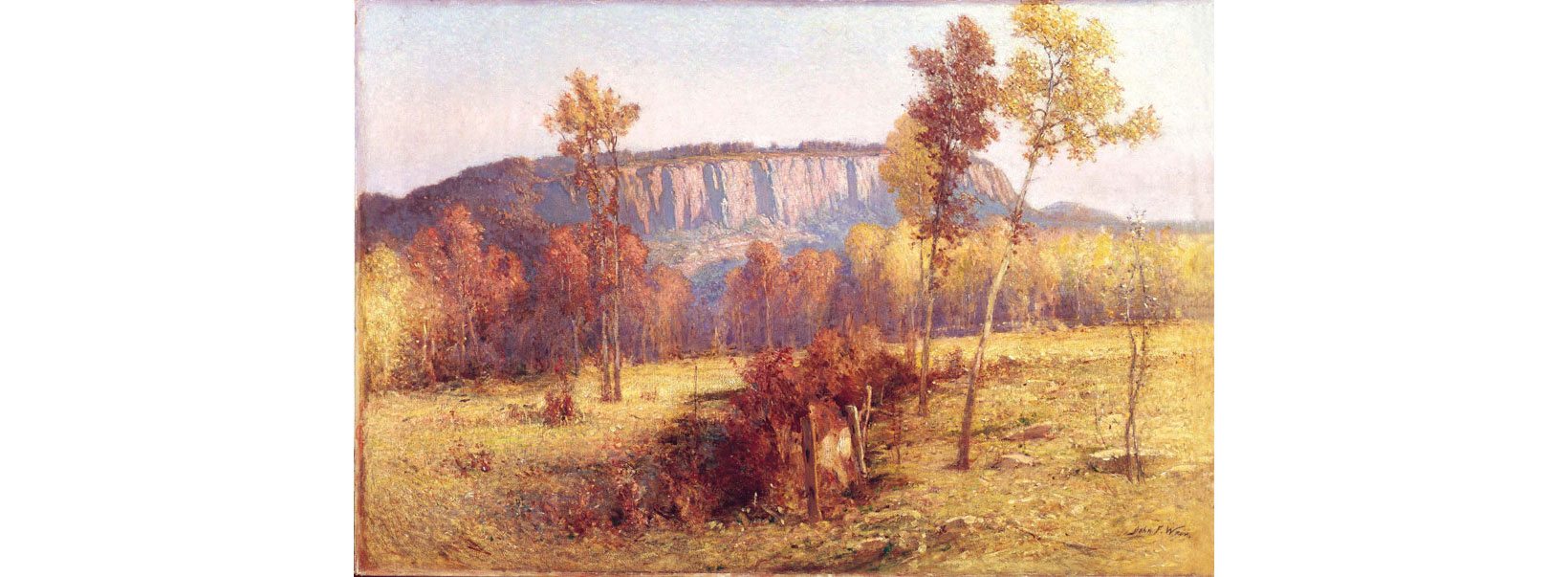
Like the dramatic red-tinged cliffs of New Haven’s East Rock captured on two canvases in the exhibition Animal, Vegetable, Mineral: An Artist’s Guide to the Universe,[1] Old Lyme’s “mineral kingdom” invites exploration.
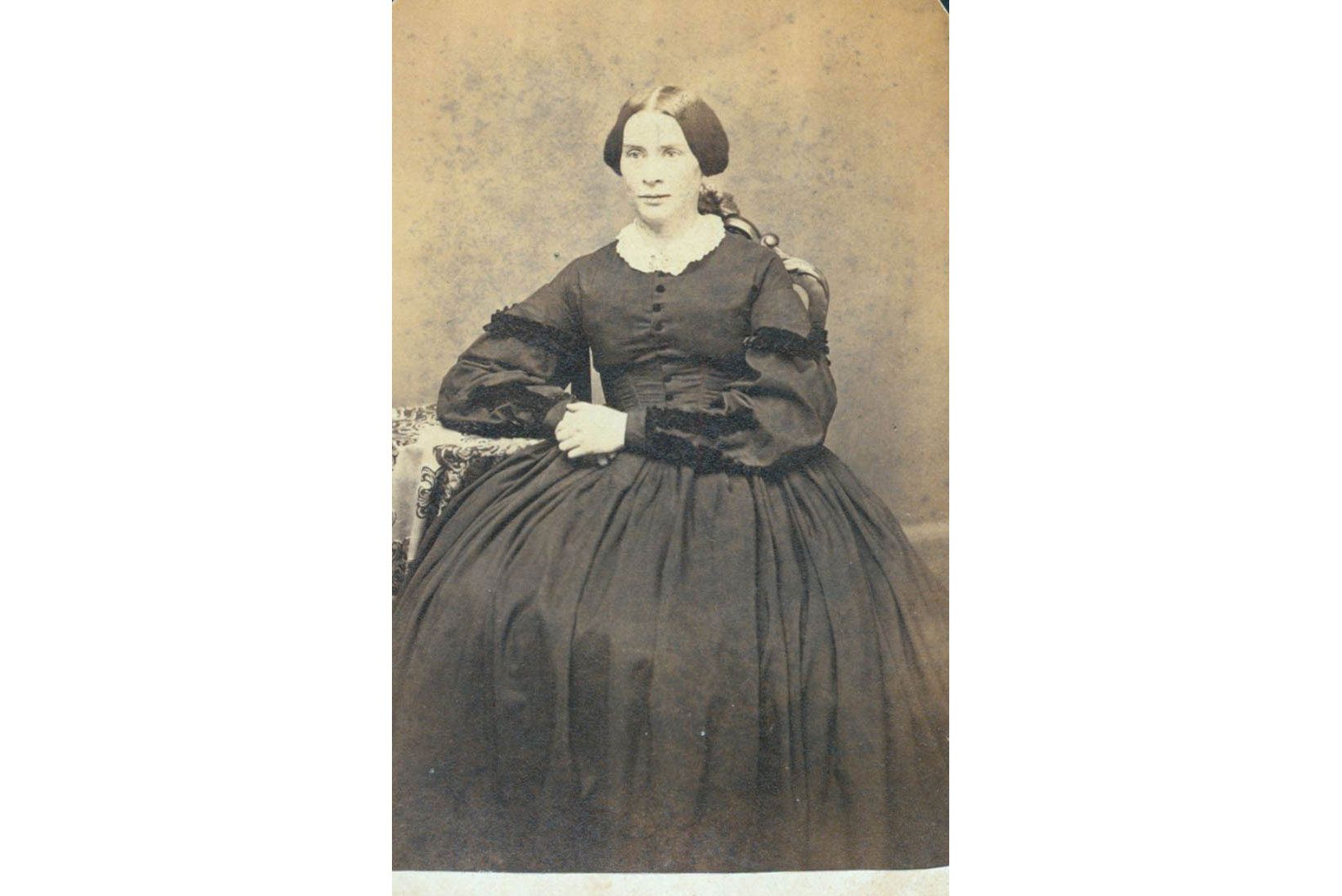
Amid the recipes, medicinal cures, and obituary clippings pasted into a simple string-bound scrapbook appears a hand-written list of Judge William Noyes’ (1728–1807) slaves. Kept initially by his great-granddaughter Mary Ann Noyes Learned (1818–1875) and later maintained by her cousin Martha Noyes (1833–1874), the scrapbook documents the family’s Negro servants over four generations.
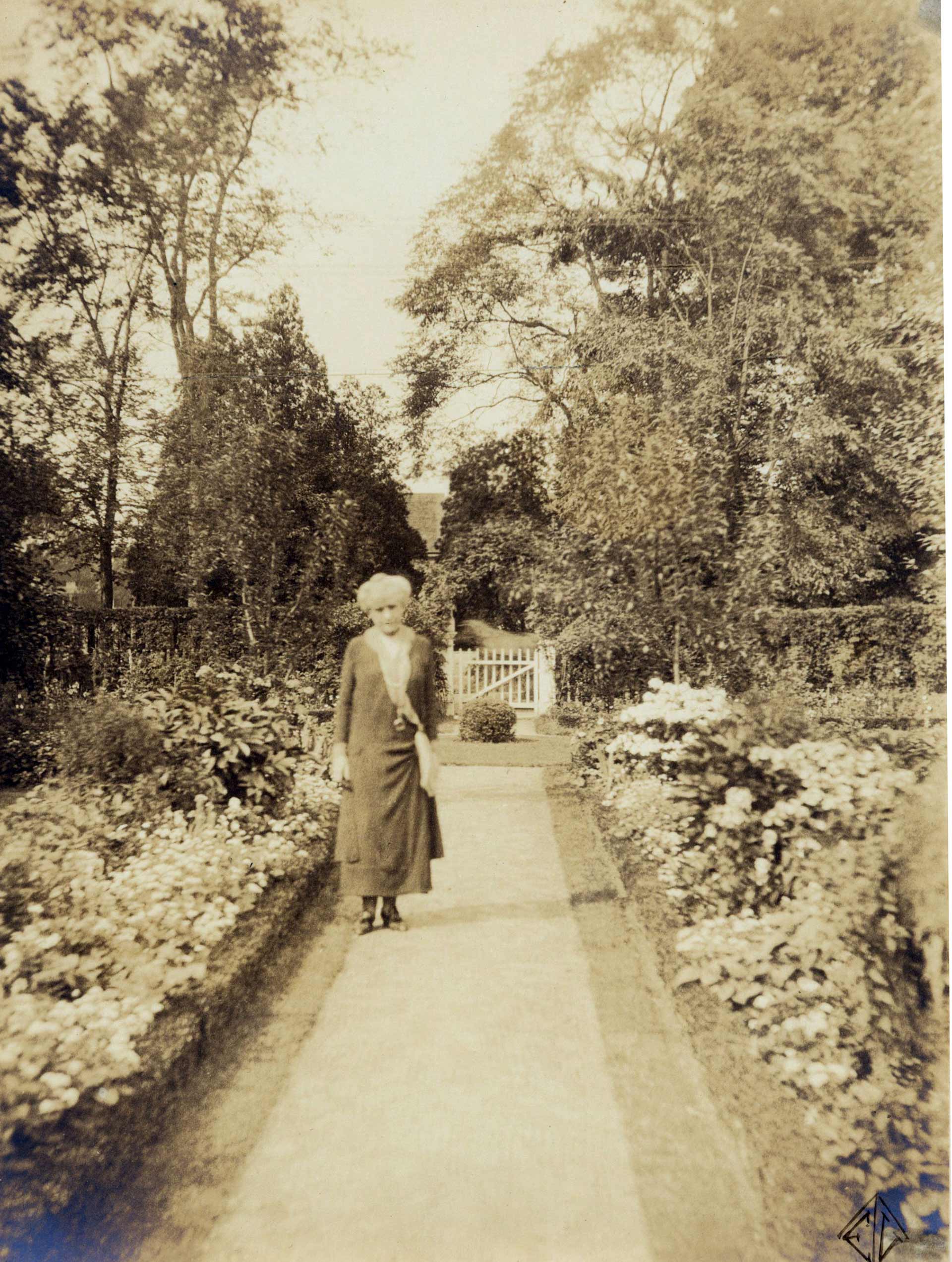
The gardens that surrounded Old Lyme’s Meetinghouse for more than a century trace the changing needs, tastes, and financial circumstances of a prominent local family. A series of images taken in 1925 by photographer Edna Leighton Tyler (1879–1970) captures the sweeping lawns and luxuriant flowerbeds on Katharine Ludington’s estate. But the land behind her elegant Colonial Revival home had once served more practical uses.
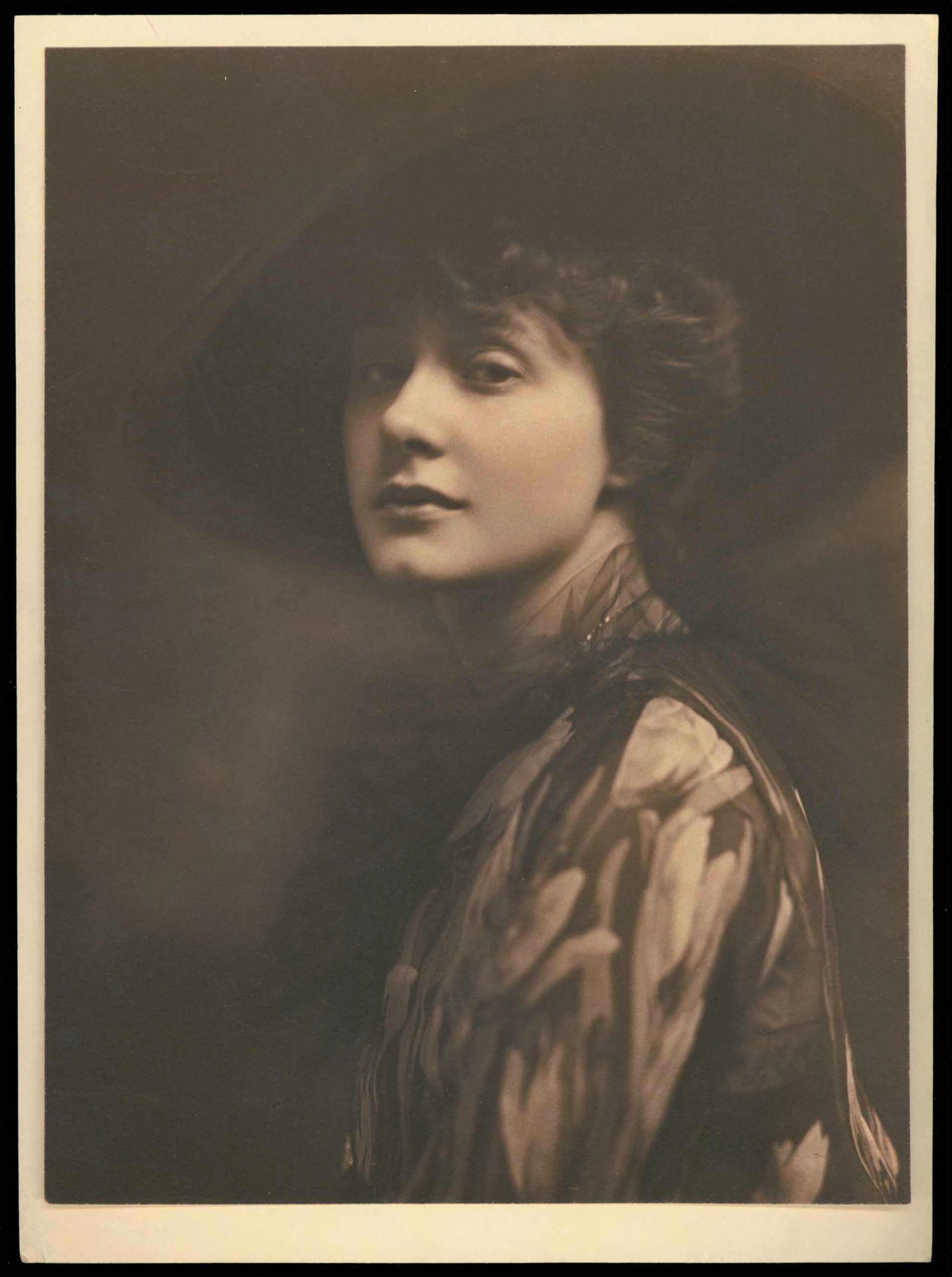
Elsie Ferguson, a celebrated Broadway actress and star of the silent screen during the World War I era, settled in Old Lyme in 1955. The gabled front addition to an historic tavern became her final home.