Landmarks: Einstein Dreaming in Old Lyme
Landmarks: Einstein Dreaming in Old Lyme By Carolyn Wakeman [...]

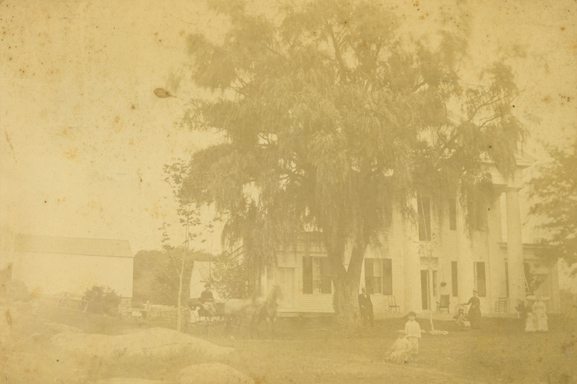
Landmarks: Einstein Dreaming in Old Lyme By Carolyn Wakeman [...]
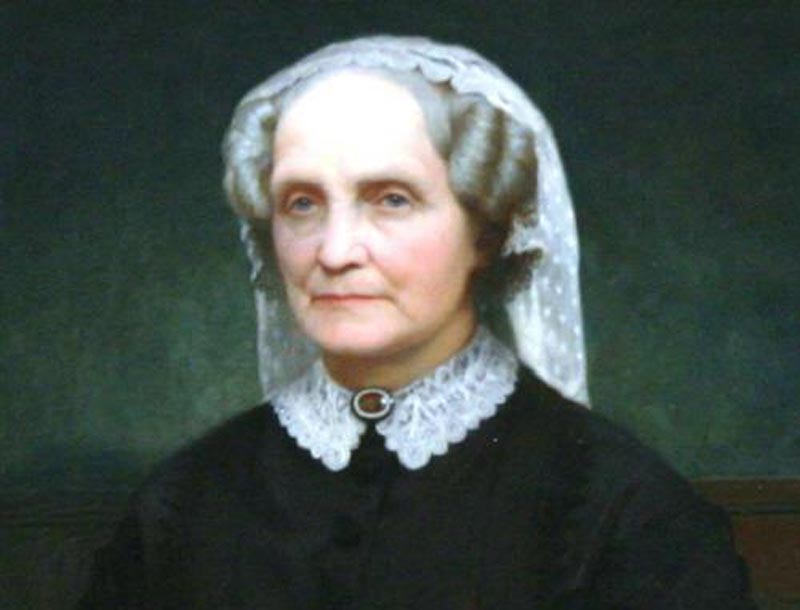
Letters: Freedom on the Ballot in the 1856 Election [...]
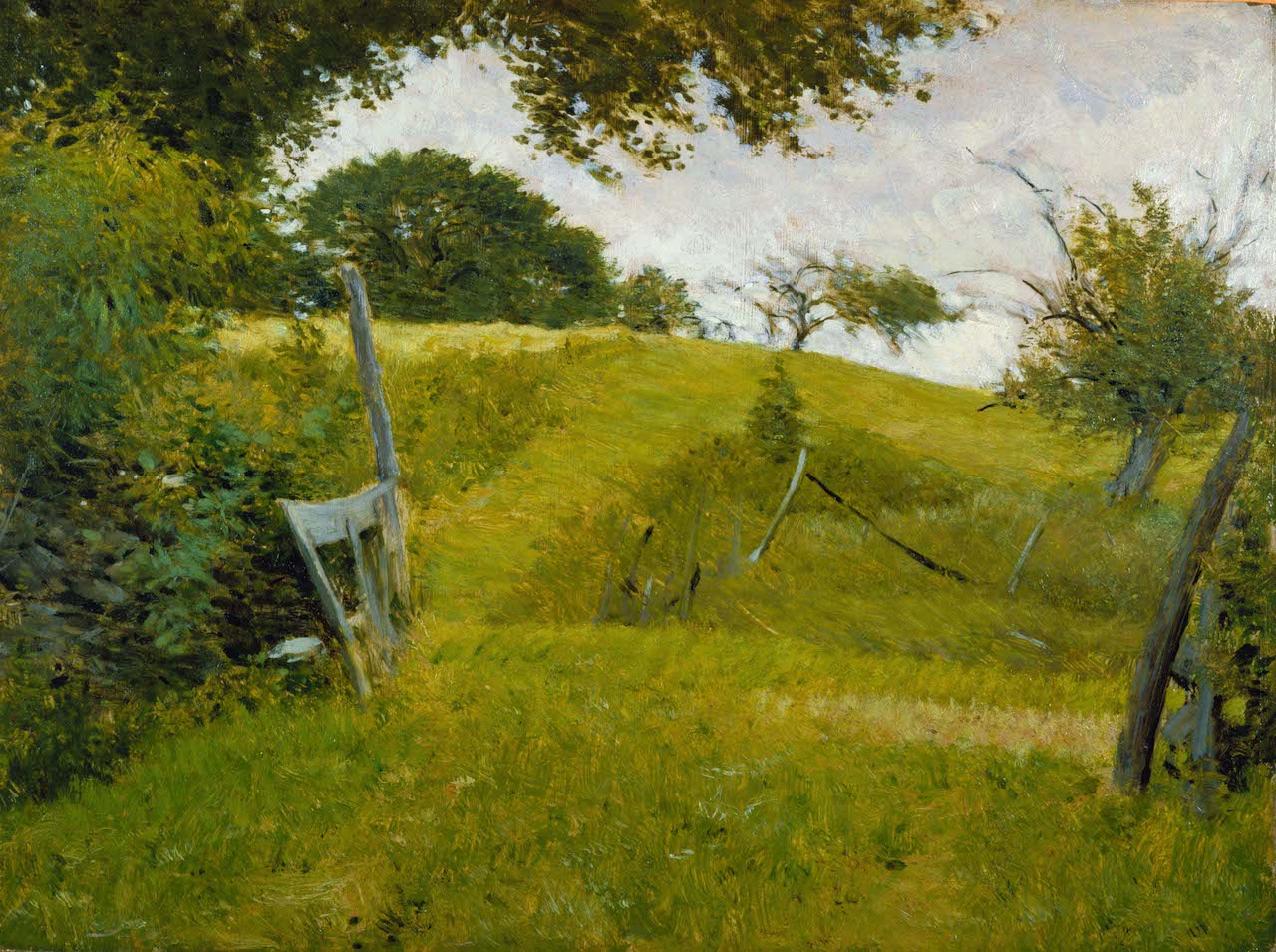
Exhibition Note: Fresh Fields–New Light on Familiar Settings [...]
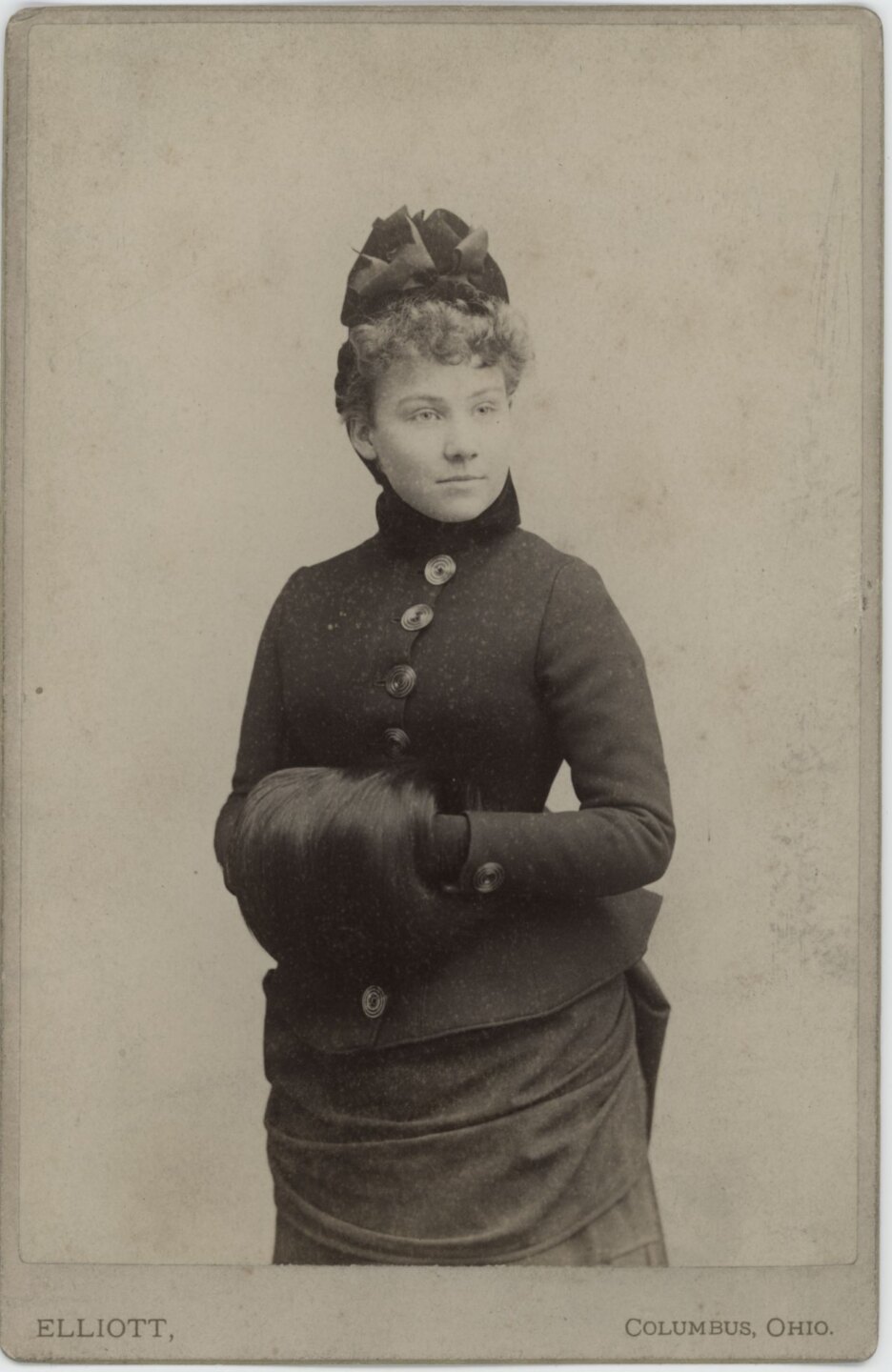
Profile: Susan Platt Hubbard and Anti-Suffragism in Old Lyme [...]
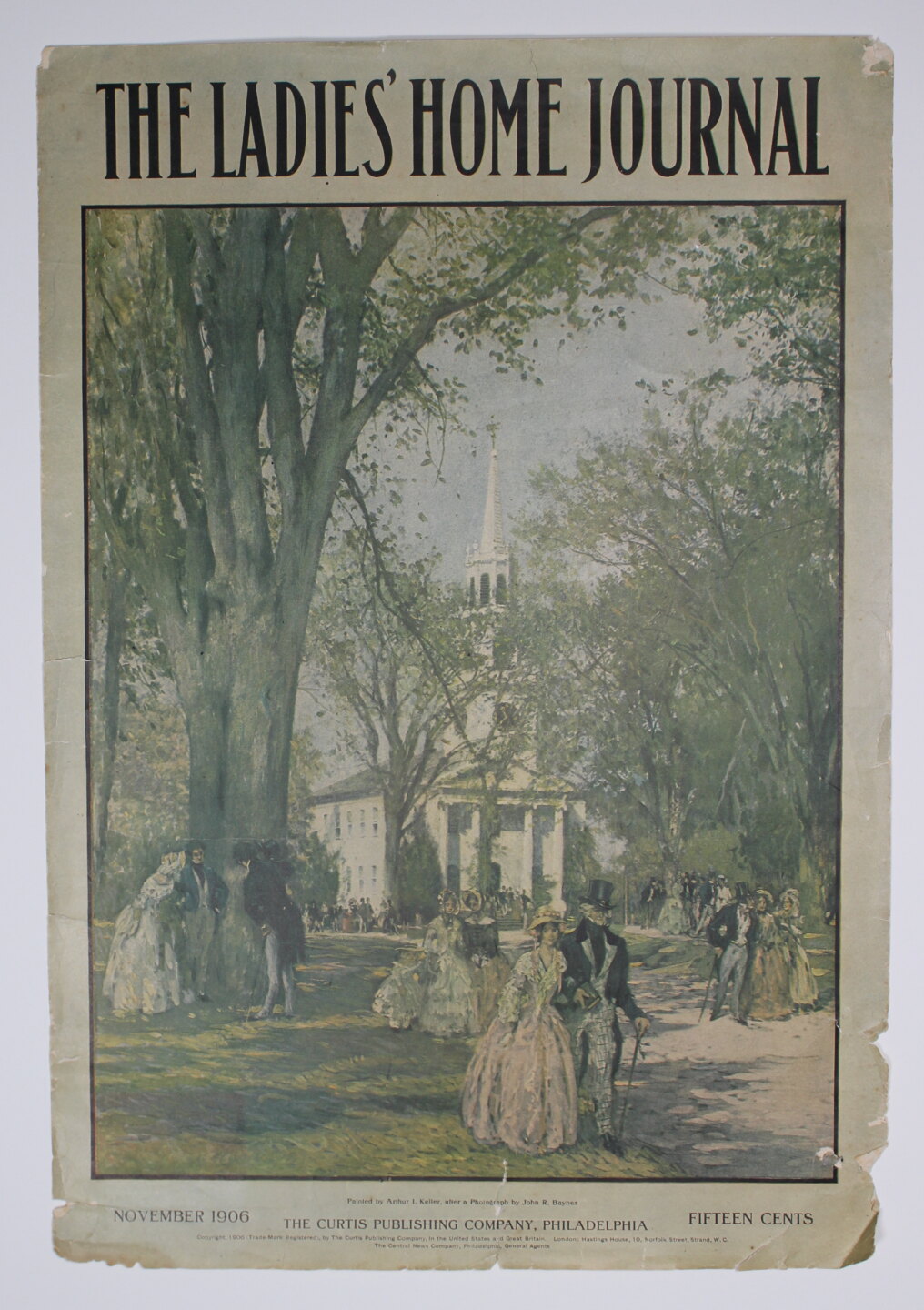
Documents: Flames at Midnight By Carolyn Wakeman The [...]

Exhibition Note: George Washington’s Visit to Old Lyme [...]
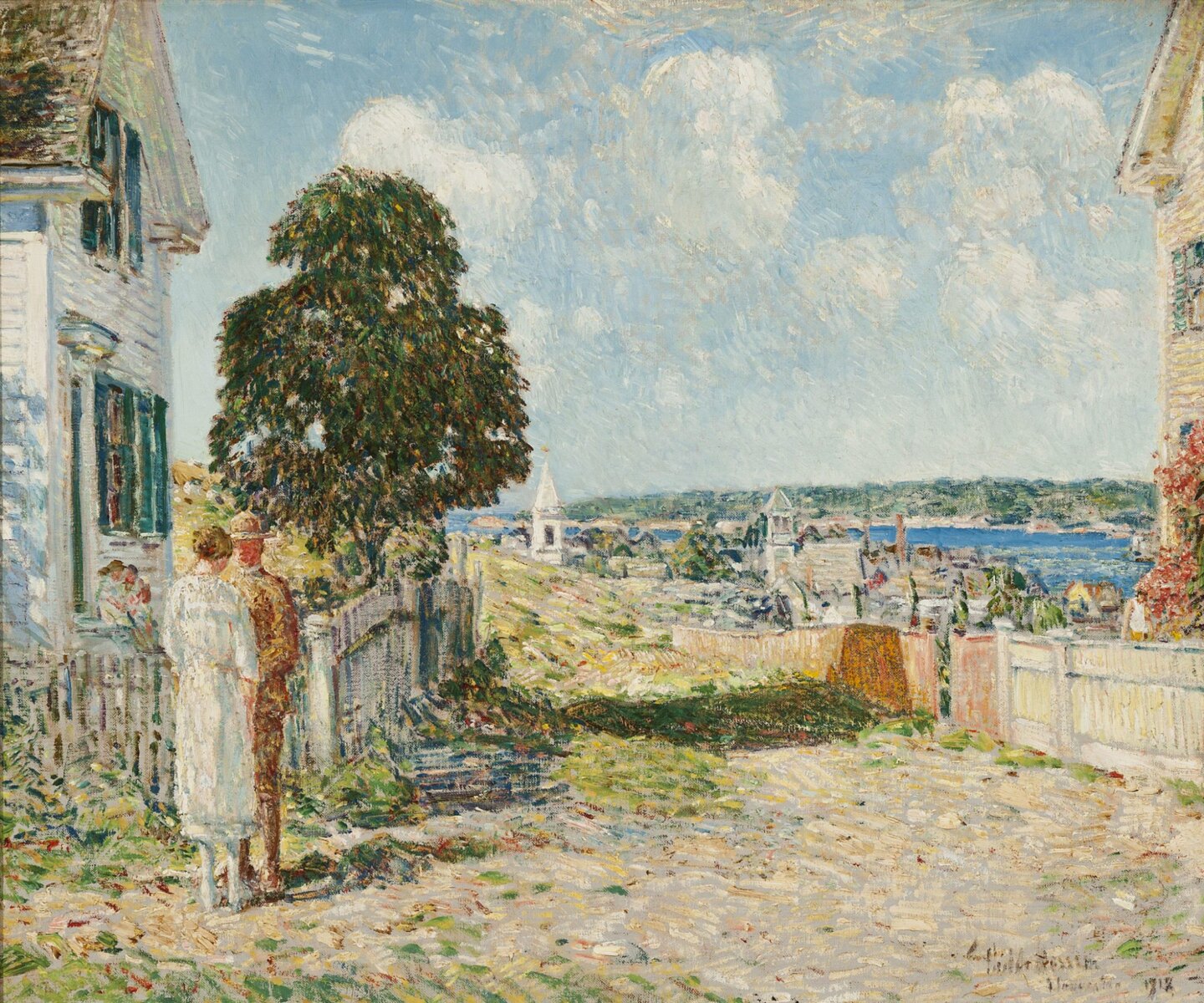
Exhibition Note: Somewhere in France by Carolyn Wakeman [...]
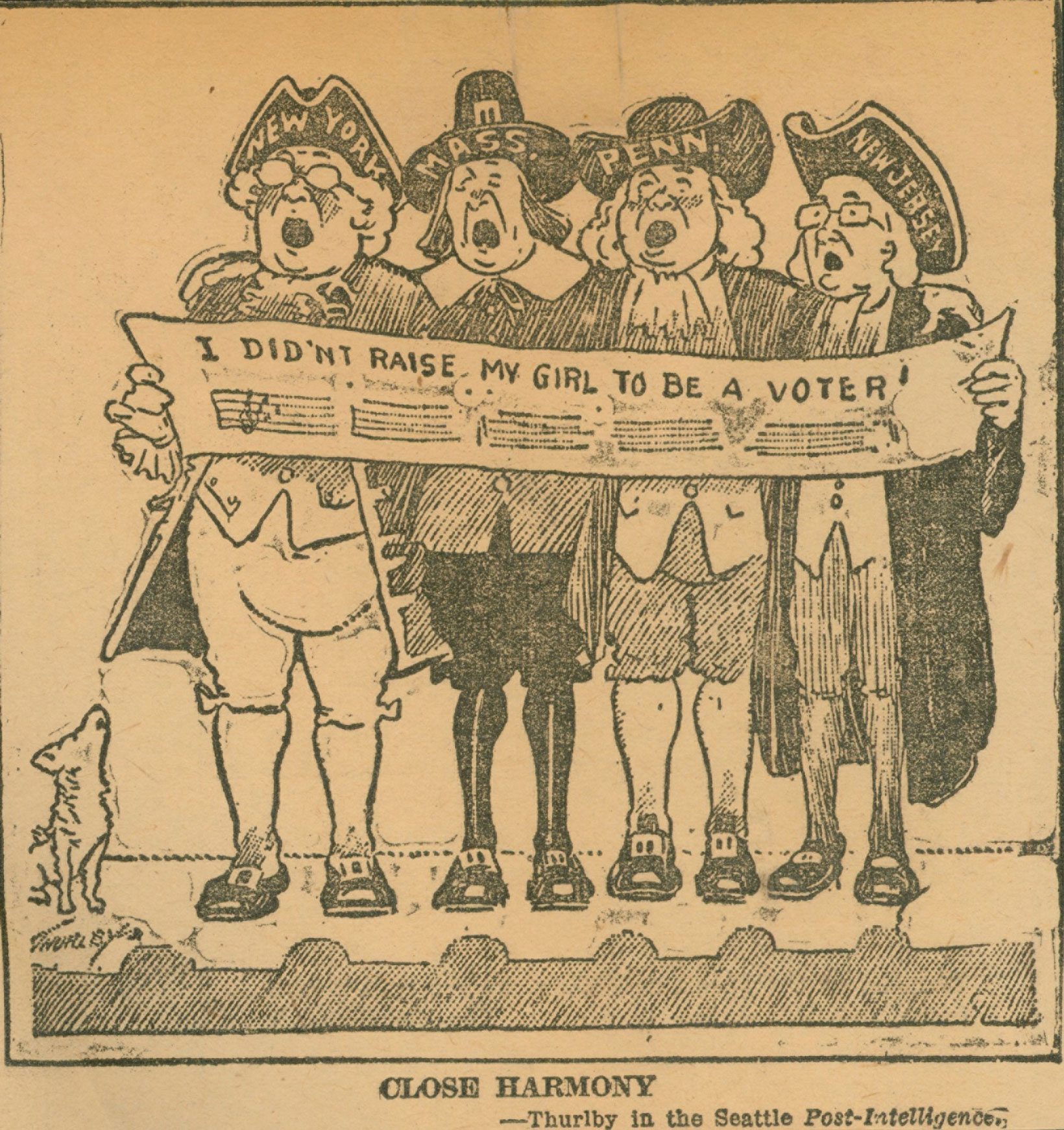
Women in Old Lyme debated the merits of granting women the right to vote. Read more to learn about a Connecticut town's role in suffrage, anti-suffrage, and the ratification of the nineteenth amendment.
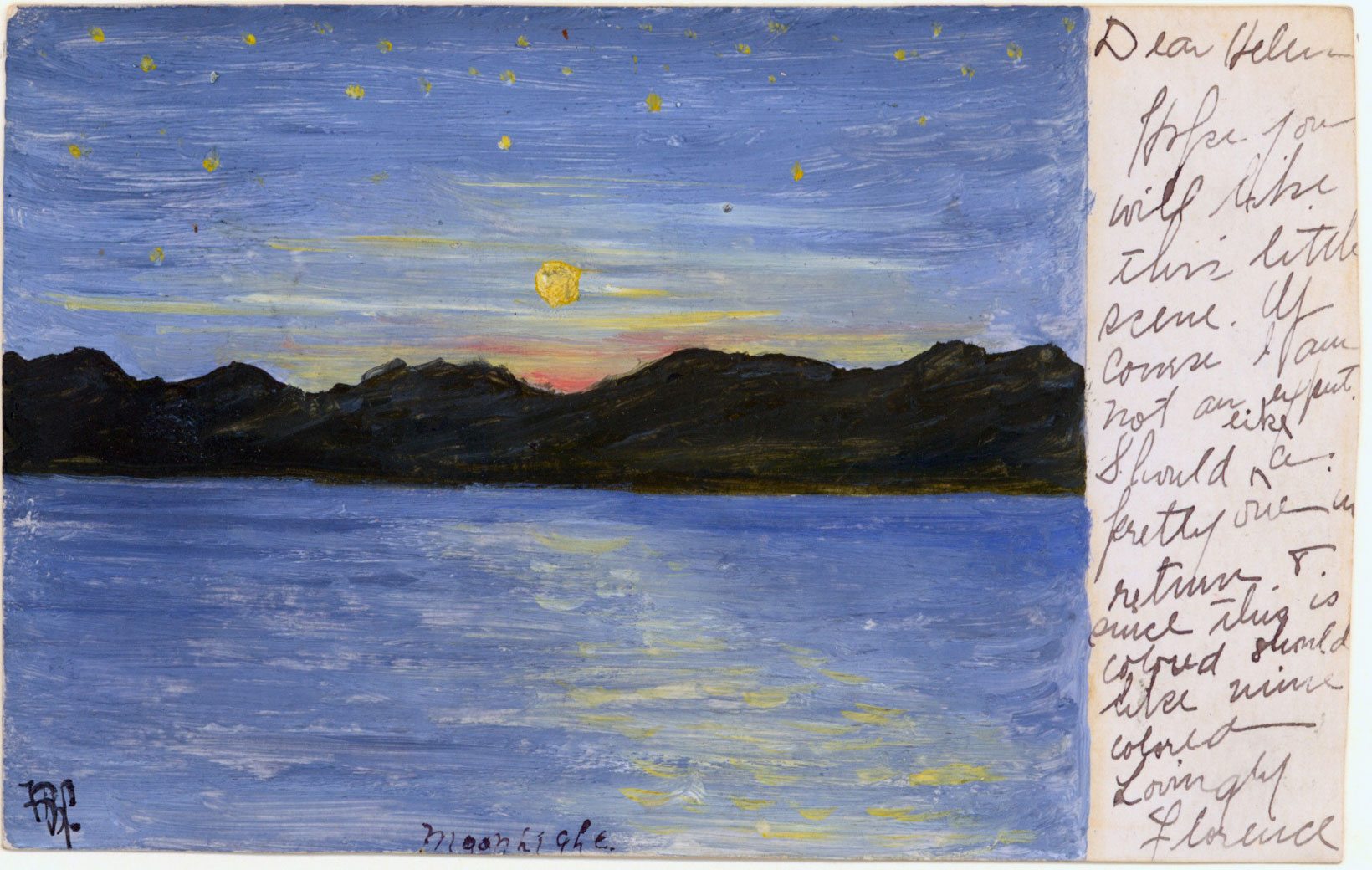
by Carolyn Wakeman Featured photo, above: Florence Griswold, "Moonlight." Postcard [...]
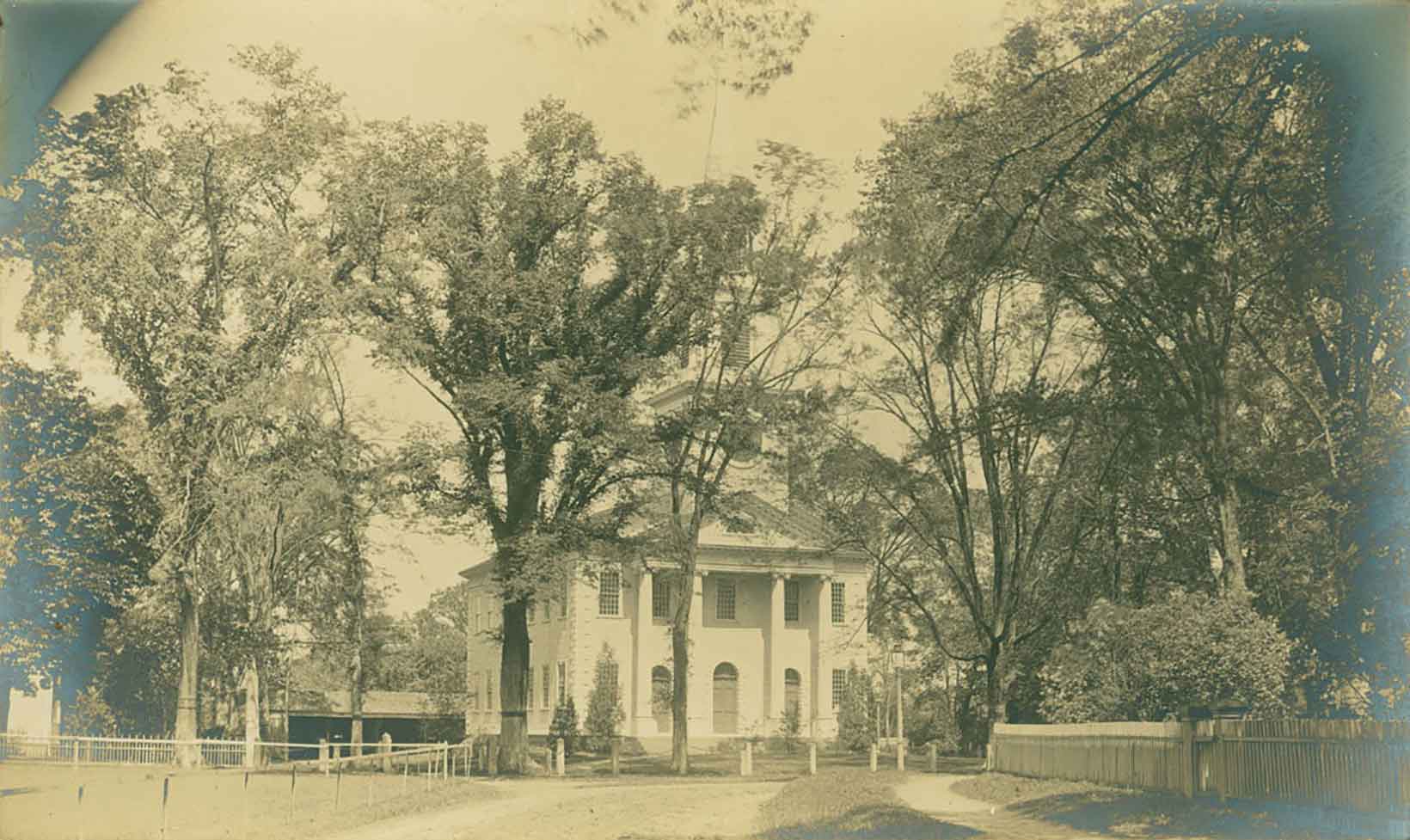
The Independence Day holiday in 1907 passed without celebration in Old Lyme. Ashes still smoldered from the fire that demolished the Meetinghouse on July 3, and the community united in a sense of shared loss. But when the newly arrived minister proposed replacing the elegant white clapboard structure that had graced the village for almost a century with an “up-to-date” red brick church, controversy flared.
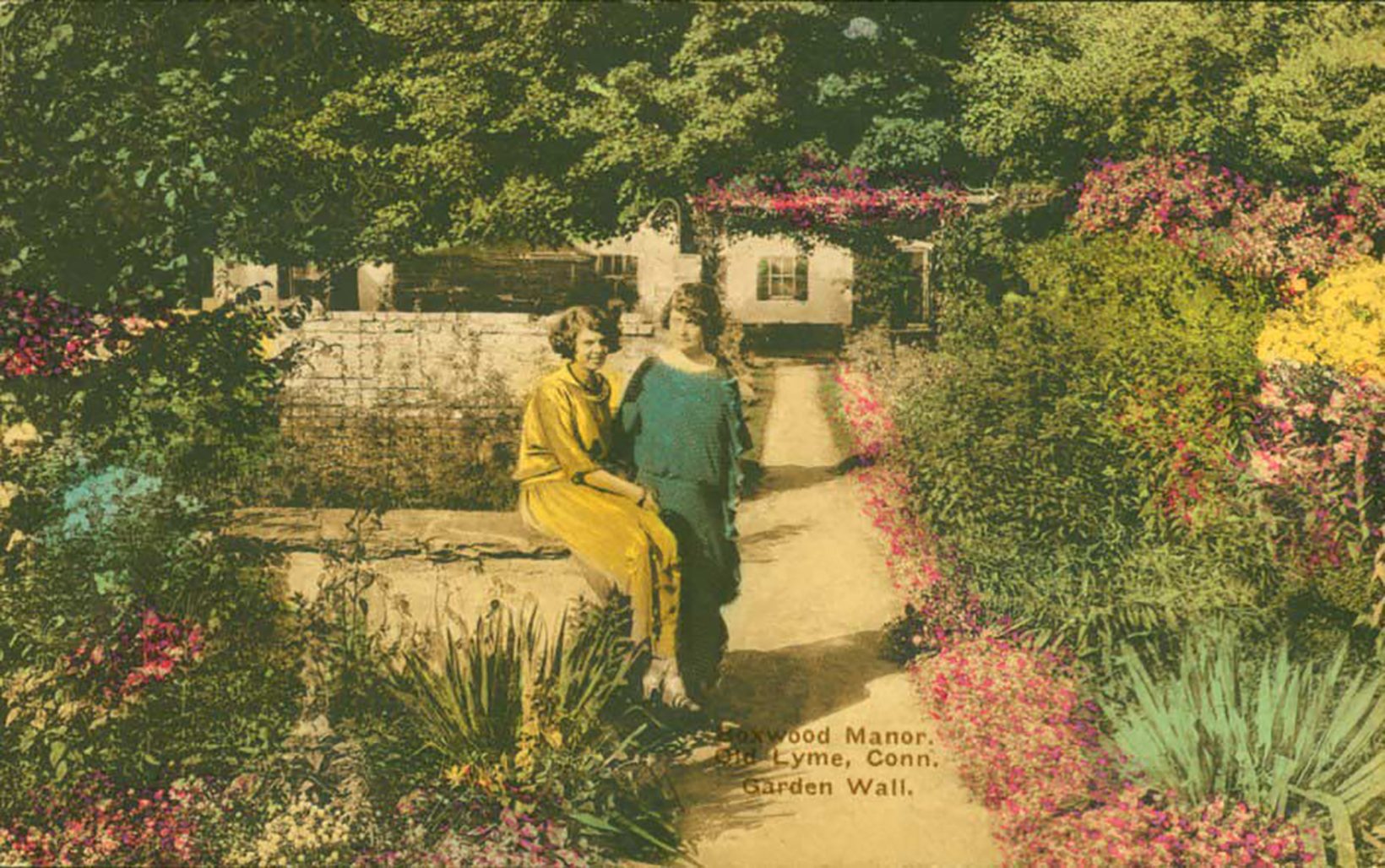
The dazzling displays of Old Lyme’s gardens have captured the eye of painters and photographers for more than a century. Beside village lanes and riverbanks, in formal designs and in cultivated wildness, blossoming gardens brought swaths of color to hotel grounds, country estates, and artists’ dooryards. Postcard views of the flowerbeds, hedgerows, rock walls, and fruit trees at Boxwood Manor became almost a signature image of the town’s scenic beauty in the 1930s.
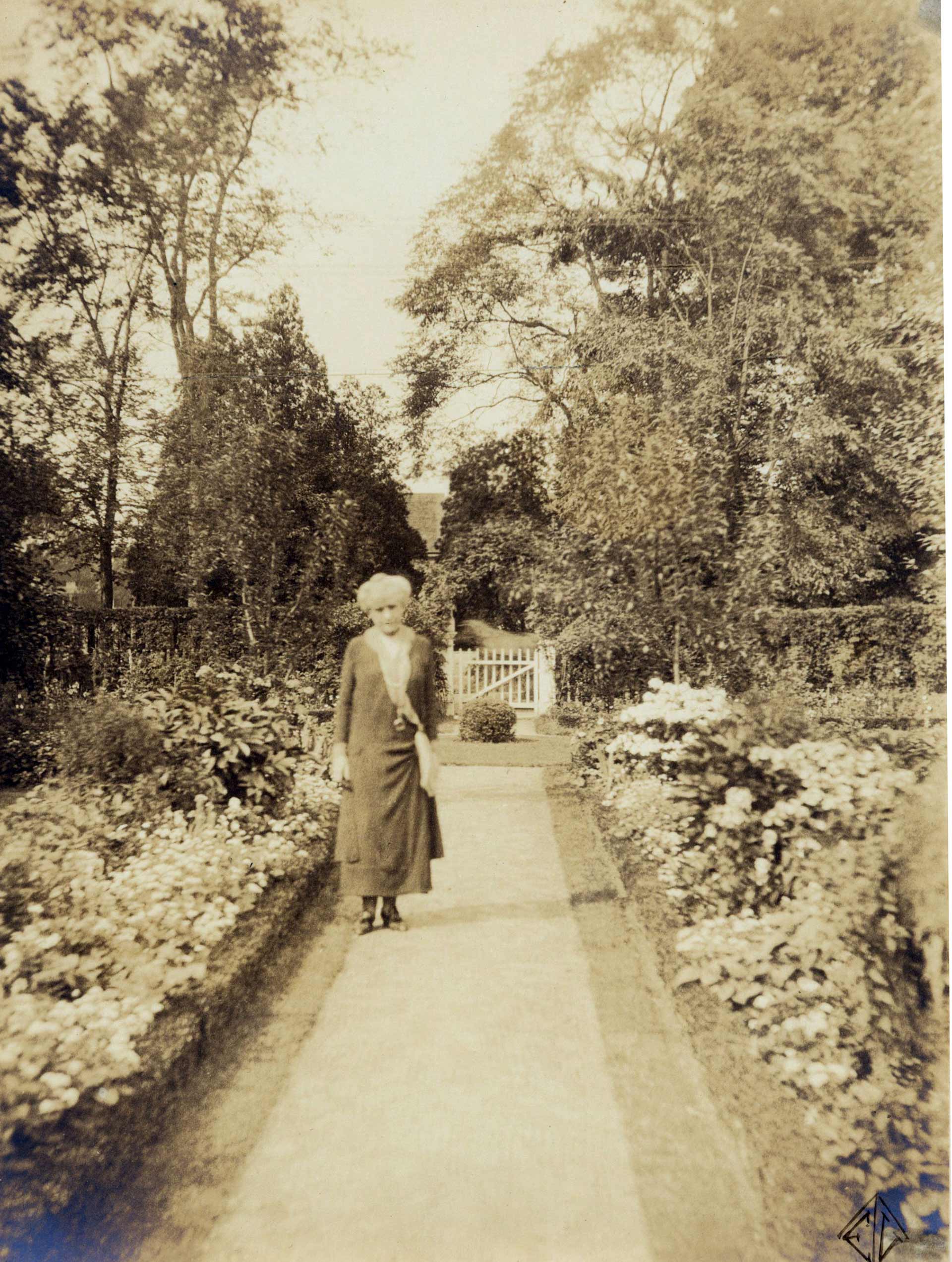
The gardens that surrounded Old Lyme’s Meetinghouse for more than a century trace the changing needs, tastes, and financial circumstances of a prominent local family. A series of images taken in 1925 by photographer Edna Leighton Tyler (1879–1970) captures the sweeping lawns and luxuriant flowerbeds on Katharine Ludington’s estate. But the land behind her elegant Colonial Revival home had once served more practical uses.