Documents: Wintry Settings: Lyme Artists’ Holiday Greetings
Documents: Wintry Settings: Lyme Artists' Holiday Greetings by [...]

Documents: Wintry Settings: Lyme Artists' Holiday Greetings by [...]
Documents: Telegrams and Cable Codes By Patty Devoe [...]
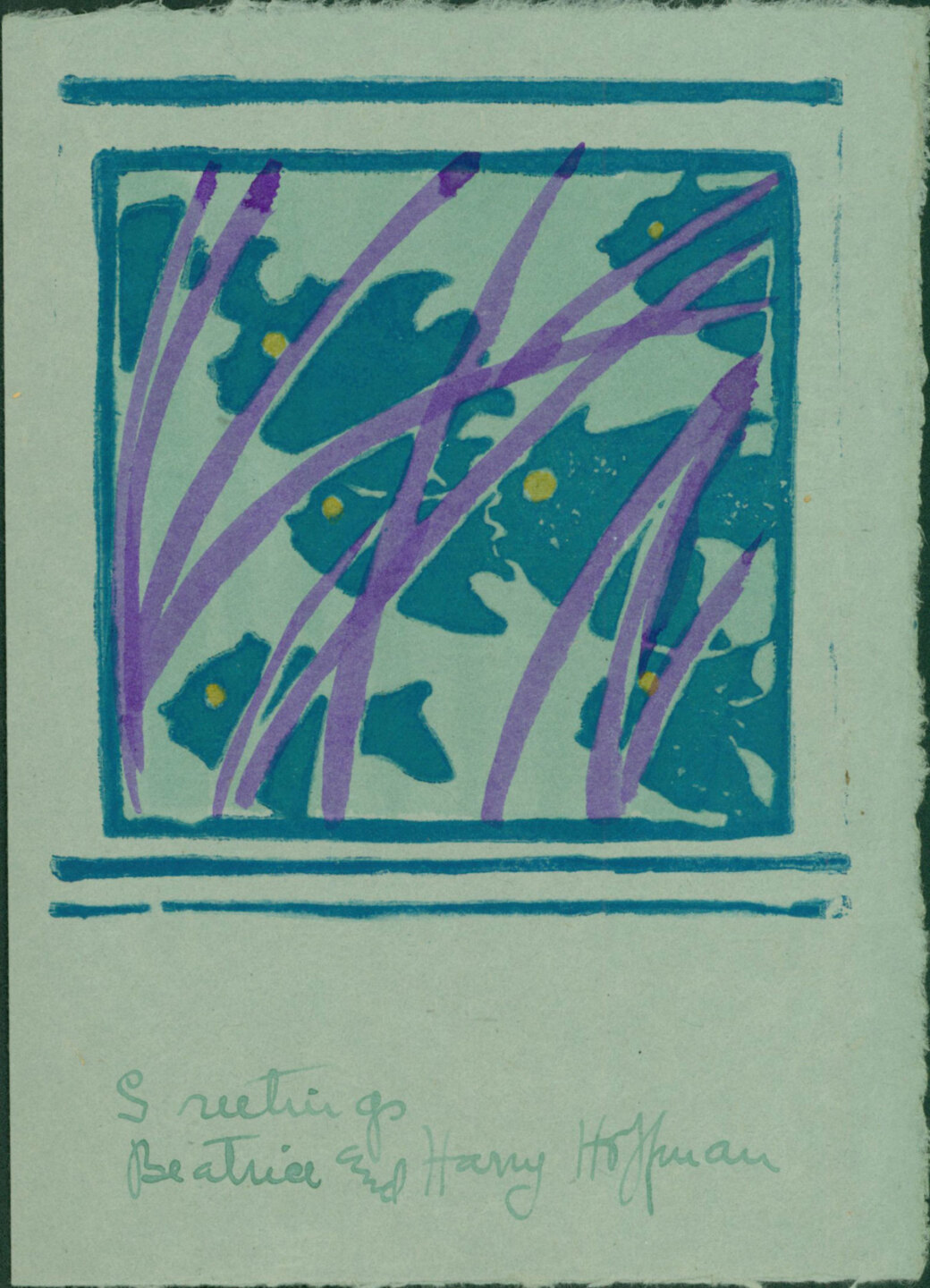
by Carolyn Wakeman Featured image: Harry Hoffman holiday card, White [...]
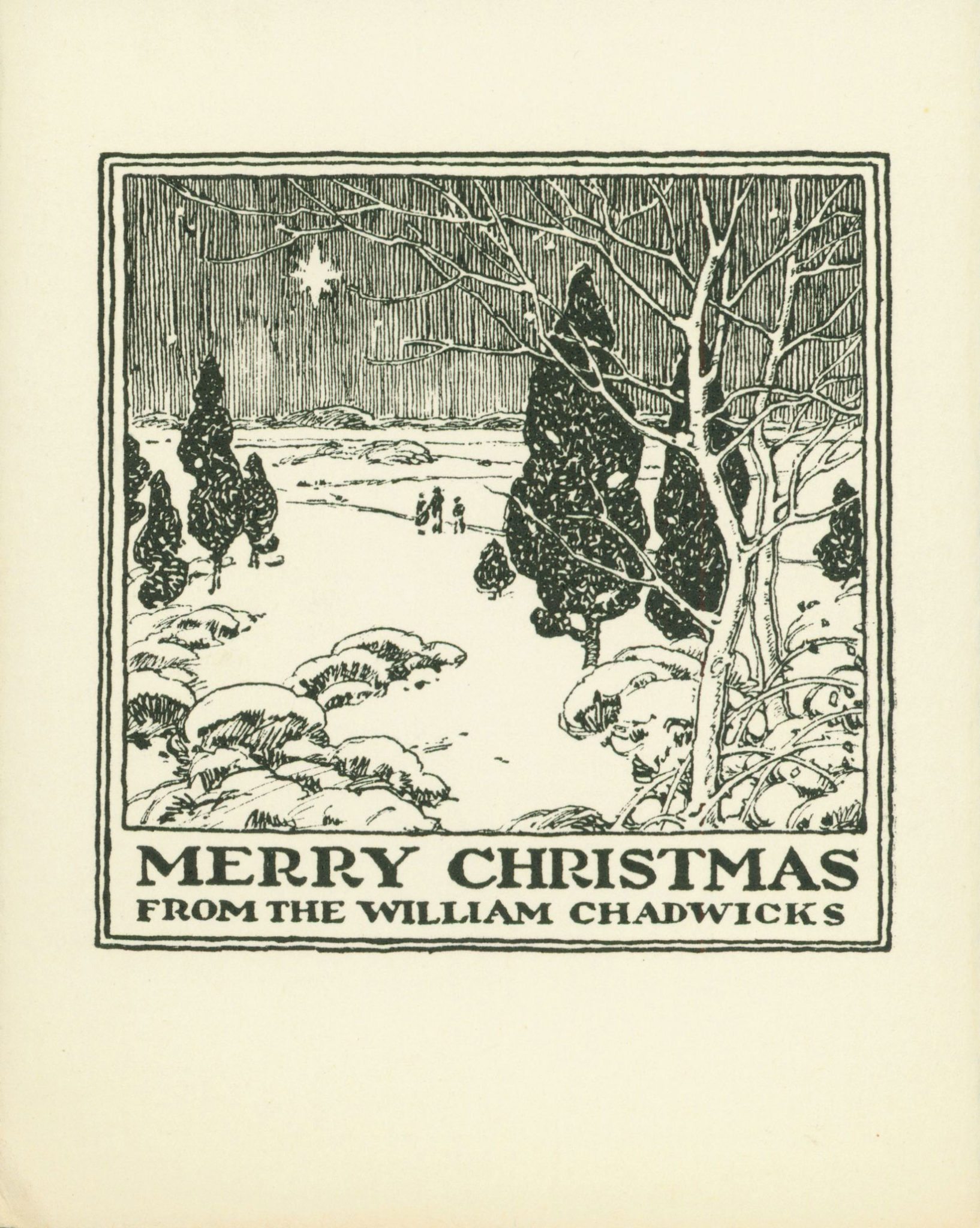
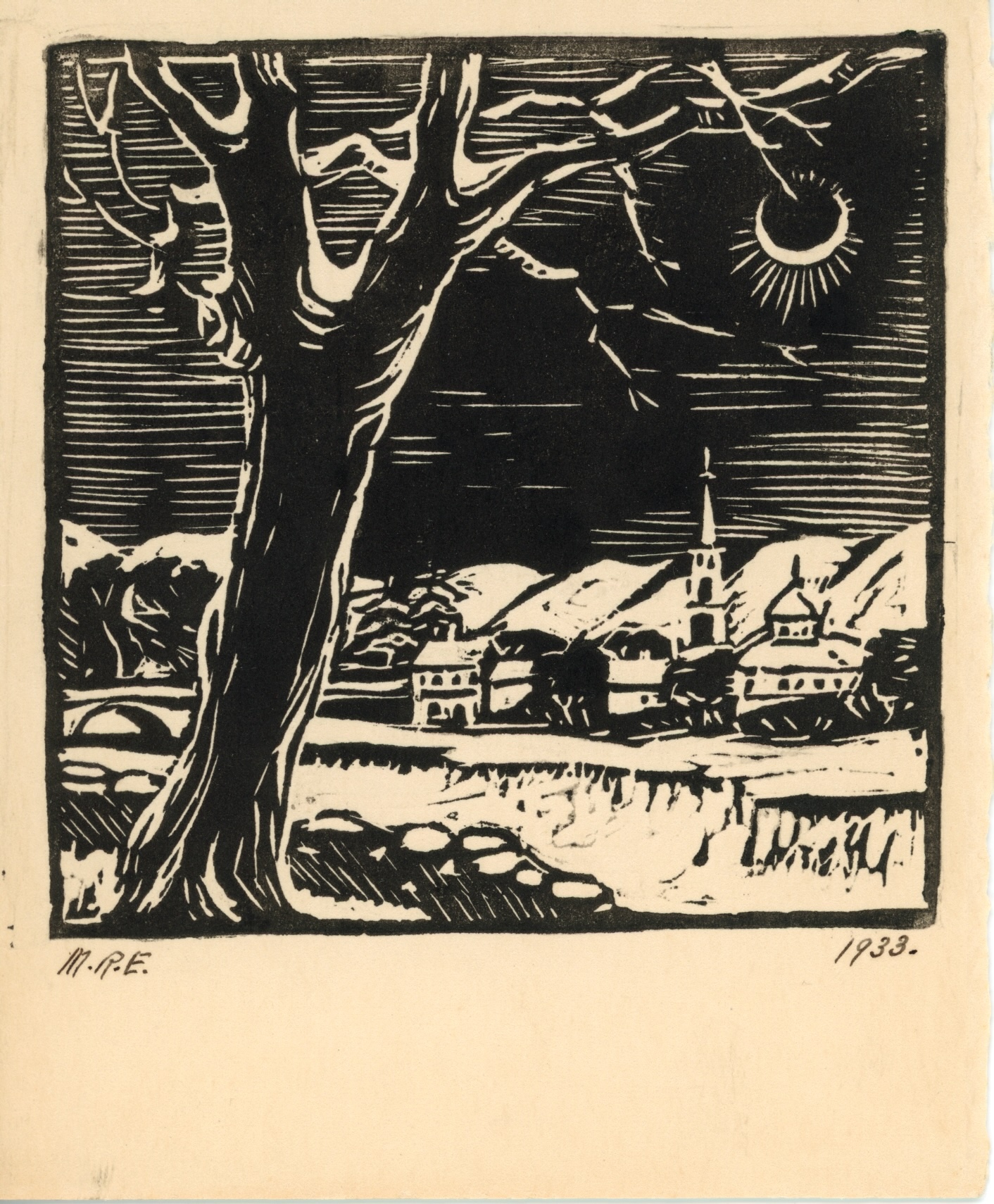
Old Lyme’s artists often chose nocturnal scenes for the original drawings and etchings they sent as holiday cards. See a selection of these greetings sending holiday cheer.
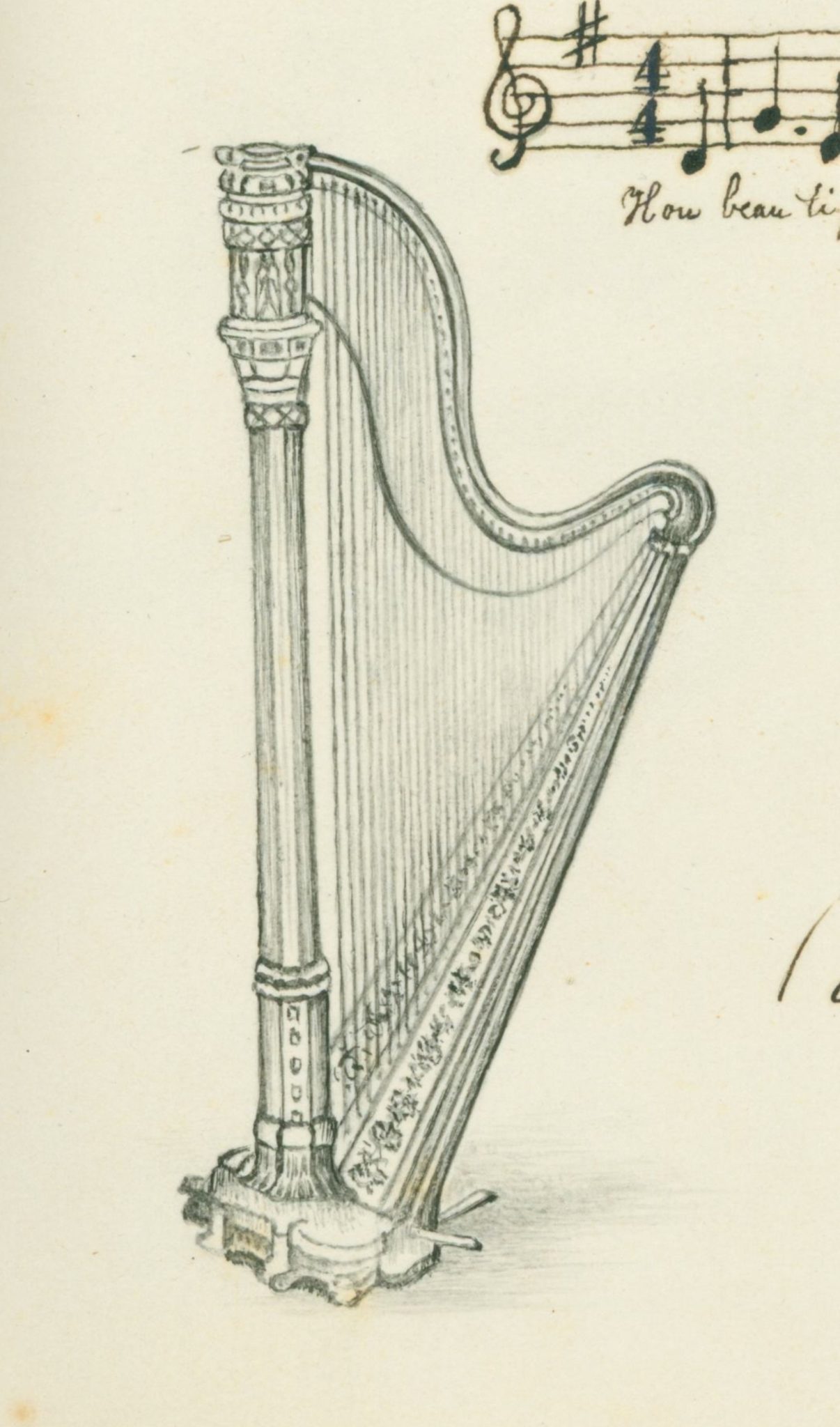
Midway through Rev. William B. Cary’s leather-bound autograph book, Florence Griswold (1850–1937) and her sisters inscribed their names. They also contributed finely detailed sketches displaying their varied musical and artistic talents.
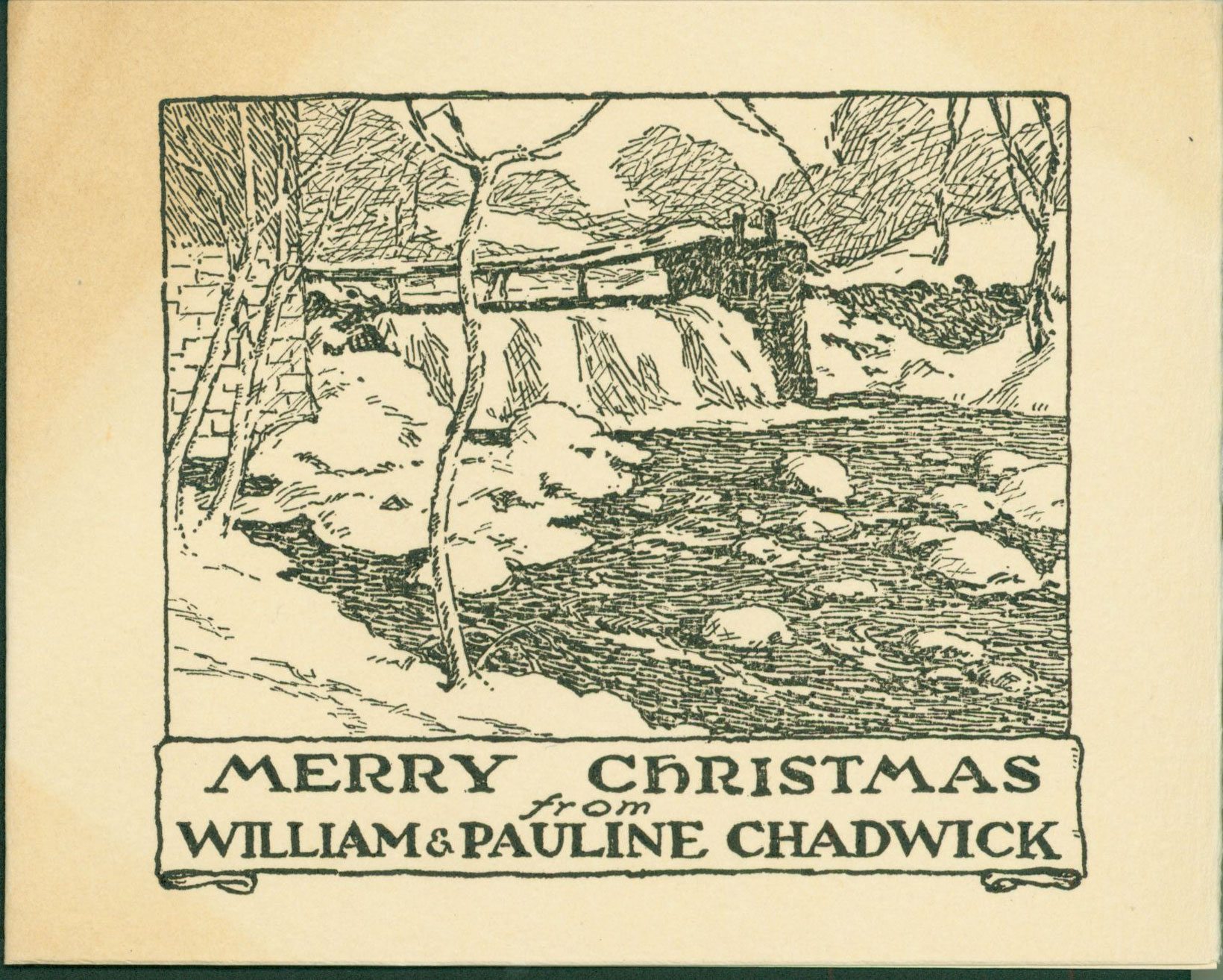
When local artists exchanged holiday cards, they often sent original etchings or woodblock prints of the surrounding landscape, or lithographic reproductions of their paintings.
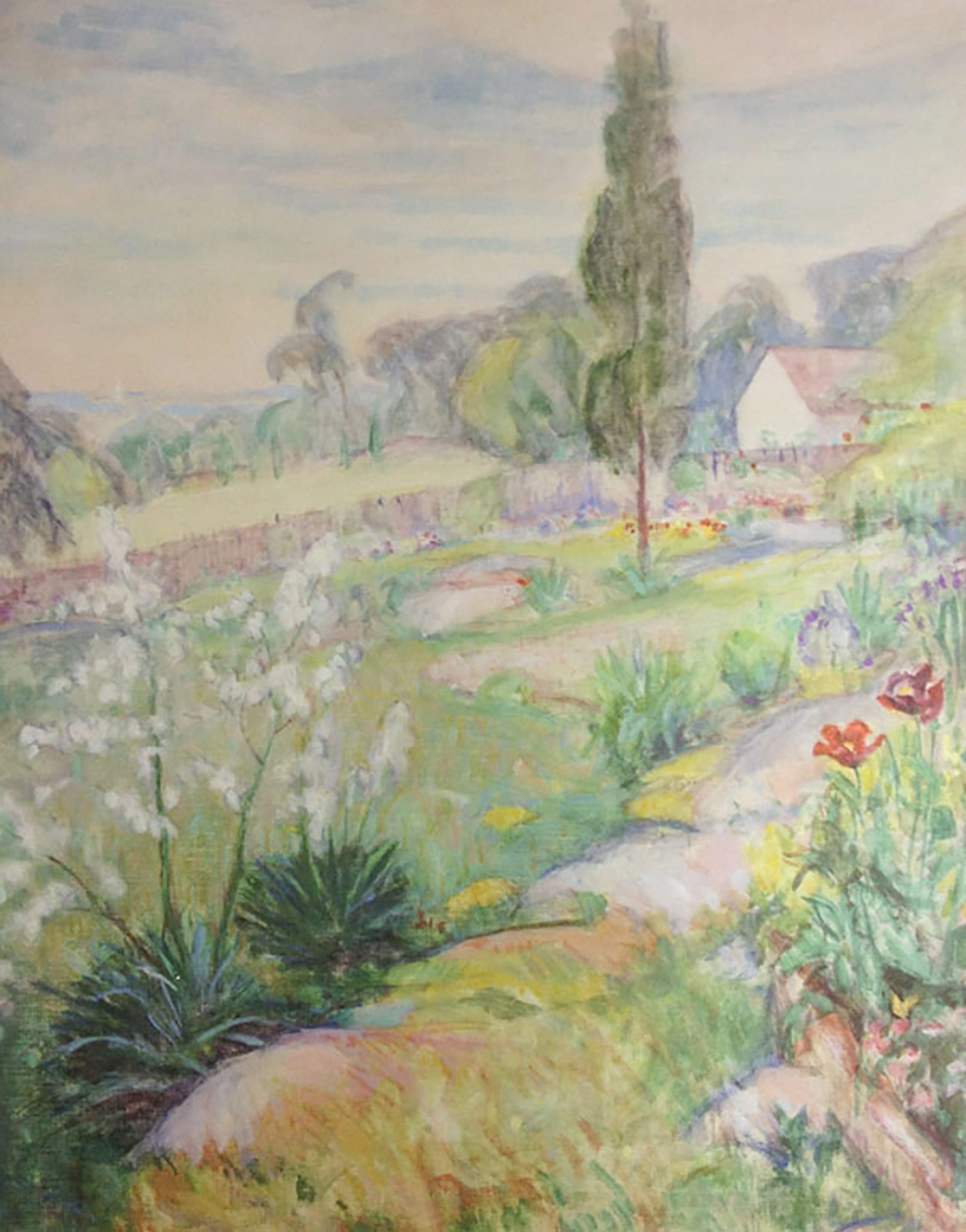
In the cultivated wildness of their flower gardens, local artists showcased their delight in color, pattern, and form. According to The Hartford Courant in 1931, Lucian Abrams, whose paintings are lavishly displayed in the Florence Griswold Museum’s spring exhibition A Cosmopolitan in Connecticut, was one of several Lyme painters known as much “for their wonderful flowers and the studied care of their houses and grounds as for their pictures.”
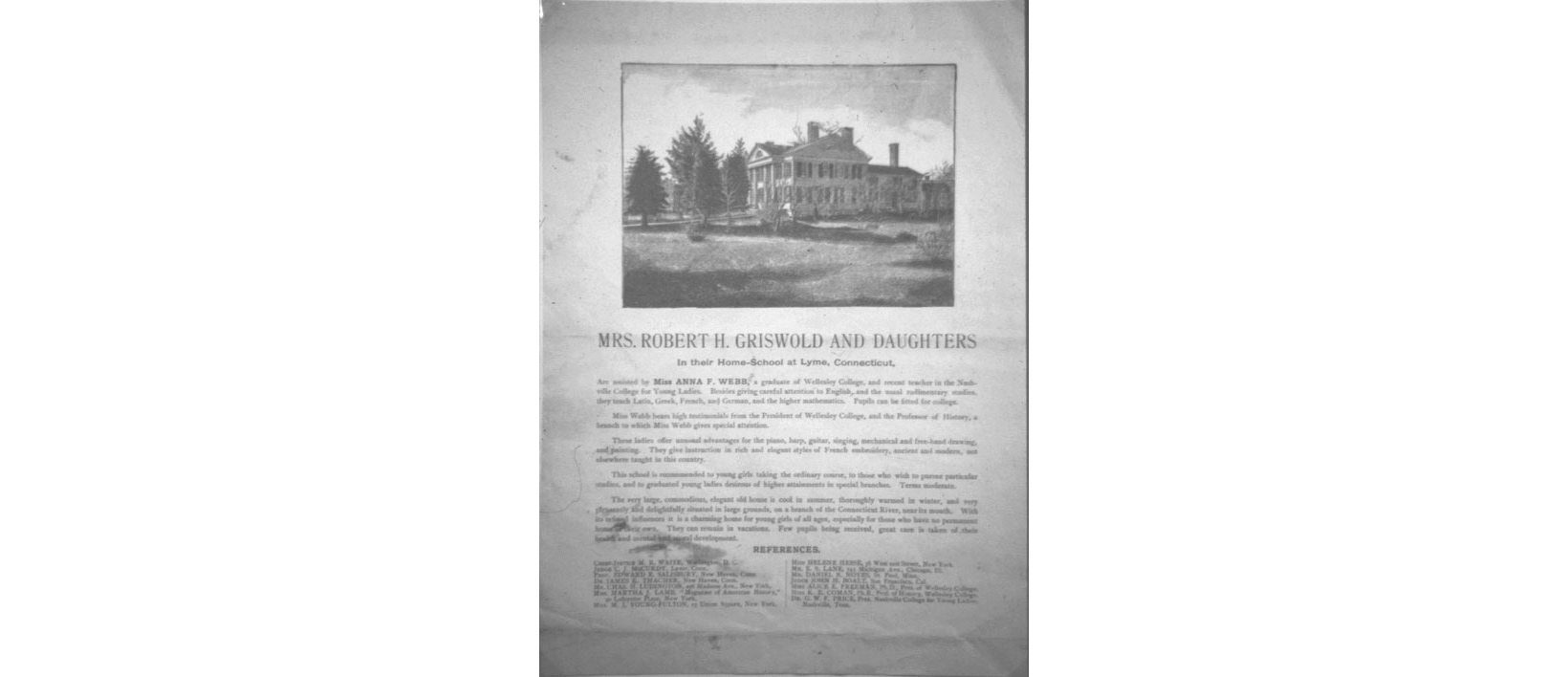
Although Florence Griswold’s unique role in the history of American art has been well documented, we have known surprisingly little about her life as head of the Griswold Home School, an educational institution which preceded the arrival of her artist boarders and occupied the four women of the Griswold family for fourteen years from 1878 to 1892. But by tracking newly uncovered historical sources, we now know much more about the workings of the school and about Florence Griswold in her position of school administrator.
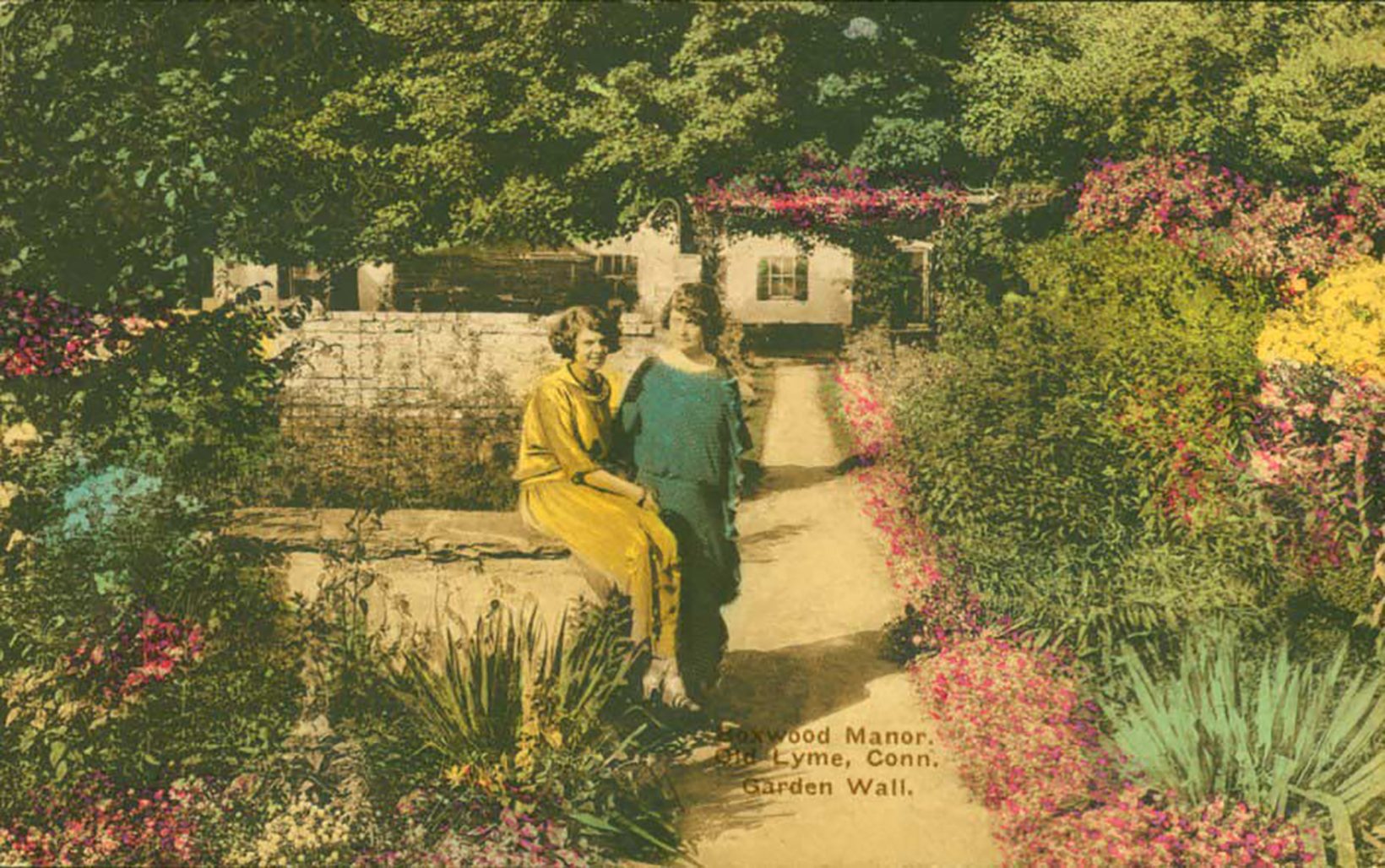
The dazzling displays of Old Lyme’s gardens have captured the eye of painters and photographers for more than a century. Beside village lanes and riverbanks, in formal designs and in cultivated wildness, blossoming gardens brought swaths of color to hotel grounds, country estates, and artists’ dooryards. Postcard views of the flowerbeds, hedgerows, rock walls, and fruit trees at Boxwood Manor became almost a signature image of the town’s scenic beauty in the 1930s.