Exhibition Note: Recalling Lyme’s Runaways
Exhibition Note: Recalling Lyme’s Runaways By Carolyn Wakeman [...]

Exhibition Note: Recalling Lyme’s Runaways By Carolyn Wakeman [...]
Profile: Walter C. Noyes: Renowned Federal Judge and First [...]
Letters: Freedom on the Ballot in the 1856 Election [...]
Exhibition Note: Fresh Fields–New Light on Familiar Settings [...]

Documents: At this time”: Remembering Samuel’s Emancipation On [...]
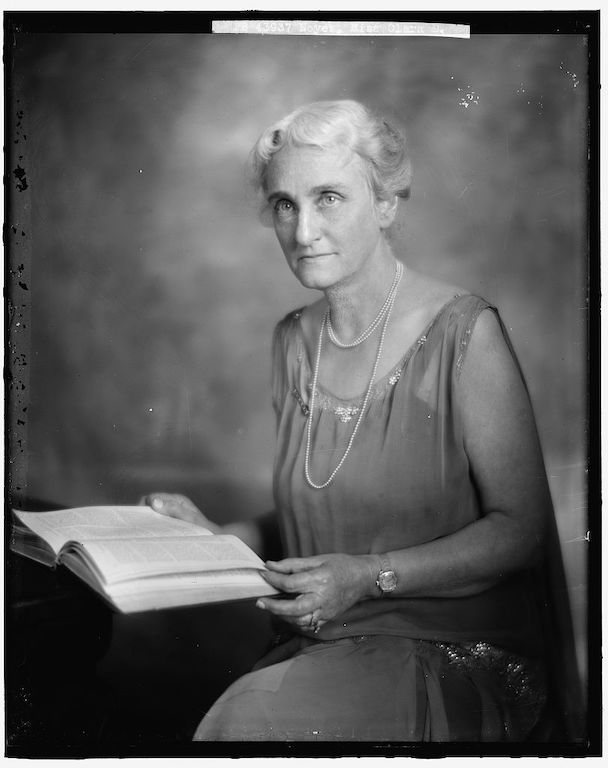
Profiles: This Great Work: Remembering Clara Dutton Noyes, R. [...]
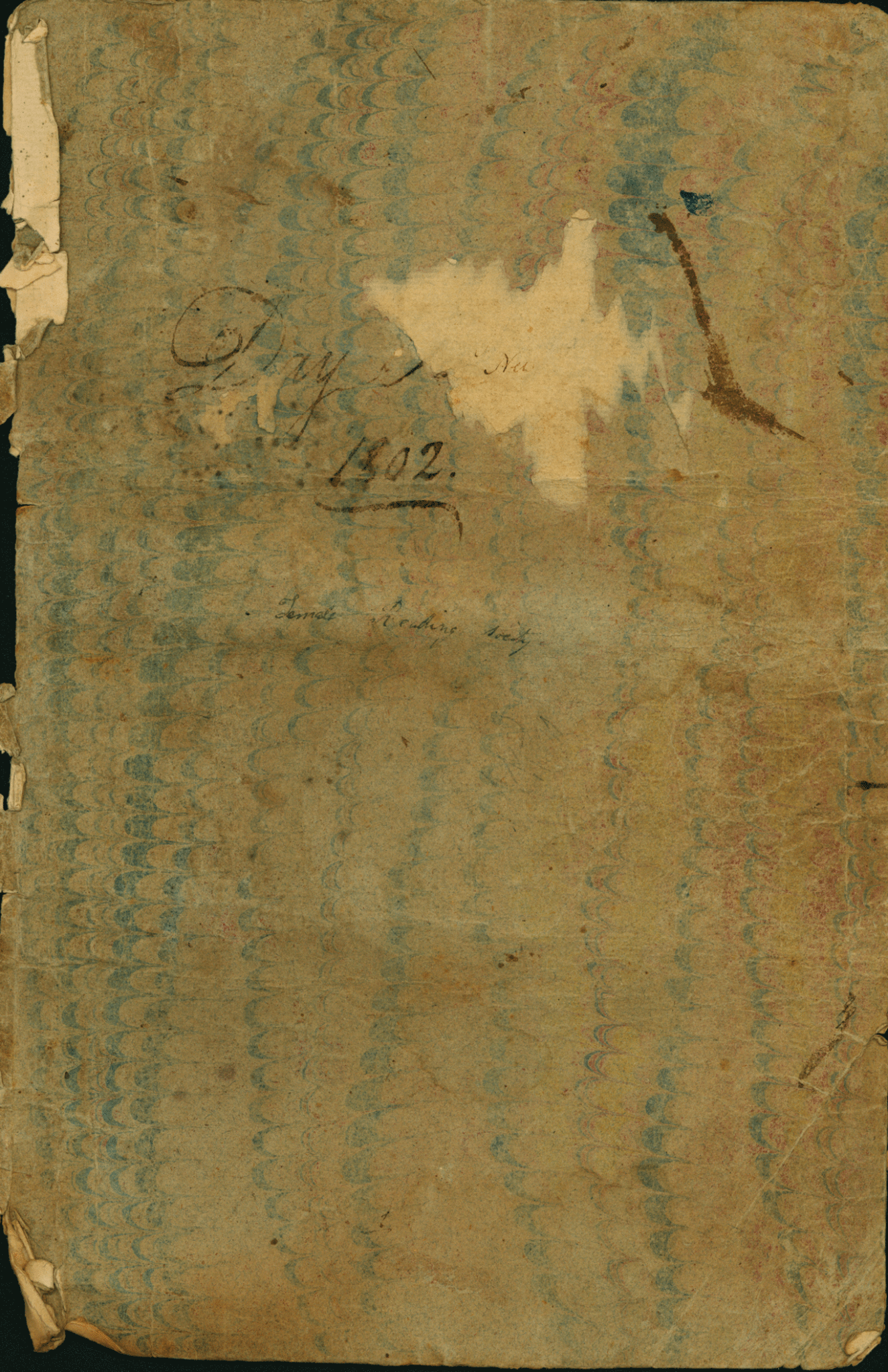
A simple hand-stitched notebook, its marbled paper cover faded over the centuries, records the religious, educational, and charitable purposes of Lyme’s earliest women’s organization. Mid-way through the construction of a new Meetinghouse at the foot of what is now Lyme Street, ten ladies from the town’s prominent families gathered in 1816 to establish a reading group.
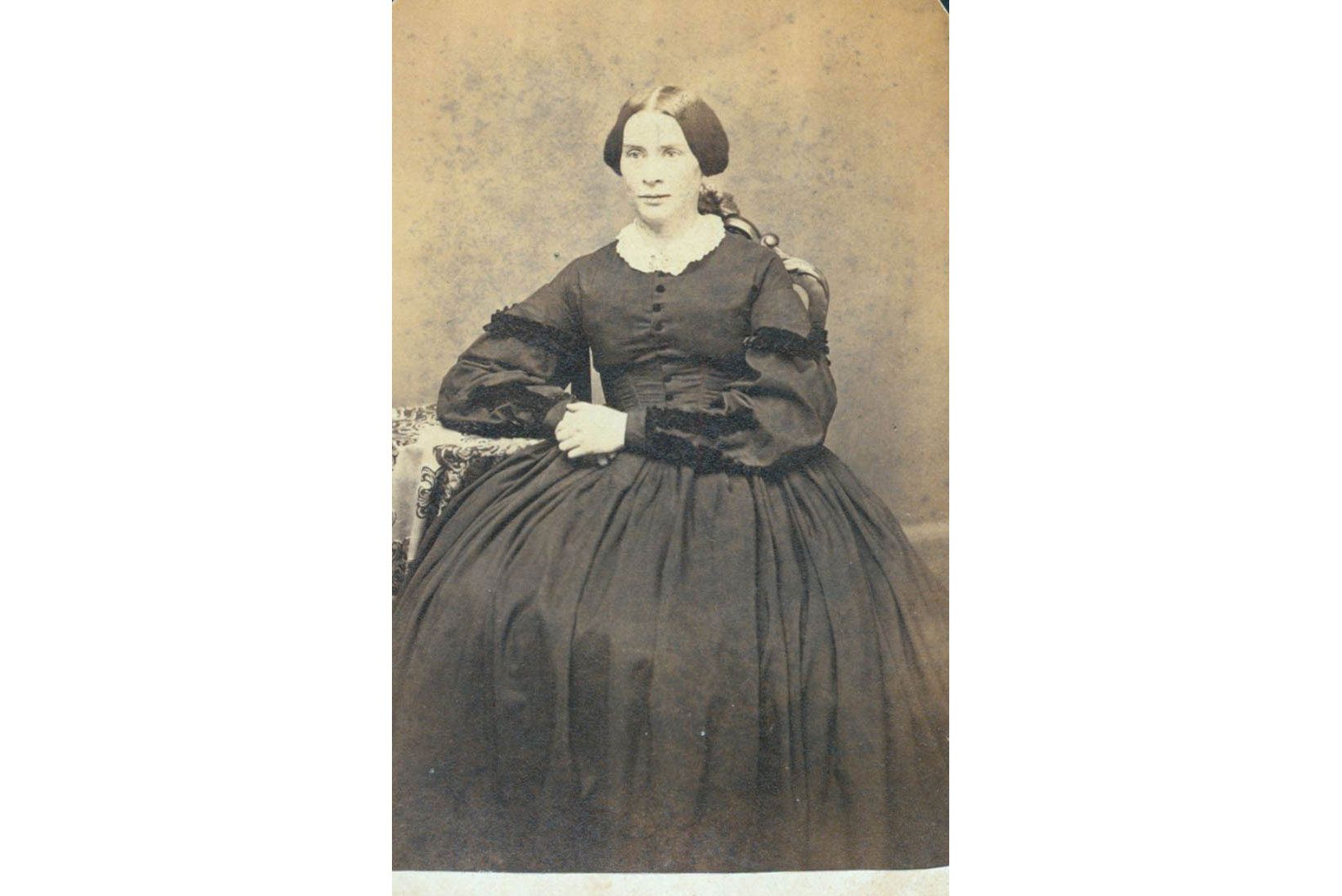
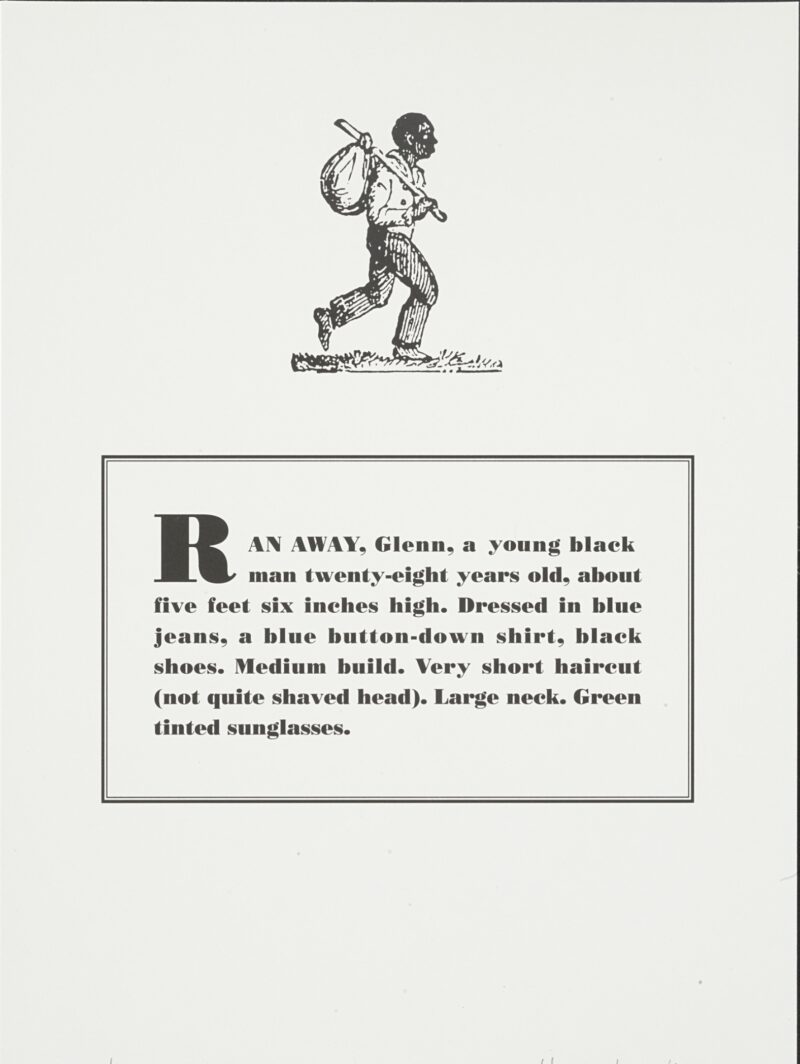
Amid the recipes, medicinal cures, and obituary clippings pasted into a simple string-bound scrapbook appears a hand-written list of Judge William Noyes’ (1728–1807) slaves. Kept initially by his great-granddaughter Mary Ann Noyes Learned (1818–1875) and later maintained by her cousin Martha Noyes (1833–1874), the scrapbook documents the family’s Negro servants over four generations.

A Negro slave named Arabella, of unknown origin, served in Lyme’s first parsonage. There she attended Rev. Moses Noyes (1643–1729) and his family until she passed by will to his daughter Sarah. The original Noyes homestead has been demolished, but Arabella’s dwelling place can still be imagined from a sketch drawn by artist Ellen Noyes Chadwick (1824–1900), based on her father’s descriptions.
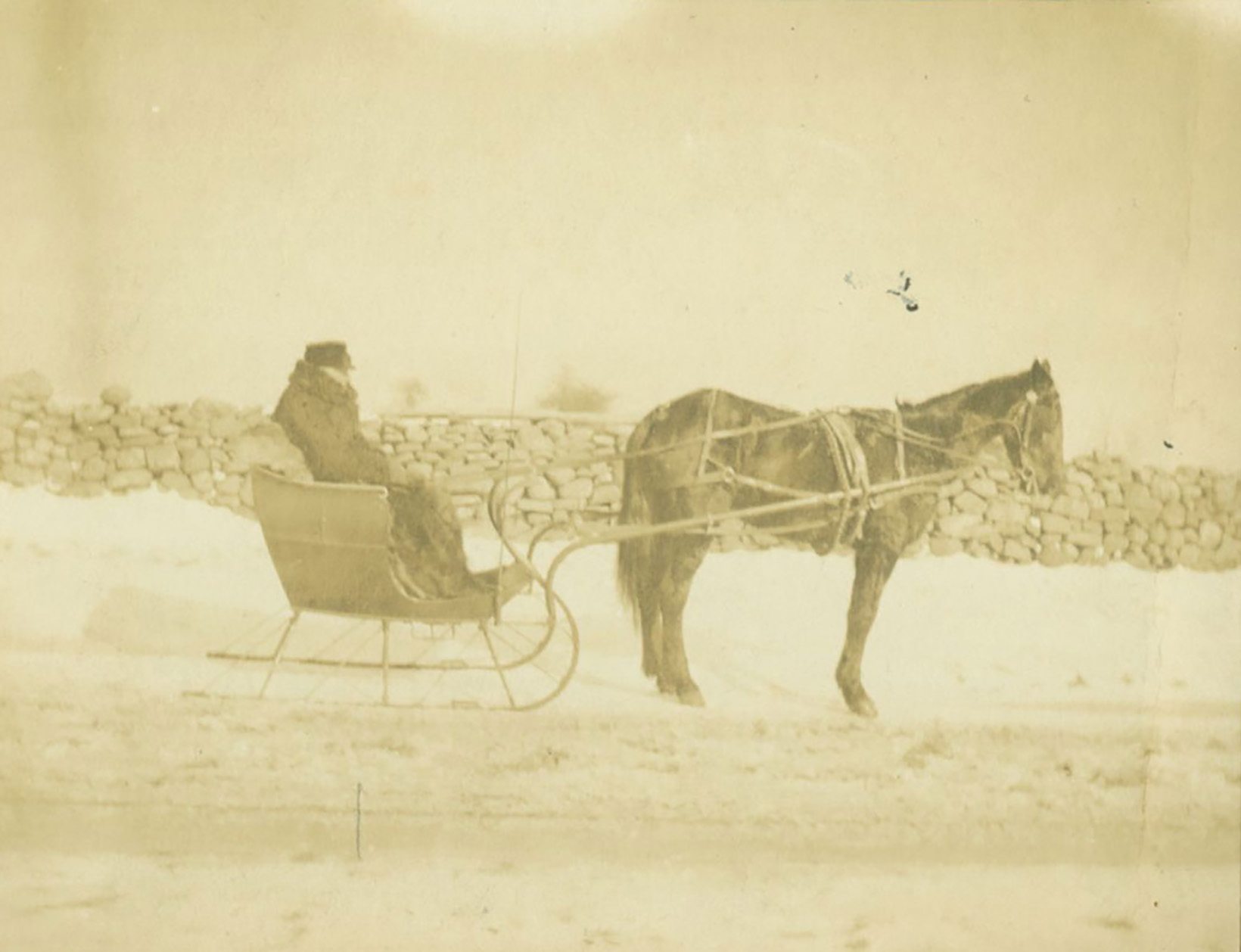
In winters past when rivers froze and heavy snowfalls made roads impassable for carriages and wagons, sleighs provided transportation for Lyme’s wealthier residents. Local families used sleighs for travel to church on Sundays, for business and farm work, and for winter outings and journeys. But not everyone had access to sleigh rides. Less affluent townfolk had to walk through the bitter cold when they ventured outside.
by Caroline Fraser Zinsser, Ph.D. Introduction This paper will address [...]