School and Youth Groups

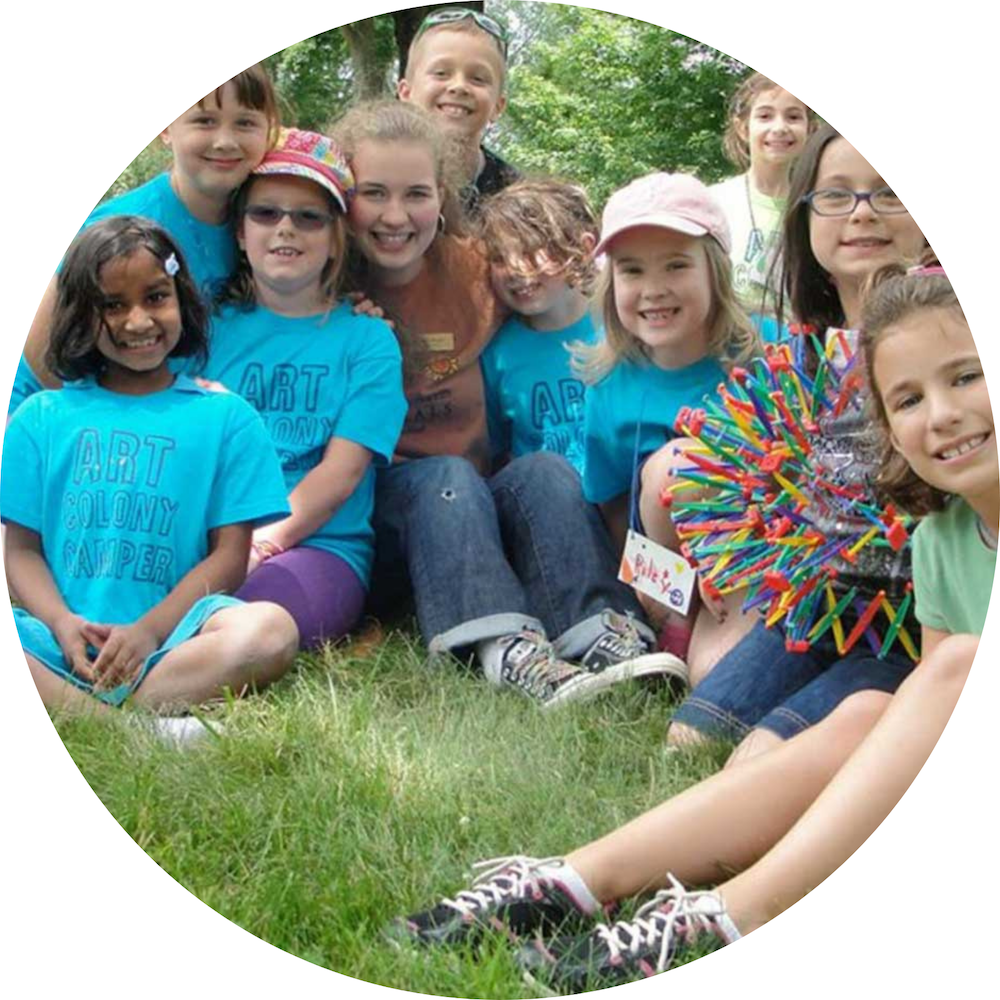
Our field trips combine art, history, and nature, and can be geared for students of all ages and grade levels. The Florence Griswold Museum is a top destination for school groups. From preschool-aged children to high school students, the campus is a rewarding experience for all hands-on, minds-on educational experiences.

Classes are divided into small touring groups that rotate between three activities. Field trips are approximately 2 hours and 15 minutes in length.

Please note many groups choose to bring lunch and stay on campus, picnicking outside (weather permitting), or eating in the Education Center.

  • Cost is $15 per student and includes admission, guided tours, facilitated art lesson, and all art supplies.
  • Groups receive 1 FREE adult admission (teacher or chaperone) per 15 students.

Home School Design Your Own Program
Tailor a unique tour for your group’s desired curriculum. Use the Hartman Education Center for two hours, which can include a tour and hands-on program. Cost is $15 per student. Classes limited to 25 students.
Reserve a School Field Trip

To reserve or for more information contact Julie Riggs, Manager of Youth Education and Outreach at 860.434-5542, x113 or x123, or via email at Julie@FloGris.org.

Field Trips feature these learning activities

This guided tour introduces students to Miss Florence Griswold and the Artists of Old Lyme. Miss Florence was a sea captain’s daughter who opened her home to painters traveling from New York and Boston. These artists became the Lyme Art Colony, a group famous for painting landscapes in both the Tonalist and American Impressionist styles. A visit to the historic House shows where these important artists slept, ate, and played games when they were not outside painting. The tour introduces an artistic vocabulary through an investigation of the Museum’s collection, including the over 40 pictures painted on doors and wall panels of the historic interior.

Field trips also include a visit to the galleries to investigate the current exhibitions on view in the Krieble Gallery on the banks of the Lieutenant River.

Museum educators use a variety of learning-to-look strategies with students to enhance visual literacy using remarkable objects from the Museum’s collection.

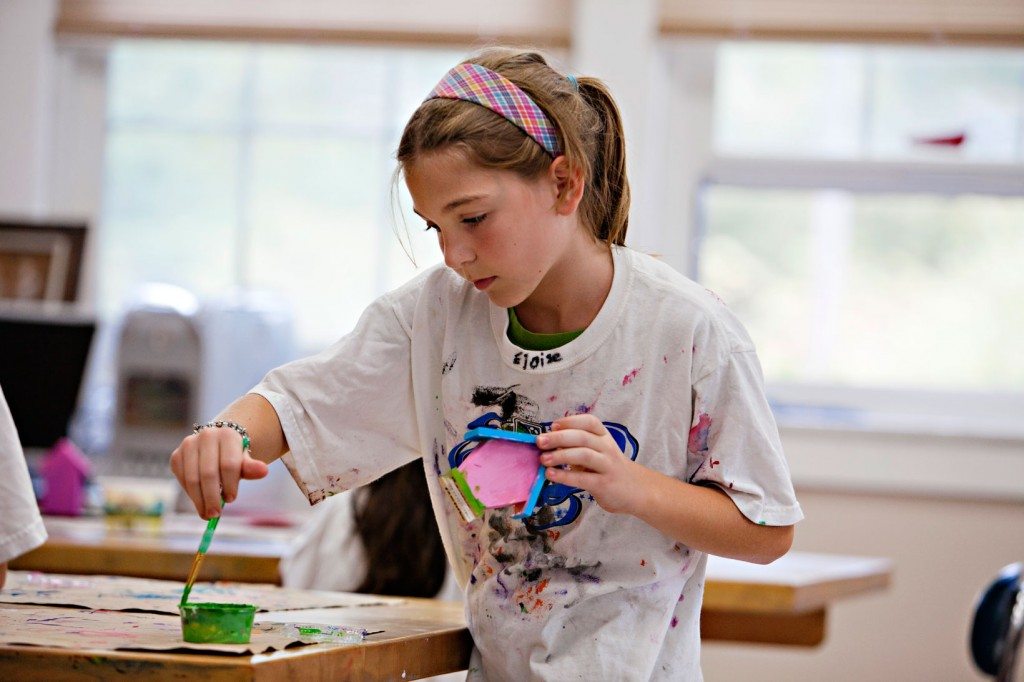
During their visit, students step into the role of an Old Lyme artist. This hands-on activity begins in the Education Center with an introductory lesson about the tools and techniques of the American Impressionist artists. Students then paint a landscape using authentic materials (acrylic paints, palette, brushes, canvas board, and smock) by the Lieutenant River or in the Education Center. Each student leaves with a completed 8 x 10 in. landscape painting, perfect for an in-class exhibition.

Tour Options

These can be substituted for either Activity I or II above, or added to the schedule (requires additional time).

Visit the historic studio of American Impressionist William Chadwick (1879–1962). Learn more about the painting tools and techniques of artists of the Lyme Art Colony. This program strengthens students’ artistic vocabulary and understanding of daily activities of a 19th-century artist.

Visit the exhibition An American Place: The Art Colony at Old Lyme on the second floor of the historic Griswold House for an interactive lesson on the two dominant painting styles employed at the Lyme Art Colony: Tonalism and American Impressionism.

Students walk the grounds of the Museum to discover places the historic artists painted and played. Study the architecture of the historic Griswold House, walk through the historic gardens and orchard, ending at the banks of the Lieutenant River to learn its role in commerce, ecology, and as a subject for the artists.

Before Your Tour Date

Things to review before your visit:

  • Your class will be divided into smaller touring groups and rotated between activities. Please consider how to divide groups before arriving, with one adult accompanying each group. Consider nametags – this allows Museum educators to call students by name.
  • Review with your students that food, drink, chewing gum, ink pens, and flash photography are not allowed in the Museum.
  • Remind students not to touch any of the paintings, furniture, or sculptures.
  • While at the Museum, students should extend all courtesies of the classroom. Common sense rules apply such as talking one at a time, raising hands to be called upon, and using indoor voices.
  • Suggested pre-visit activities are available on our Teacher Resources page.