-
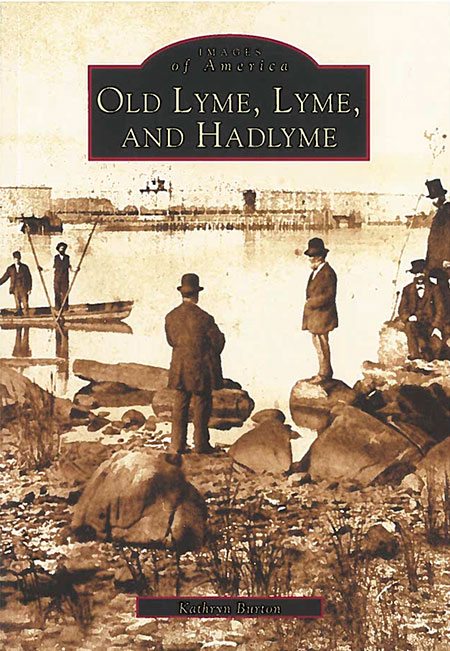
 Old Lyme, Lyme, and Hadlyme By Kathryn Burton Softcover: 128 pages Publisher: Arcadia Publishing (2003) ISBN: 978-0-7385-1315-7 Product Size: .25 x 6 x 9 inches Where the Connecticut River empties into Long Island Sound, a community that eventually became known as Lyme was settled in 1639. The community ran up the eastern riverbank to what is now East Haddam, along the Sound to Niantic, and into parts of Salem. In time, Lyme was divided into small towns and villages: Old Lyme, Lyme, Hadlyme, Hamburg, Sterling City, South Lyme, and the coastal communities. Old Lyme, Lyme, and Hadlyme is a compelling tribute to an area that is extraordinary in many ways: for its people, many of whom were attorneys, judges, legislators, and governors; for its commerce, which brought ships from up and down the East Coast and as far away as the West Indies; and for its beautiful homes, some of which survive today thanks to a strong preservation ethic.
-
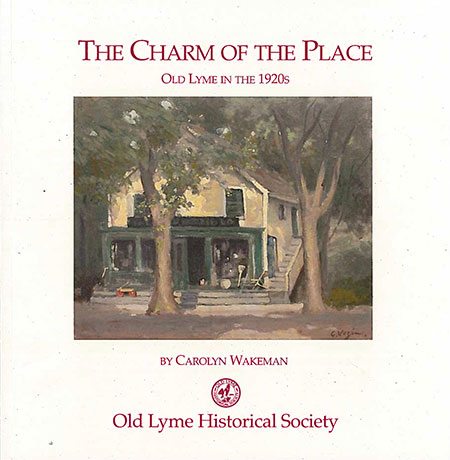
 The Charm of the Place: Old Lyme in the 1920’s By Carolyn Wakeman Softcover: 88 pages Publisher: Old Lyme Historical Society (2011) ISBN: 978-0-9835472-5-9 Product Size: .25 x 9.25 x 9.5 inches Inspired by a remarkable 1929 advertising mural found in the Old Lyme Grange Hall in 2007, this book explores the town’s social, economic and architectural landscape in the 1920’s. Written by journalist and Old Lyme native Carolyn Wakeman, the book is illustrated with paintings, photographs, postcards, and maps.
-
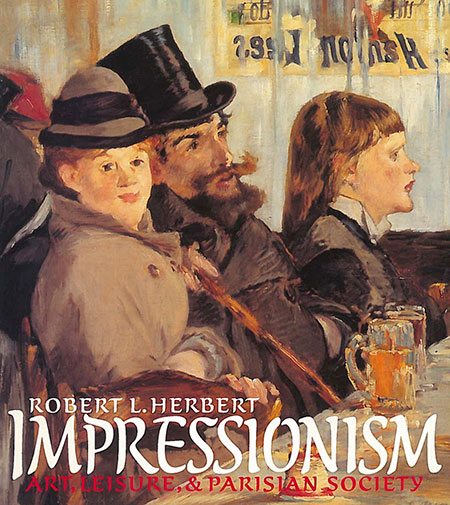
 Impressionism: Art, Leisure, and Parisian Society By Robert L. Herbert $35.00 (Softcover) Softcover: 324 pages Publisher: Yale University Press (September 10, 1988) ISBN-10: 0-3000-5083-6 ISBN-13: 978-0-3000-5083-7 Product Size: 0.9 x 10 x 11.25 inches The culmination of 20 years of research by a preeminent scholar in the field, this book fundamentally revises the conventional view of the Impressionist movement and shows for the first time how it was fully integrated into the social and cultural life of the times. Robert L. Herbert explores the themes of leisure and entertainment that dominated the great years of Impressionist painting between 1865 and 1885. Cafes, opera houses, dance halls, theatres, racetracks, and vacations by the sea were the central subjects of these paintings, and Herbert relates these pursuits to the transformation of Paris under the Second Empire. Sumptuously illustrated with many of the most beautiful Impressionist images, both familiar and unfamiliar, this book presents provocative new interpretations of a wide range of famous masterpieces. Along with many profound insights into the social and cultural upheaval of the times, artists are seen to be active participants in contemporary life.
-
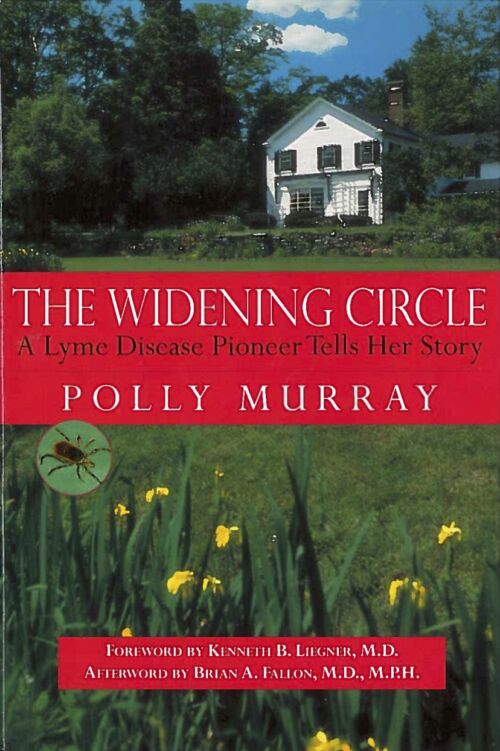 The Widening Circle: A Lyme Disease Pioneer Tells Her Story By Polly Murray $23.95 Hardcover: 336 pages Publisher: St. Martin’s Press (1996) ISBN: 978-0312140687 Product size: 1.25 x 5.75 x 8.5 inches


In the spirit of the Lyme Art Colony, the Florence Griswold Museum welcomes people of all ages and backgrounds to get up close and personal with the art of Connecticut.
AFFILIATES:






video detail: Courtney Mattison, Malum Geminos, 2019. Glazed stoneware and porcelain, 84 x 250 x 22 in.; Courtney Mattison, Afterglow (Our Changing Seas VI), 2018. Glazed stoneware and porcelain, 90.5 x 102 x 19.5 in., Courtesy of the artist; Photograph by Paul Mutino
© 2025 Florence Griswold Museum. All Rights Reserved.
In the spirit of the Lyme Art Colony, FloGris welcomes people of all ages and backgrounds to get up close and personal with the art of Connecticut.
AFFILIATES: