-
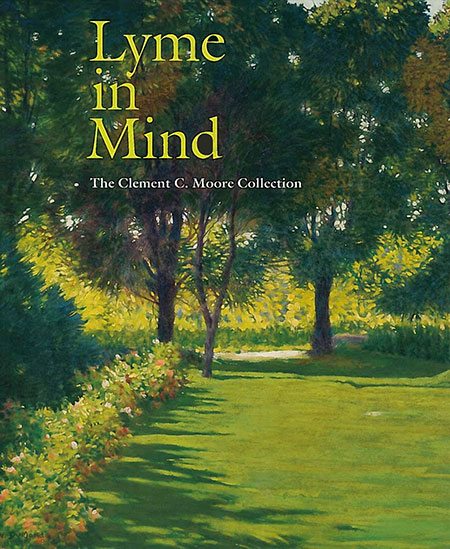
 Lyme in Mind: The Clement C. Moore Collection By Amy Kurtz Lansing and Amanda C. Burdan Softcover: 64 pages Publisher: Florence Griswold Museum (2009) ISBN-13: 978-0-6152-8438-5 Product Size: 0.25 x 9 x 11 inches This catalog accompanied a 2009 exhibition of the collection of longtime Florence Griswold Museum trustee Clement C. Moore. Lyme in Mind: The Clement C. Moore Collection features major works by the most notable members of the Lyme Art Colony, including: Childe Hassam, Edmund Greacen, William Chadwick, Frank Vincent DuMond, Harry Hoffman, Willard Metcalf, Ivan Olinsky, and Henry Ward Ranger. The collection conveys Moore’s deeply felt appreciation for the Connecticut landscape, an affinity he shares with the Lyme Art Colony painters who first visited the state more than a century ago. This catalogue presents 26 full color illustrations and an interview with the collector conducted by curator Amy Kurtz Lansing. Also included are biographical and scholarly entries pertaining to selected works, written by former curatorial fellow Amanda C. Burdan.
-
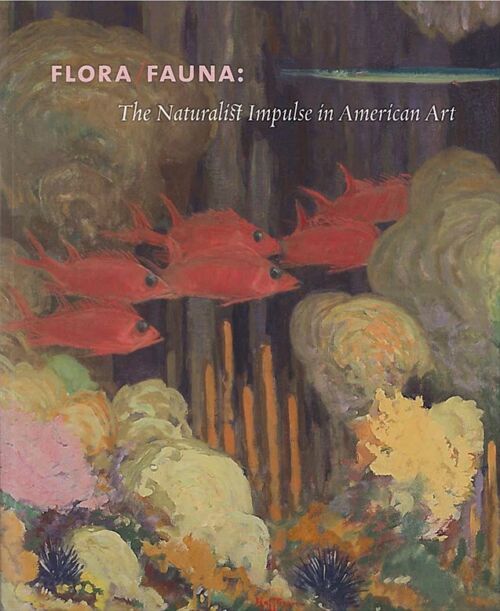 Flora/Fauna: The Naturalist Impulse in American Art By Jennifer Stettler Parsons with essays by Ellery Foutch and Amy Kurtz Lansing $24.95 (cover image: Harry Hoffman, A Coral Cave) Softcover: 120 pages Publisher: Florence Griswold Museum ISBN-13: 978-1-880897-30-0 Product Size: .33 x 9 x 10.75 inches At the heart of the Florence Griswold Museum’s collection stands a tall mahogany chest containing twenty-eight drawers filled with treasures. The contents make up the naturalist collection preserved by the American Impressionist Willard Metcalf, who gathered many of his specimens during summer visits to Florence Griswold’s boardinghouse between 1905 and 1907. Inspired by the Museum’s extensive collection of his work, this exhibition places Metcalf’s dual practice of art-making and natural history within the larger context of American art history. Flora/Fauna surveys the history of artist-naturalists and environmentally-conscious artists in the United States from the dawn of the 19th century through the mid-20th century. Together, their works reveal the great diversity and evolution of the ‘naturalist impulse’—the artist’s interest in natural history—across time. Since the country’s founding, artists have participated in forging an American natural history as explorers, collectors, close observers, cataloguers, and early environmentalists. They originated, developed, and challenged notions of nature’s proper scientific and aesthetic representation, and then translated those concerns into fine art. Stemming from the Lyme Art Colony’s history, a large portion of this display emphasizes art produced in Connecticut. This vantage point is appropriate, for one of the main factors motivating urban artists’ visits to rural Connecticut was the opportunity to commune with nature, often at art colonies. This exhibition is a timely endeavor as we think about our role on this fragile planet, and what we leave for future generations. Works in the exhibition reveal how artistic production has corresponded with social developments in American history, from an early concern with establishing a national identity distinct from Europe; to reflecting Americans’ shifting philosophies on evolution and the human relationship to the environment; to the growth of the conservation movement in the United States.
-
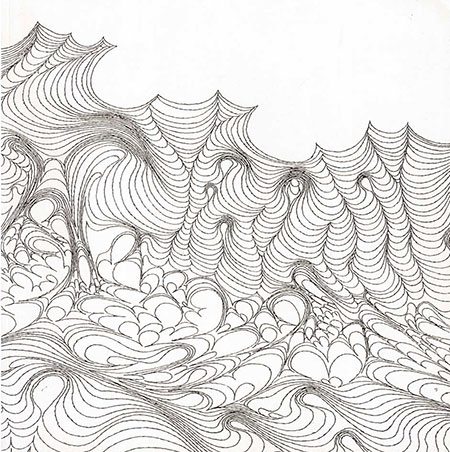 Sewell Sillman: Pushing Limits By Amanda C. Burdan and Mary Emma Harris Softcover: 32 pages Publisher: Florence Griswold Museum (2010) ISBN-10: 0-6153-3716-3 ISBN-13: 978-0-6153-3716-6 Product Size: 0.1 x 9.5 x 9.5 inches Sewell Sillman: Pushing Limits documents a groundbreaking exhibition of 20th century artist Sewell Sillman (1924-1992). This exhibition catalogue features Sillman’s graceful abstract drawings and watercolors alongside the powerful color studies created in collaboration with his mentor, Josef Albers. Over the decades of their work together, Sillman absorbed Albers’ approach to color, design, drawing, and education, bringing these lessons to bear on his own art and teaching. Mary Emma Harris delves into Sillman’s studies at Black Mountain College, analyzing his artistic inspirations, techniques, and experiences. Amanda C. Burdan subsequently documents the changing trajectory and artistic growth of Sillman’s career, beginning with his roots at Black Mountain College, moving to his Yale studies and teaching career, his subsequent artistic partnerships, and to his final innovations at his home in Lyme, Connecticut. In addition to the two essays, this illustrated catalogue contains 12 color plates, 14 additional images, and an artist chronology.
-
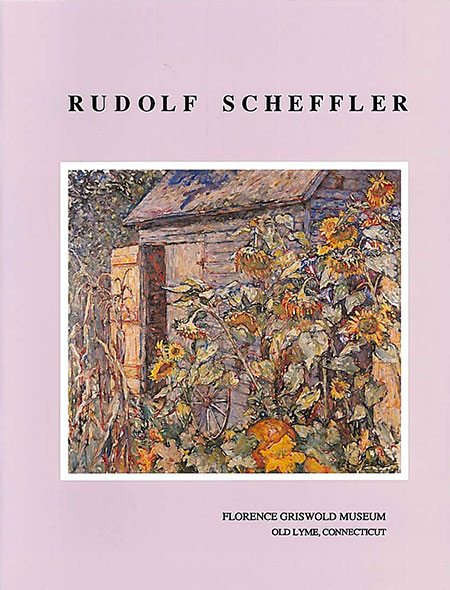
 Rudolph Scheffler (1884-1973) By Peter Hastings Falk Softcover: 48 pages Publisher: Sound View Press (1989) ISBN: 0-932087-06-X Product Size: .187 x 8.5 x 11 inches Accompanying a retrospective exhibition at the Florence Griswold Museum (April 14 – June 4, 1989). Rudolf Scheffler, although largely forgotten today, once had a considerable reputation, both in America and his native Germany, as an architectural muralist and craftsman. After emigrating to this country in 1924, Scheffler established a studio in Brooklyn, New York. For the next twenty years he produced a remarkable variety of murals, mosaics, and works in stained glass for public buildings throughout the United States. Soon after his arrival in the country, Scheffler discovered the artists’ colony at Old Lyme and bought a summer cottage in Lyme. There he enjoyed the freedom of painting a more private world — his luxuriant garden and the surroundings beyond. Features historic photos of Scheffler throughout his life along with 48 color and black and white images.
-
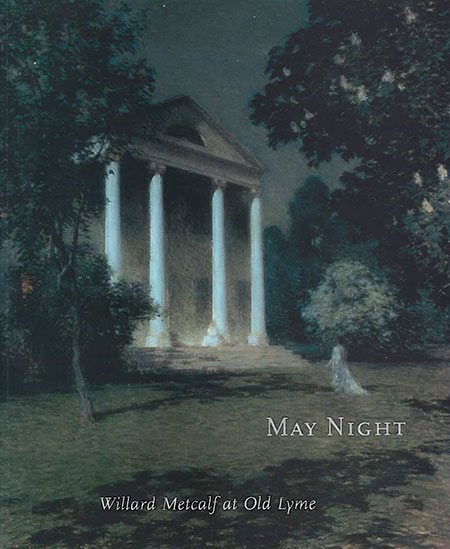
May Night: Willard Metcalf at Old Lyme By Bruce W. Chambers with an essay by Amy Ellis and entries by Emily M. Weeks Softcover: 144 pages Publisher: Florence Griswold Museum (2005) ISBN-10: 1-8808-9722-9 ISBN-13: 978-1-8808-9722-5 Product Size: 0.5 x 9 x 11 inches Willard Leroy Metcalf (1858-1925), perhaps America’s most important Impressionist landscape painter, spent only three summers living and working at the Lyme Art Colony. Though only a brief episode in what would ultimately be a fifty-year career, the landscapes Metcalf created at Old Lyme were acclaimed by critics, sought out by collectors and museums, and central to his subsequent reputation as a major figure in American art. This catalogue accompanied the 2005 exhibition, May Night: Willard Metcalf at Old Lyme, referring to Metcalf’s most famous painting, a moonlit view of the Griswold House that earned the artist his first national prize. This full-color catalogue contains 16 plates and 55 illustrations exploring the union of Metcalf’s art with his deep knowledge of the natural world. Home to the largest public collection of Metcalf’s work, the Florence Griswold Museum has collaborated with guest curator Bruce W. Chambers to produce this scholarly discussion of the life and work of a highly influential artist.
-
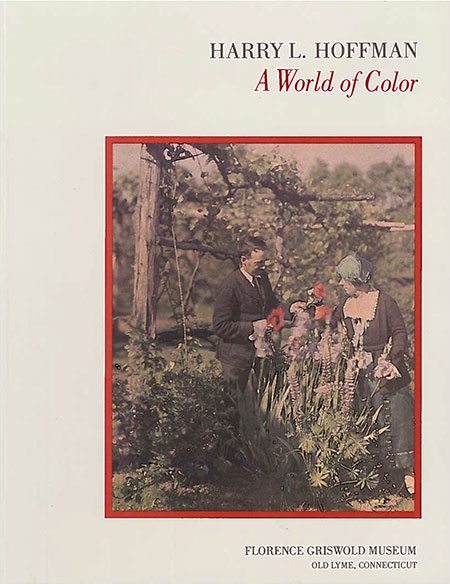
 Harry L. Hoffman: A World of Color By Jeffrey W. Andersen $14.00 (Softcover) Softcover: 89 pages Publisher: Lyme Historical Society (1988) Product Size: 0.25 x 8.5 x 10.8 inches $19.00 (Hardcover) Hardcover: 89 pages Publisher: Lyme Historical Society (1988) Product Size: 0.5 x 8.75 x 11.3 inches Few subjects escaped the attention of Harry Hoffman. His work spans several continents—from landscapes of remote Spanish villages to seasonal views of New England; from market scenes of Savannah, Georgia to the dramatic volcanic terrain of the Galapagos Islands—and reveal a lengthy career of artistic exploration. Hoffman’s unflagging curiosity for varying forms of nature led him in 1916 to begin painting what are perhaps his best-known works—a series of undersea paintings of the coral reefs in the Bahamas. This catalogue accompanied a 1988 exhibition of Hoffman at the Florence Griswold Museum, examining the life and work of an artist noted for his joie de vivre and for his artistic versatility. Alongside the scholarly text are 29 color plates, 40 black and white illustrations, and a unique color frontispiece on vellum.
-
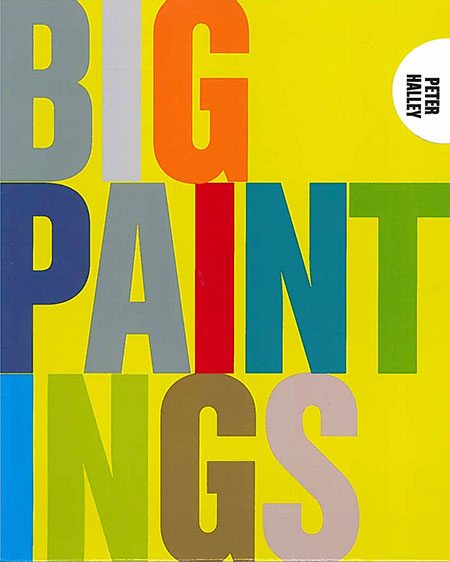
 Peter Halley: Big Paintings By Benjamin Colman Softcover: 17 pages Publisher: Florence Griswold Museum (2015) ISBN-10: 1-8808-9727X ISBN-13: 978-1-8808-9727-0 Product Size: 0.25 x 8.5 x 10.6 inches This unique catalogue accompanied the 2015 exhibit Peter Halley: Big Paintings at the Florence Griswold Museum. By looking at a selection of Halley's largest paintings from the span of his career, this publication examines how his distinctive geometric iconography emerged and evolved from the 1980s to the present day. Alongside a critical essay by Benjamin Colman and an excerpt from Halley's seminal essay "On Line" (1985), Big Paintings includes meticulous digital prints of the nine monumental paintings that were included in the exhibition. This catalogue consists of 8 pages softbound with 9 loose full-color digital prints in a die-cut box.
-
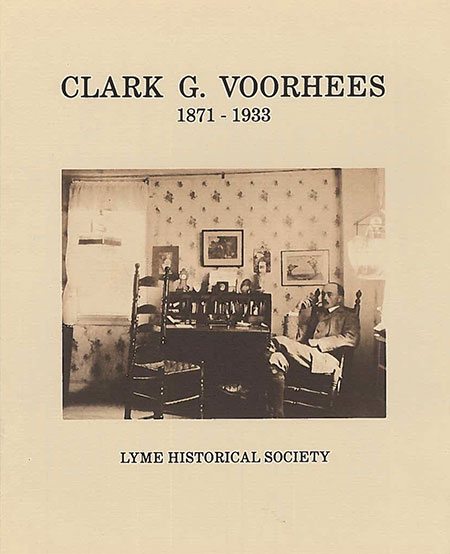
 Clark G. Voorhees (1871-1933) By Barbara J. MacAdam Softcover: 32 pages Publisher: Lyme Historical Society, Florence Griswold Museum (1981) ISBN: 978-1-880897-13-3 Product Size: .187 x 8.5 x 10.5 inches This catalogue was published to accompany an exhibition of the same name at the Florence Griswold Museum (June 13 – August 30, 1981). Clark Voorhees felt a close identification both with Old Lyme and its artist community. Clark G. Voorhees (1871-1933) presents a selection of paintings, drawings, and etchings produced during a career that spans approximately forty years. The majority are landscape subjects depicting three areas that the artist loved to paint and among which he sought to divide his time: Old Lyme; Lenox, Massachusetts; and Somerset, Bermuda. Like most American landscapists of this period, Voorhees was strongly influenced by the closely related Barbazon, Tonalist, and Impressionist styles. Features historic photos of Voorhees throughout his life along with 21 black and white images, and 4 full color plates.
-
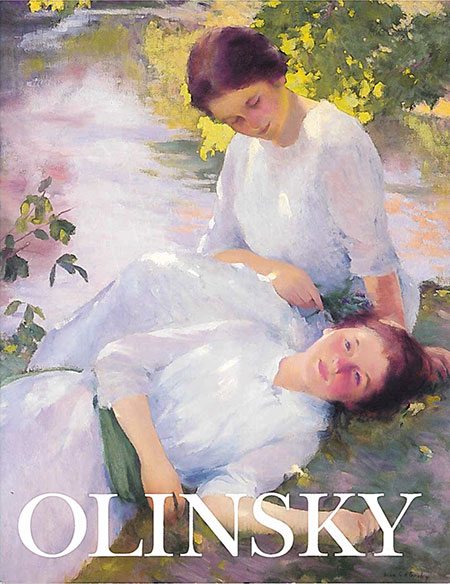
Faces of Change: The Art of Ivan G. Olinsky By Hildegard Cummings Softcover: 32 pages Publisher: William Benton Museum of Art, University of Connecticut Storrs, and Lyme Historical Society, Inc., Florence Griswold Museum (1995) ISBN: 1-880897-05-9 Product Size: .187 x 8.5 x 11 inches This catalogue was published to accompany a traveling exhibition of the same name. It began at the William Benton Museum of Art, University of Connecticut Storrs (June 20 – August 22, 1995), and ended at the Florence Griswold Museum (September 8, 1995 – October 29, 1995). Ivan Olinsky made an impressive entry into the New York art world of the 1910’s. He was not exactly a newcomer, because he had been an assistant to the eminent muralist and stained-glass designer John La Farge (1835-1910), but it was as though he had been invisible all that time. This catalogue focuses on the whole of Olinsky’s solo art career with a special essay dedicated to his work in Venice. Features historic photos of Olinsky throughout his life along with 21 black and white images, and 8 full color plates.
-
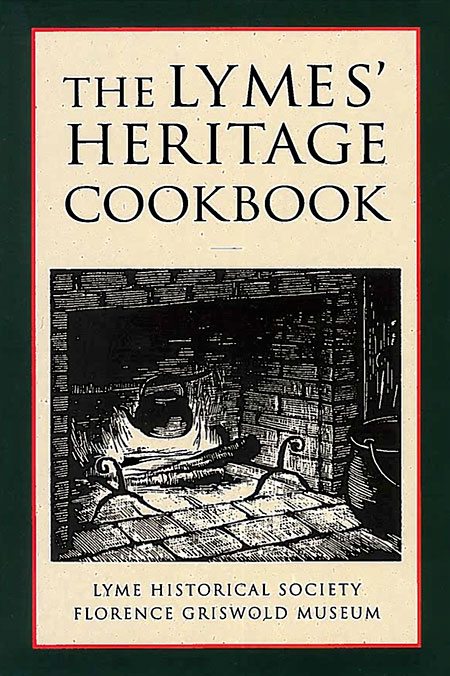
 The Lymes’ Heritage Cookbook Edited by Elizabeth Meriwether Schuler Softcover: 306 pages Publisher: Lyme Historical Society (1991) Product Size: 0.8 x 6 x 9 inches Old Lyme and Lyme, two towns at the mouth of the Connecticut River, were basically agricultural communities until recent years. In keeping with that tradition, the Lyme Historical Society presents this beautiful and nostalgic cookbook, illustrated with the bucolic works of Thomas Nason (1889-1971), a Lyme resident for more than 30 years. With over 500 recipes and thoroughly indexed for ease of use, this cookbook is a carefully chosen collection of favorite recipes that will appeal to both expert and novice cooks. Emphasis is on New England dishes, some very old, that are adapted to modern tastes, cooking methods, and ingredients. All recipes have been tested and are introduced with a few descriptive words that tell something about the area, its history, people, and the environment. In addition, there are three special chapters on activities that were typical of the area—shad bakes, smoking bluefish, and cooking in beehive ovens. If you like to cook, this book offers enticing, easily followed, accurate recipes and delightful reading about life in the Lymes today and in years gone by.
-
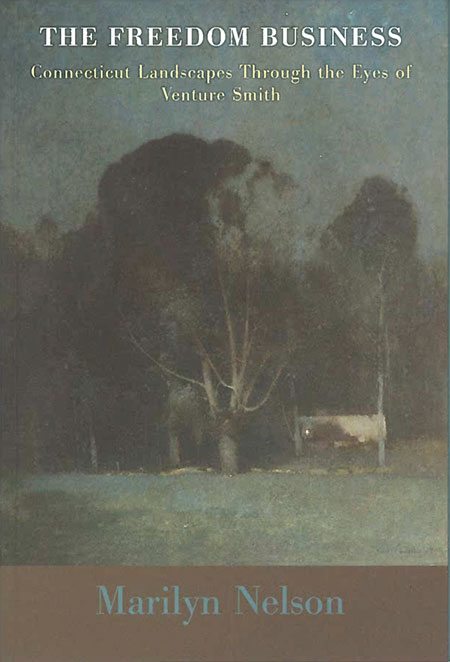
 The Freedom Business: Connecticut Landscapes Through the Eyes of Venture Smith By Marilyn Nelson Softcover: 32 pages Publisher: Lyme Historical Society (2006) ISBN-10: 1-8808-9723-7 ISBN-13: 978-1-8808-9723-2 Product Size: 0.5 x 9 x 10.5 inches This catalogue tells the true narrative of a slave from Africa, crafted in verse by Marilyn Nelson. Born an African prince, Broteer Furro was captured by slave traders at age six. As he boarded a cargo ship, the vessel's steward purchased the boy and gave him a new name: Venture. He landed in Rhode Island and worked through a lifetime of slavery to buy not only his own freedom, but also the freedom of his wife and children. Remarkable in his own time for his ambition and physical stature, Venture Smith became history's first man to document both his capture from Africa and life as an American slave. This catalogue accompanied a 2006-2007 exhibition of The Freedom Business: Connecticut Landscapes Through the Eyes of Venture Smith at the Florence Griswold Museum. This volume features 14 original poems by Marilyn Nelson paired with Impressionist paintings from the Museum’s collection that retell the remarkable life of Venture Smith.
-
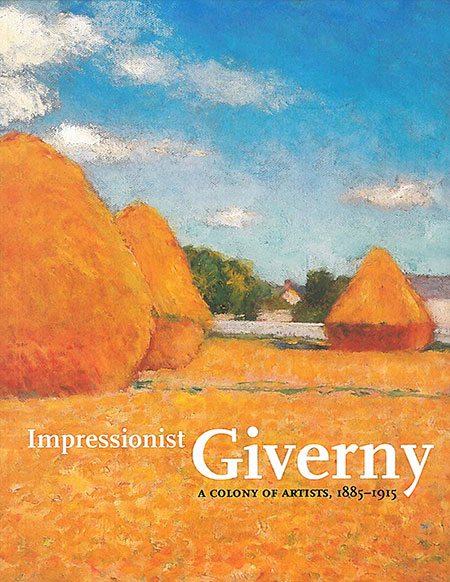
 Impressionist Giverny: A Colony of Artists, 1885-1915 Edited by Katherine M. Bourguignon with essays by Nina Lubbren, Kathleen Pyne and Margaret Werth Softcover: 224 pages Publisher: Terra Foundation for American Art (April 7, 2007) ISBN-10: 0-9321-7152-4 ISBN-13: 978-0-9321-7152-8 Product Size: 0.5 x 9.2 x 11.75 inches In the late 19th and early 20th centuries, artists from America and across Europe flocked to the French village of Giverny, transforming it from a sleepy hamlet to a colorful and thriving artists’ community. A lavishly illustrated scholarly catalogue, Impressionist Giverny: A Colony of Artists, 1885-1915 evokes the longevity of impressionism and highlights the role Giverny played in the movement’s ascendance, placing it in the context of other European artists’ colonies of its era. Making use of reproductions of period postcards, paintings, photographs, and previously unpublished documents, editor Katherine M. Bourguignon traces the evolution of the impressionist style in this idyllic and international setting. Fellow contributors address the interactions of the artists of Giverny with Monet, the utopian experiment of a collective artistic enterprise, the emergence of the rural innkeeper as a new class of patron, and the American impressionists who, inspired by their experience in France, often formed artists’ colonies back in the United States and participated in the ongoing tradition of French-American cultural exchange.

In the spirit of the Lyme Art Colony, the Florence Griswold Museum welcomes people of all ages and backgrounds to get up close and personal with the art of Connecticut.
AFFILIATES:





video detail: Courtney Mattison, Malum Geminos, 2019. Glazed stoneware and porcelain, 84 x 250 x 22 in.; Courtney Mattison, Afterglow (Our Changing Seas VI), 2018. Glazed stoneware and porcelain, 90.5 x 102 x 19.5 in., Courtesy of the artist; Photograph by Paul Mutino
© 2025 Florence Griswold Museum. All Rights Reserved.
In the spirit of the Lyme Art Colony, FloGris welcomes people of all ages and backgrounds to get up close and personal with the art of Connecticut.
AFFILIATES: